

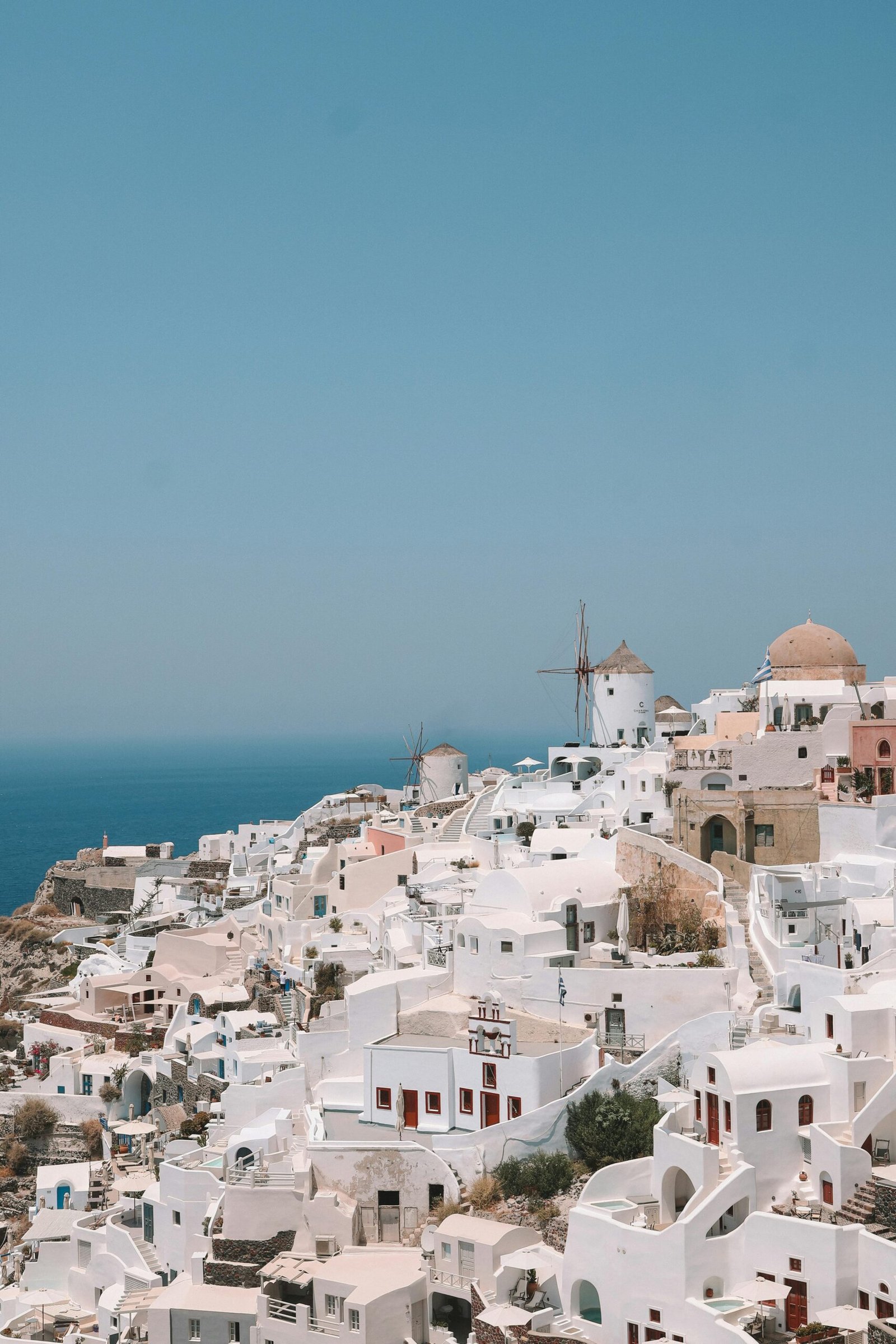
Why Santorini Is Harder to Love in Peak Season is simple: the island gets crowded, overpriced, and far less relaxed than most travelers expect. If you picture long, easy romantic days, peak season usually delivers queues, pressure, and a lot of people trying to get the same photo at the same time.
This does not mean Santorini is a bad choice. It means the island is unforgiving when your expectations are built around a quiet, spontaneous Greek-island experience. The people who enjoy it most in summer are usually the ones who accept the trade-offs early and plan around them.
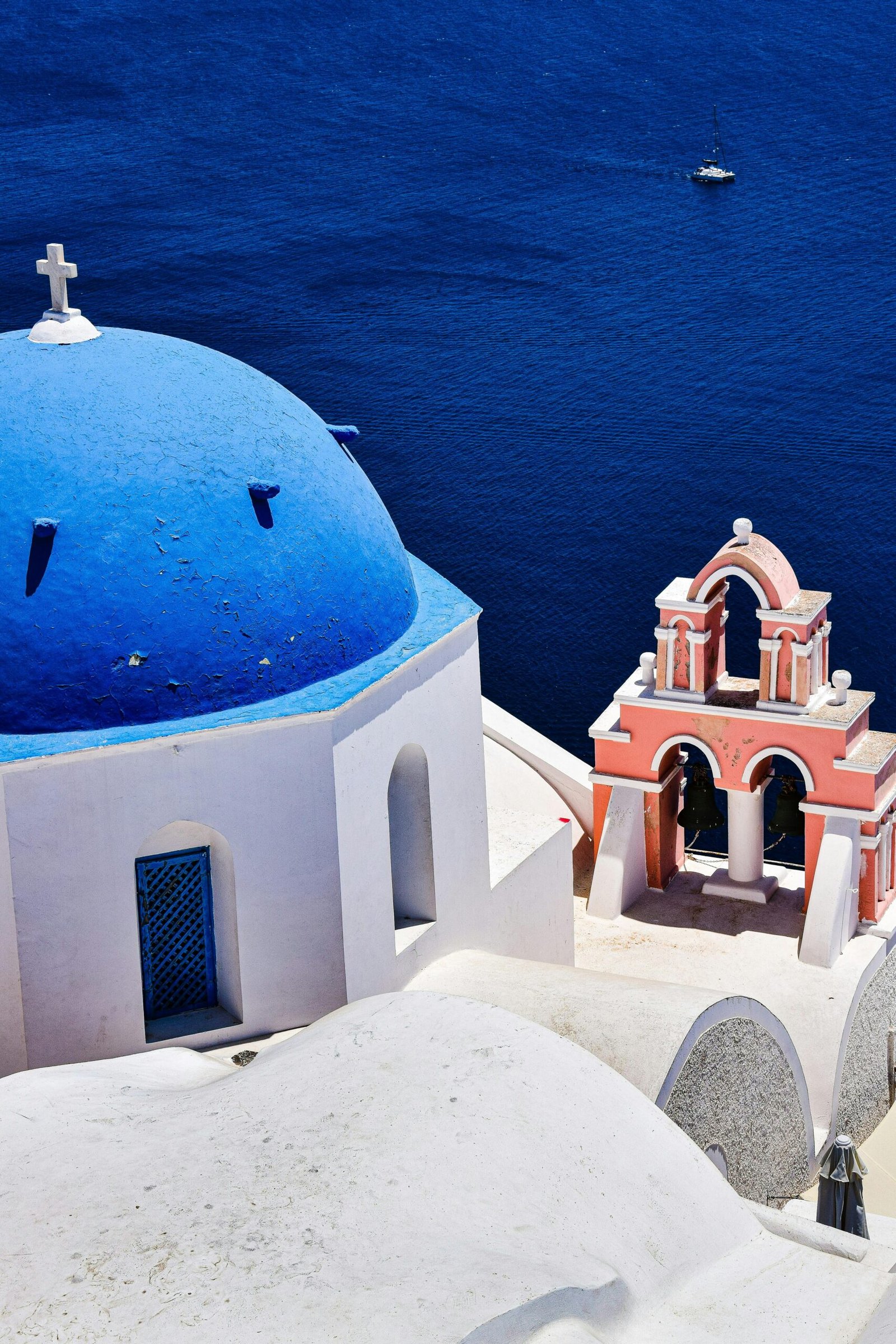
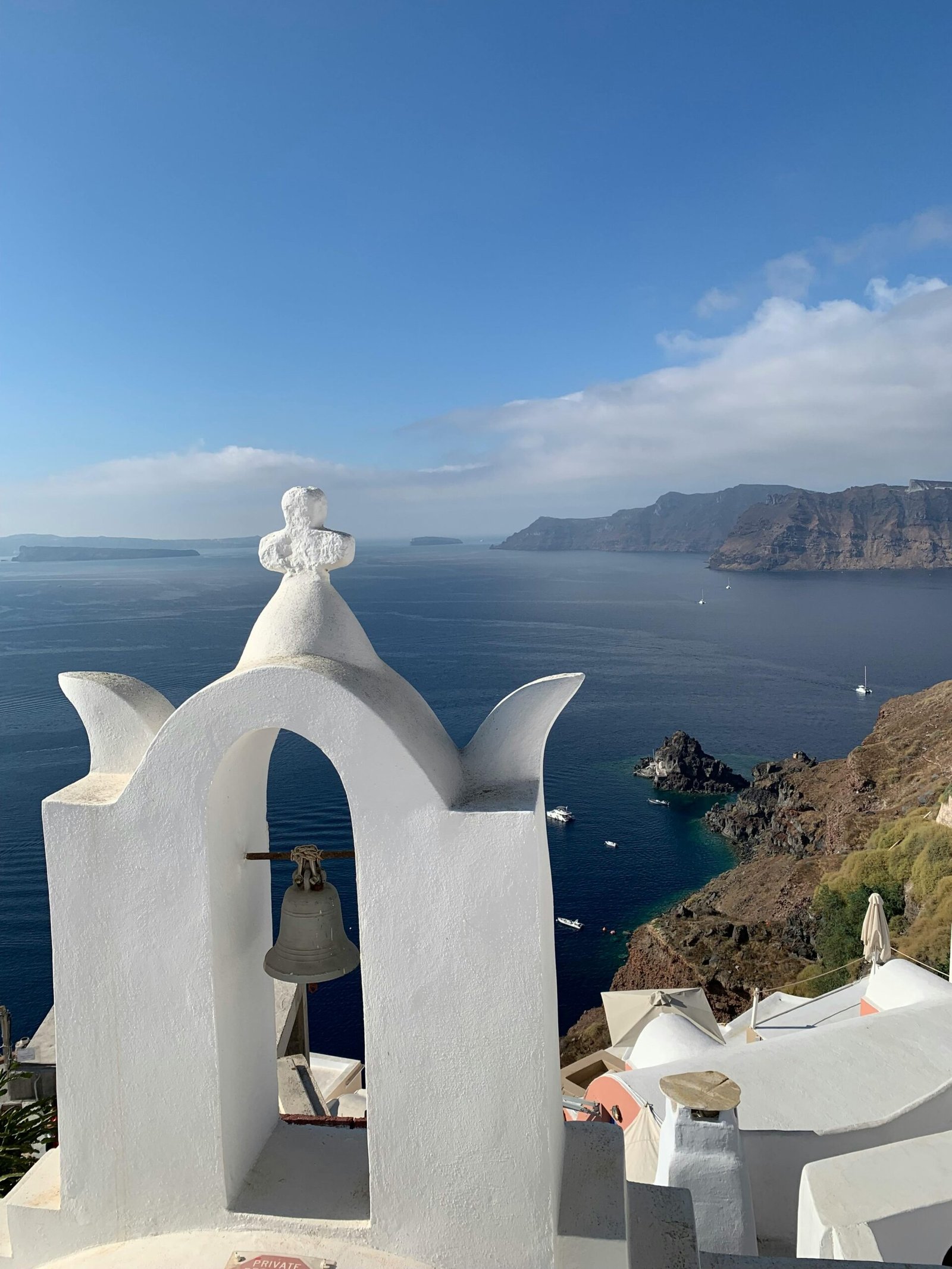
Why Santorini Is Harder to Love in Peak Season
Why Santorini Is Harder to Love in Peak Season is not a contrarian opinion. It is what many repeat visitors learn after one summer trip: the island’s most famous appeal gets diluted when everyone arrives at once. The problem is not just volume; it is the way crowding changes the mood, pricing, and even the basic pace of the island.
Most travelers assume Santorini will feel romantic all day. In peak season, it often feels scheduled, expensive, and oddly performative, especially around the caldera towns. You are not just sharing the view with other travelers; you are sharing the entire experience with a constant stream of people trying to compress the same few vantage points into one day.
Why Santorini Is Harder to Love in Peak Season
The core issue is that Santorini’s supply is fixed and its demand is not. The famous caldera-facing areas have limited space, limited shade, and limited tolerance for casual wandering when the island is packed. That means the island starts to feel less like a place to settle into and more like a place to manage.
At peak season prices, the value proposition gets weaker fast. Travelers pay top rates for hotels, meals, and experiences, then discover that the atmosphere is not relaxed enough to justify the cost for them. This is where disappointment sets in: not because Santorini is overrated in absolute terms, but because the summer version asks more and gives less.
This is also where Why Santorini Is Harder to Love in Peak Season becomes a practical question, not a philosophical one. If you want quiet mornings, flexible dining, and room to move without planning every detail, summer Santorini works against you. If you are prepared for friction and still want the caldera experience, you can make it work.
When Santorini works in peak season, and when it does not
Choose peak-season Santorini if your priority is the classic caldera view, upscale hotels, and you are comfortable paying for location. That is the honest reason to go. The island still delivers on visual impact and polished hospitality if you stay in the right place and accept that ease is not part of the package.
Do not choose it if you want a laid-back island rhythm, easy beach days, or a sense that the island is breathing at its own pace. Families with young children often find the logistics tiring. Couples expecting private, slow, romantic time are frequently surprised by how public the experience feels.
Greece rewards travelers who arrive with a plan, and Santorini punishes the ones who assume the island will organize itself around their mood. That is especially true in summer, when the island’s most recognizable areas are under constant pressure. For broader trip planning context, the official tourism resource at
Visit Greece is useful for understanding how seasonality shapes the islands.
The trade-off matrix: what changes by traveler type
Different travelers experience peak-season Santorini in very different ways. The island is not equally bad or good for everyone; the friction lands hardest on people who value calm, flexibility, and value for money. The same summer conditions can feel acceptable, or even worth it, if your priorities are narrower.
- Couples on a once-in-a-lifetime trip: Good fit if the budget is strong and the goal is the iconic caldera view.
- Families: Mixed fit; the crowds and heat make simple days harder than expected.
- Luxury travelers: Better fit, but only if you accept that high prices do not buy privacy everywhere.
- Budget travelers: Poor fit; peak season compresses value and raises frustration.
- Photographers and content-focused travelers: Strong fit if you can tolerate crowd management.
- Slow travelers: Weak fit; the island is not at its best when you want unstructured days.
Most travelers assume expensive automatically means exclusive, but actually peak season Santorini often feels more exposed, not less. Paying more gets you access to better positioning, not a quieter island. That distinction matters, because many people book thinking cost will solve crowding, and it does not.
The most common mistake: expecting romance to happen by default
This is the counterintuitive part. Santorini can feel less romantic in peak season precisely because everyone is there for romance. The island becomes full of people staging the same moment, and that can make even a beautiful setting feel busy and self-conscious.
That pressure changes behavior. Restaurants become more rushed, viewpoints become crowded, and the day starts to revolve around avoiding the worst bottlenecks. If you were expecting a naturally easy, intimate atmosphere, peak season is where that assumption fails hardest.
For travelers who want the cultural context behind Greek destinations, the Ministry of Culture’s official site at culture.gov.gr/en/ is a better reference point than social media snippets. Santorini is not a museum, but the broader Greek travel context matters: some places are built for volume, and some are not.
What travelers consistently underestimate
They underestimate how much time gets lost to friction. Not dramatic delays, just constant small losses: waiting, rerouting, adjusting dinner times, backing out of crowded viewpoints, or abandoning a plan because the setting is too compressed. Those small losses add up to a day that feels thinner than the price suggests.
They also underestimate how much peak season changes the social tone. Santorini can feel polished to the point of being staged, especially in the most famous areas. If you are sensitive to that, you will notice it immediately, and it will shape your opinion of the island more than the view itself.
Why Santorini Is Harder to Love in Peak Season is ultimately a question of fit, not quality. The island is still famous for a reason. The issue is that summer exposes the gap between what people imagine and what the island can realistically deliver under pressure.
Clear guidance for the most common traveler scenarios
If this is your honeymoon and the budget is flexible, Santorini can still be the right choice, but only if you accept that the atmosphere will not feel private everywhere. If this is your first time in Greece and you want a broad, easy island experience, I would not make Santorini your summer default. If you care most about value, space, and ease, choose another island or a different season.
If you are set on Santorini, the smartest move is to treat it as a high-demand destination that needs tighter expectations. That means fewer assumptions, more realism, and less interest in trying to force the island into a slow, spontaneous template it does not support in peak season. Why Santorini Is Harder to Love in Peak Season is exactly the kind of question that should shape the booking decision, not the post-trip complaint.
The right answer depends on how you actually travel — your pace, your priorities, and what you’re willing to trade off. If you’re not sure which option fits, that uncertainty is itself useful information.
Frequently asked questions
Is Santorini worth visiting in peak season?
Yes, if you want the iconic caldera experience and you are comfortable paying more for a busier, more managed version of the island. No, if your idea of a good trip depends on calm, flexibility, and value.
Why does Santorini feel less romantic in summer?
Because the island is crowded with travelers all chasing the same views and moments. That makes the experience feel public and staged rather than private and easy.
What kind of traveler dislikes peak-season Santorini the most?
Budget travelers, slow travelers, and families with young children usually struggle the most. They feel the crowding, pricing, and pressure more sharply than travelers who are focused on a specific luxury stay.
Is Santorini still good for a honeymoon in high season?
It can be, but only if you accept that privacy is limited and costs are high. Couples who want quiet, low-pressure time often do better in a less pressured destination or a different month.
What is the biggest mistake travelers make with Santorini in peak season?
Assuming that paying more will solve the crowd problem. It usually does not; it mainly buys a better position within the same crowded environment.
Should I avoid Santorini completely in summer?
Not necessarily. You should avoid it if you want a relaxed Greek-island rhythm. If you want the famous caldera setting and can handle the trade-offs, summer can still work.
Why Santorini Is Harder to Love in Peak Season compared with other Greek islands?
Because the island’s appeal is concentrated into a small, high-demand area. That creates more visible crowding, higher prices, and more friction than travelers usually expect from an island holiday.