

Why Most First-Timers to Santorini Leave Slightly Disappointed is usually not about the island failing to deliver. It is about visitors arriving with a very specific image in their head and then trying to force the real place to match it. Santorini is one of the easiest Greek islands to overvalue before arrival and undervalue once you are there.
The disappointment is rarely dramatic. It is more often a slow realization that the island feels busier, narrower, and more transactional than expected, especially in peak season. That gap is predictable, and once you understand the psychology behind it, the mistake becomes easier to avoid.
Why Most First-Timers to Santorini Leave Slightly Disappointed
The real pattern behind Why Most First-Timers to Santorini Leave Slightly Disappointed
The pattern is simple: people do not choose Santorini because they want an island. They choose it because they want confirmation that the version they have seen online is real. That is a very different motivation, and it sets up a fragile expectation from the start.
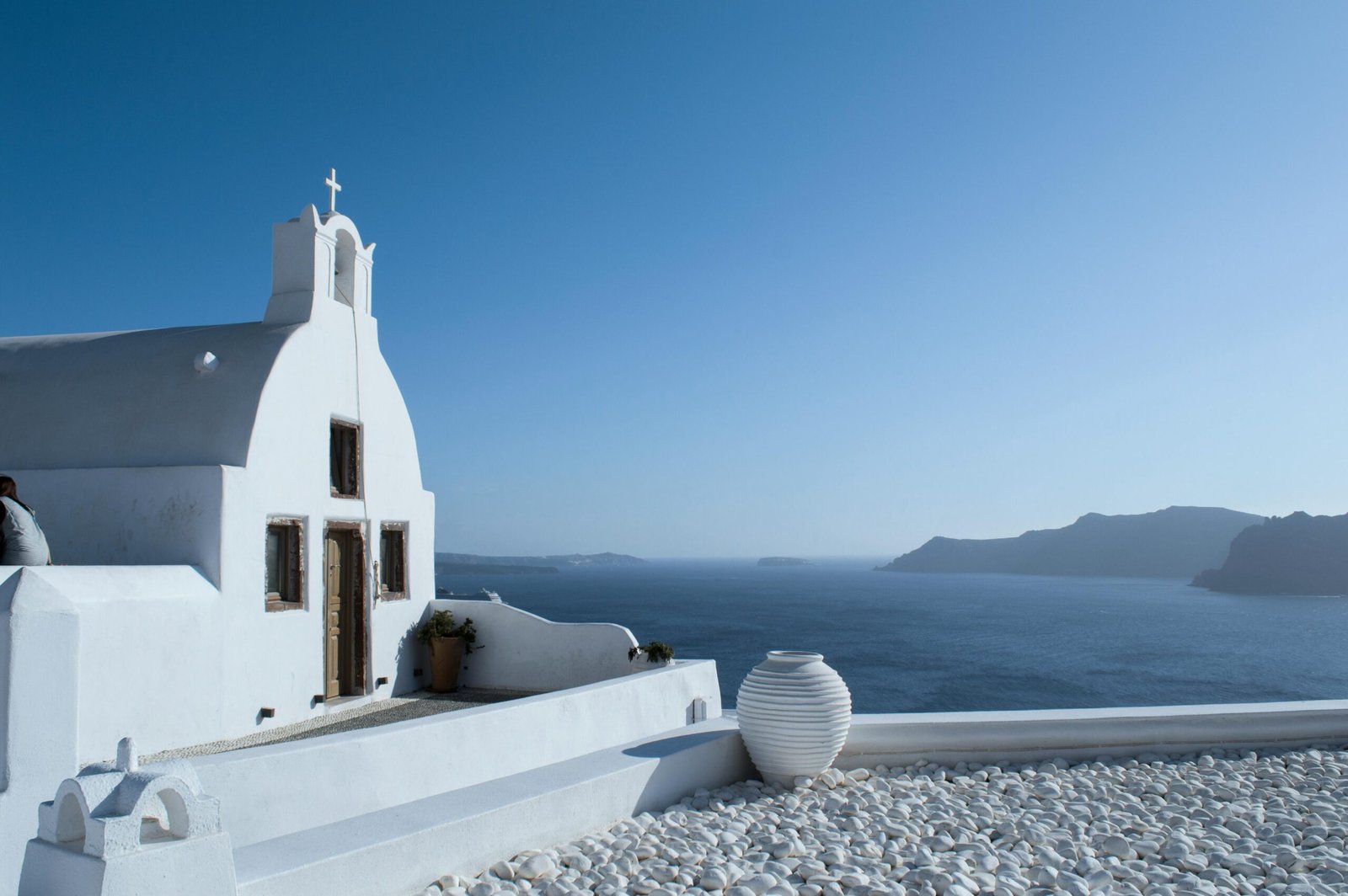
First-timers often use Santorini as a proof point. They want the cliffside view, the whitewashed visual, the sunset that looks exactly like the one they have seen a thousand times. When a destination is chosen to validate an image rather than to be experienced on its own terms, disappointment is almost built in.
This is why Why Most First-Timers to Santorini Leave Slightly Disappointed is not a complaint about quality. It is a mismatch between emotional purchase and physical reality. The island is doing what it has always done; the traveler is the one bringing a fantasy that cannot survive contact with crowds, heat, queues, and high prices.
Why people keep making this choice anyway
Santorini has become a default decision for travelers who want their first Greece trip to feel easy to explain. It is recognizable, socially validated, and heavily represented in travel media. That matters more than people like to admit, because many first-time visitors are not choosing a place so much as choosing a story they can already picture.
There is also a fear of missing the “main” Greek experience. For many travelers, skipping Santorini feels like arriving in Greece and refusing the headline act. That fear pushes people toward the island even when their actual preferences lean toward space, authenticity, quieter evenings, or less pressure around every meal and view.
Some travelers want a trip that looks good in memory and in photos. Santorini is engineered for that. But the same visual efficiency that makes it so appealing also makes it less forgiving when you are tired, crowded into a narrow area, or paying premium prices for an experience that feels compressed.
The emotional gap: what visitors expect versus what they actually feel
Before arriving, many first-timers imagine a calm, elevated version of Greece where every moment feels special by default. They expect the island to create emotion for them. In reality, Santorini asks you to work around its popularity, and that changes the mood fast.
The expected feeling is ease. The actual feeling is often management. Managing heat, timing, crowds, spending, and the constant awareness that many other people are trying to have the same moment at the same time.
This is the part travelers underestimate: the emotional fatigue of being in a place that is always performing its own reputation. That can be exciting for a short stay, but it also creates a low-level pressure to keep up with the image of the trip. For some people, that pressure drains more energy than they expected to spend on vacation.
For context on how Greece is presented to visitors more broadly,
Visit Greece is useful as a national starting point, but Santorini is one of the places where official imagery and lived experience can diverge the most during peak season.
The moment disappointment usually hits
The disappointment usually does not arrive on arrival day. It hits later, when the traveler realizes the island is not giving them the unbroken emotional payoff they expected. That moment often comes after the first sunset crowd, the first expensive meal that felt average, or the first time they notice how much of the day is spent navigating around other people.
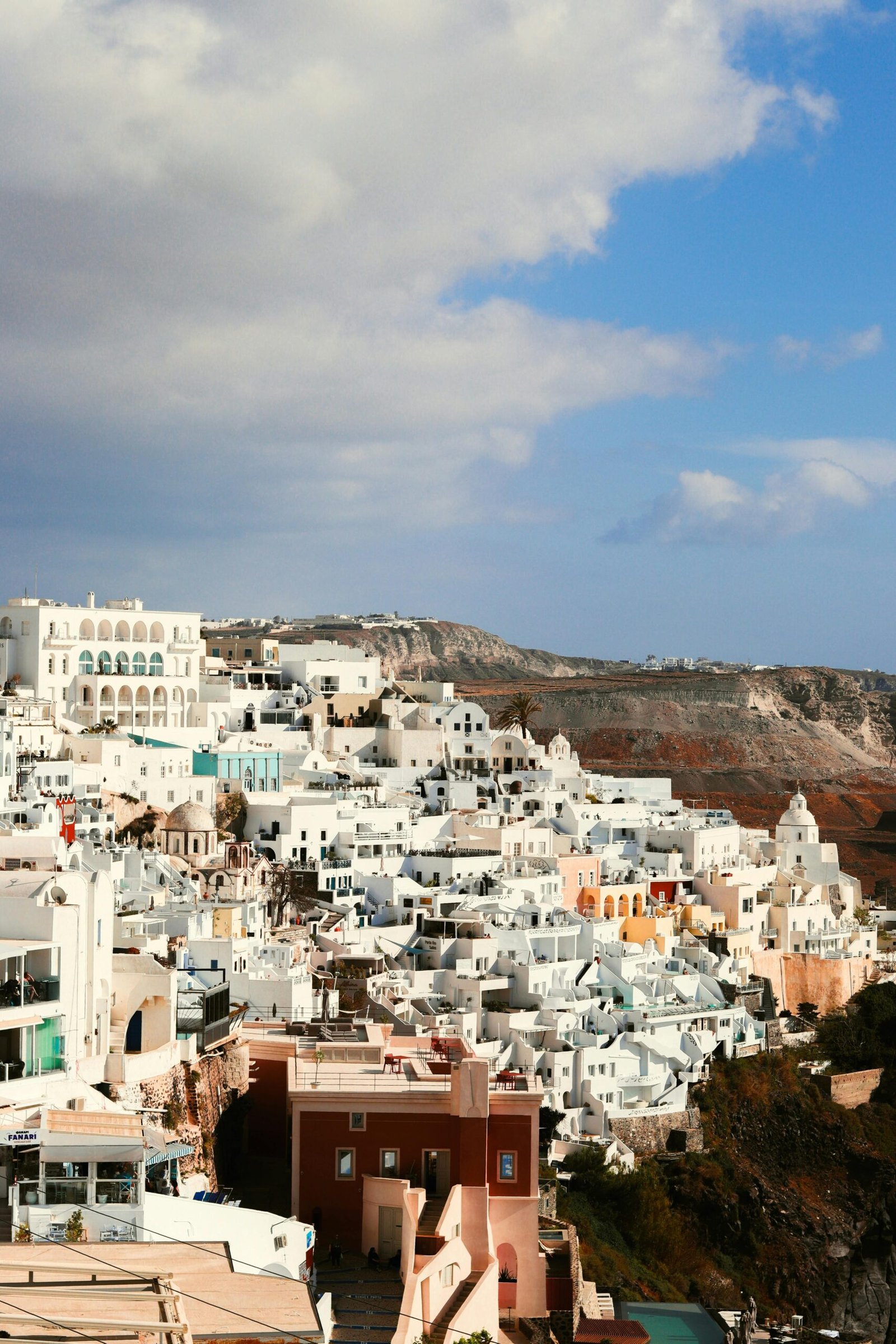
For many, the turning point is not the view itself. It is the feeling that the view has become a shared event with hundreds of strangers. Once that happens, the island stops feeling personal and starts feeling managed.
Here is the counterintuitive part: the most disappointed visitors are often the ones who do “everything right” by standard internet advice. They book the famous place, arrive at the famous season, and chase the famous moments. The problem is not lack of effort. It is that they optimized for recognition, not for comfort.
Who is most prone to this pattern
First-time visitors who are highly visual, social-media-driven, or emotionally attached to a single iconic image are the most vulnerable. They tend to value the idea of Santorini before they understand the trade-offs of being there in peak season. That makes them more likely to interpret ordinary friction as personal disappointment.
Couples on a once-in-a-lifetime trip are another common group. They often want Santorini to carry emotional weight because the trip itself is meaningful, and that is a heavy job for any destination. When the island feels crowded or expensive, the emotional stakes rise, and so does the letdown.
Travelers with limited Greece experience also get caught here. If Santorini is their first or only island, they have nothing to compare it against. They may assume the whole country works this way, when in fact many Greek destinations offer more breathing room, better value, and less performance pressure.
- Travelers chasing a specific visual reference
- Couples treating the trip as a milestone
- Visitors with limited time who want the “must-see” choice
- People who dislike crowds but assume they can outsmart them
Peak season changes the psychology of the island
Peak season does not just make Santorini busier. It changes how people feel in it. When every decision costs more time, more money, or more patience, visitors start experiencing the island through friction rather than pleasure.
That is why the same traveler can love a place in theory and feel underwhelmed in practice. A destination built around scarcity, timing, and high demand will expose impatience quickly. Santorini is especially unforgiving because the famous areas are also the most compressed.
This is where many first-timers make the wrong conclusion. They think they are reacting to the island’s quality, when they are really reacting to season pressure. That distinction matters, because it changes the planning decision. If you want the iconic version of Santorini, you need to accept that peak season is the least forgiving way to experience it.
For a broader sense of Greek cultural and heritage context beyond the island marketing layer, the Hellenic Ministry of Culture is a useful reference point. It is a reminder that Greece is not one experience, and Santorini is not the standard by which the rest should be judged.
What a better approach looks like
The better approach is not to lower your standards. It is to stop expecting one island to deliver every Greek fantasy at once. Santorini works best when travelers understand exactly what it is: a high-demand, high-visibility place with real beauty and real constraints.
That means choosing it for the right reason. If you want a polished, iconic, visually dominant experience and you are fine paying for it, Santorini can still make sense. If you want space, spontaneity, and a relaxed rhythm, it is a poor match and should be treated that way from the beginning.
Greece rewards travelers who arrive with a plan only once. The deeper truth is that it rewards travelers who know what kind of feeling they are buying, not just what name they recognize. If you approach Santorini as a place with limits instead of a promise of perfection, you are far less likely to leave irritated by something it never claimed to be.
That is the real reframe behind Why Most First-Timers to Santorini Leave Slightly Disappointed. The island is not failing them. Their expectation model is failing them.
Greece doesn’t punish inexperience. It punishes unexamined assumptions. The travelers who leave disappointed rarely lacked information — they lacked a framework for using it.
Frequently asked questions
Why do first-time visitors expect so much from Santorini?
Because Santorini is one of the most heavily marketed Greek destinations and people often arrive with a preloaded visual image. They are not just expecting a place; they are expecting confirmation that the image was accurate.
Is Santorini actually disappointing, or just overhyped?
For many first-timers, it is overhyped relative to what they personally want from Greece. The island is real and worthwhile, but it is often sold in a way that makes it seem calmer and more effortless than it feels in peak season.
What is the main reason people feel let down?
The biggest reason is the gap between an iconic image and a crowded, expensive, highly managed reality. The disappointment usually comes from friction, not from the island lacking beauty.
Who is most likely to be disappointed by Santorini?
Travelers who want quiet, space, and low-pressure exploration are the most likely to feel let down. So are people choosing Santorini mainly because they feel they are supposed to go there.
Does peak season make Santorini worse?
Yes, for most first-time visitors it makes the emotional experience harder. Crowds, heat, and pricing all intensify the sense that the island is being consumed rather than experienced.
How should a first-timer think about Santorini differently?
Treat it as a specific kind of destination with clear trade-offs, not as a universal benchmark for Greece. If you understand what it is good at, you are much less likely to expect it to do a job it was never meant to do.