

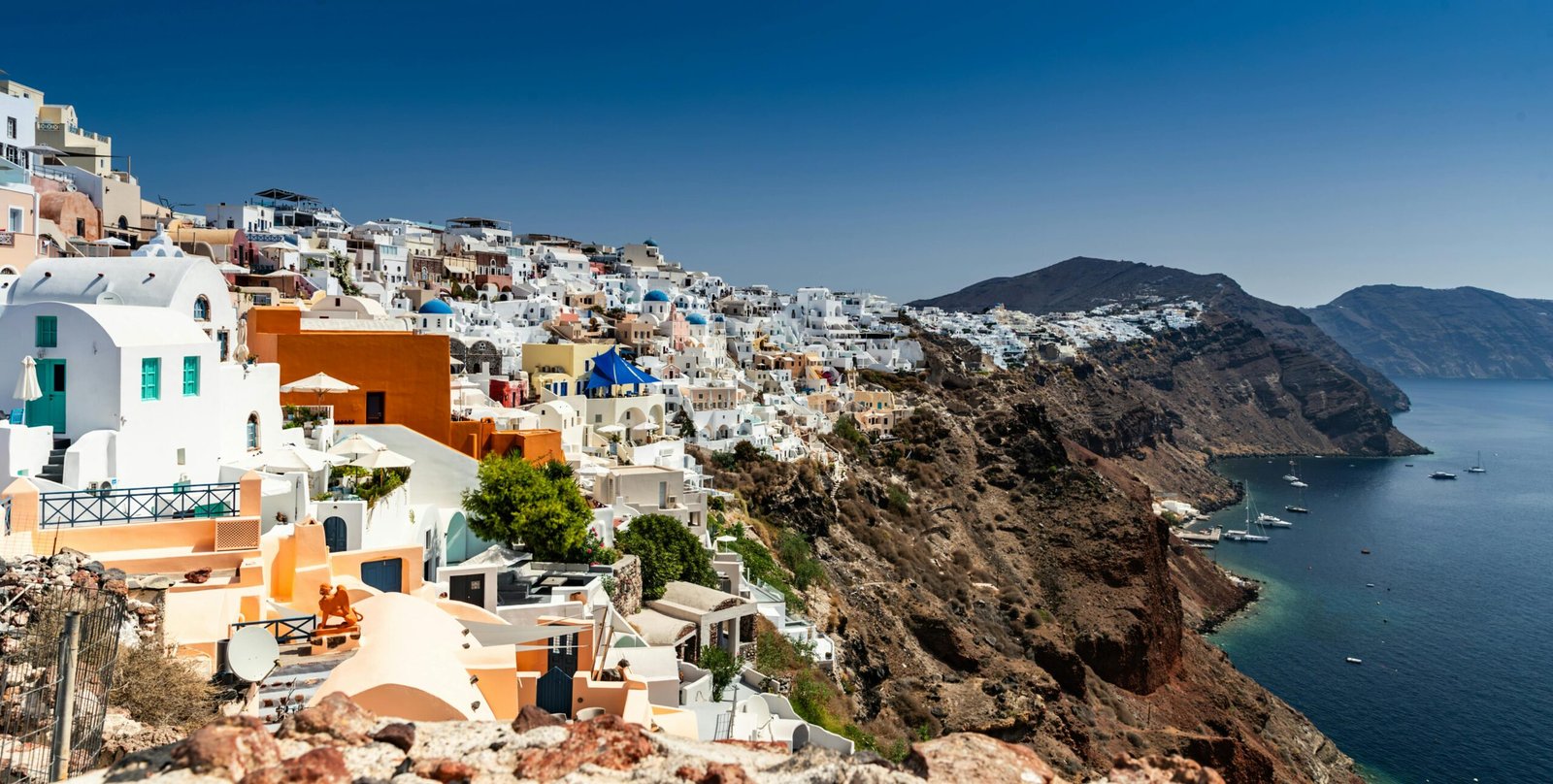
Why Most First-Timers to Santorini Leave Slightly Disappointed is usually a story about expectation, not the island itself. People arrive with a polished image in their heads, then meet a place that is busier, more expensive, and more operationally demanding than they expected.
The real problem is psychological: travelers confuse a familiar image with a usable plan. Santorini can still be excellent, but if you are chasing the version you have seen online, peak season is where that gap becomes impossible to ignore.
Why Most First-Timers to Santorini Leave Slightly Disappointed
The disappointment is rarely dramatic. It is more often a slow recognition that the island they pictured and the island they paid for are not the same thing. That mismatch shows up most clearly in peak season, when crowds, pricing, and pressure turn a simple destination into a place that demands more patience than first-timers expect.
The assumption behind Why Most First-Timers to Santorini Leave Slightly Disappointed
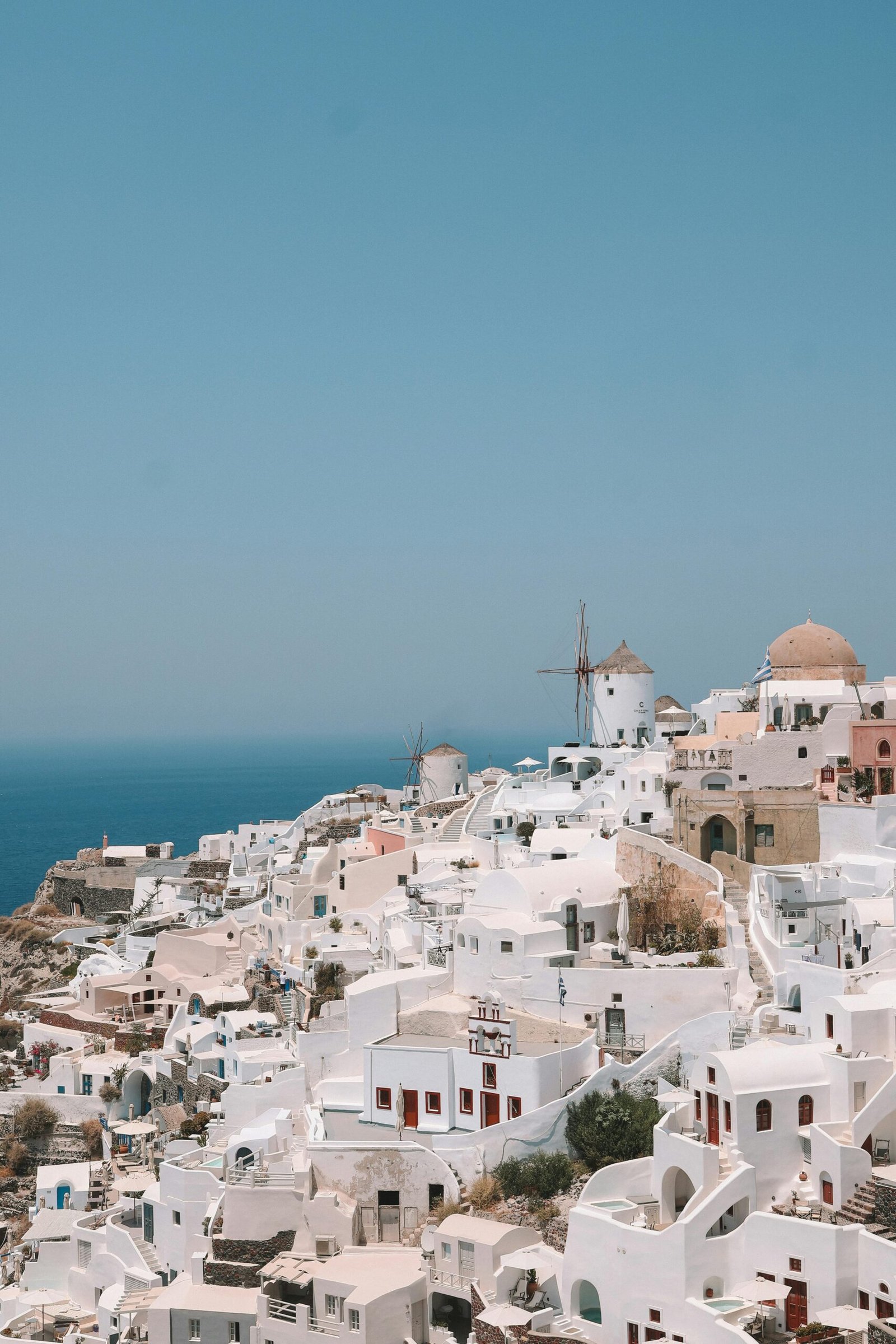
The core assumption is that Santorini is a luxury experience by default. Travelers see the caldera views, the whitewashed villages, and the polished marketing, then assume the whole stay will feel effortless and elevated. That is not how it works in July and August, when the island is operating at full strain and every popular area feels contested.
People also assume that a famous place must be worth the premium in every category. That is emotional logic, not travel logic. Once you pay more, you expect a smoother, more exclusive experience, and Santorini in peak season often delivers the opposite: high prices, crowded viewpoints, and a lot of waiting for moments that were supposed to feel special.
Why travelers keep choosing Santorini anyway
There is a strong social reason first-timers choose Santorini. It is the island they already know, which makes it feel safe. When people are planning a first Greece trip, they often want to avoid the anxiety of choosing “wrong,” so they default to the place with the clearest image and the loudest reputation.
That is why Santorini gets overselected by travelers who are not actually looking for Santorini. They want romance, convenience, a clean visual identity, and a trip that feels easy to explain to other people. The island satisfies the story, which is exactly why so many people ignore the practical trade-offs until they are already there.
For travelers who want to understand the broader Greece context before locking in assumptions, the official national tourism source at
visitgreece.gr is more useful than social media because it gives a wider view of what Greece actually offers beyond one famous island.
Why Most First-Timers to Santorini Leave Slightly Disappointed in peak season
Peak season is where image inflation meets operational reality. The island is still beautiful in the obvious sense, but the emotional experience changes once you are sharing every high-demand space with everyone else who had the same idea. The result is not disaster; it is dilution.
Here is the counterintuitive part: Santorini often disappoints most when travelers have the most money to spend. Higher budgets do not cancel crowding, and in some cases they make the mismatch sharper because the traveler expects a premium experience to solve for seasonality. It does not. A more expensive room does not fix the fact that the island itself is under pressure.
The moment disappointment usually hits is not at arrival. It is later, when the first sunset, first dinner, or first viewpoint feels managed rather than spontaneous. That is when people realize they are not having a private island moment; they are participating in a very efficient, very crowded spectacle.
The traveler types most prone to this pattern
Certain travelers are especially vulnerable to this letdown because they are making an emotional purchase, not a geographic one. They are not asking, “What is Santorini good at?” They are asking, “Will this feel like the trip I have been imagining?” That question sets them up for trouble.
- First-time Greece visitors who want the easiest, most recognizable choice
- Couples chasing a romance narrative more than a destination fit
- Travelers with limited time who want one island to do everything
- People who book late and then rationalize the premium as proof of quality
- Travelers who are highly image-driven and sensitive to crowding
These travelers are not naive. They are simply using emotional shortcuts that make sense at the planning stage. The problem is that Santorini punishes shortcuts more visibly than most Greek destinations because the gap between expectation and experience is so easy to see.
The emotional gap: what people expect vs what they actually feel
Before the trip, Santorini feels like a reward. People imagine a clean, simple payoff: a few beautiful views, a romantic room, and an easy sense of arrival. They expect the island to do the emotional work for them.
In reality, the island often asks for more management than first-timers want to give. You have to tolerate crowds, pay attention to timing, and accept that the most famous places are also the most crowded places. That creates a subtle emotional shift from pleasure to effort, and that shift is what many travelers remember most.
If you want a better sense of how Greece presents itself beyond the glossy version, the Ministry of Culture’s site at culture.gov.gr/en/ is a useful reminder that the country is deeper and less one-dimensional than the Santorini image suggests.
What first-timers consistently underestimate
They underestimate how much their mood will be shaped by crowd density. Santorini is not difficult because it is confusing; it is difficult because it is emotionally crowded. That is a different problem, and many travelers do not recognize it until they are already frustrated.
They also underestimate how much the island’s reputation narrows their tolerance. When a place is famous, people become less forgiving. A meal that would feel fine elsewhere can feel underwhelming in Santorini because the traveler paid for a fantasy, not just a table.
Most of all, they underestimate how quickly a “once-in-a-lifetime” mindset creates pressure. Once you frame a destination as the big one, every small inconvenience feels larger. That is the real trap behind Why Most First-Timers to Santorini Leave Slightly Disappointed: not poor quality, but inflated emotional stakes.
What a better approach looks like
A better approach starts with a simpler question: what role should Santorini play in this trip? If the answer is “the centerpiece of a short, image-driven stay,” then the island can work, but only if you accept the trade-offs without pretending they are not there. If the answer is “the one place in Greece that should do everything,” the setup is already wrong.
Greece rewards travelers who arrive with a plan. That is especially true here, where the difference between a satisfying stay and a frustrating one is usually not the island itself but the frame you bring to it. Santorini is best when you treat it as one specific experience, not as a universal benchmark for Greece.
That is the cleaner reframe: stop asking whether Santorini lives up to the image, and start asking whether the image is actually the right reason to go. Once travelers make that shift, the island stops feeling like a disappointment and starts feeling like a place with a very clear set of strengths and limits.
Greece doesn’t punish inexperience. It punishes unexamined assumptions. The travelers who leave disappointed rarely lacked information — they lacked a framework for using it.
Frequently asked questions
Why do so many first-time visitors feel let down by Santorini?
Because they arrive with a luxury fantasy and meet a crowded, high-pressure island instead. The disappointment usually comes from the gap between the image and the operational reality, especially in peak season.
Is Santorini actually overrated?
For some travelers, yes. If you want space, value, or a relaxed pace, Santorini often feels overpromised. If you want a famous caldera setting and accept the trade-offs, it can still deliver.
What is the biggest mistake first-timers make with Santorini?
Treating it like a default Greece choice rather than a specific kind of destination. That assumption leads to overpaying for an experience that may not match the trip they actually wanted.
When does disappointment usually set in?
Usually after the first major crowd-facing moment: a sunset, a dinner, or a viewpoint. That is when travelers realize the island is heavily managed and shared with a lot of other people.
Who is most likely to be disappointed by Santorini?
Couples chasing a romance narrative, first-time Greece visitors, late bookers, and travelers who are very sensitive to crowding or value. These groups are most likely to expect the island to do too much emotional work.
Can Santorini still be worth visiting?
Yes, but only if you understand what it is good at and stop expecting it to solve every travel goal. It is a strong choice for a specific kind of short, high-demand stay, not a universal Greece experience.
How should I think about Santorini before booking?
Think in terms of trade-offs, not hype. Ask what you are willing to accept in exchange for the famous view and the recognizable setting, then decide whether that is actually the trip you want.