

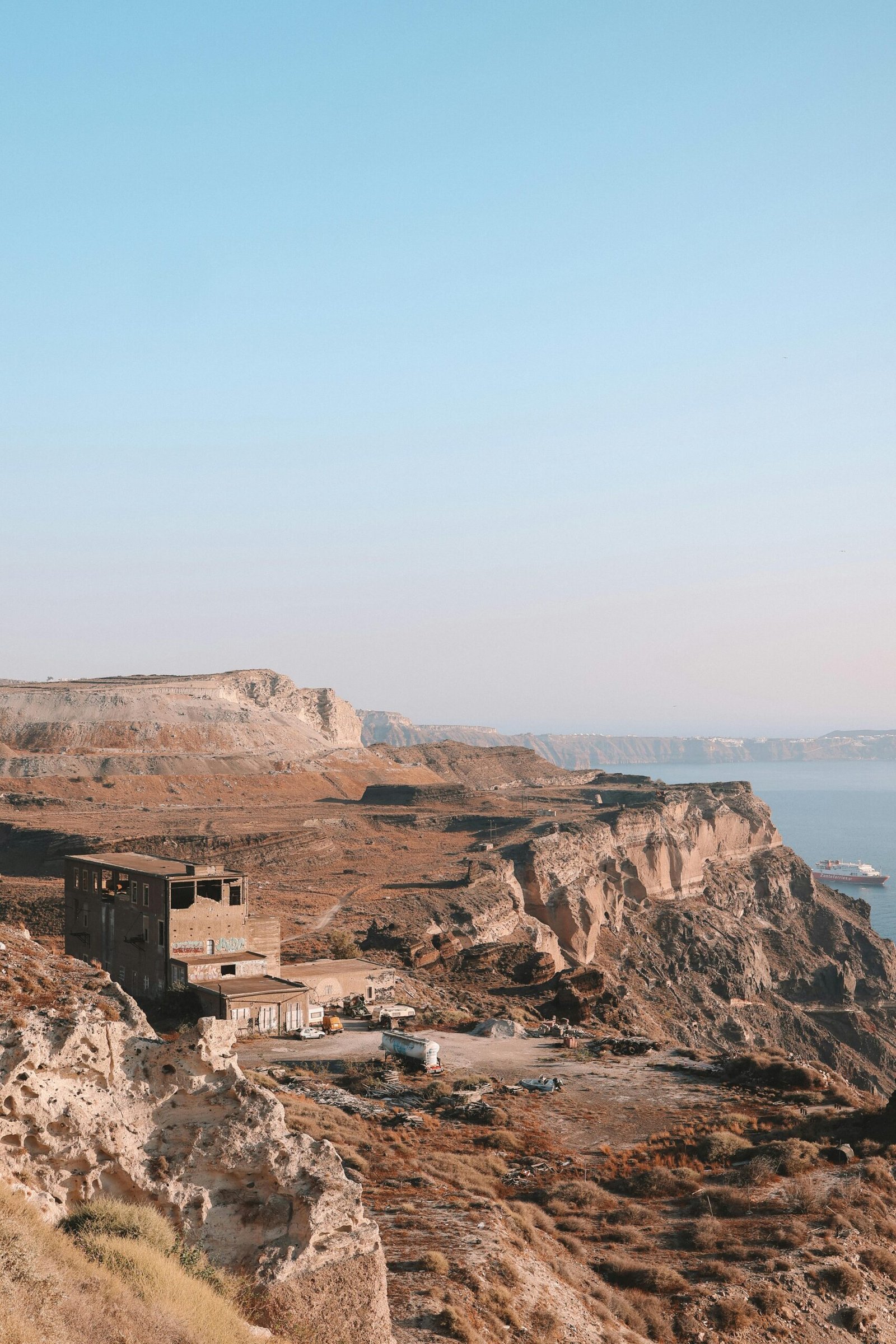
Why Most First-Timers to Santorini Leave Slightly Disappointed usually comes down to one thing: people arrive with an image, not a working model of the island. They expect a clean, cinematic version of Santorini and then meet crowds, heat, queues, and a place that is far more operational than romantic once peak season is in full swing.
This is not a Santorini problem alone. It is a first-timer problem: the tendency to confuse a destination’s online identity with the lived reality of visiting it in the busiest months.
Why Most First-Timers to Santorini Leave Slightly Disappointed
The pattern is simple and very common: travelers choose Santorini because they want certainty. They want a place that looks familiar before they arrive, feels easy to explain to others, and delivers a version of Greece they already recognize from photos. That is exactly why Why Most First-Timers to Santorini Leave Slightly Disappointed remains such a predictable outcome.
The mistake is not loving the island. The mistake is assuming the most photographed parts of Santorini are the whole experience. In peak season, the island becomes a test of patience, timing, and tolerance for sameness in public spaces.
The psychology behind the Santorini decision
People do not usually pick Santorini because they want the most balanced Greek island experience. They pick it because they want reassurance. Santorini feels like a safe choice for a honeymoon, a first Greece trip, or a milestone vacation where nobody wants to be the person who picked wrong.
That emotional safety is powerful. Travelers often fear regret more than they fear crowds, so they choose the destination they already know by reputation. In practice, that means they are selecting for image recognition, not for fit.
This is where Why Most First-Timers to Santorini Leave Slightly Disappointed becomes more than a headline. The island is frequently chosen as a status decision: the place that signals taste, romance, and effort. Once a trip starts carrying that much symbolic weight, ordinary inconveniences feel bigger than they are.
What travelers expect versus what peak season actually delivers
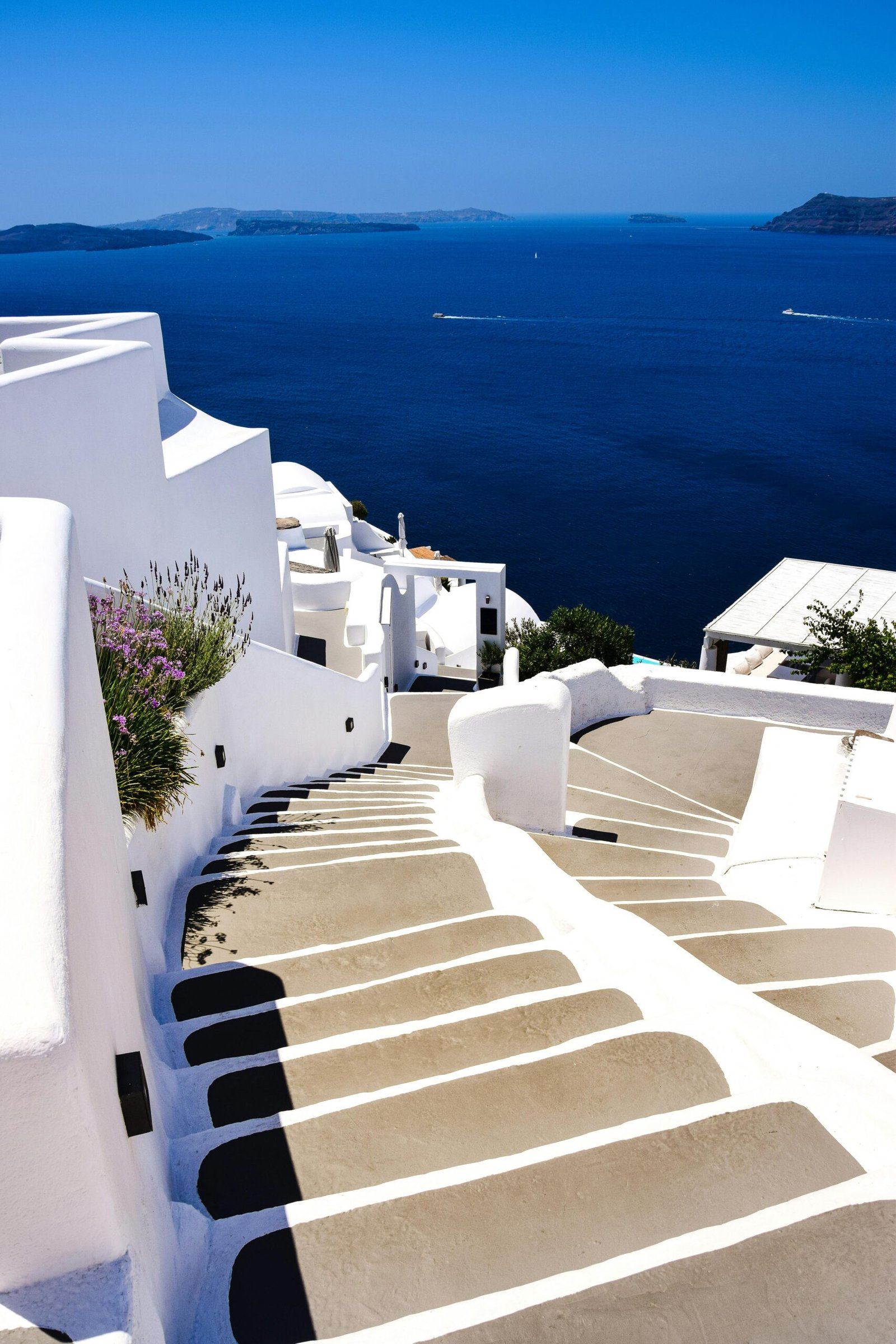
Expectations are usually built around quiet terraces, open views, and a sense of personal space. What many first-timers find instead is a tightly managed island with heavy foot traffic, packed viewpoints, and a constant sense that other people are in the frame.
The emotional gap is not subtle. Travelers expect arrival to feel like release; peak-season Santorini often feels like entering a queue. Once that happens, the brain starts scanning for what is missing rather than what is present, and the trip begins in a defensive mood.
That is why Why Most First-Timers to Santorini Leave Slightly Disappointed is so often about atmosphere, not quality. The island can still be excellent, but if you expected privacy, ease, and room to improvise, the reality feels like a downgrade.
The moment disappointment usually hits
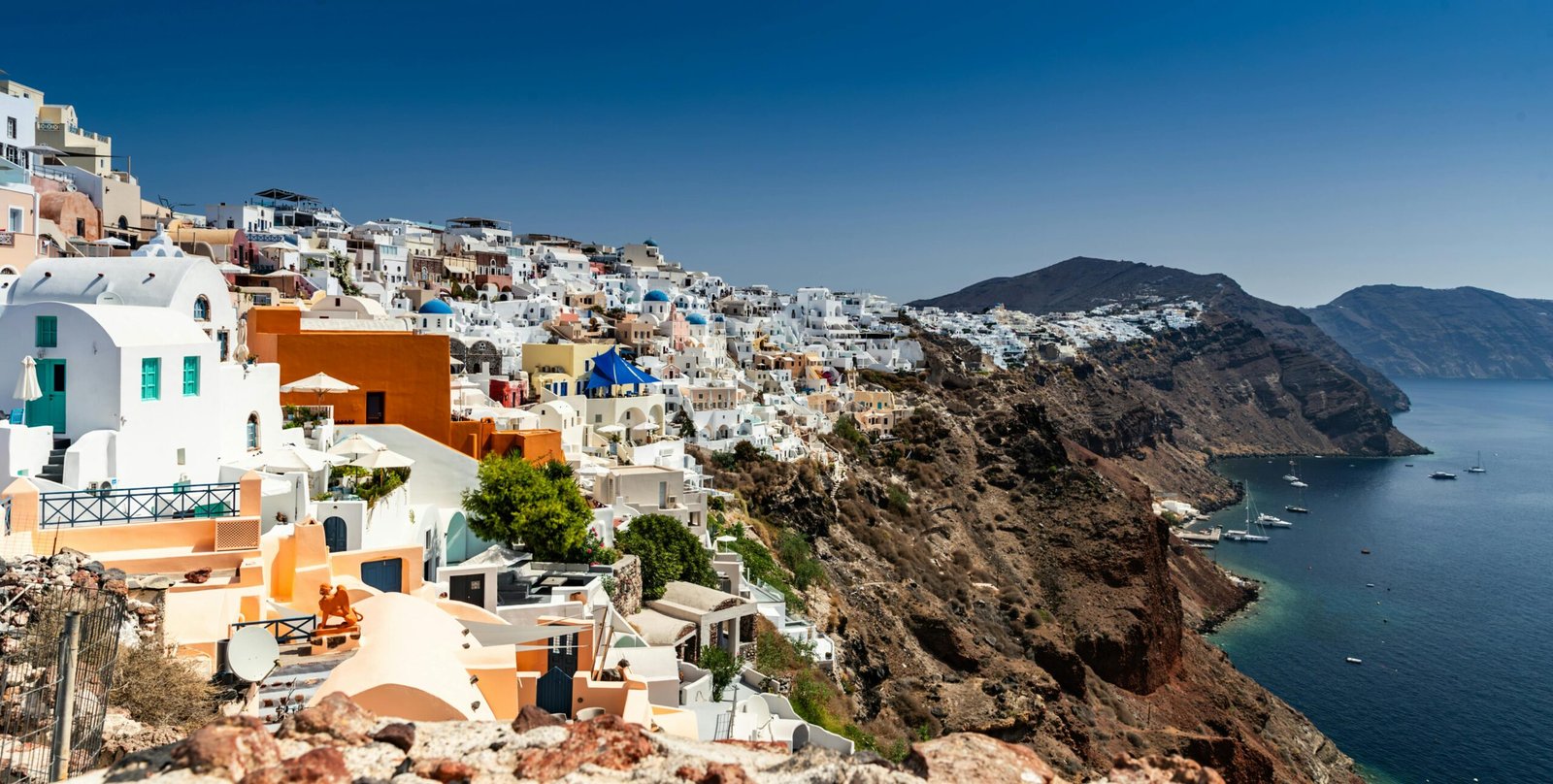
The disappointment usually lands when the view is no longer private. Many travelers think the famous caldera moment will belong to them, even briefly. In peak season, it belongs to everyone else too.
The second hit comes when simple decisions start taking too much energy. Choosing where to sit, when to move, where to eat, and how long to stay in one area becomes a constant negotiation. That is the point where Santorini stops feeling effortless and starts feeling managed.
There is also a quieter moment that people rarely admit: when they realize they have spent more time trying to capture the trip than actually living it. That shift matters because it turns a dream destination into a content-production exercise.
Why peak season makes the emotional gap worse
Peak season does not just add people. It changes the psychology of the island. The more crowded Santorini gets, the more travelers compare their experience to the version they imagined, and the more ordinary friction starts to feel like failure.
Counterintuitively, the issue is often not that Santorini is “too busy” in a generic sense. The real problem is that its visual identity encourages unrealistic expectations of control. People assume that because the island looks composed in photos, visiting it will feel composed too. It usually does not.
If you want a broader sense of how Greece presents itself versus how it functions as a destination, the official national tourism site
Visit Greece is useful as a reference point. It will not tell you what peak-season bottlenecks feel like in real life, but it does remind you that Santorini is only one part of a much larger country with very different travel rhythms.
Traveler types most prone to this pattern
Some travelers are much more likely to leave with that slight letdown. The first group is the “once-in-a-lifetime” traveler, usually on a honeymoon or milestone trip, who expects the destination to justify the emotional stakes they have attached to it. When the experience feels ordinary in any way, the disappointment is disproportionate.
Another vulnerable type is the planner who wants a destination to validate their research. They have read the right articles, saved the right images, and booked the right hotel category. When reality still feels crowded or compromised, they take it personally.
The third group is the comparison traveler. This person has seen Santorini presented as the benchmark for Greek island beauty and assumes it should therefore be the benchmark for the whole trip. The problem is not that Santorini fails them; it is that they arrived expecting it to solve a much bigger emotional need than one island can carry.
- Honeymooners seeking an automatically romantic atmosphere
- First-time Greece visitors who want the “best” island on the first try
- Travelers who rely heavily on photos to predict actual experience
- People who dislike crowds but still choose the most famous place
- Anyone using Santorini as a proxy for “real Greece”
What people do not factor in when they choose Santorini
They underestimate how much of the island’s appeal is visual and how little of it is designed for comfort at scale. Santorini is not built to make every visitor feel privately accommodated. It is built to absorb demand, and those are not the same thing.
They also underestimate how quickly novelty wears off when the setting is crowded. A famous view is still a famous view, but after the first few minutes, people start asking what else the island offers in practice. If the answer is “another view, another queue, another photo stop,” the mood drops fast.
For travelers trying to understand the cultural context of Greece more broadly, institutions like the Acropolis Museum are a better reminder than social media that Greek travel is not built around one visual stereotype. Santorini is a specific kind of destination, not a summary of the country.
How to approach Santorini differently
The better frame is not “How do I make Santorini match the image?” It is “What kind of experience does this island actually deliver well?” That means treating it as a place for selective enjoyment, not as a place that will carry the emotional weight of an entire Greek vacation.
Greece rewards travelers who arrive with a plan, but the plan has to be about fit, not fantasy. If you know you want architecture, caldera views, and a high-end, high-visibility experience, Santorini can make sense. If you want softness, spontaneity, and room to breathe, you are asking the wrong island to do the job.
This is the real reframe behind Why Most First-Timers to Santorini Leave Slightly Disappointed: the island is not disappointing because it is overrated in a vacuum. It is disappointing when travelers use it to satisfy a different emotional need than it was ever likely to meet.
Conclusion
Once you understand the pattern, Santorini becomes easier to place in your Greece trip. It is not the island for travelers who want their expectations quietly confirmed. It is the island for travelers who can separate image from function and decide, honestly, whether that trade-off is worth it.
Greece doesn’t punish inexperience. It punishes unexamined assumptions. The travelers who leave disappointed rarely lacked information — they lacked a framework for using it.
Frequently asked questions
Why do so many first-time visitors feel underwhelmed by Santorini?
Because they arrive expecting a private, effortless version of the island and meet a busy, highly managed destination instead. The gap between the image and the lived experience is what creates the letdown.
Is Santorini disappointing for everyone?
No. Travelers who want caldera views, polished hotels, and a high-visibility experience often leave satisfied. The disappointment is strongest among people who expected calm, space, and spontaneity.
What is the biggest mistake first-timers make with Santorini?
They treat Santorini as the default answer for a Greece trip rather than checking whether it fits their travel style. That is how a famous island becomes the wrong island.
Does peak season make Santorini worse?
Yes, for most first-timers it does. Peak season amplifies crowds, queues, noise, and the feeling that the island is more public than personal.
Who is most likely to regret choosing Santorini?
Honeymooners with very high emotional expectations, travelers who dislike crowds, and people who rely on photos to predict atmosphere are the most prone to disappointment.
How should I think about Santorini before booking?
Treat it as a specific experience, not a universal Greece experience. If you know exactly what it does well, you are much less likely to feel let down.