

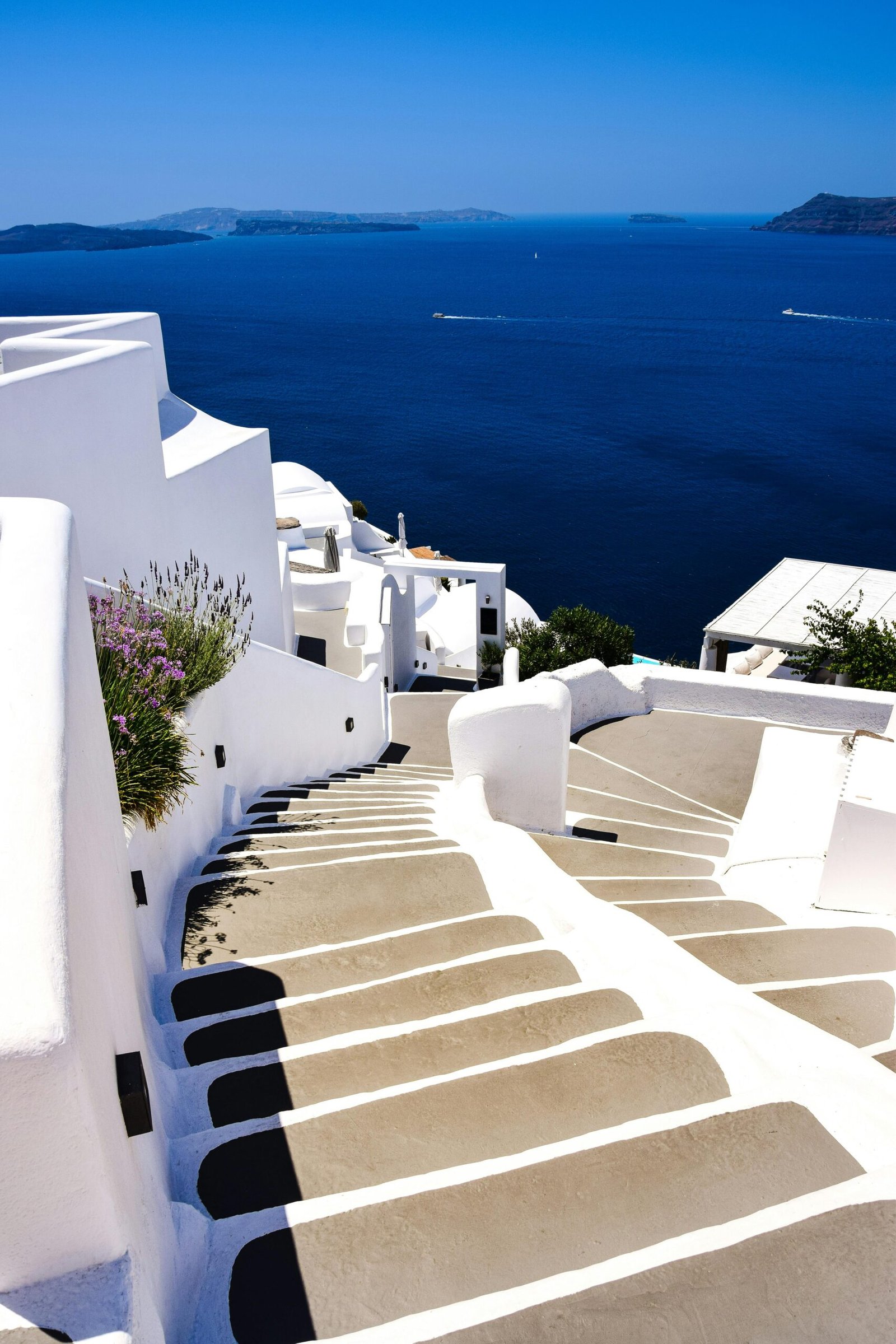
Why Most First-Timers to Santorini Leave Slightly Disappointed is usually not a problem with Santorini itself. It is a problem with the story travelers bring with them: that the island will feel private, effortless, and cinematic from the first hour to the last.
That assumption is powerful because Santorini is one of the most photographed places in Greece, and first-timers often arrive expecting the image to continue in real time. In peak season, it rarely does. What they meet instead is a place under pressure, where the emotional experience is shaped as much by crowds, timing, and fatigue as by the view everyone came for.
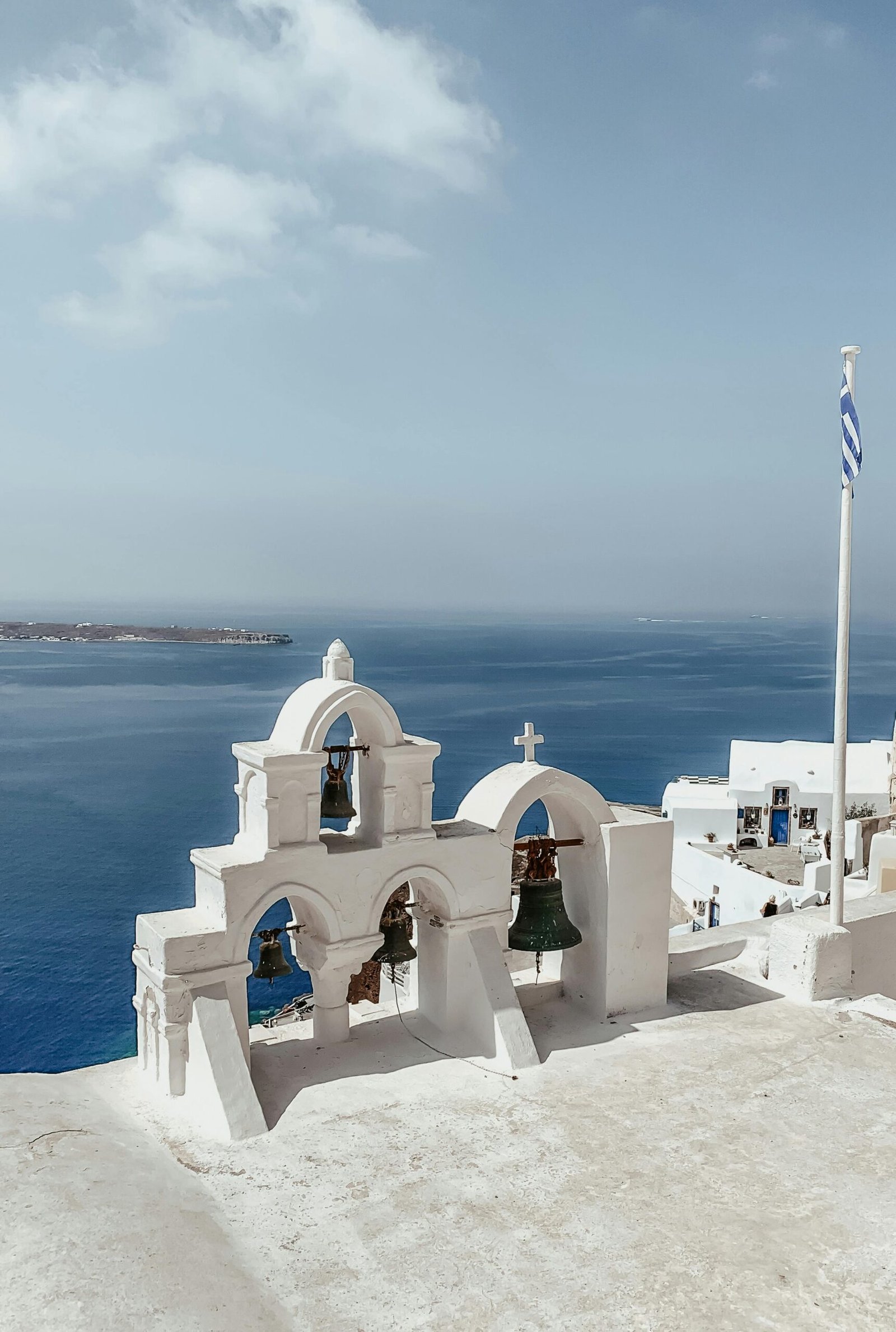
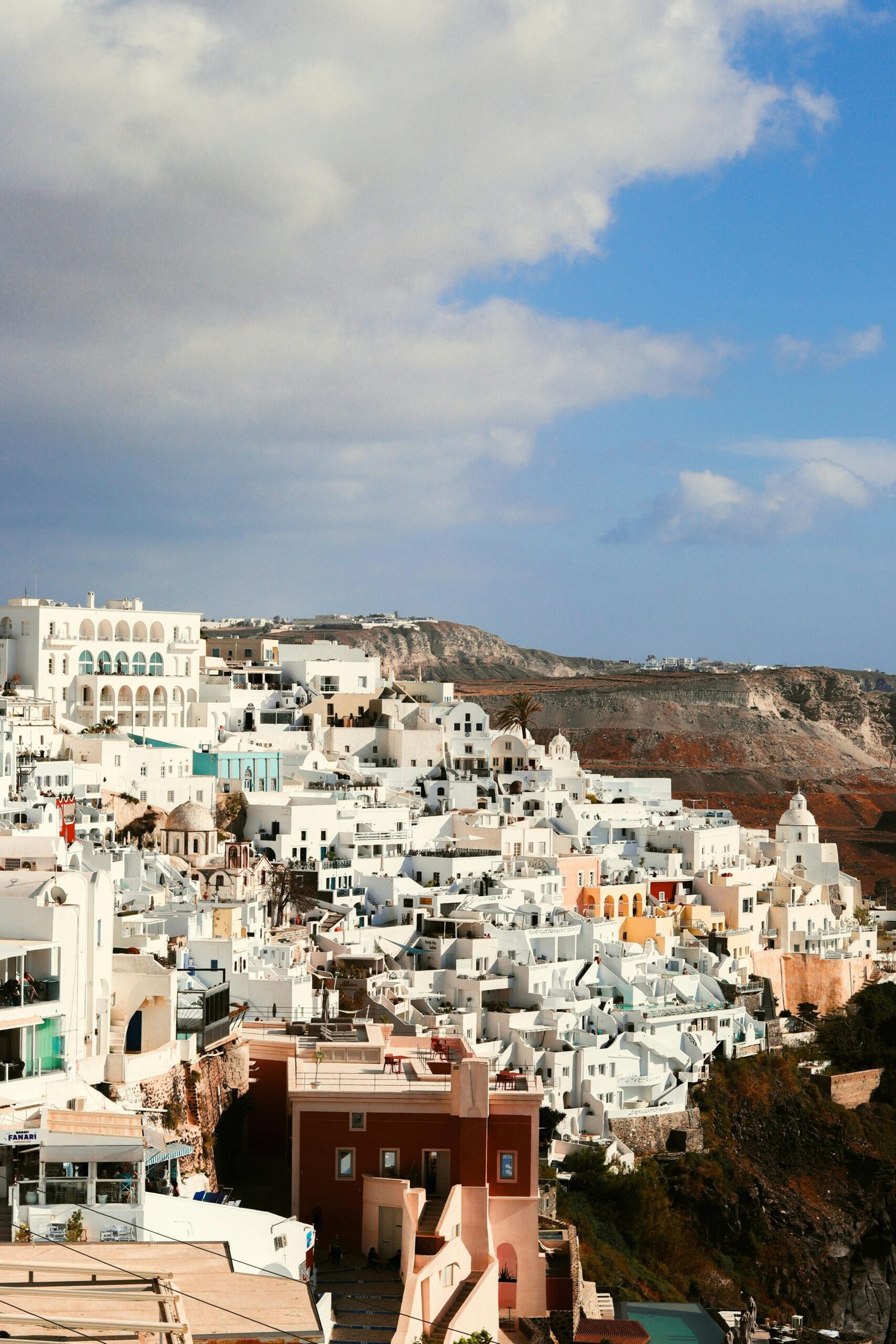
Why Most First-Timers to Santorini Leave Slightly Disappointed
The real pattern behind Why Most First-Timers to Santorini Leave Slightly Disappointed
The pattern is simple: people confuse recognition with satisfaction. They have seen Santorini so many times in photos that they arrive feeling as if they already know it, and that familiarity creates a dangerous expectation of instant payoff. When a destination has been mentally pre-consumed, the real place has very little room left to impress.
That is why Why Most First-Timers to Santorini Leave Slightly Disappointed is not really a complaint about the island. It is a complaint about the emotional gap between anticipation and experience. Travelers are not just buying a trip; they are buying the feeling they think the trip will deliver.
Why travelers choose Santorini anyway
People choose Santorini because it feels like a safe decision. It is famous, easy to explain to friends, and loaded with social proof. For many first-timers, that matters more than originality, because the real fear is not missing out — it is choosing wrong and being blamed for it later.
There is also a status element that people rarely admit out loud. Santorini signals that you have done Greece “properly,” even when the choice is driven by anxiety rather than taste. That is why so many travelers who are perfectly capable of enjoying quieter Greek islands still default to Santorini first.
Greece rewards travelers who arrive with a plan, but Santorini punishes travelers who arrive with a fantasy. The island is not built to absorb vague expectations. It is built to be experienced with clear priorities, or it will feel like a lot of effort for a limited emotional return.
The image-versus-reality gap in peak season
The image says: clean lines, open space, calm viewing, long dinners, and a sense that every moment will feel composed. The reality in peak season is tighter, louder, and more crowded than most first-timers expect. Even the people who know better still get surprised by how much friction can sit between them and the thing they came to see.
What gets underestimated is not just the number of visitors. It is the cumulative effect of waiting, heat, noise, and constant negotiation for attention. A place that looks serene in photos can feel mentally busy when you are sharing it with far more people than your imagination had allowed for.
One counterintuitive truth: many travelers are not disappointed because Santorini is overhyped. They are disappointed because they are too committed to the original image to notice what the island is actually offering in front of them. They keep measuring the day against a postcard instead of asking whether the experience itself is good.
The moment the disappointment usually hits
It usually hits when the traveler realizes the island is not arranging itself around their arrival. That moment can come in the first crowded viewpoint, during a slow and expensive dinner with a view that feels less exclusive than expected, or when the day’s energy has already been spent before the sunset even begins.
This is the point where the emotional math changes. The traveler starts asking whether the trip is worth the cost, the effort, and the hype, and that question is often less about money than about unmet expectation. The disappointment is not dramatic; it is quieter than that, which is why people often leave Santorini saying they “liked it, but…”
Who is most prone to this mistake
First-time honeymooners are especially vulnerable because they arrive under pressure to have the trip feel exceptional. When a destination has been framed as romantic in advance, any inconvenience feels bigger than it should. That is why Santorini can be a poor emotional fit for couples who want privacy to feel effortless.
Social-media-led travelers are another predictable group. They are often not chasing the island itself; they are chasing a sequence of moments they have already seen online. When the day does not reproduce those moments on cue, the gap feels personal, even though it is really just the difference between a curated image and a crowded place.
There is also a type of traveler who wants Greece to validate a very specific idea of luxury. They are not wrong to want comfort, but they often mistake visibility for exclusivity. Santorini can be expensive without feeling refined, and that is a hard lesson for travelers who assume price alone guarantees atmosphere.
- Travelers seeking privacy but booking peak season anyway
- Couples expecting a seamless honeymoon setting
- Photo-driven visitors who want the island to match the feed
- Luxury travelers who equate high prices with low friction
What people miss about Santorini’s emotional reality
Santorini is not disappointing because it lacks beauty. It disappoints when travelers expect beauty to do all the work. In peak season, the island asks for patience, selectivity, and a tolerance for inconvenience that many first-timers have not built into their mental budget.
The emotional reality is that Santorini is more intense than restful. For some people, that intensity is part of the appeal. For others, especially those who came looking for ease, it creates a low-grade sense of being slightly out of sync with the place.
If you want a useful comparison, think less about “dream destination” and more about “high-demand destination.” That framing is more honest, and honesty is what keeps a first visit from turning into a soft disappointment. For more context on how Greece’s most famous places are experienced in real life, the official tourism resource at
Visit Greece is a better starting point than social media.
How to approach Santorini differently
The better way to approach Santorini is to decide what you actually want from it before you book. If you want visual drama and a famous Greek island experience, Santorini can deliver that. If you want quiet, value, and a feeling of discovery, this is not the island to force into that role.
That reframe matters because it changes the emotional stakes. You stop asking the island to be everything, and you start asking whether it is the right fit for your trip style. That is the difference between a trip that feels underwhelming and one that feels deliberately chosen.
If you are the kind of traveler who wants to understand the country beyond the headline destinations, use Santorini as one part of a larger Greece picture, not the whole thing. The more you understand Greek context, the less likely you are to project a fantasy onto one island. The cultural background available through Greece’s Ministry of Culture is a useful reminder that the country is much broader than its most famous postcard.
Conclusion
Why Most First-Timers to Santorini Leave Slightly Disappointed is really a lesson in expectation management. The island is famous for a reason, but fame creates its own trap: travelers arrive ready to confirm an image, and real places are never obliged to behave like images.
Approach Santorini as a high-demand, high-visibility destination with real trade-offs, not as a guaranteed emotional payoff, and the experience changes immediately. You will still notice the crowds, the cost, and the pressure, but you will stop treating them as evidence that the island failed you.
Greece doesn’t punish inexperience. It punishes unexamined assumptions. The travelers who leave disappointed rarely lacked information — they lacked a framework for using it.
Frequently asked questions
Is Santorini actually disappointing for first-time visitors?
Not for everyone. The disappointment usually comes from expecting the island to feel private, calm, and effortless in peak season. If you understand what kind of place it is, the experience is much more satisfying.
Why do so many people still choose Santorini as their first Greek island?
Because it feels like the safest famous choice. People trust the name, the photos, and the social proof, even when those things do not match their actual travel style.
What is the biggest mistake first-timers make in Santorini?
They assume the island will feel like the image they have seen online. That assumption causes the biggest disappointment when crowds, heat, and pace interrupt the fantasy.
Is peak season the reason Santorini feels underwhelming?
Peak season amplifies the problem, but it is not the only reason. The real issue is the mismatch between what travelers imagine and what a high-demand island can realistically deliver.
Who is most likely to leave Santorini disappointed?
Travelers seeking privacy, honeymooners under pressure to have a perfect trip, and people who want social-media scenes to play out in real life are the most vulnerable to disappointment.
How should I think about Santorini before booking?
Treat it as a famous, high-traffic destination with strong visual appeal and real trade-offs. If you want quiet, ease, or value, do not force Santorini to be that place.
Does this mean Santorini is not worth visiting?
No. It means Santorini is worth visiting for the right reasons and at the right time. The mistake is expecting it to solve a problem of imagination, not travel.