

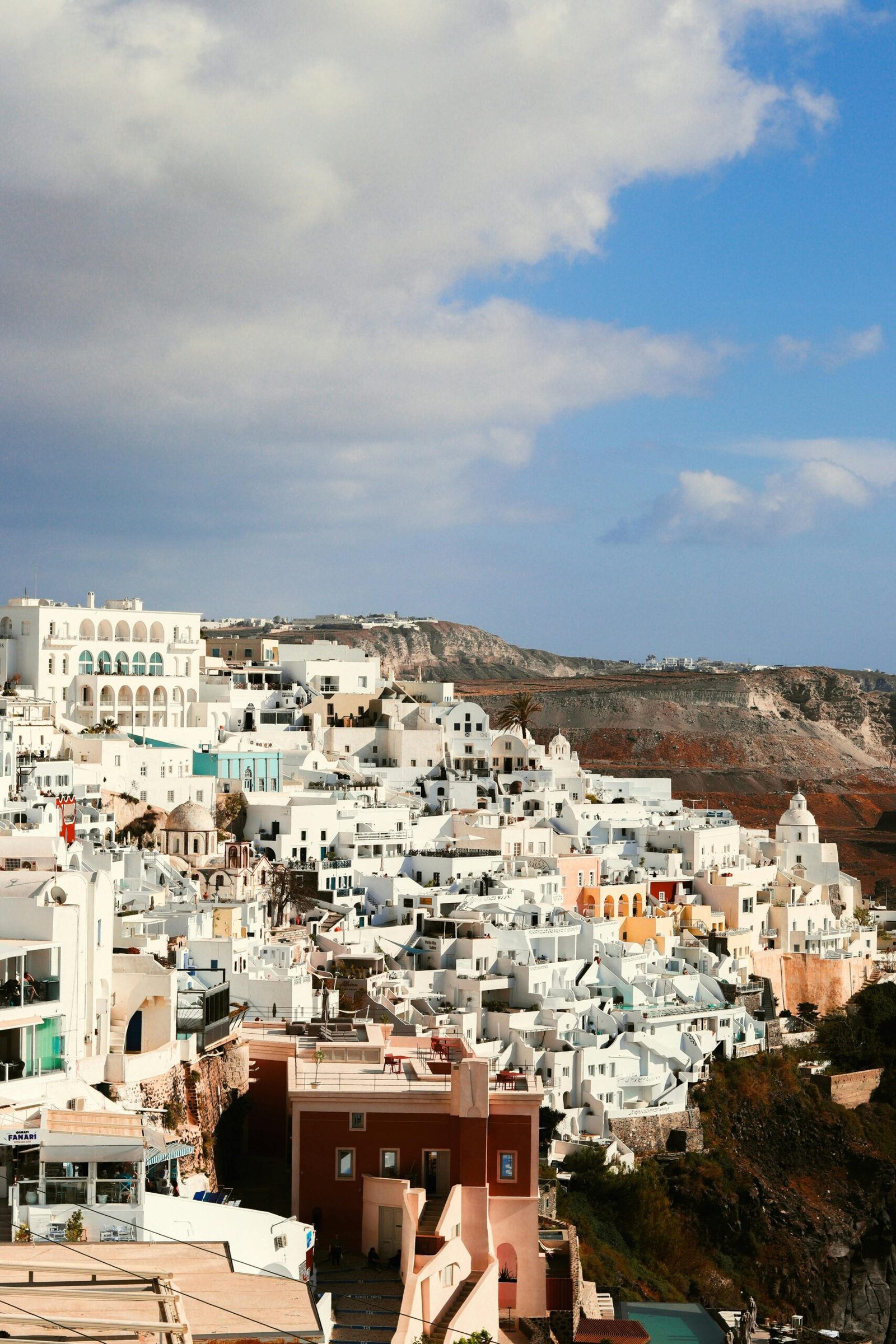
Why Most First-Timers to Santorini Leave Slightly Disappointed starts with one simple mistake: people arrive expecting the island to behave like its photos. They are not really choosing Santorini; they are choosing the version of Santorini they have seen repeated online, in wedding feeds, and in glossy travel lists.
That gap matters because disappointment in Santorini is rarely about the island being bad. It is usually about timing, crowd tolerance, and the emotional script travelers bring with them. Once you understand that, the pattern becomes obvious.
Why Most First-Timers to Santorini Leave Slightly Disappointed
Most first-time visitors do not misjudge Santorini because they are naive. They misjudge it because they are making an emotional purchase, not a practical one. They want the island to confirm an idea they already have about romance, ease, and status.
That is why Why Most First-Timers to Santorini Leave Slightly Disappointed is such a persistent pattern. The problem is not lack of taste. It is the assumption that a place built into a global image will still feel personal, quiet, and effortless when everyone else is there at the same time.
The real reason Why Most First-Timers to Santorini Leave Slightly Disappointed
People choose Santorini because they want certainty. They want a trip that feels recognizable before they even land: white walls, blue domes, sunset views, a clean visual story. That is emotionally comforting, especially for travelers who do not want to gamble on a first Greece trip.
The catch is that certainty attracts everyone else. In peak season, Santorini stops feeling like a private reward and starts feeling like a shared performance. The island is still beautiful, but the visitor experience becomes more crowded, more scheduled, and more expensive than the fantasy suggests.
The most common mistake is not choosing Santorini. It is choosing Santorini for the wrong reason: to feel that the trip will be simple because the destination is already famous. Famous places are rarely simple. They are processed, compressed, and sold with their hardest edges removed.
The emotional gap: what travelers expect vs what they actually get
Travelers expect a place that delivers instant satisfaction. They imagine slow breakfasts, open views, and a sense that every corner will justify the cost. What they actually encounter in peak season is congestion, hard reservations, inflated prices, and a lot of time spent navigating around other people who had the same idea.
That gap creates a specific emotional reaction: not anger, usually, but a quiet sense of being overcharged by the experience itself. The island has not failed. The traveler has simply paid premium rates for a version of privacy and ease that was never realistically available in the busiest months.
Here is the surprising part: many first-timers are not disappointed by the crowds alone. They are disappointed because the crowds expose how much of their excitement depended on being able to imagine the island as theirs. Once that illusion breaks, even a very good meal or a strong view can feel slightly underwhelming.
The moment the disappointment usually hits
It usually hits after arrival, not before. The booking process still feels exciting, and the first glimpse of the caldera often confirms the fantasy. Then the practical reality arrives: lines, noise, heat, price shock, and the sense that every good viewpoint is already being used by someone else.
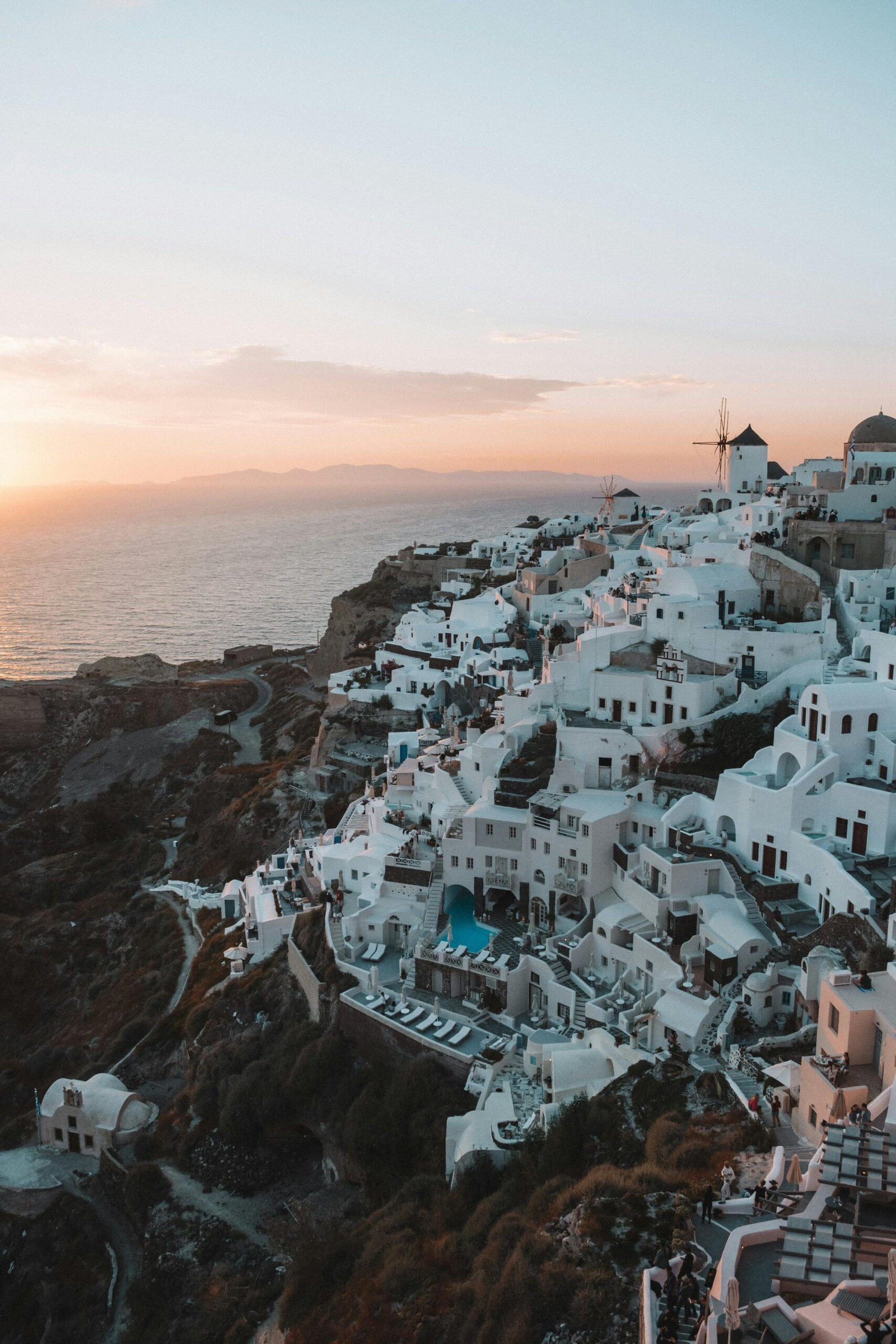
The exact moment varies, but it is often the first evening at sunset. Travelers expect a clean emotional payoff and instead find themselves managing space, timing, and other people’s expectations. That is when Why Most First-Timers to Santorini Leave Slightly Disappointed becomes less of a theory and more of a feeling.
Some visitors also hit the wall when they realize how much of Santorini is optimized for short-stay consumption. The island is excellent at creating a strong first impression. It is less generous when you want room to breathe, wander, and let the place unfold at its own pace.
Who is most prone to this pattern
There are clear traveler types who are more vulnerable to this letdown. The first is the once-in-a-lifetime romantic traveler, especially couples who have built the trip around a proposal, anniversary, or honeymoon. They are often the most emotionally invested and the least willing to admit that the setting is more crowded and commercial than they expected.
The second is the efficiency-minded traveler who assumes a famous island should be easy because it is famous. These travelers dislike friction and often interpret normal peak-season pressure as poor design. Santorini frustrates them because it is not built for low-friction spontaneity in the busiest months.
- Travelers chasing a single iconic image
- Couples treating the trip like a relationship milestone
- First-timers who only researched photos, not seasonality
- People who dislike crowds but still book the most crowded months
The third type is the status-driven planner. They want the destination because it signals taste, success, and discernment. That is a fragile way to travel anywhere, and Santorini exposes it fast because the island is so heavily photographed that the social value of being there is already baked into the price.
What peak season changes in a way people underestimate
Peak season does not just add more people. It changes the tone of the island. Service feels more transactional, popular areas feel more compressed, and even simple decisions carry more friction than travelers expect. The island is still functioning, but it is functioning under load.
This is where many first-timers make a bad emotional read. They think they are seeing Santorini at its best because the weather is ideal and everything is open. In practice, peak season often gives you the most polished version of the island and the least generous one at the same time.
That is why I take a clear position: if your main goal is relaxation, peak-season Santorini is a weak choice for a first Greece trip. It can still be worth it, but only if you accept that you are paying for a famous, high-demand experience, not a calm one.
How to approach Santorini differently
The better approach is not to lower your standards. It is to change the question. Stop asking whether Santorini will live up to the image and ask what kind of experience the island is actually built to deliver. That shift alone prevents a lot of disappointment.
Greece rewards travelers who arrive with a plan, but Santorini punishes the wrong plan more than most places. If you want quiet, space, and a sense of discovery, you need to be honest about whether this island is the right first stop or the right season at all. If you want the iconic view and can tolerate the pressure around it, then you are making an informed choice instead of a hopeful one.
For broader context on Greek travel expectations and destination planning,
Visit Greece is a useful starting point, but the real work is understanding your own tolerance for crowding, cost, and performance-heavy travel. Santorini is not difficult to enjoy. It is difficult to enjoy for the wrong reasons.
The travelers who leave satisfied usually do one thing differently: they stop asking Santorini to be private, quiet, and effortless in the busiest months. They accept the island as a high-demand destination with real trade-offs, then decide if that trade is worth making.
If you want a first Greece trip that feels less compressed, it is also worth looking at the cultural context of the country more broadly through sources like the Hellenic Ministry of Culture. Santorini is only one version of Greece, and not always the most forgiving one for a first-time emotional expectation.
Conclusion
Why Most First-Timers to Santorini Leave Slightly Disappointed is not really about Santorini failing to deliver. It is about travelers arriving with an emotional script that the island was never designed to satisfy in peak season. Once you see that clearly, the disappointment stops looking mysterious and starts looking predictable.
Greece doesn’t punish inexperience. It punishes unexamined assumptions. The travelers who leave disappointed rarely lacked information — they lacked a framework for using it.
Frequently asked questions
Why do first-time visitors to Santorini often feel let down?
Because they expect the island to feel private, calm, and effortless in peak season. Santorini is beautiful, but it is also heavily visited, expensive, and highly managed during the busiest months.
Is Santorini still worth visiting for a first trip to Greece?
Yes, if you understand what you are choosing. It is worth visiting for the iconic views and the high-demand experience, not for quiet, low-friction travel.
What is the most common mistake first-timers make in Santorini?
They book the island for the image rather than the experience. That usually means underestimating crowds, cost, and how much peak season changes the atmosphere.
Who is most likely to be disappointed by Santorini?
Romantic travelers, status-driven travelers, and people who dislike crowds but still choose peak season are the most vulnerable to disappointment.
Does Santorini feel better outside peak season?
For many travelers, yes. The island is easier to absorb when the pressure is lower and the experience feels less compressed.
What should travelers ask themselves before booking Santorini?
Ask whether you want an iconic, high-demand destination or a quiet, easy first Greece experience. Those are not the same thing.