

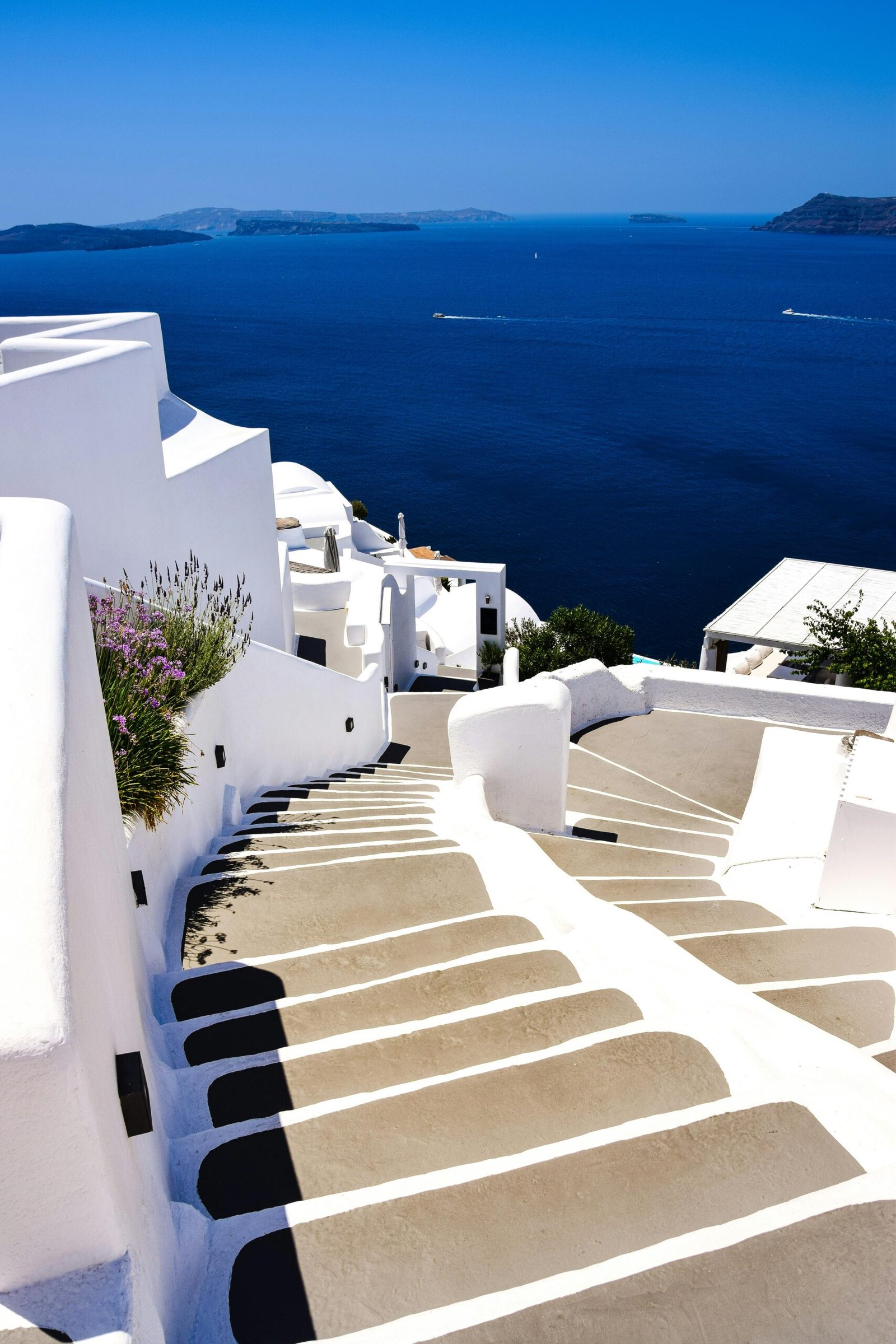
Why Santorini in Peak Season Is Not the Santorini People Picture is simple: the island is still beautiful, but in July and August it becomes a high-pressure destination where timing, location, and expectations matter more than almost anywhere else in Greece. If you arrive expecting quiet romance by default, you are setting yourself up for frustration.
The peak-season version of Santorini is crowded, expensive, and operationally unforgiving. That does not make it a bad choice, but it does mean the trip only works well for travelers who understand the trade-offs before they book.
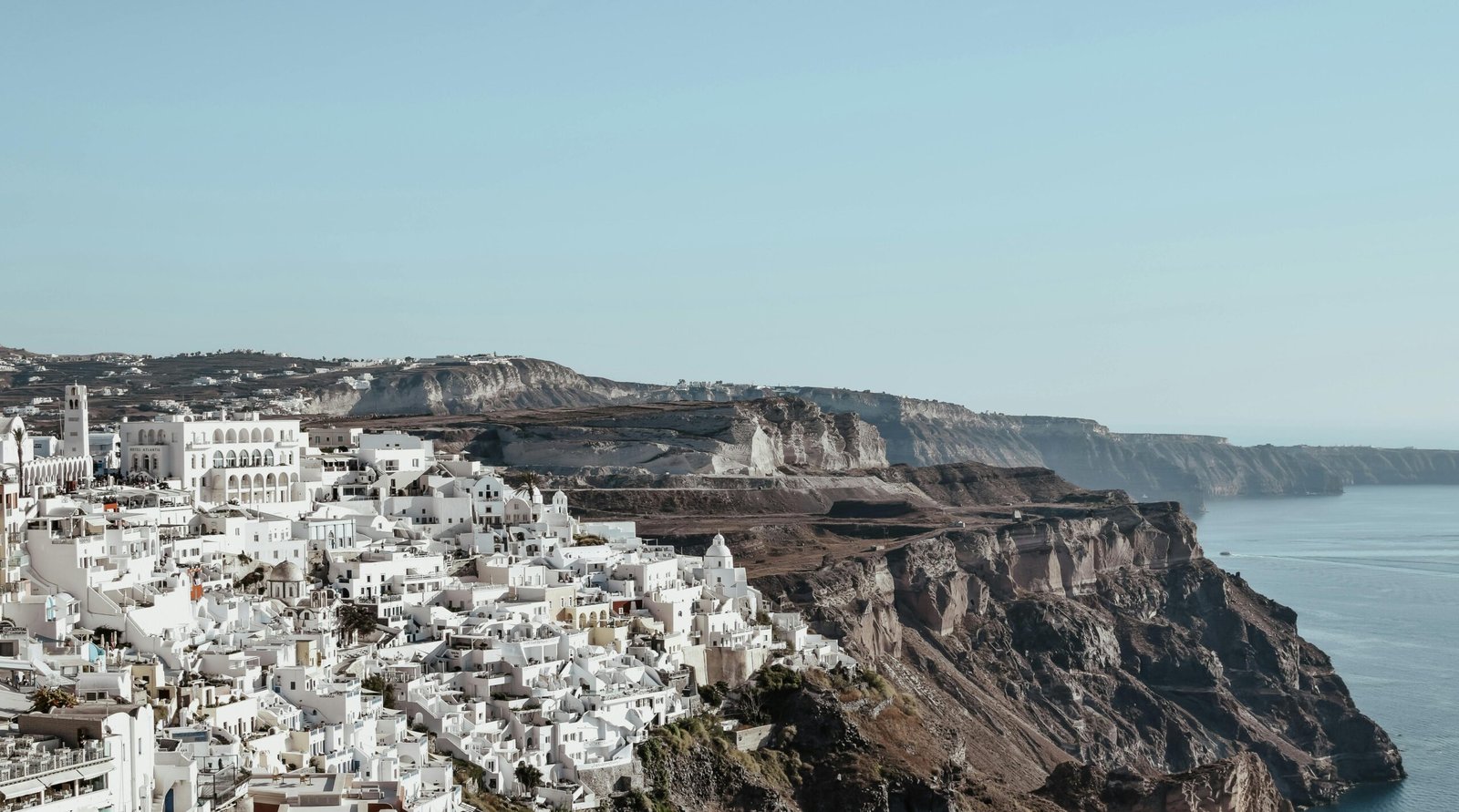
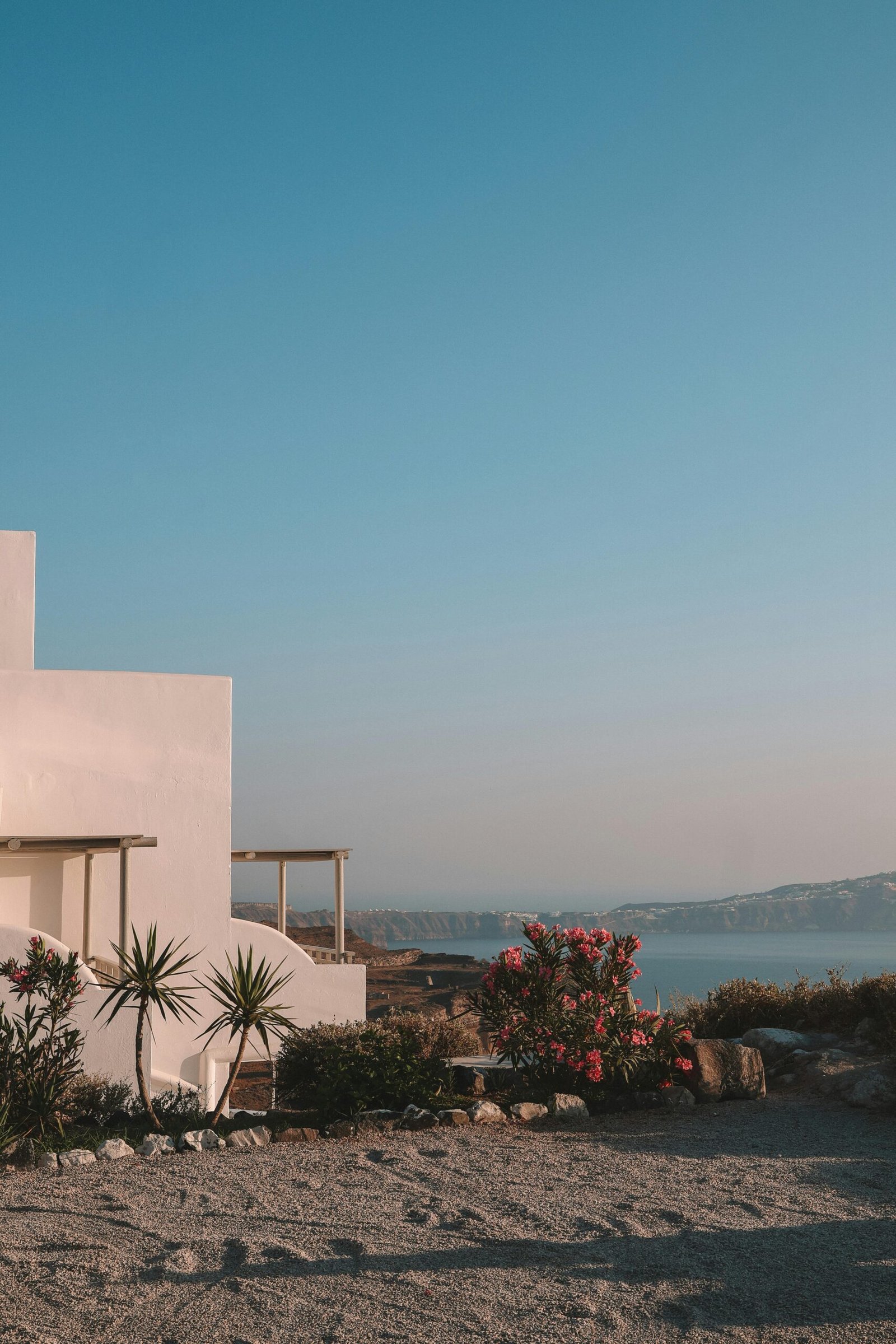
Why Santorini in Peak Season Is Not the Santorini People Picture
Why Santorini in Peak Season Is Not the Santorini People Picture is not a complaint about the island. It is a warning about mismatch. The island’s reputation is built on calm terraces, open views, and slow evenings, yet peak season turns many of those same places into bottlenecks where the experience is shaped by crowds, heat, and constant movement.
Most travelers assume Santorini is naturally romantic. Actually, romance there is often engineered through careful choices: where you stay, when you move, and what you are willing to pay to avoid friction. If you choose badly, you spend money to stand in lines, overpay for mediocre rooms, and lose the very atmosphere you came for.
Why Santorini in Peak Season Is Not the Santorini People Picture: the real problem is pressure, not beauty
The island does not stop being attractive in peak season. It becomes more demanding. The most expensive mistake is assuming that a famous view guarantees a good stay, when the daily reality may be noise, congestion, and a constant sense that you need to do everything at the same time as everyone else.
This is where many first-time visitors get it wrong: they chase the postcard image and ignore the operating conditions. In peak season, a terrace with a view can still feel cramped, a famous village can feel overrun, and a short walk can turn into a slow shuffle through crowds. Why Santorini in Peak Season Is Not the Santorini People Picture is exactly this gap between image and lived experience.
For travelers who want a relaxed island rhythm, Santorini in peak season is often the wrong choice. For travelers who value status, scenery, and are comfortable paying to control the experience, it can still work. That is the honest split.
When to choose Santorini in peak season, and when to skip it
Choose it if you want the classic caldera setting, are staying long enough to absorb the pace, and can accept that the island is performing under heavy demand. That means you are not expecting privacy as a default, and you are not treating every famous corner as if it were yours alone. Santorini can still deliver a strong trip for travelers who plan around its constraints.
Skip it if your priority is calm, easy movement, lower prices, or a sense of discovery. Peak-season Santorini is a poor fit for travelers who dislike queues, dislike crowds in narrow public spaces, or expect a spontaneous, low-stress island holiday. It is also a weak value proposition for anyone who thinks a premium price should guarantee a premium atmosphere.
Greece rewards travelers who arrive with a plan, and Santorini punishes those who assume the island will do the work for them. That is especially true in peak season, when the difference between a good stay and a frustrating one is often just a matter of choosing the right base and accepting the island’s tempo.
Most travelers assume X, but actually Y
Most travelers assume Santorini in peak season means nonstop romance. Actually, it often means crowds, heat, and a lot of shared space. The romance is still there, but it is conditional, not automatic.
Most travelers assume the famous views will carry the trip. Actually, views are only part of the equation. If your room is noisy, your schedule is rushed, or you are constantly moving through packed areas, the view becomes a backdrop rather than the center of the experience.
This is the counterintuitive part: Santorini can feel more stressful for travelers who spend the most money. That is because premium pricing can create higher expectations, and peak season gives you less room for error. A bad-value stay in a famous place feels worse than a simple stay in a quieter one.
Trade-off matrix: who gets the best version of Santorini
The peak-season experience changes sharply by traveler type. Some people are well matched to it; others are not. The wrong fit is where disappointment starts.
- Couples on a once-in-a-lifetime trip: Good fit if they are willing to pay for location and accept crowds as the cost of the setting.
- Luxury travelers: Good fit only if they are selective about privacy and service; otherwise they will notice the friction immediately.
- Budget travelers: Poor fit; the island is expensive enough in peak season that compromise becomes constant.
- Families: Mixed fit; manageable if expectations are practical, but the island is not naturally easy for relaxed family movement.
- Photographers and content-focused travelers: Strong fit if they can work around timing and crowds, weak fit if they expect empty frames.
- Slow travelers: Weak fit in peak season because the island’s pace is too compressed for what they want.
Season matters just as much as traveler type. In shoulder season, Santorini can feel composed and breathable. In peak season, the same places can feel like a queue with a view. That change is not subtle.
What goes wrong when travelers misread the island
The most common failure is booking Santorini for the image and then reacting badly to the reality. Travelers pay premium rates, then discover that the experience still requires patience, discretion, and a tolerance for shared space. That disappointment is avoidable, but only if you stop assuming the island is designed for ease.
Another frequent problem is overcommitting the day. People try to pack in too much because they are worried about missing the famous moments. The result is a rushed, overheated, expensive stay where the island feels more like a checklist than a place. In peak season, less movement usually produces a better trip.
If you want an official starting point for understanding the island’s broader visitor profile and seasonal context,
Visit Greece is useful for baseline planning, but it will not tell you what the island feels like when it is crowded. That gap is exactly why real expectations matter.
Clear guidance for the most common traveler scenarios
If you are a first-time visitor chasing the classic Santorini experience, go only if you are comfortable paying for comfort and not just for a view. If you are a couple celebrating something important, Santorini can still make sense, but only if you treat privacy as something you buy, not something the island gives you automatically.
If you are traveling with a tight budget, choose another island unless Santorini is non-negotiable. If you are a seasoned Greece traveler who understands peak-season friction, you may enjoy it more because you know how to read the island and avoid the worst pressure points. That experience matters more here than in many other destinations.
If you care about cultural context as much as scenery, pair your expectations with a broader understanding of Greece rather than treating Santorini as a standalone fantasy. The best travelers do not just chase a famous view; they understand the place they are paying for. For that broader context, the Greek Ministry of Culture is a better reference point than social media.
Why Santorini in Peak Season Is Not the Santorini People Picture is, at bottom, a test of realism. If you want the island at its most composed, go outside peak season. If you must go in peak season, go with open eyes and a willingness to trade convenience for the name on the booking.
The right answer depends on how you actually travel — your pace, your priorities, and what you’re willing to trade off. If you’re not sure which option fits, that uncertainty is itself useful information.
Frequently asked questions
Is Santorini worth visiting in peak season?
Yes, but only for travelers who accept crowds, higher prices, and a more managed experience. If you want calm and easy movement, peak season is usually the wrong time.
Why does Santorini feel so different in summer?
Because demand overwhelms the island’s narrow public spaces and premium viewpoints. The island does not become less attractive; it becomes more compressed and less forgiving.
Is Santorini still romantic in peak season?
It can be, but romance is no longer the default setting. You have to create it through timing, location, and spending, not just by showing up.
Who should avoid Santorini in July and August?
Budget travelers, slow travelers, and anyone who dislikes crowds or heat should think carefully before booking. Those travelers usually get a better trip elsewhere or in a different season.
What is the biggest mistake people make with Santorini?
They book for the postcard image and ignore the operating reality. That leads to overpaying for a crowded, rushed stay that feels nothing like the expectation.
Is there a better time to go if I want the Santorini people picture?
Yes. Shoulder season is usually the better fit for travelers who want a calmer, more balanced version of the island.