

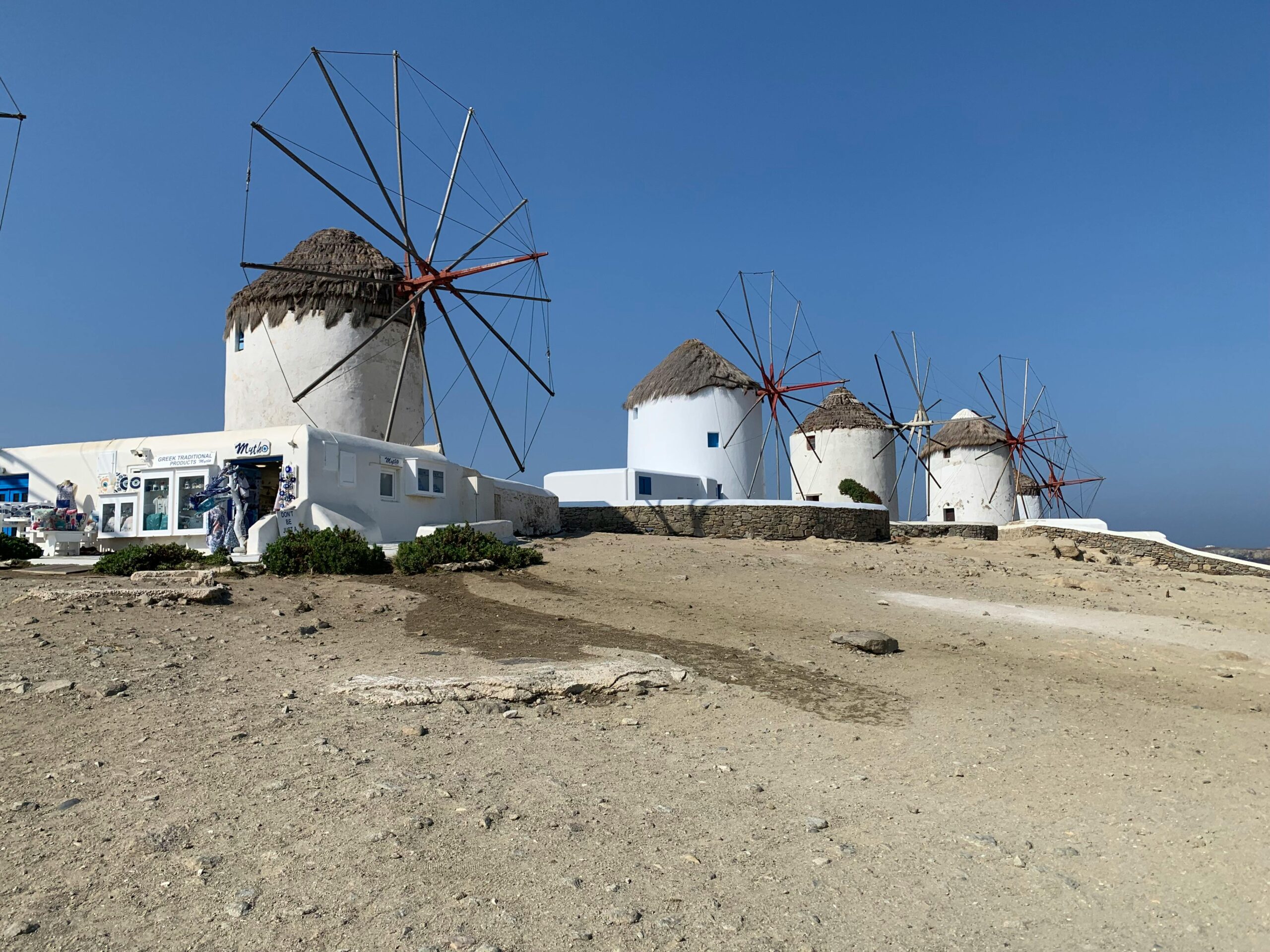
Why Mykonos Is Easier to Book Than to Actually Enjoy because the island is built for fast decisions, premium pricing, and a very specific kind of visitor flow. The problem is not that Mykonos is bad; the problem is that many travelers book it for the idea of Mykonos, then arrive expecting a broader, easier island experience than it actually offers.
If you want polished beach clubs, nightlife, and a place where everything is set up to spend money quickly, Mykonos can work very well. If you want a relaxed Greek island with low-friction days and a sense of value, this is where expectations usually break.
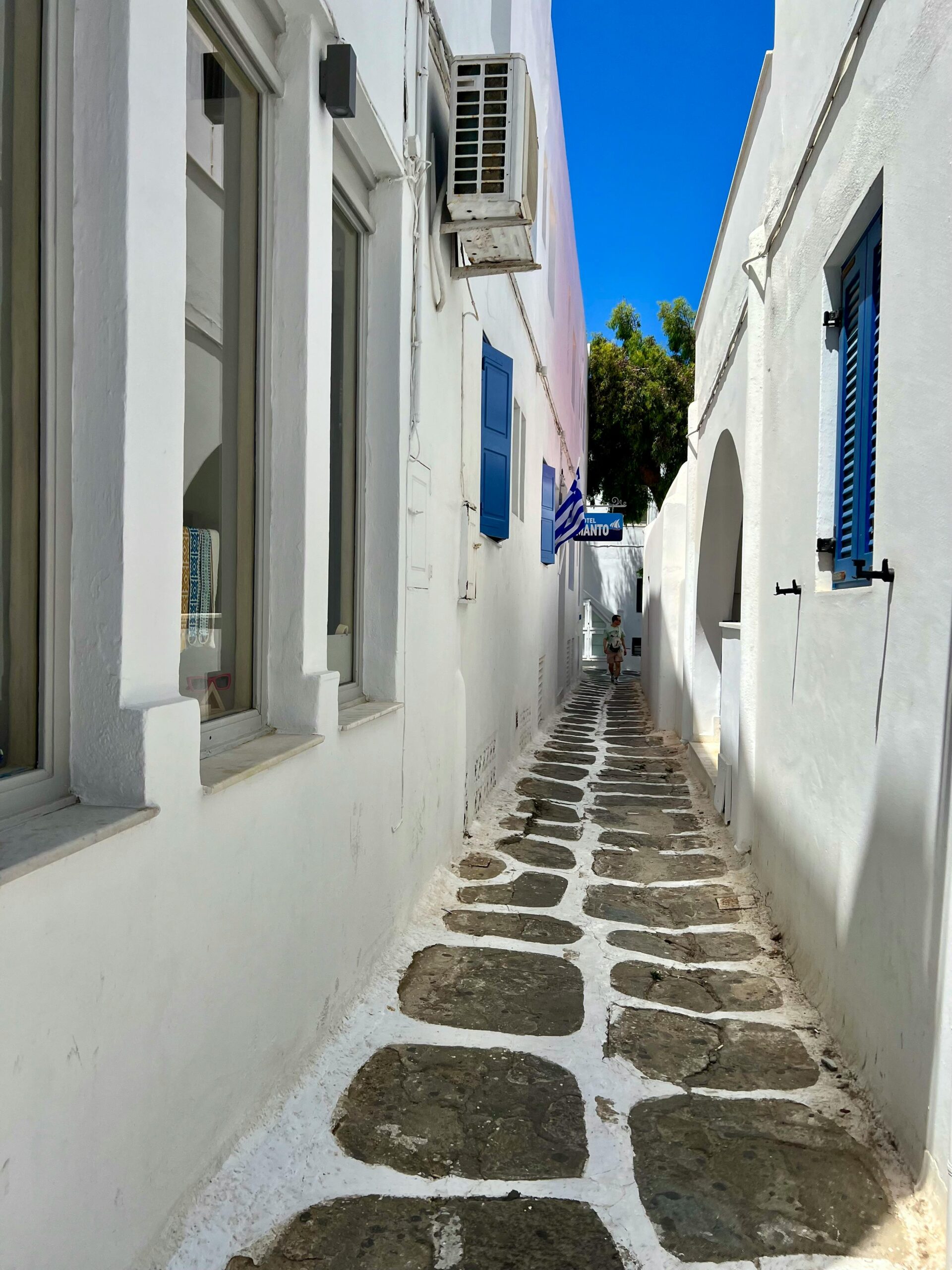

Why Mykonos Is Easier to Book Than to Actually Enjoy
Why Mykonos Is Easier to Book Than to Actually Enjoy is one of the clearest cases in Greece where availability and livability are not the same thing. You can reserve the room, the table, the beach bed, and the transfer with very little trouble. The challenge starts when you realize the island’s pace is designed around high spend, high turnover, and a social scene that is not universally enjoyable.
Most travelers assume Mykonos is simply an upscale Greek island with better beaches and better service. Actually, it is a tightly packaged destination with a strong nightlife economy, heavy seasonal pricing, and a lot of pressure to consume in specific ways. If that is your style, fine. If not, the island can feel expensive, crowded, and oddly transactional.
Why Mykonos Is Easier to Book Than to Actually Enjoy: the real mismatch
The booking process is straightforward because Mykonos is built for demand. Hotels know exactly how to sell the island, restaurants know how to turn tables, and beach venues know how to monetize a day. That efficiency is part of the appeal, but it also means your experience is often shaped by commercial rhythm more than by island atmosphere.
What travelers underestimate is the amount of energy Mykonos asks from you. This is not a place where you drift through long, low-cost days and feel like you are getting good value from every hour. It is a place where decisions happen quickly, prices climb fast, and the social scene becomes the main event whether you wanted that or not.
My position is simple: if your ideal Greek island holiday depends on calm, flexibility, and reasonable daily spend, Mykonos is the wrong choice more often than it is the right one. If you want a controlled, high-service, high-social environment and you accept the cost, then it can be worth it. That distinction matters more than any glossy description.
When Mykonos works, and when it does not
Mykonos works for travelers who already know they want a scene. That includes people who value beach clubs, late dinners, designer retail, and a destination that feels organized around visibility and status. It also works for short stays where the goal is to sample the island rather than live in it.
Mykonos does not work well for travelers who want easy authenticity, broad value, or a quiet island rhythm. Families often find the pricing hard to justify unless they are very deliberate about where they stay and what they do. Couples looking for a romantic Greek island can enjoy it, but many are surprised by how much of the island feels performative rather than intimate.
For context, if you are comparing it with other Greek destinations, use official sources for cultural and destination planning rather than social-media assumptions. Start with
Visit Greece for the broad picture, then decide whether the island’s actual offer matches your travel style.
Trade-off matrix: traveler type, season, and style
The biggest mistake is treating Mykonos as one product. It changes a lot depending on who you are, when you go, and how you like to travel. A solo traveler in peak season is experiencing a very different island from a couple visiting in shoulder season, and the cost difference is only part of that story.
- Nightlife-focused travelers: Best fit. You are paying for access, convenience, and a scene that operates at a high tempo.
- Couples seeking calm: Mixed fit. You can find comfort, but the island rarely feels low-key for long.
- Families: Usually a poor value unless the trip is tightly planned and the budget is strong.
- Luxury travelers: Strong fit if you want service and are comfortable with premium pricing.
- Budget travelers: Weak fit. Costs stack up quickly and the island punishes casual spending.
Season changes the equation even more. In peak summer, Mykonos becomes more expensive, more crowded, and less forgiving. In shoulder season, it is easier to enjoy because the pressure eases, but the island also feels less like the famous version people booked in the first place. That is the trade-off most travelers miss.
What most travelers assume, but actually find
Most travelers assume Mykonos is easy because it is famous and well organized. Actually, fame is part of the friction. The island is popular enough that you are competing with everyone else for the same limited idea of what a Mykonos trip is supposed to look like, and that drives prices and expectations upward.
Another assumption is that a famous island must be easy to enjoy. Not true. Easy to book means the supply chain works; easy to enjoy means the destination fits your temperament, budget, and tolerance for crowds. Mykonos often wins the first test and fails the second for travelers who want something more relaxed or more distinctly Greek.
If you want a cultural anchor in your Greece trip, balance Mykonos with places that are less about scene and more about substance. The Acropolis Museum is a better example of how Greece can deliver depth without forcing a premium lifestyle tax, and that contrast helps many travelers understand what they actually value.
What goes wrong when people choose Mykonos for the wrong reason
The most common failure is not disappointment with one bad hotel or one bad beach. It is the slow realization that the island’s entire operating model is not aligned with what they wanted from Greece. They spend more, move faster, and still feel like they missed the kind of holiday they were trying to buy.
That leads to predictable problems: overspending on meals and beach setups, feeling boxed into a social scene they did not really want, and leaving with the sense that the island was more about consumption than rest. None of that is mysterious. It is simply what happens when a traveler books Mykonos for the brand rather than for the actual experience.
Why Mykonos Is Easier to Book Than to Actually Enjoy is not a criticism of the island’s success. It is a warning that success changes the user experience. Once a place becomes highly monetized and highly desired, the burden shifts to the traveler to know exactly what kind of trip they are buying.
Clear guidance for the most common traveler scenarios
If you want nightlife, polished service, and a destination that feels socially current, Mykonos is a strong choice. If you want a Greek island that feels relaxed, affordable, and easy to drift through, choose somewhere else. If you are visiting Greece for the first time and want one island plus one cultural stop, Mykonos can work as the high-energy part of the trip, not the whole trip.
If your trip is a celebration and the budget is comfortable, the island can justify itself. If your trip is meant to be restorative, Mykonos is usually too expensive and too self-aware to deliver that well. That is the cleanest way to think about it.
Why Mykonos Is Easier to Book Than to Actually Enjoy is ultimately a match question, not a quality question. The island is not failing; it is just very specific. Travelers who know that before they book usually leave satisfied. Travelers who do not usually leave saying it was fine, expensive, and not quite what they expected.
FAQ
Recommended experiences
Some experiences mentioned here are curated and managed by Elite Greece Travels.
- Mykonos Town Walking Tour — Tour (managed by Elite Greece Travels).
- Classical Greece Mykonos Santorini 10 Day Itinerary — Itinerary (managed by Elite Greece Travels).
- Athens Mykonos 5 Day Itinerary — Itinerary (managed by Elite Greece Travels).
Frequently asked questions
Is Mykonos worth visiting if I do not care about nightlife?
Sometimes, but only if you are comfortable paying premium prices for a destination that is still heavily shaped by nightlife and social display. If you want a quieter island experience, Mykonos is usually not the best use of your time or money.
Why is Mykonos so easy to book compared with other Greek islands?
Because it is built for demand. The island has a mature tourism machine, a large luxury inventory, and a market that knows exactly how to sell the Mykonos brand.
Is Mykonos overrated?
For some travelers, yes. It is not overrated for people who want the specific scene it offers, but it is often overrated by travelers who assume fame automatically means a better overall island experience.
What kind of traveler enjoys Mykonos the most?
Travelers who want high-energy social life, premium service, and are comfortable paying for convenience. It is also a good fit for short, focused stays where the goal is atmosphere rather than depth.
When is Mykonos easier to enjoy?
Shoulder season is generally easier because crowds and pressure ease up. The trade-off is that the island feels less like the famous version people imagine, which is exactly why some travelers prefer it.
What is the biggest mistake people make when booking Mykonos?
They book the brand instead of the experience. That usually means they expect a relaxed Greek island and end up with a high-cost, high-traffic destination that is built around spending and scene.