

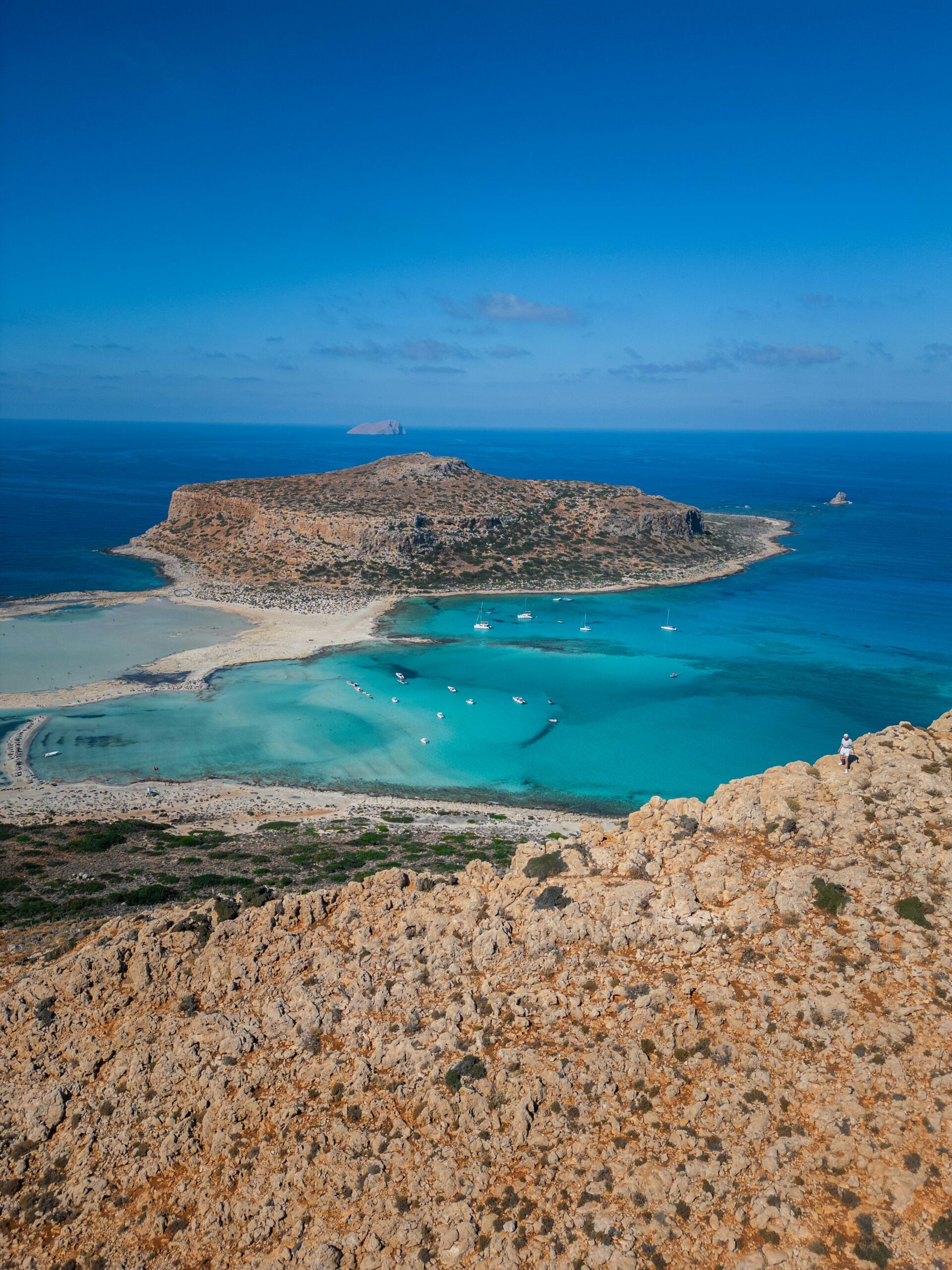
Why Planning a Crete Trip Without Local Insight Is a Recipe for Mediocrity is not just a warning—it’s a reality many travelers face. Crete’s vast size and complex cultural layers require more than a generic itinerary to appreciate its diversity and avoid common pitfalls.
Ignoring local expertise often leads to missed opportunities, wasted time, and an experience that feels shallow despite the island’s potential.
Why Planning a Crete Trip Without Local Insight Is a Recipe for Mediocrity
Crete’s Scale and Diversity: What Travelers Underestimate
Crete is Greece’s largest island with three distinct regions—Chania, Rethymno, and Heraklion—each offering radically different experiences. Many visitors try to cover too much ground without understanding the time needed to appreciate each area. This leads to rushed days and superficial visits. The island’s mountainous terrain makes travel slower than standard maps suggest, which frustrates those who ignore this from the outset.
Common Misconceptions That Undermine Crete Trips
First, travelers assume that popular spots like Elafonisi beach or Knossos palace are easy day trips from any part of the island. In reality, these require dedicated time and often an overnight stay to avoid exhausting back-and-forth. Second, many expect uniform hospitality and cuisine across Crete, ignoring that local customs and food traditions vary greatly between towns like Agios Nikolaos and the Lassithi Plateau.
Why Planning a Crete Trip Without Local Insight Is a Recipe for Mediocrity: Key Areas to Know
Understanding neighborhoods and micro-regions matters. Chania’s Old Town offers Venetian architecture and bustling markets but lacks quiet beaches nearby. Rethymno blends Renaissance history with a lively nightlife, appealing to younger crowds. The Lasithi Plateau provides a rural retreat with traditional villages and windmills but limited luxury accommodations. Agios Nikolaos is more upscale and suited for relaxed travelers. Heraklion is the administrative center with museums and urban amenities but lacks charm for those seeking authentic village experiences.
A Counterintuitive Observation: Crete’s Less Tourist-Trodden Inland Often Outshines the Coast
Most visitors flock to Crete’s coastlines, expecting the best experience. Yet, inland areas like the Sfakia region offer rugged landscapes, authentic Cretan culture, and fewer crowds. This is where local insight becomes crucial; without it, travelers miss the depth of Crete’s heritage and natural beauty, settling instead for crowded, commercialized resorts.
Who This Suits: Matching Crete’s Complexity With Traveler Profile
Crete suits travelers who have time to spend at least a week and are willing to engage with varying local environments—from urban centers to remote villages. Those seeking rapid sightseeing or relying solely on guidebooks will find the island frustrating. Families with young children may struggle with the island’s uneven infrastructure outside main towns. Solo travelers wanting immersive cultural experiences benefit from local guidance that connects them with authentic hosts.
Trade-offs: What You Gain and What You Give Up With Local Expertise
Using local insight means prioritizing quality over quantity. You gain access to lesser-known sites, authentic culinary stops, and a realistic schedule that respects Crete’s geography and pace. The trade-off is fewer tick-the-box moments and less spontaneous wandering. Without this, your itinerary might be packed but shallow, leading to exhaustion and missed nuances.
For deeper background, official resources like the
Hellenic Ministry of Culture provide validated cultural context, while Visit Greece offers updated travel info that complements expert advice.
Conclusion
Greece rewards travelers who arrive with a plan built around how they actually travel — not a generic template. The difference between a frustrating trip and a remarkable one often comes down to sequence, timing, and knowing which trade-offs matter for your situation.
Recommended experiences
Some experiences mentioned here are curated and managed by Elite Greece Travels.
- 5 Days Trip From Athens To Crete — Itinerary (managed by Elite Greece Travels).
- Best Of Greece Athens Paros Crete 7 Day Itinerary 6 Nights — Itinerary (managed by Elite Greece Travels).
- Athens Mykonos Santorini Crete Itinerary 9 Days — Itinerary (managed by Elite Greece Travels).
Frequently asked questions
Why is local insight crucial when planning a trip to Crete?
Crete’s size and cultural diversity mean that without local knowledge, travelers often misjudge distances, miss authentic experiences, and end up with a superficial itinerary.
What are common mistakes travelers make on Crete?
Assuming all attractions are close together, underestimating travel times, and expecting uniform culture and cuisine across the island are frequent errors.
Which parts of Crete offer the most authentic experiences?
Inland regions like Sfakia and the Lasithi Plateau provide more genuine local culture and fewer tourists compared to busy coastal resorts.
Who should avoid planning Crete trips without expert help?
Travelers on tight schedules, families with young children, and those relying only on guidebooks often face frustration without expert advice.
Can you visit Crete’s main sites in a short trip?
Trying to cover major sites quickly usually leads to rushed visits and fatigue; a well-planned, paced itinerary is essential.
Are Crete’s coastal resorts the best places to stay?
Coastal resorts are convenient but often crowded and commercialized; inland villages offer more cultural depth but fewer amenities.
Where can I find reliable cultural information on Crete?
The Hellenic Ministry of Culture website and the official Visit Greece portal provide authoritative and updated cultural and travel information.