

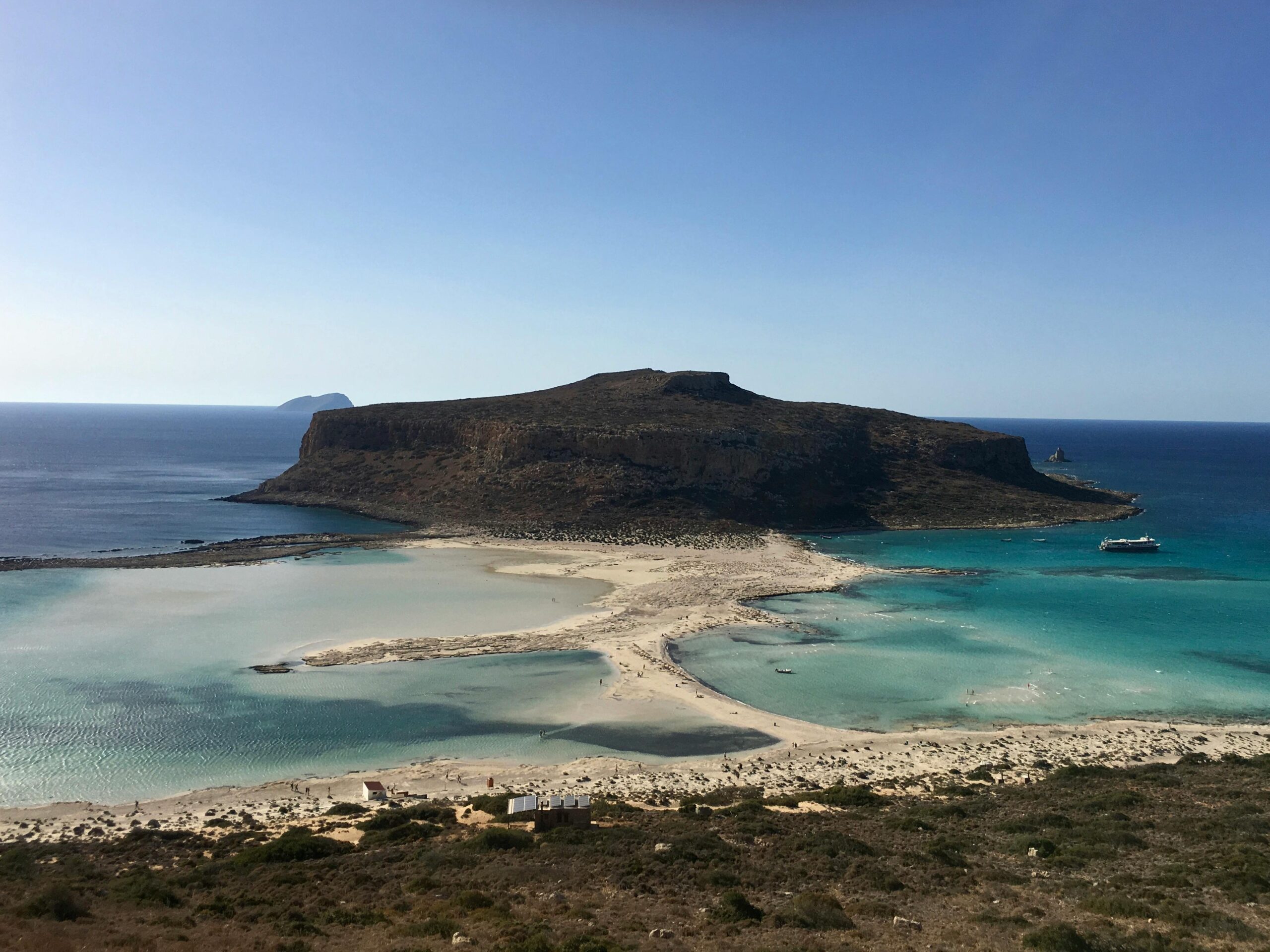
Crete’s Lesser-Known Regions Demand Separate Expert Planning because the island’s vast scale and cultural diversity make a single itinerary impractical and often exhausting. Many travelers underestimate how distinct these areas are, leading to a disjointed visit that misses the essence of each locale.
Without expert guidance, visitors risk cramming incompatible destinations into one trip, resulting in wasted time and superficial experiences.
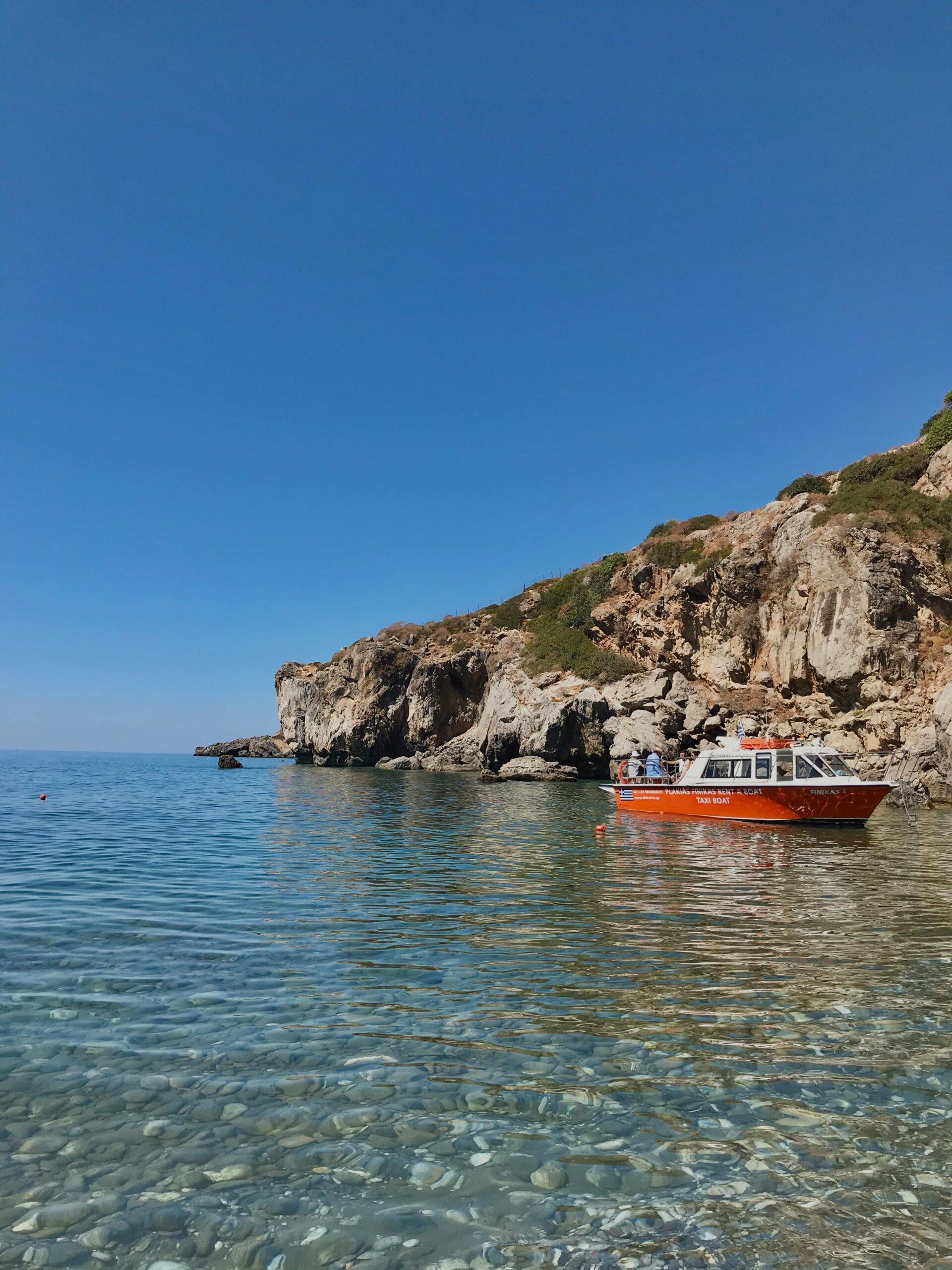
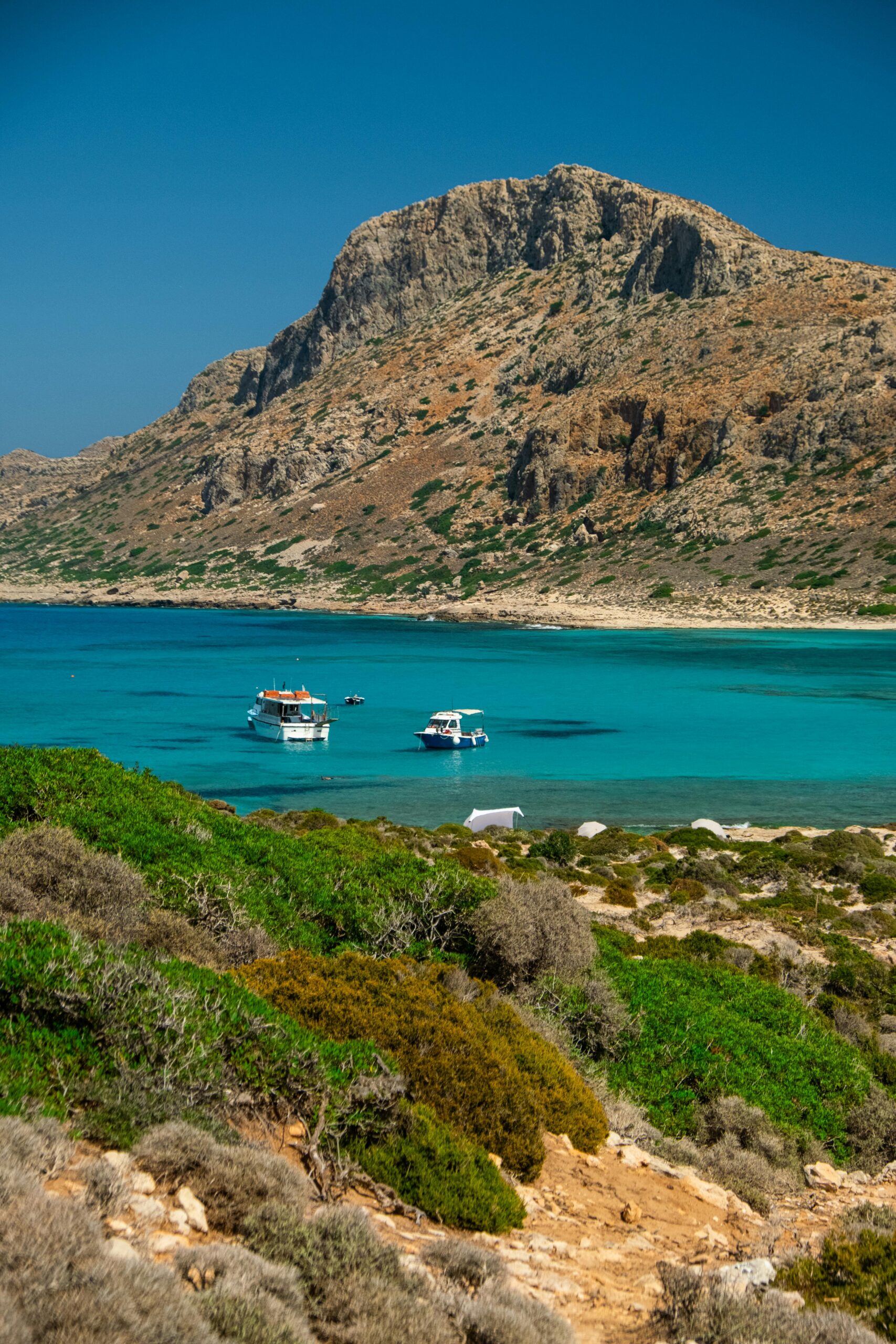
Crete’s Lesser-Known Regions Demand Separate Expert Planning
Common Mistakes Travelers Make in Crete’s Diverse Landscape
One of the biggest errors is treating Crete as a compact island easily covered in a week. It’s not. The distances are significant, and the terrain varies dramatically, from mountainous villages to rugged coastlines. Another frequent mistake is assuming all parts of Crete offer the same type of experience—beach, food, or history—when in reality, the character of each region demands a tailored approach.
Why Crete’s Lesser-Known Regions Demand Separate Expert Planning
Each lesser-known region in Crete operates almost like a separate destination. Attempting to combine them without understanding their unique rhythms leads to fragmented days and missed opportunities. For example, the Lasithi Plateau’s slow pace and agricultural focus contrast sharply with the wild, undeveloped beaches of the south coast. Expert planning ensures you allocate time and resources appropriately, avoiding the trap of superficial visits.
Key Lesser-Known Regions Worth Distinct Attention
Consider these specific areas, each requiring its own planning mindset:
- Lasithi Plateau: A high-altitude agricultural zone with traditional villages and windmills, best explored with time to appreciate local life.
- Selino (Southwest Crete): Remote, rugged, with minimal tourist infrastructure—ideal for travelers seeking solitude but challenging for those expecting convenience.
- Theriso Gorge Area: Rich in history and natural beauty, but its mountainous roads and limited services mean it demands careful scheduling.
- Agios Nikolaos Hinterlands: Offers a mix of lake-side towns and rural landscapes, requiring a different pace than the nearby coastal resorts.
- Chania’s Rural Outskirts: Beyond the city, these areas reveal authentic Cretan culture but lack the amenities of Chania itself.
Who This Suits—and Who It Doesn’t
Travelers who thrive on deep cultural immersion, off-the-beaten-path exploration, and can handle less polished infrastructure will find these regions rewarding. Those expecting easy access, frequent dining options, or a fast-paced itinerary should reconsider. Families with young children or travelers with mobility issues will likely find these areas frustrating without expert assistance.
A Counterintuitive Reality: More Time Doesn’t Equal Better Experience
Spreading your trip thinly across multiple lesser-known regions often dilutes the experience. Contrary to popular belief, spending more days hopping between these areas without focused planning usually results in exhaustion and a checklist mentality. Concentrating on one or two regions with expert insight yields a richer, more coherent visit.
Trade-Offs: What You Gain and What You Give Up
Investing in expert planning for Crete’s lesser-known regions means gaining authentic encounters, understanding local customs, and accessing hidden cultural layers. The trade-off is less spontaneity and fewer popular tourist conveniences. You’ll sacrifice the ease of a standard resort stay but gain a nuanced perspective unavailable to casual visitors.
Planning with Context: The Practical Consequences of Ignoring Expert Advice
Ignoring the need for separate expert planning often leads to logistical errors such as poorly timed visits that coincide with local closures or festivals, accommodation mismatches, and underestimating travel times between dispersed sites. These mistakes cause wasted days and frustration, undermining the entire trip.
For a broader understanding of Greece’s cultural context, consult the
Greek Ministry of Culture. For insights on archaeological heritage that complements your Crete visit, the Acropolis Museum website offers valuable background.
Conclusion
Most Greece trips follow the same tired script. The ones that don’t — the ones travelers still talk about years later — were built around a real understanding of how this country works. That kind of understanding takes time, or it takes someone who already has it.
Frequently asked questions
Why can’t I just visit all of Crete’s regions in one trip?
Crete is geographically large and culturally diverse. Trying to cover multiple distinct regions in one trip often leads to rushed visits and logistical headaches, preventing a meaningful experience.
Are Crete’s lesser-known regions suitable for first-time visitors?
They can be, but only with expert guidance. These areas lack the infrastructure and tourist services found in popular spots, which can be challenging for first-timers without local insight.
What kind of traveler benefits most from exploring Crete’s lesser-known regions?
Travelers interested in authentic culture, rural landscapes, and off-the-beaten-path experiences who don’t mind rougher logistics and slower paces.
Is it true that spending more days in Crete’s lesser-known regions can be counterproductive?
Yes. Without focused planning, more days hopping between regions often leads to exhaustion and superficial experiences rather than deeper engagement.
What are the main trade-offs when choosing to explore these regions?
You gain authenticity and cultural depth but give up convenience, frequent amenities, and sometimes comfort.
Can I plan a trip to these regions without local expertise?
You can try, but many travelers underestimate the complexity, leading to fragmented itineraries and missed opportunities.
Where can I learn more about Greece’s cultural heritage to complement my trip?
Official resources like the Greek Ministry of Culture provide authoritative information on cultural sites and events.