


Why Planning a Greece Trip Around the Islands Alone Is a Mistake is simple: you end up with a trip that looks good on paper and feels thin in practice. The islands get all the attention, but Athens and the Peloponnese are where a Greece itinerary gains context, range, and fewer wasted days.
Most travelers underestimate how much more balanced a Greece trip becomes when the mainland is part of the plan. You get better pacing, more variety in the experience, and fewer of the sequencing problems that make island-only trips feel rushed or repetitive.
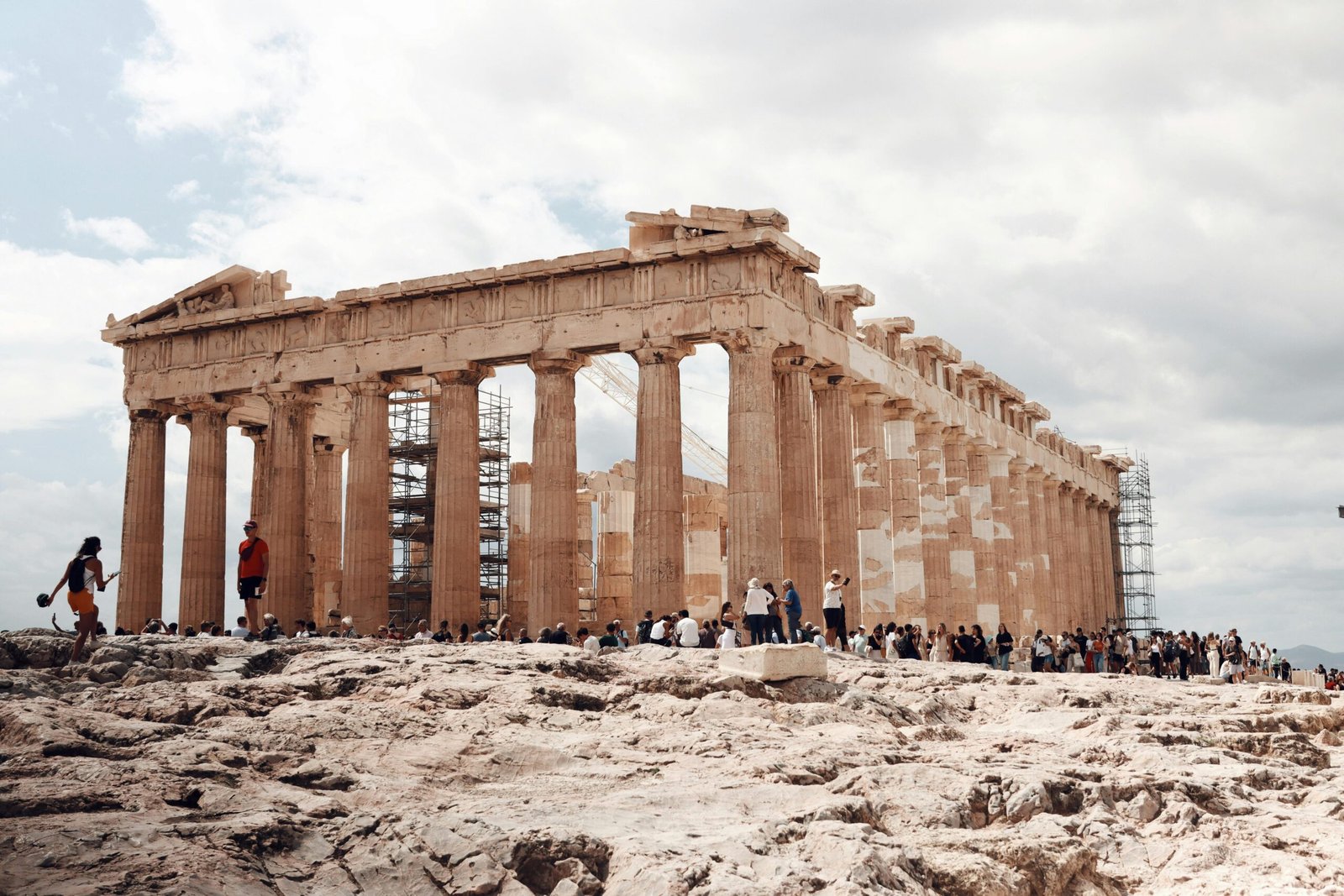

Why Planning a Greece Trip Around the Islands Alone Is a Mistake
I’ll say it plainly: if you build a Greece trip around the islands alone, you are usually making the trip smaller than it needs to be. The islands are valuable, but they are not the whole story, and for many travelers they are not even the best starting point.
A serious itinerary needs Athens and the Peloponnese to give it structure. That is where you get historical depth, better contrast, and a more sensible rhythm, especially if you do not want every day to blur into beach clubs, ferry schedules, and the same whitewashed palette.
Why Planning a Greece Trip Around the Islands Alone Is a Mistake for most travelers
The biggest problem is not that the islands are overrated. The problem is that island-only planning creates a narrow trip that overvalues scenery and undervalues experience. People come home with photos, but not much sense of place.
Another mistake is assuming every Greek destination works the same way. It does not. Athens, Nafplio, Monemvasia, Epidaurus, and the Mani each ask for a different pace and reward a different kind of traveler. If you ignore that, you end up forcing a one-size-fits-all island mindset onto a country that is much broader than that.
What Athens actually adds that the islands do not
Athens is not just a practical stop. It gives the trip scale. Without Athens, many travelers never understand the continuity between ancient Greece, Ottoman layers, modern Greek life, and the pressure of a capital city that is still very much alive.
Areas like Plaka, Koukaki, and Kolonaki each serve a different purpose. Plaka is the obvious old-town choice, Koukaki is more grounded and easier to live in, and Kolonaki suits travelers who want a more polished base. If you only know Athens as a quick overnight before the ferry, you are missing the point.
For culture-focused travelers, the Acropolis Museum is not optional. It is one of the few places in Greece that consistently resets expectations, because it forces visitors to confront how much context they are otherwise skipping.
The Peloponnese is the part of Greece most island-only itineraries ignore
The Peloponnese is where many trips become more intelligent. Nafplio gives you a neoclassical town with real day-to-day livability. Epidaurus gives you classical weight without the crush that defines some better-known sites. Monemvasia is more specialized, and that matters: it suits travelers who value atmosphere and containment, not people who need constant variety.
The Mani is the counterintuitive one. Travelers who chase only the islands often think the mainland will feel less compelling, yet the Mani can be the part of the trip that stays with them longest. It is less polished, less packaged, and more demanding in terms of taste, which is exactly why it works for serious travelers.
Most people also underestimate how much the Peloponnese changes the emotional pace of a Greece trip. The islands can be intense in a pleasant way, but they can also become repetitive. Mainland Greece gives you a different register: more texture, more history you can actually feel, and less dependence on the same coastal formula.
Two mistakes travelers keep making here
First, they overbook the islands and leave Athens and the Peloponnese as afterthoughts. That usually creates the wrong sequence. By the time they reach the mainland, they are tired, impatient, and no longer absorbing the trip properly.
Second, they choose accommodation in the wrong part of Athens or the wrong base in the Peloponnese because they are optimizing for an image instead of a functioning trip. In Athens, that often means staying in a beautiful but inconvenient area that makes evenings harder than they need to be. In the Peloponnese, it often means choosing a location that looks central on a map but is poor for the type of travel they actually want.
- Do not treat Athens as a throwaway city night.
- Do not assume the Peloponnese is only for road-trip style travelers.
- Do not stack too many island hops before the mainland.
Those three mistakes are enough to make a good trip feel disjointed. They are also the reason so many travelers end up saying Greece felt busy but not satisfying.
Who this suits
This approach suits travelers who care about context, not just scenery. It fits first-time visitors who want a smarter introduction to Greece, returning visitors who have already done the islands, couples who prefer depth over constant movement, and older travelers who want a trip that feels considered rather than frantic.
It does not suit travelers who want only resort time, travelers who measure success by how many islands they can name, or people who expect every day to feel like a beach holiday. It also does not suit anyone who dislikes cities outright, because Athens is not a decorative add-on. It is part of the trip’s logic.
What you gain, and what you give up
You gain balance, range, and a better sense of Greece as a country rather than a postcard collection. You also gain cleaner pacing, because the mainland can absorb part of the trip’s cultural weight instead of forcing the islands to do all the work.
What you give up is the fantasy of a purely island-centric trip. If someone wants nothing but sea views and low-effort days, Athens and the Peloponnese will feel like a complication. That is a fair trade-off, and it is worth naming honestly.
For travelers who want a broader and more coherent Greece, the trade is worth it. For travelers who want only the islands, the mainland will feel unnecessary. That is exactly why planning matters and why professional judgment makes a difference.
How expert planning changes the result
Expert planning matters because the real challenge is not choosing famous places. It is choosing the right sequence, the right bases, and the right balance between energy and recovery. That is where most self-planned Greece trips go wrong.
Why Planning a Greece Trip Around the Islands Alone Is a Mistake becomes obvious once you see how much better the trip works when Athens and the Peloponnese are used deliberately. Not as filler, not as obligation, but as the part of the itinerary that makes the rest make sense.
If you are planning a serious Greece trip, use the islands for what they do best and let the mainland do the rest. That is the difference between a trip that feels assembled and one that feels thought through.
For official destination context and broader trip planning references,
Visit Greece is a useful starting point, but the real value comes from shaping the trip around how you actually travel.
Greece rewards travelers who arrive with a plan built around how they actually travel — not a generic template. The difference between a frustrating trip and a remarkable one often comes down to sequence, timing, and knowing which trade-offs matter for your situation.
Recommended experiences
Some experiences mentioned here are curated and managed by Elite Greece Travels.
- Greece 7 Day Itinerary Athens Delphi Meteora Santorini — Itinerary (managed by Elite Greece Travels).
- Best Of Greece Athens Paros Crete 7 Day Itinerary 6 Nights — Itinerary (managed by Elite Greece Travels).
- Athens Mykonos Itinerary 5 Days Luxury Greece Tour — Itinerary (managed by Elite Greece Travels).
Frequently asked questions
Why is planning a Greece trip around the islands alone a mistake?
Because it usually produces a narrow itinerary with weak pacing and too little variety. Athens and the Peloponnese add context, history, and a better rhythm to the trip.
Is Athens worth including if I mainly want islands?
Yes, if you want a fuller Greece trip. Athens is not just a transit stop; it gives the trip depth and helps prevent the whole itinerary from feeling repetitive.
What does the Peloponnese add that the islands do not?
It adds classical sites, neoclassical towns, and a different kind of landscape and pace. Places like Nafplio, Epidaurus, Monemvasia, and the Mani give the trip more range.
What do travelers usually get wrong when planning Greece?
They overfocus on island names and ignore how the trip will actually feel day to day. They also underestimate the impact of sequence and base location on comfort and enjoyment.
Who should still focus mostly on the islands?
Travelers who want a resort-style holiday, very light movement, and little interest in cities or historical context may prefer an island-heavy trip. For them, Athens and the mainland may feel like extra weight.
Does adding the mainland make the trip slower?
Yes, in a good way. It usually slows the trip enough to make it more coherent, less repetitive, and easier to enjoy without constant transit fatigue.