


Why Planning a Peloponnese Road Trip Without Local Insight Is a Recipe for Frustration is not just a warning—it’s an operational reality. The Peloponnese’s rugged terrain and dispersed historical sites require more than a map and good intentions. Without local knowledge, travelers routinely waste time and miss the region’s layered cultural narrative.
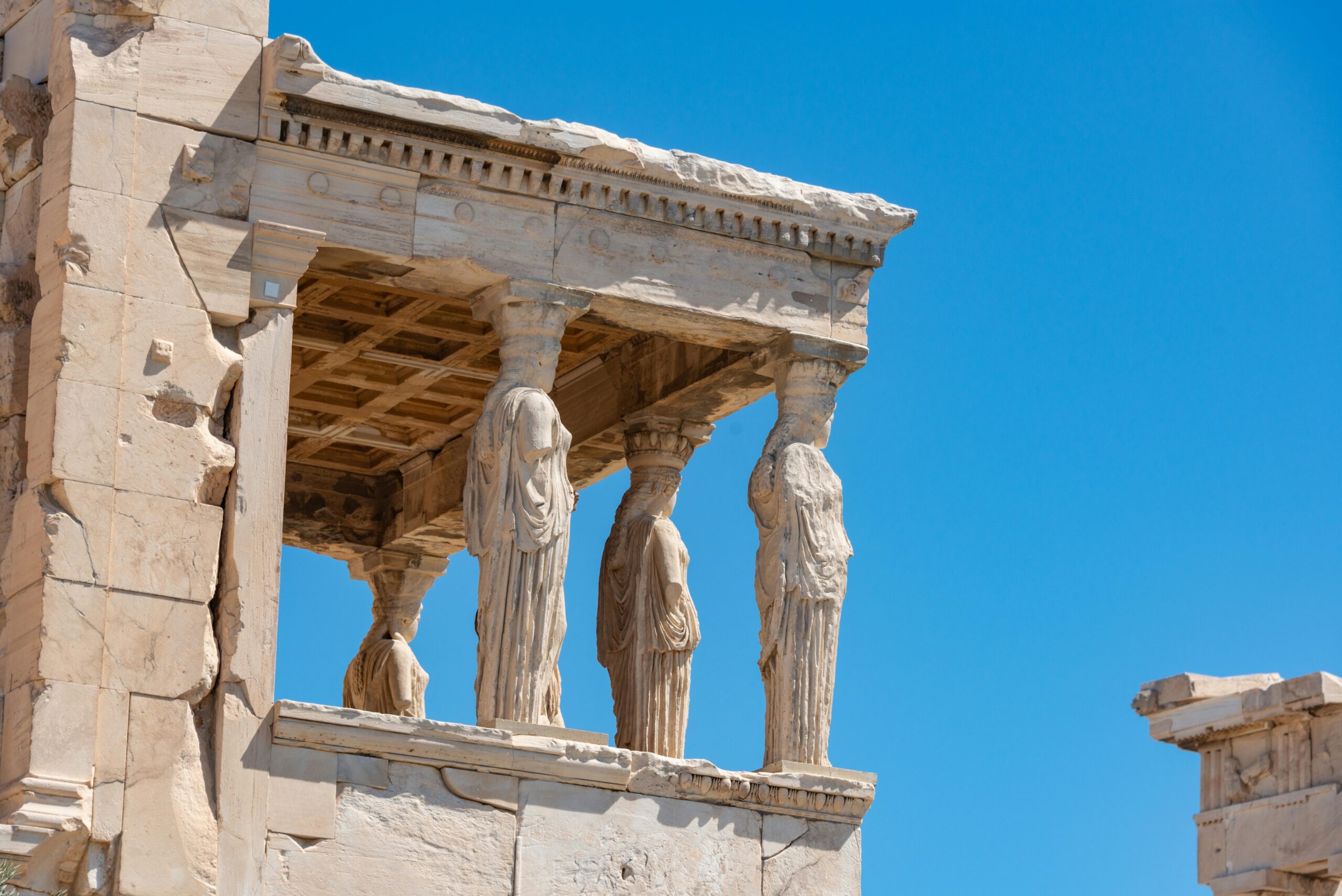
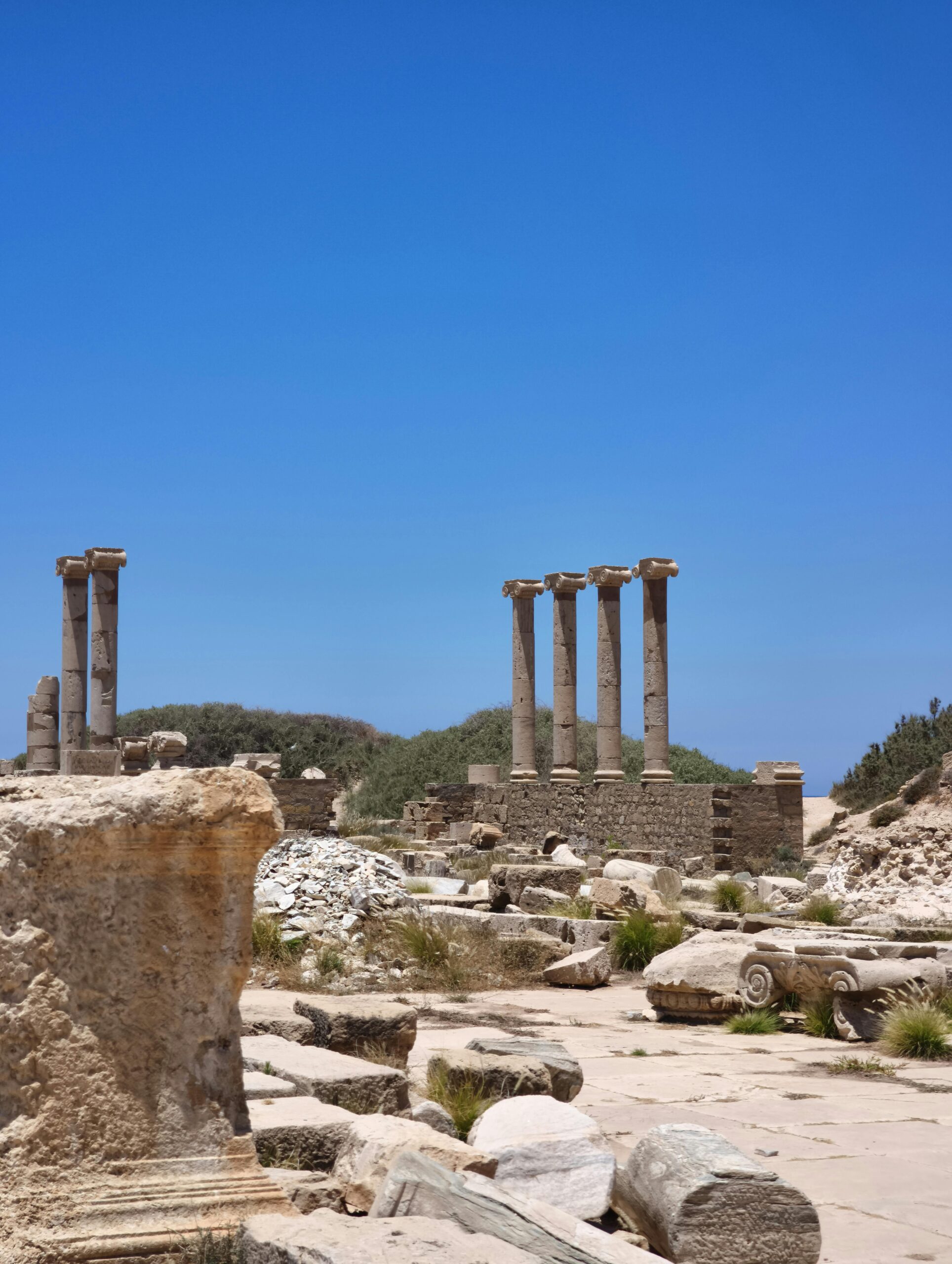
Why Planning a Peloponnese Road Trip Without Local Insight Is a Recipe for Frustration
Common Mistakes Travelers Make in the Peloponnese
Two errors dominate: underestimating travel times and overloading itineraries. The Peloponnese is not a compact, easy-to-navigate peninsula. Roads are often narrow, mountainous, and poorly marked outside main towns. Many travelers assume they can cover large distances quickly, only to find themselves stuck on slow routes or missing key sites due to poor sequencing.
Another frequent mistake is ignoring the seasonal rhythms. Some archaeological sites and coastal villages shut down or operate on limited hours outside peak summer months. This leads to wasted visits and frustration, especially for those expecting a continuous flow of services.
Key Places That Demand Local Insight
Understanding the nuances of specific locations is crucial. For instance, Methoni offers a fortress experience unlike the more tourist-heavy Koroni. Mystras requires timing to avoid crowds and to appreciate its Byzantine ruins fully. Nafplio is often overloaded with visitors, but local insight reveals quieter neighborhoods and authentic tavernas away from the waterfront.
Monemvasia is a fortress town that looks straightforward but has complex access points and accommodation options that can make or break your stay. Lastly, Ancient Olympia is not just about the archaeological site; the surrounding landscape and museums need to be factored in to avoid rushed visits.
Who This Suits—and Who It Doesn’t
The Peloponnese suits travelers who want a deep dive into history, culture, and landscape diversity and who are comfortable with some logistical complexity. It’s ideal for those who appreciate a slower pace and are willing to adapt plans based on local advice.
It’s not for travelers expecting straightforward, beach-focused vacations or those who want to cover too much ground in a short time. Families with small children or travelers with mobility issues will find the terrain and infrastructure challenging without tailored arrangements.
A Counterintuitive Observation: More Planning Can Mean More Flexibility
It sounds contradictory, but detailed local insight often reveals options that allow more spontaneous detours and adjustments. Without it, travelers stick rigidly to flawed plans because they don’t know where or how to pivot. Expert planning uncovers lesser-known routes, off-peak visiting hours, and local events that can be slotted in last minute, turning a rigid itinerary into a flexible experience.
Honest Trade-Offs: What You Gain and What You Give Up
By investing in local insight, you gain efficient routing, richer cultural context, and access to authentic experiences not found in guidebooks. You avoid wasted time and frustration navigating the peninsula’s complex geography.
The trade-off is relinquishing some independence in planning. You might have to accept recommendations that don’t align with your initial preferences, such as staying in less touristy towns or visiting sites at unconventional hours. This is a small price for a trip that works rather than one that feels like a series of compromises.
Why Planning a Peloponnese Road Trip Without Local Insight Is a Recipe for Frustration
Reiterating the focus keyword, the Peloponnese is a region where surface-level planning fails. Its rugged terrain, seasonal quirks, and layered history demand more than a cursory glance at maps or online reviews. Local insight is not a luxury; it’s a necessity to unlock the peninsula’s full potential efficiently and meaningfully.
Additional Resources for Context and Culture
For travelers seeking authoritative cultural background, the
Hellenic Ministry of Culture offers detailed information on archaeological sites and preservation efforts. Meanwhile, the official Greek tourism portal provides updates on seasonal openings and local events that can influence your itinerary.
Conclusion
Most Greece trips follow the same tired script. The ones that don’t — the ones travelers still talk about years later — were built around a real understanding of how this country works. That kind of understanding takes time, or it takes someone who already has it.
Frequently asked questions
Is the Peloponnese suitable for first-time visitors to Greece?
The Peloponnese offers rich history and diverse landscapes but requires more logistical planning than typical Greek islands. First-time visitors should consider local insight to avoid common pitfalls.
Can I visit the Peloponnese year-round?
While accessible year-round, many sites and services operate on limited schedules outside summer. Winter visits require careful planning to avoid closures.
Are the roads in the Peloponnese difficult to drive?
Many roads are narrow, winding, and mountainous. Drivers unfamiliar with such conditions often underestimate travel times and fatigue.
Which Peloponnese towns are best for authentic local experiences?
Towns like Methoni and less touristy neighborhoods of Nafplio offer more authentic experiences compared to heavily touristed spots.
Is it possible to explore the Peloponnese without a car?
Public transport is limited and infrequent outside major towns. A car is highly recommended for flexibility and access.
What are the risks of self-planning a Peloponnese road trip?
Risks include inefficient routing, missed sites due to seasonal closures, and underestimating travel times leading to rushed or canceled visits.
How does local insight improve a Peloponnese trip?
Local insight helps optimize itineraries, avoid crowds, discover lesser-known sites, and adapt plans based on real-time conditions.