


Why the Peloponnese Defies Greece’s Island Paradigm and Needs Pro Planning is not just a headline—it’s an operational reality for travelers who expect to navigate Greece’s mainland like one of its islands. The Peloponnese presents a scale and diversity that breaks every island travel rule, demanding a tailored approach for any meaningful visit. Ignoring this leads to shallow experiences and wasted days.
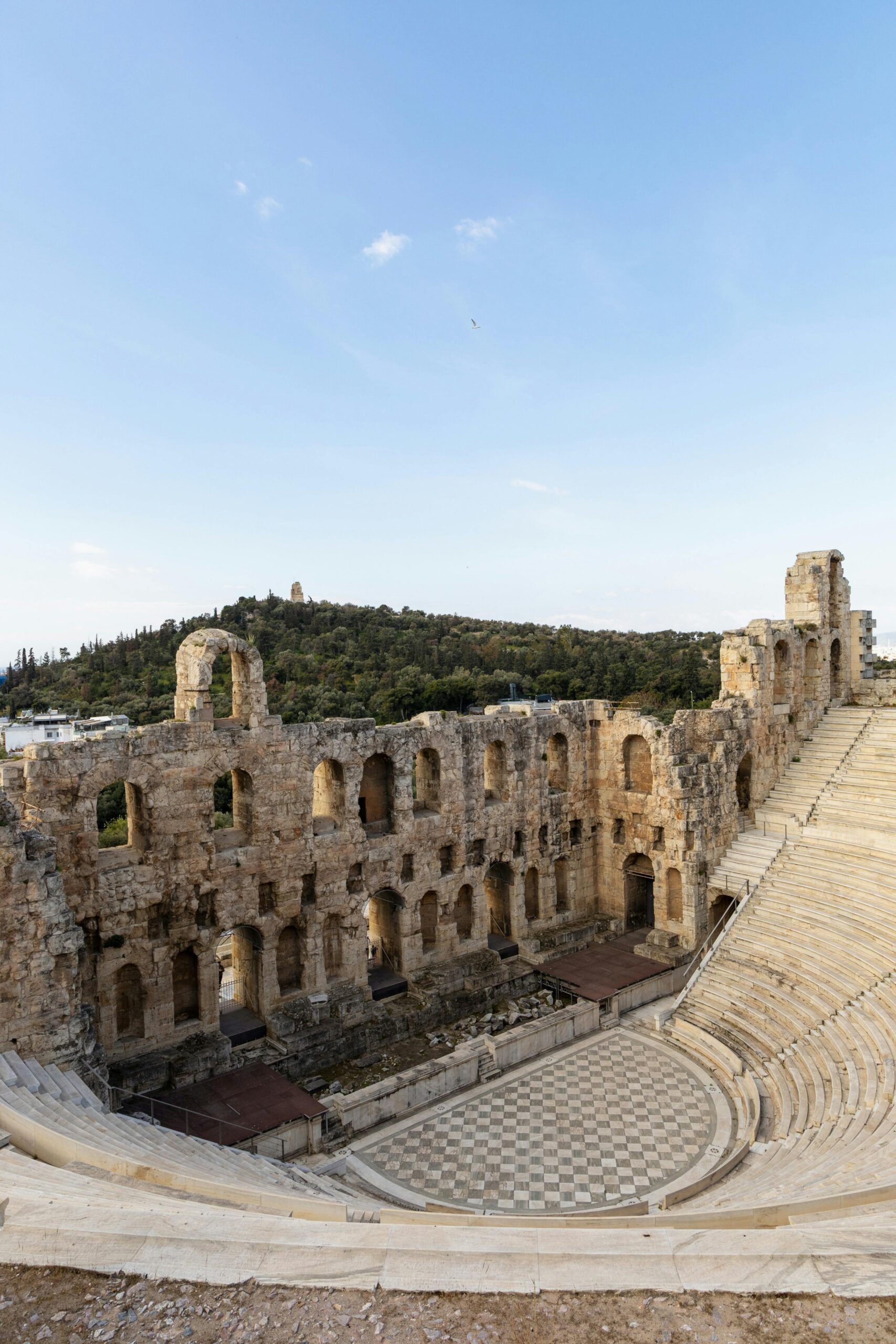
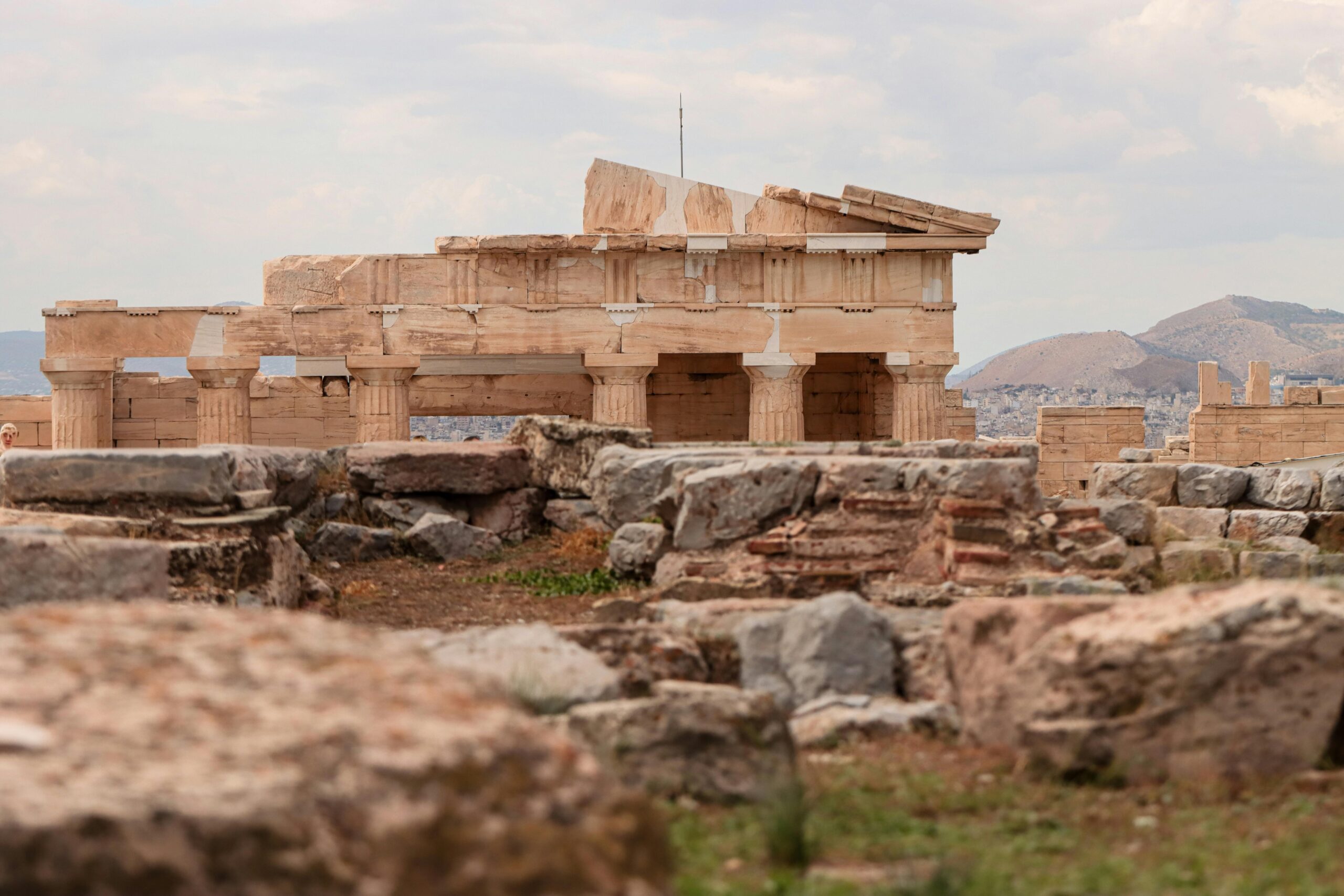
Why the Peloponnese Defies Greece’s Island Paradigm and Needs Pro Planning
Common Misconceptions Travelers Have About the Peloponnese
First, many assume the Peloponnese is just a mainland extension of the island experience—compact, easy to hop between highlights, and uniformly coastal. That’s wrong. The region’s size rivals that of some small countries, and its inland areas require as much attention as the coastline. Second, visitors underestimate how varied the historical sites are, often trying to cram ancient Sparta, Mycenae, and Byzantine towns into a single day. This leads to exhaustion and superficial encounters.
Key Destinations That Define the Peloponnese’s Complexity
Understanding the Peloponnese means recognizing its distinct zones. Nafplio offers a well-preserved Venetian atmosphere and sophisticated dining, while the Mani Peninsula brings rugged terrain and unique tower villages. Ancient Olympia delivers unparalleled archaeological significance but demands time for proper exploration beyond the main site. The Arcadian mountains offer cooler retreats and traditional villages, contrasting sharply with the coastal town of Pylos, known for its Navarino Bay views and Ottoman influences. Each place requires different pacing and priorities.
Why the Peloponnese Defies Greece’s Island Paradigm and Needs Pro Planning: The Scale and Diversity Are Non-Negotiable
This region is not an island—its sprawling geography and layered history challenge the simplicity of island itineraries. Unlike islands, you cannot rely on short ferry hops or concentrate your stay in one town. The Peloponnese demands sequencing that respects driving distances, time of day, and local rhythms. Without professional input, travelers routinely get their route wrong, ending up backtracking or missing critical sites due to poor timing.
Who This Suits — And Who It Doesn’t
The Peloponnese works best for travelers who want depth over breadth: history buffs ready to engage with multiple eras; nature enthusiasts willing to trade beaches for mountains; and those who appreciate regional culinary traditions that vary dramatically across short distances. It’s a poor fit for those seeking a straightforward beach vacation or a quick, island-style hop-around. Expecting a relaxed, compact holiday here is a recipe for frustration.
A Counterintuitive Observation: The Peloponnese’s Inland Areas Often Offer a More Authentic Experience Than Coastal Resorts
Most visitors focus exclusively on the coast, yet the inland villages of Arcadia or the mountainous areas of Mani provide far richer encounters with Greek culture and history. These areas have preserved traditions and architecture overlooked by mass tourism. This shift from coast to interior is not intuitive for those conditioned by island travel patterns, but it’s essential for a genuine experience.
Honest Trade-Offs: What You Gain and What You Give Up
Choosing the Peloponnese over the islands means gaining a multi-layered historical narrative, diverse landscapes, and a broader cultural palette. You’ll experience everything from Mycenaean ruins to Ottoman fortresses, from mountain villages to olive groves. The trade-off is less predictable transport, longer transfers, and fewer standardized tourist services. The region’s infrastructure demands flexibility and patience; it won’t deliver the instant gratification of a Santorini sunset or a Mykonos beach party.
Additional Context: Why Expert Planning Avoids Common Pitfalls
Ignoring professional planning leads to sequence errors that cost time and money. For example, visiting Olympia without factoring in local opening hours and distance from your base can waste half a day. Similarly, failing to allocate enough time for the Mani Peninsula’s terrain results in rushed, incomplete visits. An expert planner integrates cultural calendars, weather, and local advice to create an itinerary that respects these nuances. For deeper insight into Greek cultural heritage, resources like the
Ministry of Culture provide authoritative background. For those interested in classical archaeology, a visit to the Acropolis Museum in Athens can complement your Peloponnese explorations.
Conclusion
Greece rewards travelers who arrive with a plan built around how they actually travel — not a generic template. The difference between a frustrating trip and a remarkable one often comes down to sequence, timing, and knowing which trade-offs matter for your situation.
Frequently asked questions
Is the Peloponnese suitable for first-time visitors to Greece?
The Peloponnese can be overwhelming for first-time visitors expecting an island-style trip. Its size and varied sites require more planning and commitment to slower travel.
Are there good beaches in the Peloponnese compared to the islands?
While the Peloponnese has quality beaches, they are generally less developed and less iconic than those on the Cyclades or Dodecanese. The region’s appeal lies more in history and landscape diversity.
Can I visit the Peloponnese without a car?
Public transport is limited and often unreliable in many parts of the Peloponnese. Renting a car or arranging private transfers is essential for accessing the region’s highlights efficiently.
What is the best time of year to visit the Peloponnese?
Spring and autumn are optimal for avoiding the summer heat and crowds. Winter offers quiet but some sites may have reduced hours. Summer requires careful planning to avoid midday heat during outdoor excursions.
How much time should I allocate to explore the Peloponnese thoroughly?
At least a week is necessary to cover major sites without rushing. Shorter visits risk shallow experiences or exhausting schedules.
Does the Peloponnese have a vibrant culinary scene?
Yes, but it varies significantly by area. Coastal towns feature seafood prominently, while inland villages focus on rustic, traditional fare. Planning meals around local specialties enriches the visit.
Are guided tours recommended in the Peloponnese?
Guided tours can enhance understanding, especially at archaeological sites, but a bespoke itinerary crafted by an expert is more valuable for navigating the region’s scale and diversity.