


Why Planning a Peloponnese Trip Without Help Is a Mistake is something I say because I have seen too many travelers turn a strong destination into a fragmented one. The Peloponnese looks orderly on a map, yet the real challenge is not distance — it is making the history, coastline, and hotel choices feel like one coherent trip.
Most people underestimate how different the region feels from one area to the next. Nafplio, Monemvasia, Costa Navarino, Kalamata, and the Mani all appeal to different traveler types, and choosing the wrong mix creates a trip that feels busy but not well built.
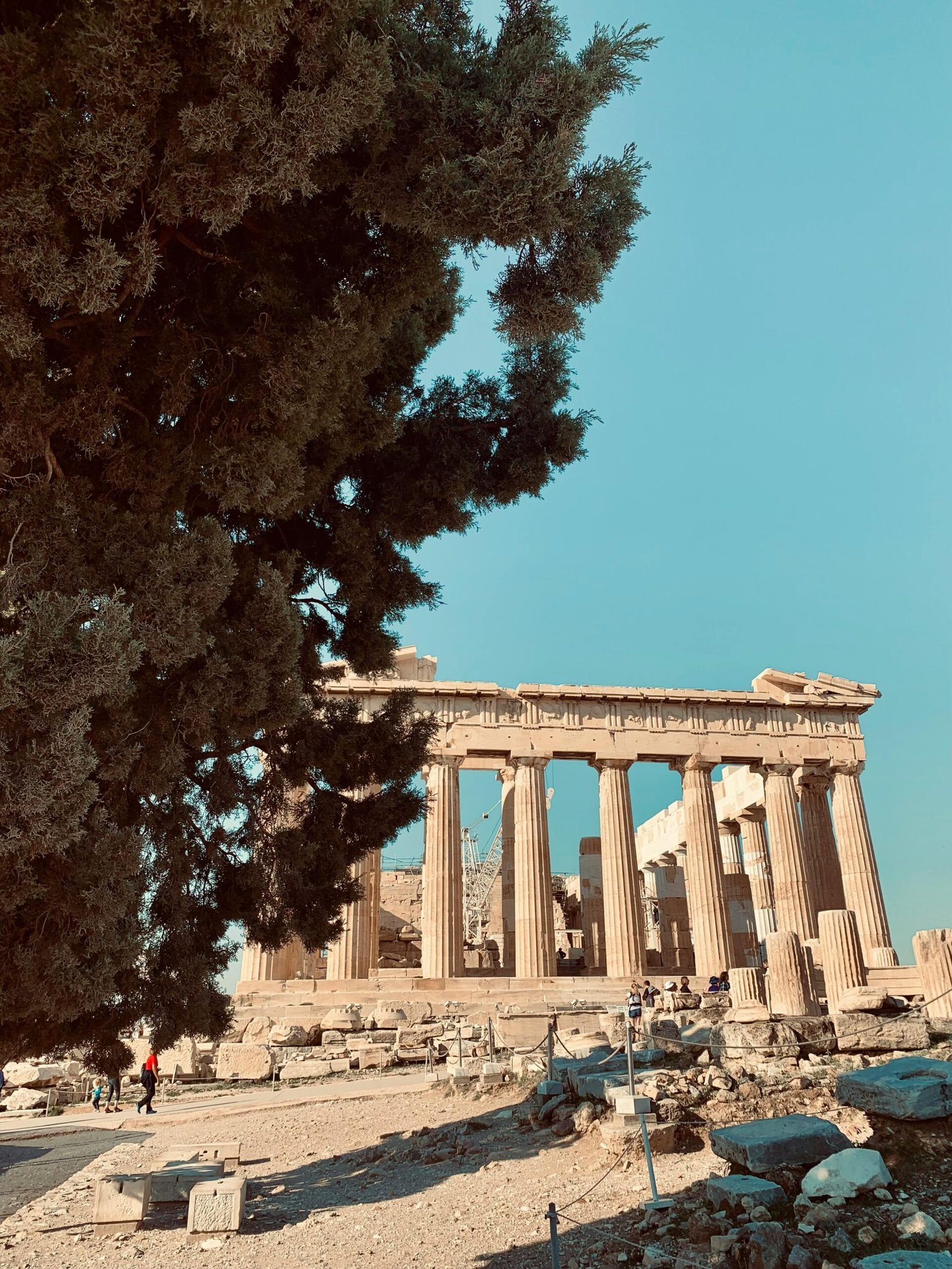
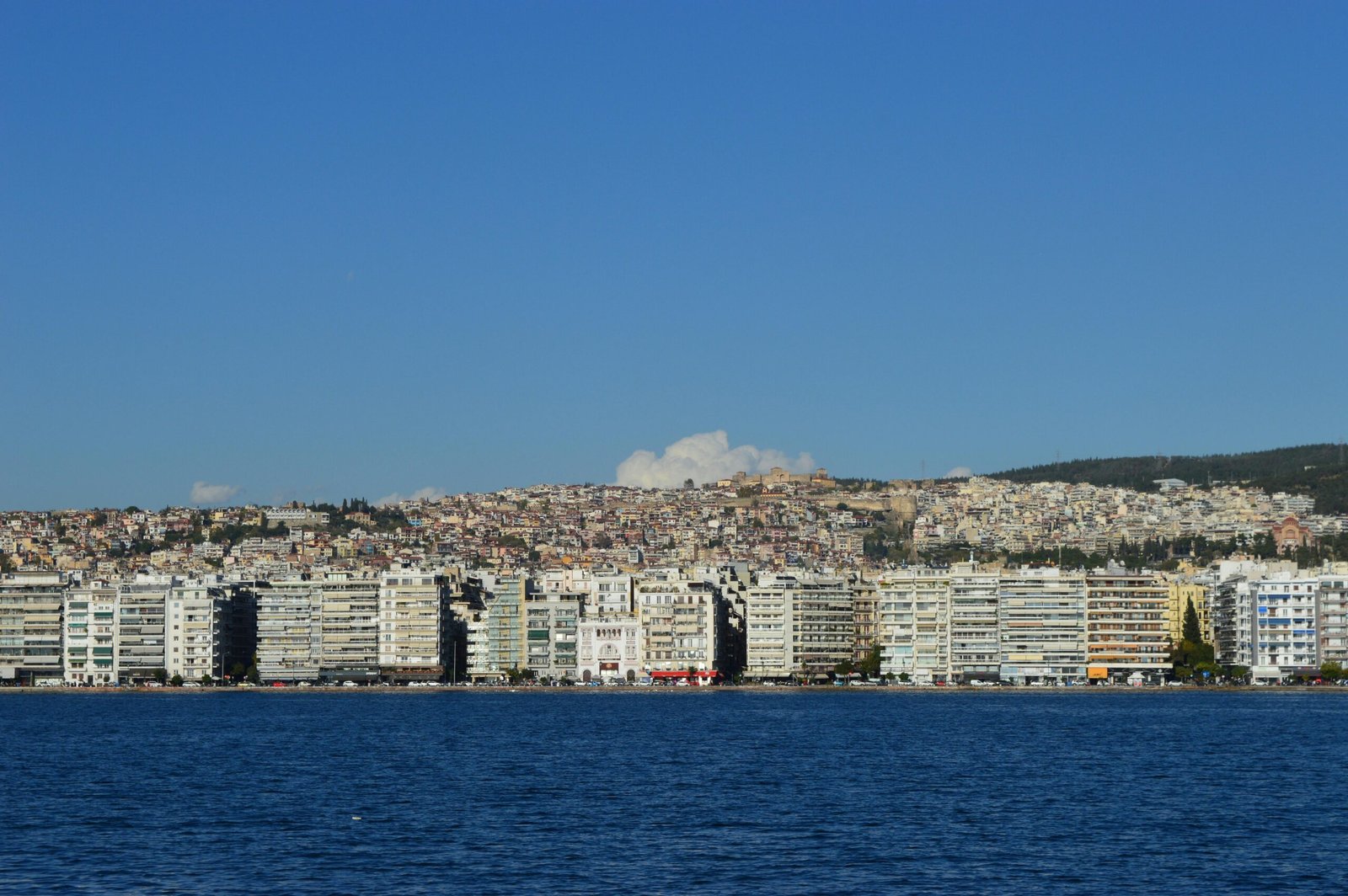
Why Planning a Peloponnese Trip Without Help Is a Mistake
The Peloponnese is not difficult in the way islands can be difficult. It is difficult in a quieter, more expensive way: people assume they can stitch together a luxury trip from a map and a few hotel names, then end up with awkward sequencing, weak pacing, and stays that do not match the experience they thought they were buying.
I take a clear position here: if you want the Peloponnese to feel polished, you need help shaping the trip. Not because the region is inaccessible, but because the best version of it depends on choosing the right bases, the right order, and the right level of ambition for your travel style.
Why Planning a Peloponnese Trip Without Help Is a Mistake for first-time visitors
The first mistake is treating the Peloponnese as one destination. It is really a collection of very different travel personalities: classical sites, fortified towns, beach resorts, mountain villages, and serious food country. Travelers who do not separate those layers usually overpack the trip and underuse the places they actually paid to see.
The second mistake is assuming luxury means the same thing everywhere. In Nafplio, luxury may mean a well-run boutique stay with access to the old town. In Costa Navarino, it means a resort environment with a very different rhythm. In Monemvasia, it means accepting a more contained, heritage-heavy experience. Those are not interchangeable choices.
Why Planning a Peloponnese Trip Without Help Is a Mistake becomes obvious when someone books pretty places without considering how they will feel after a few days. The Peloponnese is large enough that weak planning shows up fast: too many arrivals, too many check-ins, not enough time in the places that matter.
What travelers consistently get wrong
Travelers consistently underestimate how much the region asks you to choose. If you want ancient sites like Mycenae and Epidaurus, a refined base in Nafplio makes sense. If you want a more resort-led stay, Costa Navarino is the cleaner choice. If you want atmosphere and a sense of place, Monemvasia and the Mani are stronger, but they are not built for the same kind of comfort-seeking traveler.
They also get the coastline wrong. The Peloponnese is not one long beach holiday. Some stretches are ideal for calm, upgraded stays; others are better for people who care more about character than soft-sand convenience. Kalamata works for some travelers because it gives practical access and a real town feel, but it is not the answer if someone wants a polished, low-friction luxury base.
One more issue: people book based on famous names and ignore the actual hotel location within the town. In places like Nafplio, that distinction matters. A property that looks central on paper can still leave you in the wrong part of town for the kind of evening you want, especially if you value quiet over energy.
The places that matter most when you plan properly
The Peloponnese works best when a trip is built around a few anchors rather than a long list of stops. Nafplio is the most useful all-around base for travelers who want culture, dining, and a sense of ease. Monemvasia suits people who are happy with a more enclosed, historic setting and do not need a broad range of nightlife or activity.
Costa Navarino is the right call for travelers who want a high-service resort experience and are happy to let the property define the trip. The Mani is for people who value landscape, privacy, and a more rugged sense of place. Kalamata makes sense when you want a working Greek city with access to the west and south of the region, not when you want a polished postcard version of the Peloponnese.
If you are trying to understand the region’s cultural weight, the official listing and preservation context around major sites is worth a look at the Hellenic Ministry of Culture. That matters because the Peloponnese is not just scenery; it is a region where site access, preservation, and visitor flow affect the quality of the experience.
A counterintuitive truth about the Peloponnese
The surprising thing is that the most memorable Peloponnese trips are often the least ambitious on paper. Travelers think they need to cover more ground to get value, but the region usually gives more back when you slow the pace and let one or two strong bases do the work. That is especially true for luxury travelers, who tend to benefit more from quality of stay than from relentless movement.
This is where people make a planning error that costs them real money: they upgrade the hotels but ignore the structure of the trip. A beautiful property cannot fix a poor sequence of places. If the order is wrong, you spend the whole trip recovering from the last move instead of enjoying the next one.
Why Planning a Peloponnese Trip Without Help Is a Mistake is not a slogan. It is a practical warning that the region rewards restraint, not improvisation. The best trips here feel composed because someone has already decided what to leave out.
Who this suits
The Peloponnese suits travelers who want depth, not just scenery. It is strong for couples, culture-focused travelers, repeat visitors to Greece, and luxury guests who prefer a trip with substance. It also suits people who are comfortable with a quieter pace and do not need every evening to feel curated around entertainment.
- Best fit: couples, history-focused travelers, food-minded travelers, and guests who like boutique or resort-led stays with clear structure.
- Not a good fit: travelers who want a simple beach-only holiday, people who dislike moving between bases, and anyone looking for a high-energy nightlife trip.
Families can do well here if the plan is built carefully, especially around one strong base and a manageable pace. Families who try to turn it into a fast road trip usually end up with tired children and adults who remember logistics more than the destination.
The trade-offs you should accept before you book
The biggest gain in the Peloponnese is variety without the chaos of a bigger multi-region trip. You can combine serious history, strong food, and good coastal stays in one journey. That is a real advantage for travelers who want Greece to feel layered rather than repetitive.
The trade-off is that the region asks for better decisions. You give up spontaneity if you want the trip to feel smooth. You also give up some of the easy, one-note convenience that island travel can offer. That is not a flaw; it is the price of getting a richer trip.
For travelers who want a broader sense of what Greece offers,
Visit Greece is useful for context, but the real work is in choosing the right combination for your style. The Peloponnese is one of those places where a generic plan looks fine until you are actually in it.
What a well-built Peloponnese trip feels like
A well-built Peloponnese trip feels calm, not busy. You are not constantly correcting course, changing hotels for no reason, or using your time to solve avoidable mistakes. The trip has a rhythm, and the places support that rhythm instead of competing with it.
That is exactly why planning matters here more than most travelers expect. The Peloponnese is generous, but it is not forgiving of lazy planning. The right help turns it from a collection of famous names into a trip that actually makes sense.
Why Planning a Peloponnese Trip Without Help Is a Mistake is the honest answer for travelers who want the region to work at a luxury level. Greece rewards travelers who arrive with a plan built around how they actually travel — not a generic template. The difference between a frustrating trip and a remarkable one often comes down to sequence, timing, and knowing which trade-offs matter for your situation.
Frequently asked questions
Is the Peloponnese easy to plan on your own?
It is easy to research and surprisingly easy to get wrong. The challenge is not finding places to stay; it is building a trip that connects the right bases, pace, and priorities without wasting time or money.
What do travelers most often misunderstand about the Peloponnese?
They treat it like one compact destination. In reality, Nafplio, Monemvasia, the Mani, Costa Navarino, and Kalamata each serve different travel styles and should not be mixed casually.
Which area is best for a first Peloponnese trip?
For many travelers, Nafplio is the most practical first base because it balances atmosphere, access, and comfort. It is not the only good choice, but it is often the cleanest starting point.
Is the Peloponnese better for luxury travelers or independent travelers?
It can work for both, but luxury travelers benefit more from expert planning because hotel quality alone does not solve poor sequencing or mismatched bases.
What is the biggest planning mistake in the Peloponnese?
Trying to do too much. Travelers often add too many places and end up spending their trip moving instead of experiencing the region properly.
Does the Peloponnese suit beach-focused trips?
Only if you choose the right area and accept that this is not a single-style beach destination. Some parts are coastal and relaxed, but the region is strongest when beach time is combined with culture and a strong base.