

Why Planning a Trip to Meteora Without a Local Expert Is a Recipe for Frustration is not an exaggeration. This region’s complex logistics — from monastery opening hours to trail selection — routinely trip up independent travelers, resulting in lost time and missed experiences.
Ignoring the need for insider knowledge in Meteora is by far the biggest mistake visitors make. This article cuts through the usual fluff to explain why expert help is indispensable for a successful trip.
Why Planning a Trip to Meteora Without a Local Expert Is a Recipe for Frustration
Common Mistakes Travelers Make in Meteora
First, almost everyone underestimates the strict and irregular opening hours of Meteora’s monasteries. Several close on specific weekdays or religious holidays without notice, so arriving unprepared means locked gates and wasted daylight. Second, many visitors pick hiking trails at random. The region has multiple routes varying wildly in difficulty and length, and some paths are unsafe or poorly marked. Without local insight, travelers end up exhausted or missing key viewpoints.
The Essential Neighborhoods and Sites You Can’t Overlook
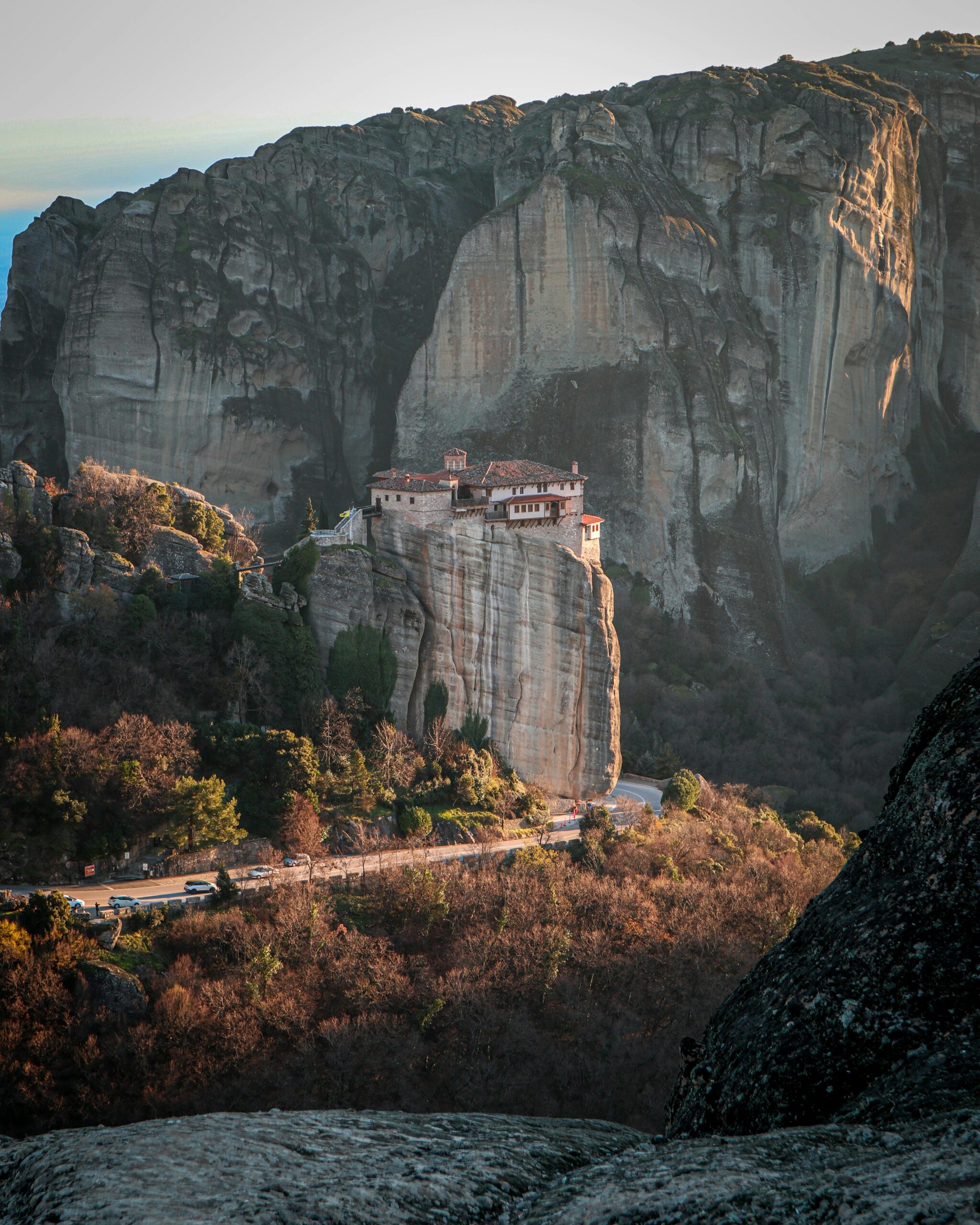
The town of Kalambaka serves as the main gateway and offers accommodation options, but staying here means extra transit time to the rock formations. Kastraki village, closer to the monasteries, provides more immediate access but fewer amenities. The Great Meteoron Monastery is the largest and most visited, but the Holy Trinity and Varlaam monasteries often provide equally impressive views with fewer crowds. Don’t overlook the natural viewpoints at Psaropetra and the Devil’s Tower rock formations for striking panoramas beyond the monasteries themselves.
Who This Suits — And Who Should Stay Away
Meteora is best suited for travelers who want cultural depth combined with active exploration. History buffs and hikers who can handle uneven terrain will find the region rewarding. Families with small children or travelers with mobility issues should reconsider, as monastery steps and trails are physically demanding. Those expecting a relaxed, resort-style visit will be disappointed.
A Counterintuitive Observation About Timing Your Visit
Contrary to popular belief, visiting Meteora during peak summer months often means missing out on the monasteries’ authentic atmosphere. The crowds can be overwhelming, and hot midday temperatures make hiking unpleasant. The shoulder seasons—late spring or early autumn—offer better light, cooler temperatures, and a more manageable number of visitors. Paradoxically, this is when some monasteries may have more restricted hours, so local knowledge is critical to avoid closures.
Trade-Offs: What You Gain and What You Give Up Without Expert Guidance
Working with a local expert allows you to maximize your time, visiting monasteries when they’re open and avoiding busy periods. You gain access to lesser-known trails and viewpoints that most travelers miss. The downside is that going it alone might feel more spontaneous or budget-friendly, but this frequently results in wasted time or disappointment, especially in a destination with as many logistical complexities as Meteora.
Why Planning a Trip to Meteora Without a Local Expert Is a Recipe for Frustration: The Bottom Line
Planning a trip to Meteora without a local expert is a recipe for frustration because the region’s unique combination of cultural sensitivities, strict access rules, and challenging terrain demands insider knowledge. Trying to manage this on your own is a gamble that often leads to missed monasteries, poor trail choices, and inefficient use of limited daylight hours.
For travelers serious about making the most of their visit, tapping into local expertise is not a luxury — it’s essential. For more context on Greece’s cultural and historical sites, consult official resources such as the
Ministry of Culture or the official tourism portal.
Conclusion
Most Greece trips follow the same tired script. The ones that don’t — the ones travelers still talk about years later — were built around a real understanding of how this country works. That kind of understanding takes time, or it takes someone who already has it.
Recommended experiences
Some experiences mentioned here are curated and managed by Elite Greece Travels.
- Greece 7 Day Itinerary Athens Delphi Meteora Santorini — Itinerary (managed by Elite Greece Travels).
- Athens Meteora Olympia Delphi Itinerary 7 Days — Itinerary (managed by Elite Greece Travels).
- Athens Meteora Santorini Itinerary 7 Days — Itinerary (managed by Elite Greece Travels).
Frequently asked questions
Can I visit all Meteora monasteries in one day without a guide?
Visiting all monasteries in one day without local guidance is unrealistic. Many close on different days, and the travel between them plus hiking requires careful timing.
Are the hiking trails in Meteora suitable for beginners?
Some trails are manageable for beginners, but many include steep, uneven paths and require a moderate fitness level. Local advice is crucial to choose the right routes.
Is it better to stay in Kalambaka or Kastraki for Meteora visits?
Kastraki offers closer proximity to the monasteries and trails but fewer accommodations. Kalambaka has more amenities but requires longer daily transfers.
What is the best season to visit Meteora to avoid crowds?
Late spring and early autumn offer fewer crowds and cooler weather, but monastery opening hours may vary, making expert knowledge key during these periods.
Do I need special permits to hike in Meteora?
No special permits are required for standard hiking routes, but some areas have restrictions or seasonal closures. Local guidance helps avoid prohibited zones.
Are there any cultural sensitivities I should be aware of when visiting monasteries?
Yes, monasteries have strict dress codes and behavioral rules. Visitors must cover shoulders and knees and avoid loud or disruptive behavior.
How can a local expert improve my Meteora experience?
A local expert provides accurate monastery schedules, recommends best trails based on your fitness, and helps avoid tourist traps, ensuring efficient and meaningful visits.