

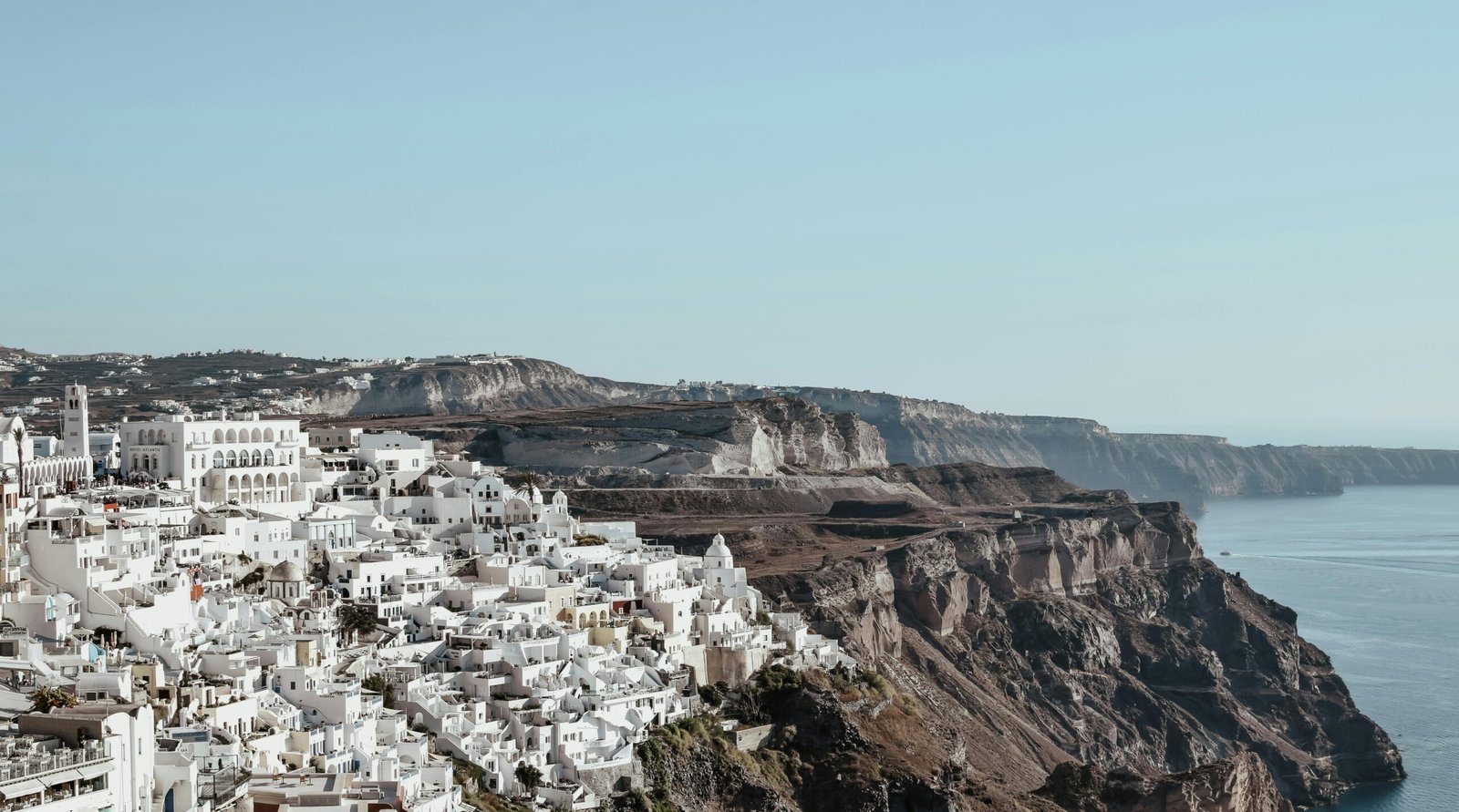
Why Santorini in Peak Season Is Not the Santorini You Think It Is: in July and August, this island is less about calm romance and more about timing, crowd management, and paying for convenience. If you arrive expecting a slow, effortless escape, you are setting yourself up for frustration.
The island still delivers the views people come for, but peak season changes the whole operating rhythm. The places that feel easy in shoulder season become crowded, expensive, and schedule-dependent, and that shift matters more than most first-timers realize.
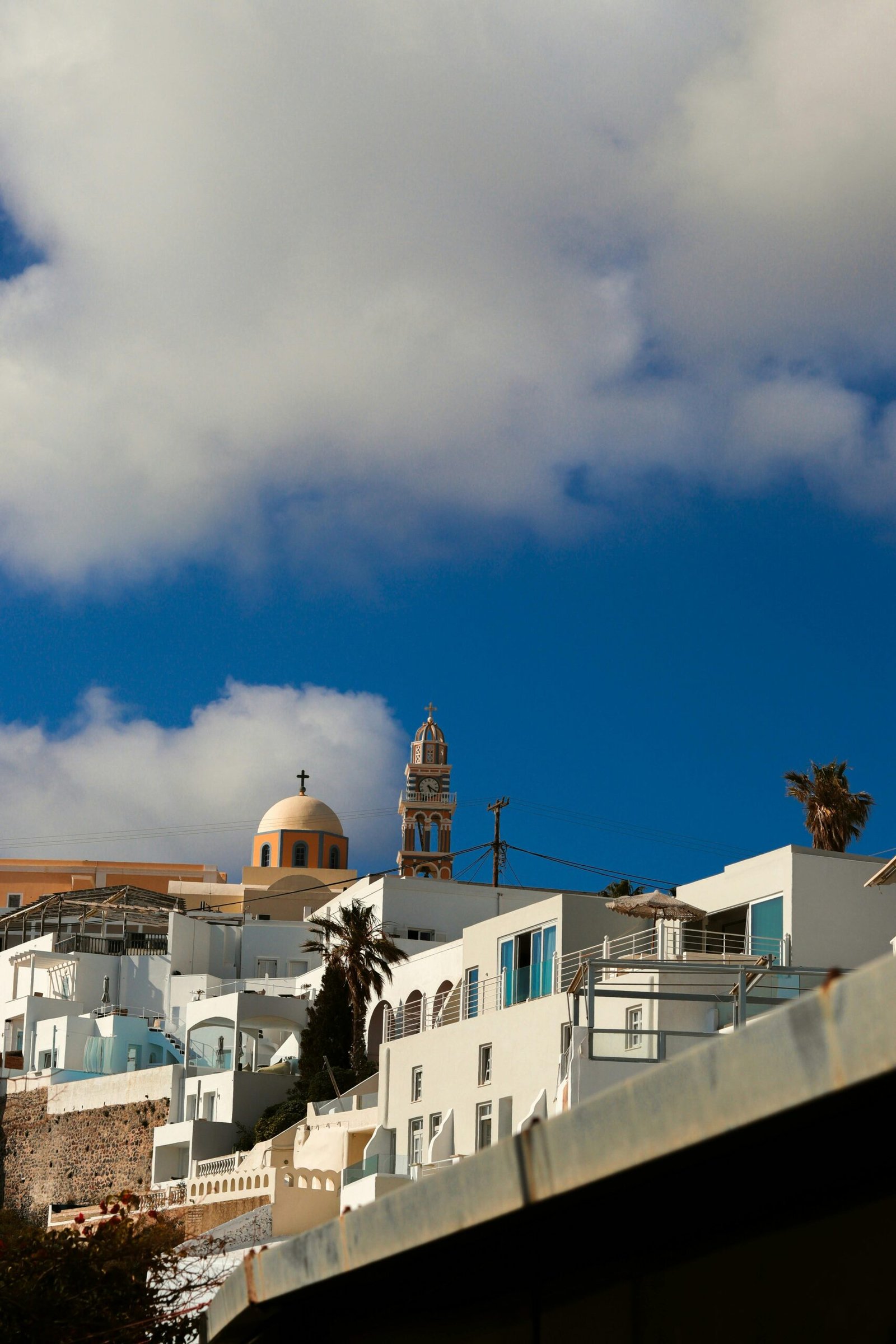
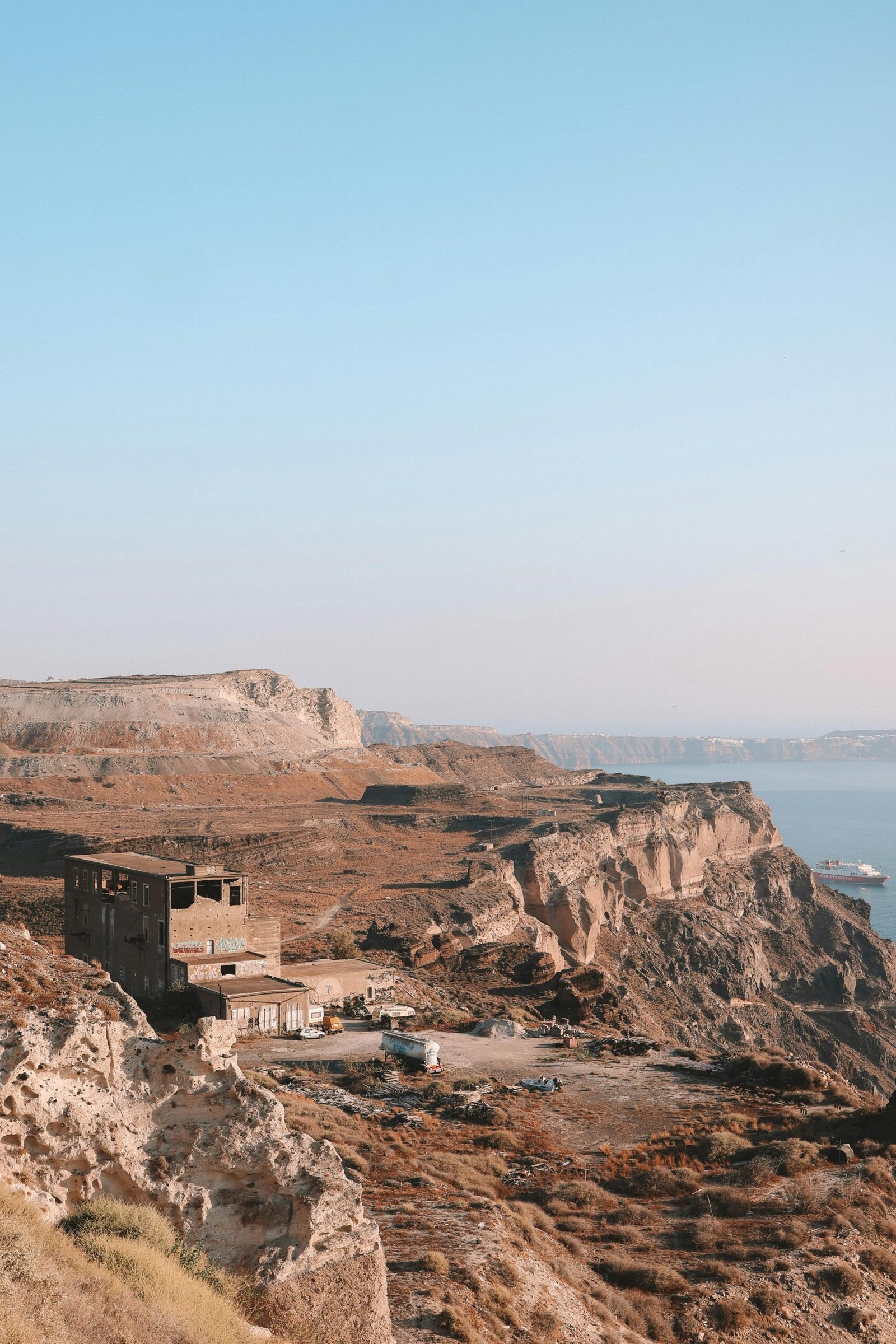
Why Santorini in Peak Season Is Not the Santorini You Think It Is
Most first-time visitors imagine Santorini as a place where you can drift from one view to the next with no pressure. In peak season, that is not the experience. Why Santorini in Peak Season Is Not the Santorini You Think It Is comes down to one thing: the island becomes a logistics game, and the people who ignore that usually waste time, money, and patience.
Why Santorini in Peak Season Is Not the Santorini You Think It Is: the real operating conditions
Peak season changes Santorini in ways that are easy to underestimate from a distance. Popular viewpoints get congested, restaurant reservations matter, and anything that looks spontaneous in a travel reel usually requires advance planning or a willingness to wait. The island does not become less beautiful; it becomes less forgiving.
The biggest mistake is assuming the island’s compact size makes it simple. It actually creates bottlenecks, because everyone wants the same sunset spots, the same caldera-facing tables, and the same photo angles at the same time. That is why the mood shifts from relaxed to managed.
Most travelers assume Santorini is a romantic island first and a logistical one second, but actually peak season makes it the opposite. The romance is still there, but it is filtered through queues, heat, traffic, and higher prices. If you are sensitive to friction, you will feel it quickly.
When to choose peak season anyway
Choose Santorini in peak season if your priority is energy, full service, and warm-weather certainty. If you want all the hotels, restaurants, boat operators, and beach clubs fully open, this is the period when the island is at maximum capacity. That matters for travelers who value choice over quiet.
It also works for people who are already comfortable spending more to reduce friction. Better hotels, private transfers, and prime dining spots can make the trip feel smoother, but you are paying for control. Santorini in high season is far easier if you accept that convenience has a price.
If you want a broad, official overview of the destination before deciding, start with
Visit Greece. It will not tell you the whole story about crowd pressure, but it is useful for understanding the island’s core appeal before you commit to dates.
When not to choose it
Do not choose peak season Santorini if you want a quiet, low-stress island trip. If your ideal holiday includes wandering without reservations, lingering over dinner without a clock, and moving around without thinking about timing, July and August will feel like work. That is not a small drawback; it changes the whole character of the trip.
It is also a poor fit for travelers who are budget-sensitive but still expect a premium experience. Santorini in peak season is one of those places where the price rise is not matched by a better atmosphere for everyone. You can spend a lot and still feel crowded.
For travelers who care about Greek heritage and want context beyond the postcard version, the broader cultural frame matters. The Ministry of Culture site at culture.gov.gr is useful background, but Santorini itself is not a destination that rewards casual, unstructured peak-season wandering as much as people assume.
What changes by traveler type
Different travelers experience peak season very differently. A couple on a short celebratory trip may accept the pressure because they are buying a specific mood and a few high-impact moments. A family, by contrast, often feels the friction more sharply because waiting, heat, and crowds compound quickly.
- Romantic couples: Good fit if you can afford premium stays and plan around peak crowds.
- Families: Mixed fit; the island can feel crowded and tiring fast.
- Luxury travelers: Best fit if you book ahead and value service over spontaneity.
- Budget travelers: Weak fit; costs rise while comfort does not rise in the same proportion.
- Photographers: Strong fit only if you are prepared for crowded viewpoints and timing constraints.
The key point is not whether the island is “worth it.” The key point is whether the version you want matches the version peak season actually delivers. A lot of disappointment comes from people buying a fantasy and arriving during the busiest operating window on the island.
The trade-off matrix most travelers ignore
High season + short stay: This is the riskiest combination. If you only have a couple of nights, crowd pressure and timing mistakes hurt more because there is less room to recover from a missed dinner, a delayed check-in, or a poor sunset position.
High season + luxury budget: This can work well. You can reduce some of the friction with better accommodation and smarter planning, but you are still in a crowded environment. Money buys ease, not emptiness.
High season + first-time visitor: This is where expectations matter most. First-timers often think Santorini will feel calm because it is famous for romance, but peak season turns it into a place where the best experience comes from knowing what to avoid.
Shoulder season + same traveler: This is usually the better choice for anyone who wants the island’s look without the peak-season pressure. The island feels more manageable, and the trip tends to resemble the idea people had in their head before they booked.
The one counterintuitive thing people miss
The surprising part is that Santorini can feel less special in peak season precisely because it is so famous. When every visitor is chasing the same limited viewpoints and dining windows, the island’s signature moments become crowded routines. You are not discovering the place; you are participating in a shared schedule.
That is why Why Santorini in Peak Season Is Not the Santorini You Think It Is is not a dramatic warning. It is a practical one. The island is still worth visiting for the right traveler, but the wrong expectation turns a high-value trip into an expensive exercise in waiting.
What most travelers should do instead
If you want romance, choose timing carefully and do not assume peak season will create it for you. If you want the classic Santorini look with less friction, aim for a quieter period and accept that the island will feel more relaxed. If you must travel in peak season, plan for crowds, budget for premium convenience, and stop expecting spontaneity to save the day.
My position is simple: Santorini in peak season is best for travelers who already know what they are buying. If you are chasing a first-time fantasy of calm, ease, and empty views, you should not choose it. If you are comfortable with crowds and want the island at full commercial energy, then peak season can still work.
Why Santorini in Peak Season Is Not the Santorini You Think It Is is the question to ask before booking, not after arriving. Greece has a way of rewarding travelers who ask the right questions before they arrive. The travelers who leave disappointed usually asked the wrong ones — or didn’t ask at all.
Frequently asked questions
Is Santorini worth visiting in peak season?
Yes, but only if you accept that the island will be crowded, expensive, and timing-sensitive. It is worth it for travelers who want full access to services and can pay for convenience. It is not worth it for travelers expecting quiet romance without friction.
Why does Santorini feel so crowded in summer?
Because peak season concentrates too many visitors into a small island with limited high-demand viewpoints, dining slots, and premium accommodation. The island is built for demand, but not for everyone to want the same experience at the same hour.
What is the biggest mistake first-time visitors make?
They assume the island’s romantic image means the trip will feel calm. In peak season, Santorini is more about managing timing, reservations, and crowds than drifting around casually.
Is Santorini better in shoulder season than in peak season?
For most travelers, yes. Shoulder season usually gives you a better balance of weather, crowd levels, and pricing. The island feels closer to the version most people think they are booking.
Can you still have a romantic trip to Santorini in peak season?
Yes, but romance in peak season is usually something you create through planning and spending, not something the island automatically delivers. Without that, the experience can feel rushed and crowded.
Who should avoid Santorini in peak season?
Travelers who dislike crowds, budget-conscious visitors expecting premium comfort, and anyone who wants a relaxed, spontaneous island stay. Those groups are the most likely to feel disappointed.