

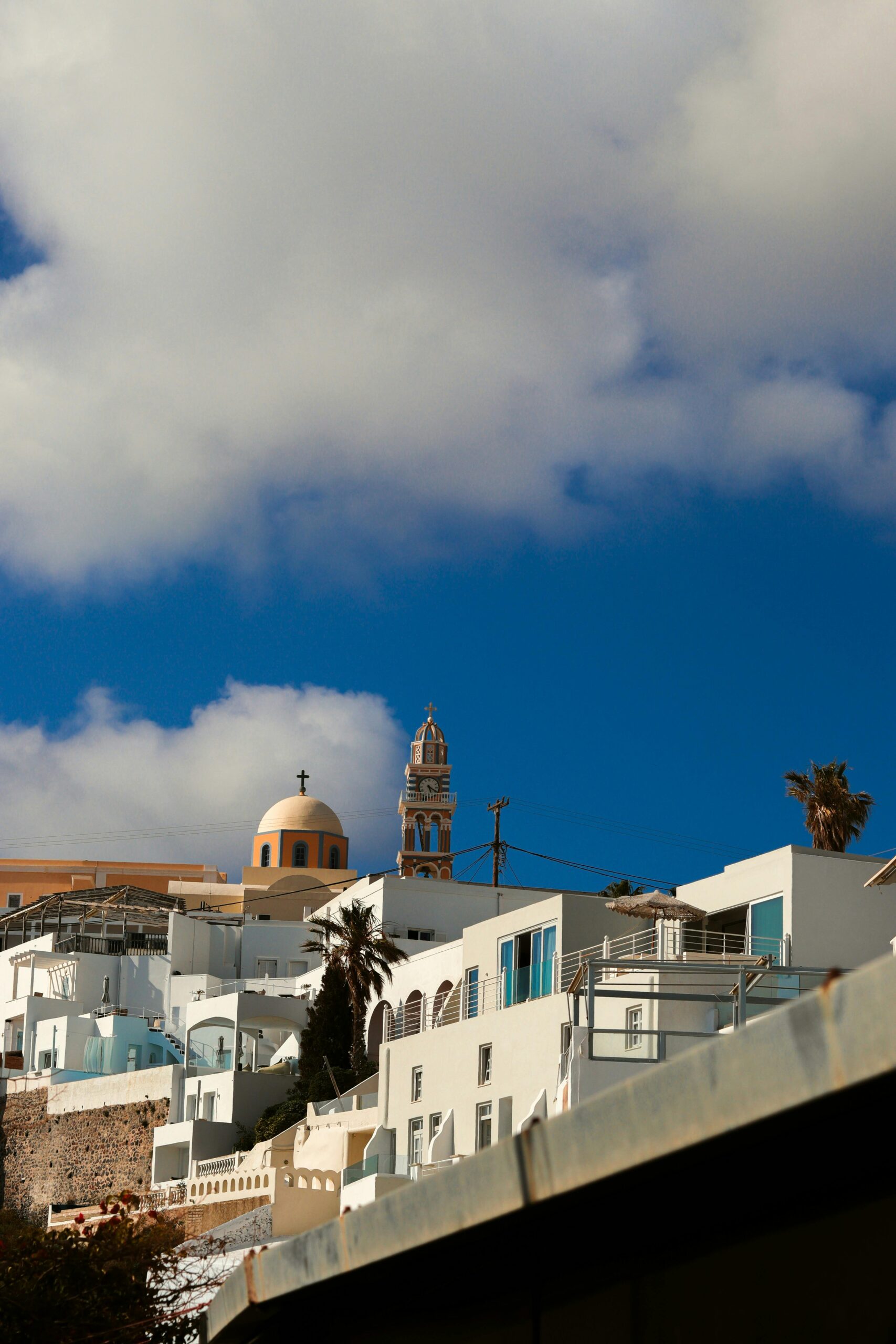
Why Santorini Is Harder to Enjoy Than People Expect is simple: most visitors arrive expecting an easy, romantic island and get a place that demands planning, patience, and a tolerance for friction. Santorini is not overrated so much as misunderstood, and the mismatch between expectation and reality is what makes many trips feel strained.
The island can still be excellent, but only for travelers who accept its pace, its crowd pressure, and the fact that the most famous parts are also the most managed. If you want a trip that feels relaxed by default, Santorini is often the wrong choice.
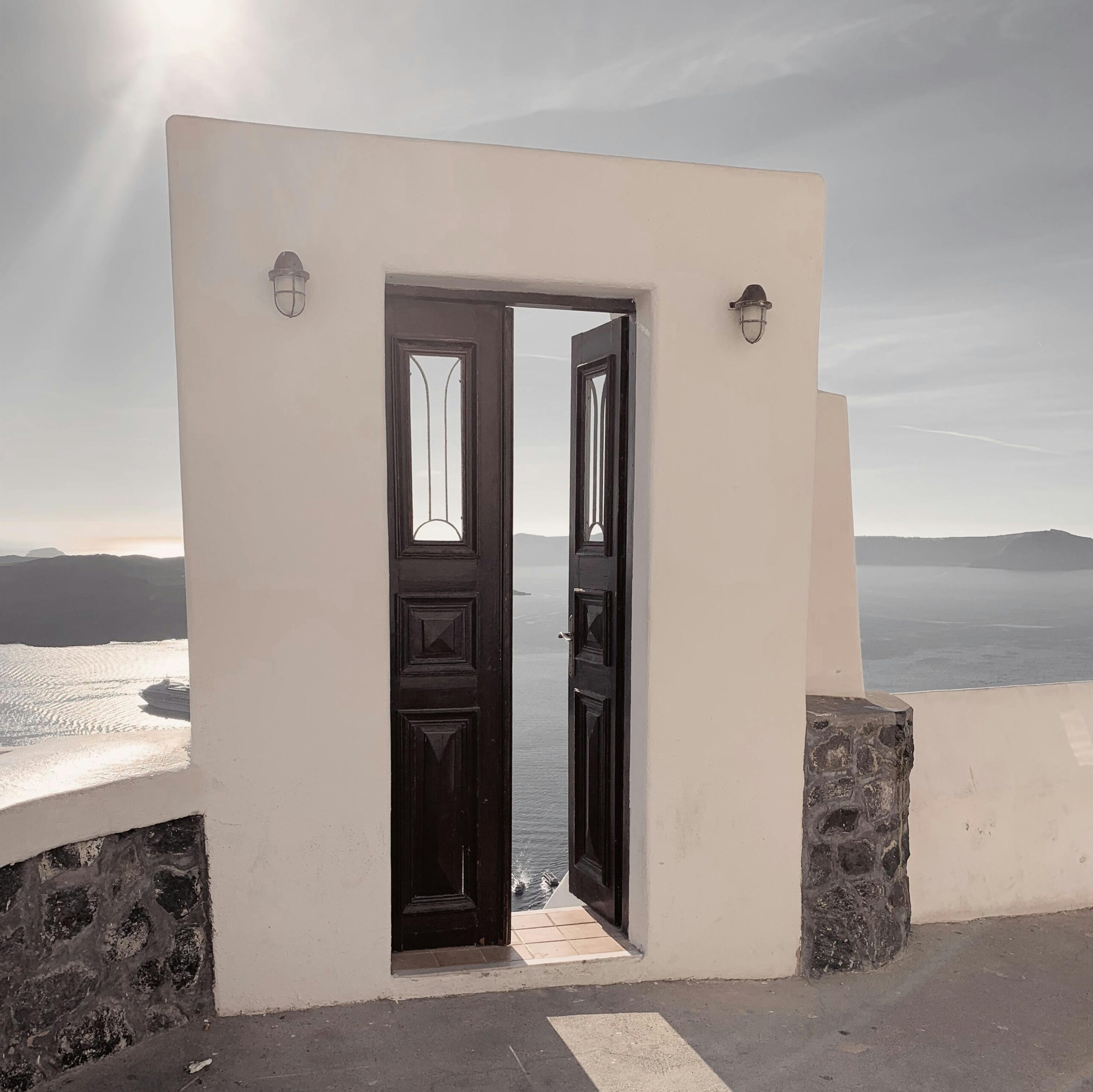
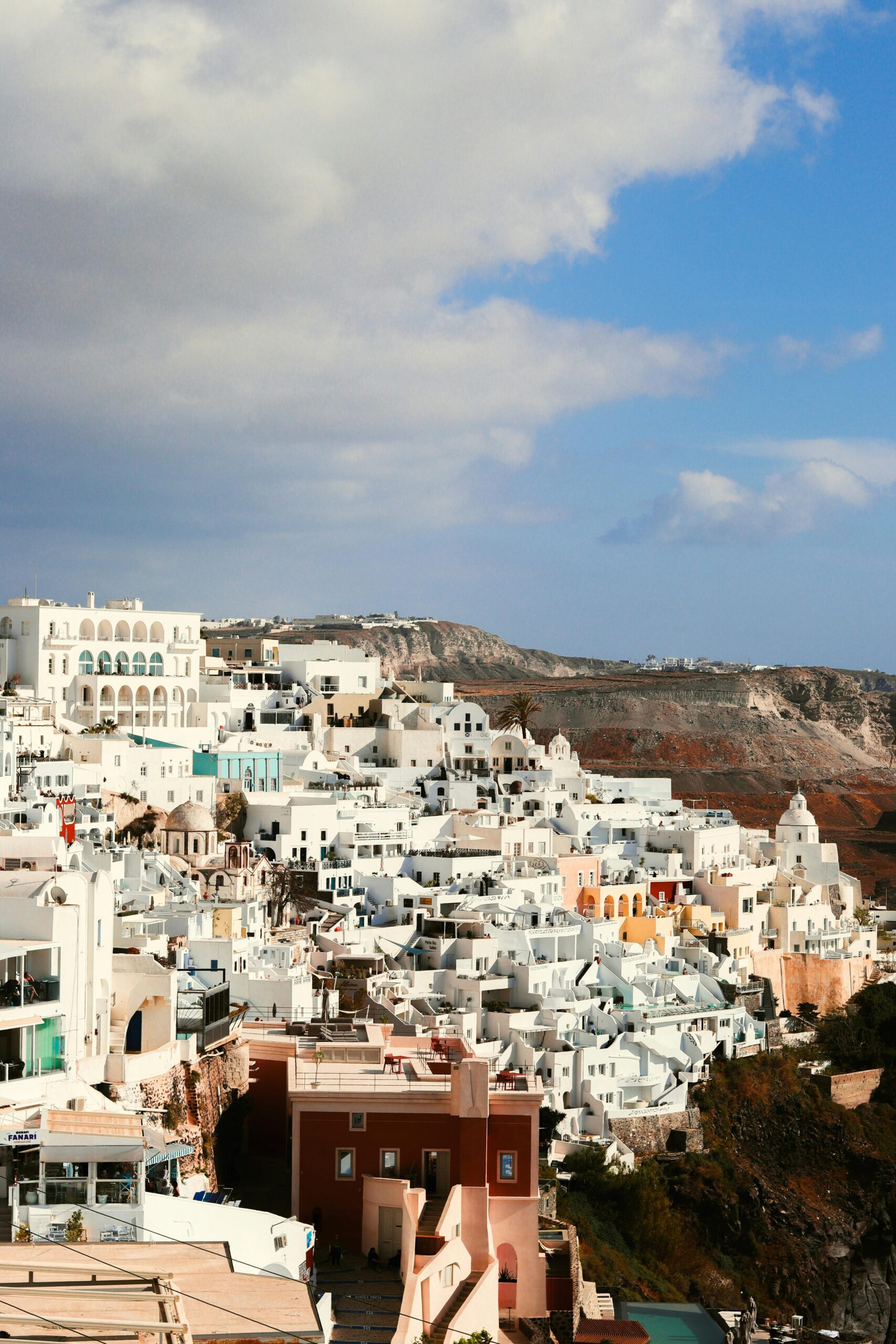
Why Santorini Is Harder to Enjoy Than People Expect
Most travelers think Santorini is difficult because it is expensive. Cost is part of it, but the bigger issue is emotional fatigue: the island asks you to work around congestion, timing pressure, and a constant sense that you are sharing every good view with a queue. That is the real reason Why Santorini Is Harder to Enjoy Than People Expect.
The island is still worth considering, but only if you understand what kind of experience it actually delivers. Santorini is not a place where you drift around casually and let the day unfold. Greece rewards travelers who arrive with a plan, and Santorini punishes the ones who assume the famous version of the island is the natural default.
What travelers get wrong about Santorini
Most travelers assume Santorini is a soft-focus island for slow romance, easy walks, and effortless sunset dinners. In reality, the famous parts are crowded, tightly scheduled by demand, and often less comfortable than people expect. The cliffside towns are not designed for convenience, and that matters more than first-time visitors realize.
The surprising part is that the island often feels less relaxing when you try to “do everything.” That is the counterintuitive truth behind Why Santorini Is Harder to Enjoy Than People Expect: the more you chase the postcard version, the more the island starts to feel like a performance with a line attached to it. Travelers who accept fewer goals usually have a better trip.
Decision logic: when Santorini works, and when it does not
Choose Santorini if you want a high-intensity, high-profile Greek island experience and you are comfortable paying for convenience where it exists. It works best for couples, short luxury stays, and travelers who care more about atmosphere and setting than about easy movement or variety. It also works if you are disciplined about what you ignore.
Do not choose it if your idea of a good island trip is beach-hopping, spontaneous dining, or a low-friction base for exploring. Santorini is a poor match for families with restless children, travelers who dislike crowds, and anyone who gets irritated by bottlenecks. If those are your priorities, the island will feel more effortful than rewarding.
The real planning mistake is treating Santorini like a general-purpose Greek island. It is not. It is a destination with a narrow use case, and when travelers force the wrong use case onto it, the result is wasted time, frustration, and the feeling that they overpaid for a scene they could not actually enjoy.
Why Santorini Is Harder to Enjoy Than People Expect in peak season
In peak season, Santorini’s biggest problem is not just volume. It is compression: too many people want the same narrow set of views, at the same hours, in the same places. That creates a trip where the day feels organized around crowd avoidance instead of enjoyment.
Most travelers assume that if they book a famous place, the experience will be famous in a good way. Actually, the fame itself is the friction. The island’s most recognizable areas are also the least forgiving of mistakes, and one badly timed outing can burn an entire afternoon.
If you want a reality check on Greek heritage and public-site expectations more broadly, the country’s official tourism resources at
Visit Greece are useful for context, but Santorini is still a case where local conditions matter more than generic advice.
Trade-off matrix: traveler type, season, and travel style
Different travelers experience Santorini very differently, and that is why blanket praise is lazy. The island can feel excellent for one person and exhausting for another, even on the same dates. The variables that matter most are crowd tolerance, flexibility, and how much you care about atmosphere versus ease.
- Couples on a short luxury break: strong fit if they accept premium pricing and want a concentrated, polished stay.
- Families with children: weak fit unless the family is unusually patient and comfortable with limited spontaneity.
- Solo travelers: good for a brief stay, less good if they want easy social energy or broad activity options.
- Travelers who hate crowds: poor fit in peak months, especially around the obvious sunset and viewpoint windows.
- Off-season visitors: better value and less pressure, but with a narrower range of open services and a quieter atmosphere that some people misread as dull.
Season changes the island more than most people expect. In shoulder season, Santorini becomes more manageable and the rough edges are easier to absorb. In high summer, the same places can feel overworked, and the island’s beauty starts competing with the logistics of being there.
That is why Why Santorini Is Harder to Enjoy Than People Expect is not a complaint so much as a warning about fit. The island is not failing; many travelers are simply asking it to do a job it was never good at doing.
What the island does well, and what it does badly
Santorini does well when the trip is short, selective, and focused on a small number of high-value experiences. It is strong for dramatic settings, polished hospitality, and a sense of occasion. It is also one of the few Greek destinations where travelers can justify paying more if they know exactly what they are buying.
It does badly when travelers expect ease, variety, or a broad island rhythm. Beaches are not the main event here, and anyone arriving with that assumption usually leaves disappointed. The island also does not reward indecision; wandering without a clear purpose often turns into time lost in the wrong places.
If you want a deeper understanding of how Greek cultural destinations are managed and presented, the Ministry of Culture gives useful background on the country’s official heritage framework. Santorini is not a museum site, but the same principle applies: once a place becomes iconic, the visitor experience changes shape.
Clear guidance for the most common traveler scenarios
If you are a first-time visitor to Greece and Santorini is your only island stop, keep the trip short and intentional. If you are choosing between Santorini and a more relaxed island, pick the relaxed island unless the visual drama of Santorini is the main reason you are coming to Greece.
If you are a couple planning a premium getaway, Santorini can work well, but only if you are comfortable paying for quiet, privacy, and reduced hassle. If you are traveling with children or with a group that moves at different speeds, the island’s friction will show up fast.
If you want the most honest summary, this is it: Santorini is best when you treat it as a specialist destination, not a general one. The travelers who enjoy it most are the ones who understand the trade-offs before they arrive.
Conclusion
Why Santorini Is Harder to Enjoy Than People Expect is ultimately a question of fit, not quality. The island can be excellent, but only for travelers who want its specific mix of intensity, polish, and crowd management. If you want easy movement, broad variety, and a low-stress island rhythm, you should look elsewhere.
The right answer depends on how you actually travel — your pace, your priorities, and what you’re willing to trade off. If you’re not sure which option fits, that uncertainty is itself useful information.
Recommended experiences
Some experiences mentioned here are curated and managed by Elite Greece Travels.
- Athens Milos Santorini Itinerary 9 Days — Itinerary (managed by Elite Greece Travels).
- Greece 7 Day Itinerary Athens Delphi Meteora Santorini — Itinerary (managed by Elite Greece Travels).
- Santorini Sunset Cruise With Dinner In The Caldera — Cruise (managed by Elite Greece Travels).
Frequently asked questions
Why is Santorini harder to enjoy than people expect?
Because the famous version of the island comes with crowd pressure, timing stress, and a lot less spontaneity than most travelers assume. The setting is real, but the ease is often not.
Is Santorini overrated?
Not really. It is more accurately misunderstood. Travelers often expect a relaxed island and instead get a high-demand destination that works best with careful expectations.
When is Santorini easiest to enjoy?
Outside peak summer, when crowd pressure is lower and the island feels less compressed. Shoulder season is usually the safest choice for travelers who want a calmer experience.
Who should skip Santorini?
Travelers who dislike crowds, families who want easy logistics, and anyone expecting a laid-back island with lots of spontaneity. It is also a weak fit for people who want broad beach time or loose, unstructured days.
Is Santorini worth it for a first trip to Greece?
Yes, if you want a short, iconic, high-impact stay and understand the trade-offs. No, if you want your first Greece trip to feel easy and varied.
What is the biggest mistake people make in Santorini?
Trying to do too much and expecting the island to feel simple. That usually leads to wasted time, crowd frustration, and a trip that feels more managed than enjoyable.