

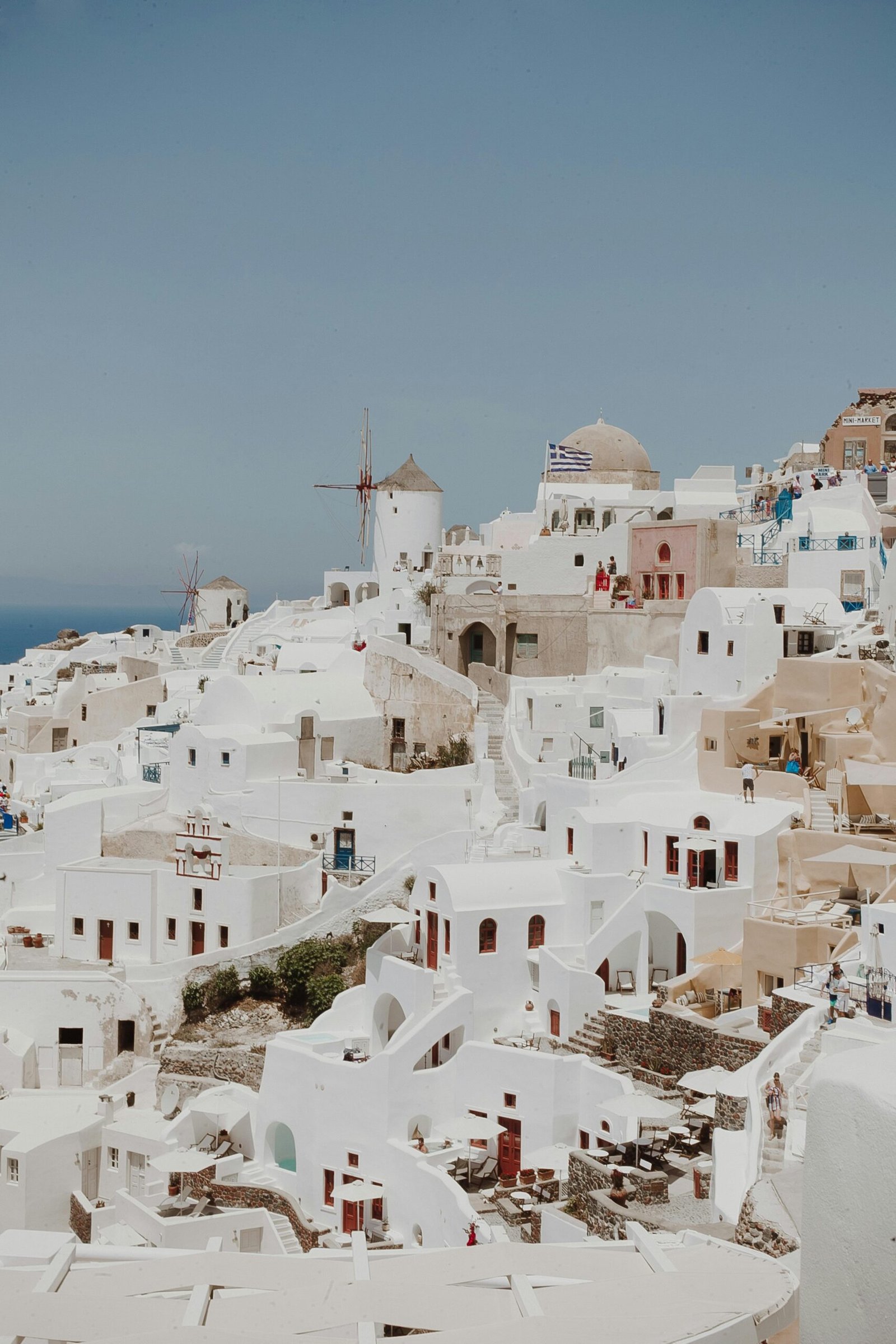
Why Santorini Is Harder to Plan Than It Looks is that the island punishes vague planning. People assume one hotel in one famous view will solve everything, then discover they’ve booked the wrong part of the island for the way they actually travel.
The real issue is not whether Santorini is worth visiting. It is whether you understand the trade-offs between caldera views, beach access, village atmosphere, and daily crowd pressure before you commit to a base. Get that wrong and the trip feels efficient on paper but awkward in practice.
Why Santorini Is Harder to Plan Than It Looks
Santorini is one of Greece’s easiest places to visit badly. That sounds harsh, but it is accurate, and I have seen it happen repeatedly: people spend heavily, then stay in the wrong area, at the wrong time of year, for the wrong kind of trip.
Why Santorini Is Harder to Plan Than It Looks is not a slogan. It is the reality that this island forces you to choose between views, convenience, pace, and comfort. You usually get two of those, not all four.
What travelers consistently get wrong on Santorini
The first mistake is assuming Oia is the default answer. Oia is polished, expensive, and heavily managed for visitors, but many travelers do not actually want to spend their whole stay in a place built around short, high-intensity viewing periods. They want calm mornings, easier movement, and less pressure to “make the most” of every hour.
The second mistake is treating Santorini like a beach island in the same sense as Naxos or Paros. The island has beaches, but if your priority is long, easy beach days, Santorini is not the cleanest fit. You can absolutely enjoy the coast here, but that is not what the island does best.
A third mistake is underestimating crowd concentration. Santorini is not just busy in summer; it is unevenly busy, which is worse. A traveler can be staying in a quiet-feeling hotel and still run into dense pressure in the places they actually want to see.
Why Santorini Is Harder to Plan Than It Looks: the area choice matters more than the hotel
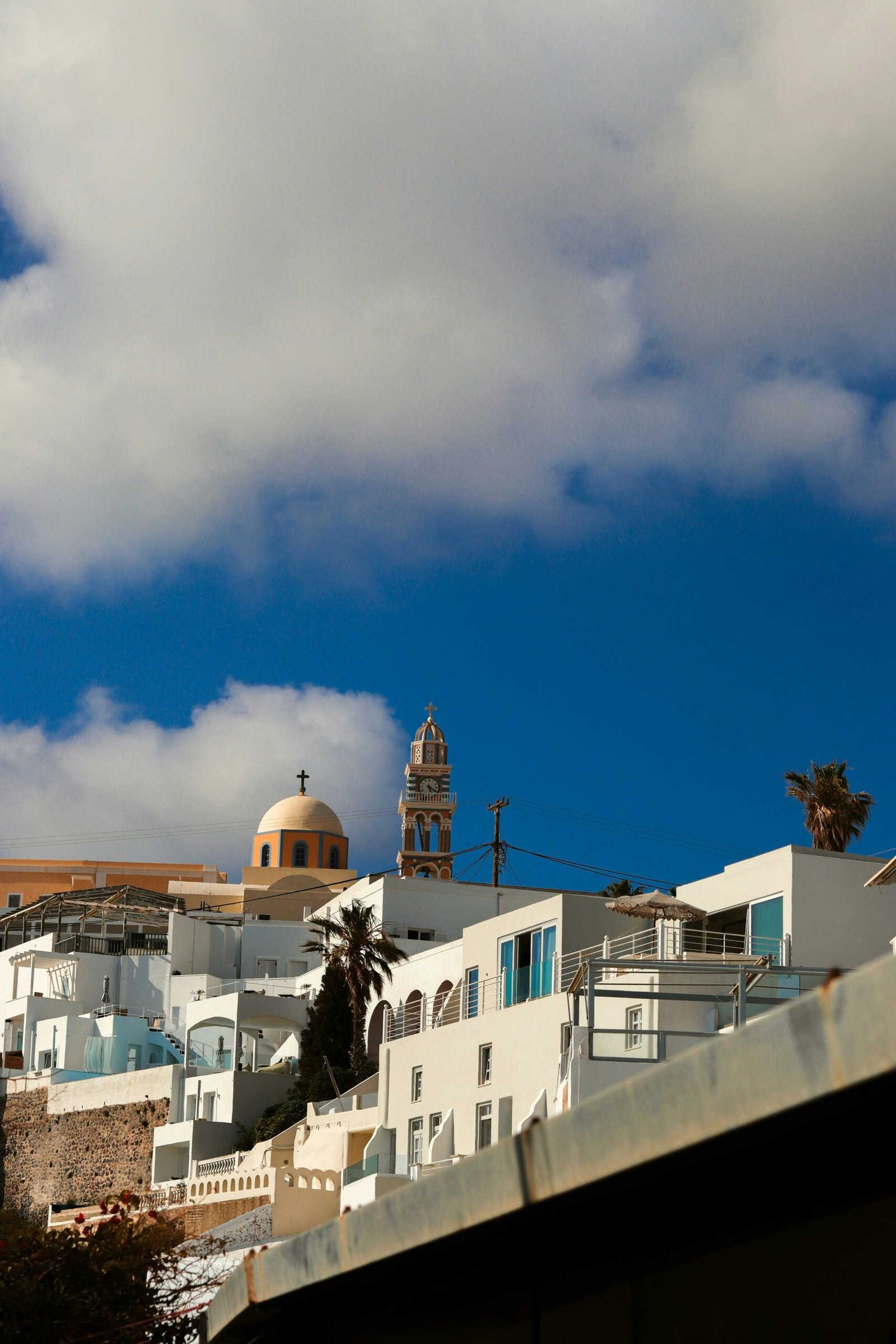
Fira suits travelers who want central access and do not mind a livelier, more commercial base. It is practical, but it is not serene. If you want energy and a straightforward first-time visit, it works; if you want privacy and quiet, it is the wrong call.
Oia is the obvious choice for people chasing the classic caldera view, but it is the least forgiving area for travelers who dislike crowds or rigid timing. You gain the famous outlook and polished dining scene, and you give up ease, flexibility, and a sense of breathing room.
Imerovigli is the strongest choice for many couples and design-conscious travelers because it gives you caldera views without quite as much performative pressure as Oia. It still comes with premium pricing and a limited range of casual options, so nobody should expect a relaxed village with bargain-friendly convenience.
Pyrgos works for travelers who want a more local-feeling base and are less obsessed with being on the rim of the caldera every minute. It is a better fit for people who value atmosphere over spectacle. If someone wants to be able to step out and immediately feel in the middle of the action, Pyrgos will frustrate them.
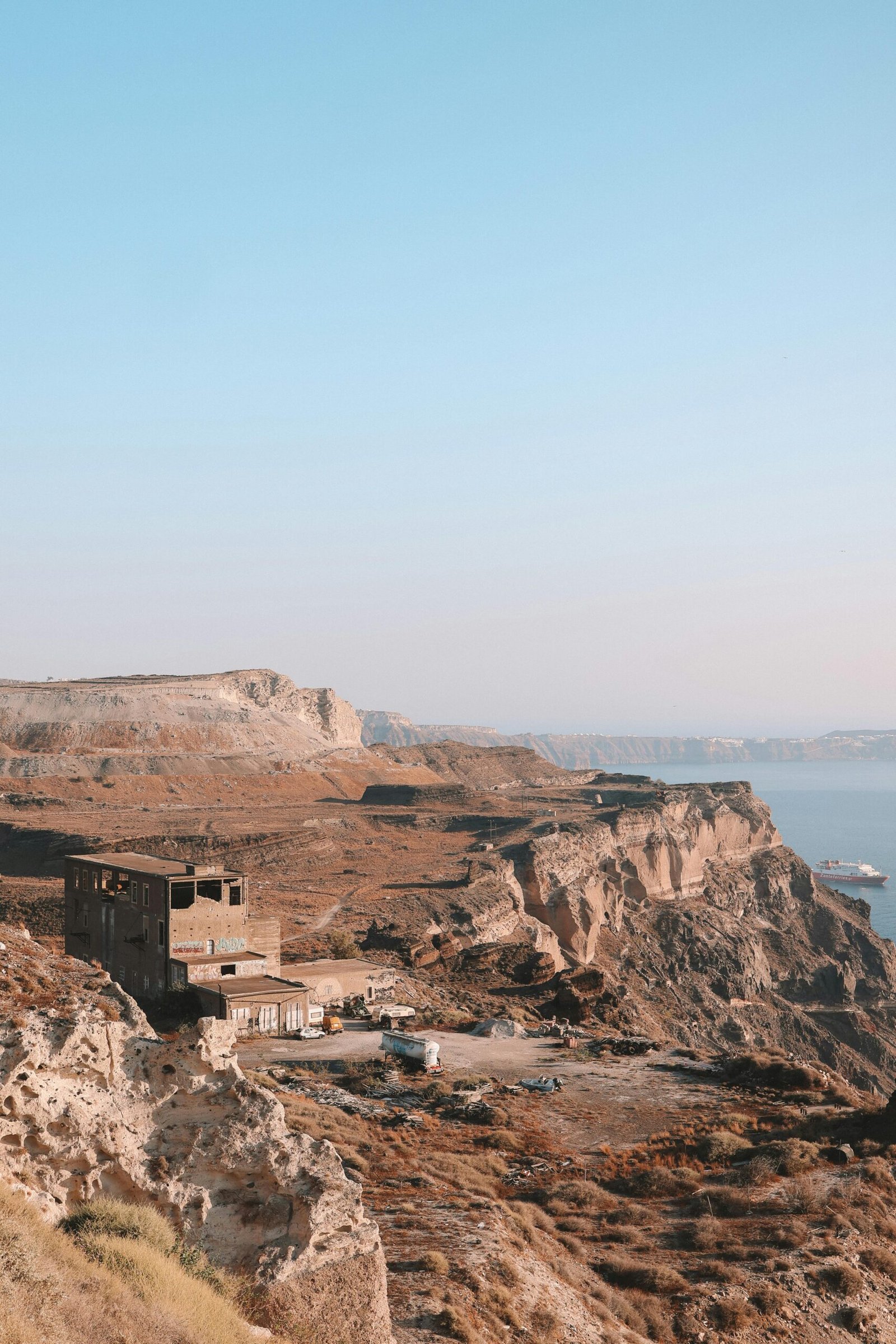
Akrotiri is often overlooked by travelers who only read headline advice. It suits people who care more about space, archaeology, and a less congested feel than about being in the island’s most photographed zones. The trade-off is simple: more breathing room, less instant glamour.
The counterintuitive truth about Santorini
The surprising thing is that the most expensive part of Santorini is not always the most satisfying part of Santorini. A top-tier caldera hotel can be a smart choice for the right traveler, but for many people it becomes a self-imposed trap: they pay more to sit in a place that encourages them to stay put, then complain that the island feels small.
That is why Why Santorini Is Harder to Plan Than It Looks matters so much. The island can feel luxurious and efficient in photos, but in real life the wrong base creates friction. You end up overpaying for a view you barely use while spending more energy than you expected on simple decisions about where to eat, where to walk, and when to go out.
Season changes the island more than most visitors realize
Spring and early fall are the sweet spots for travelers who want the island to feel composed rather than strained. You still need to plan carefully, but the island is more forgiving, and the experience feels closer to what people think they are booking in the first place.
July and August are for travelers who accept high prices, stronger crowds, and less room for spontaneity. If you want premium accommodation in those months, you need to be realistic about what you are paying for: not tranquility, but access and status.
Winter is a different proposition entirely. Some travelers love it for space and lower pressure, but many businesses scale back and the island can feel stripped down. If someone wants a full, lively luxury experience, winter is not the time to improvise.
Who this suits
Santorini suits couples, design-focused travelers, honeymooners who value privacy, and repeat Greece visitors who already understand that a famous island is not automatically the right island. It also suits people who want a short, high-impact stay built around views, dining, and a polished hotel experience.
It does not suit travelers who want easy beach days, large groups that need flexible shared space, budget travelers expecting broad value, or families who need a lot of movement without friction. It also disappoints people who want a low-key island rhythm and then arrive expecting a destination that behaves like a larger, gentler Cycladic island.
- Best fit: couples, honeymooners, design-led travelers, short luxury stays, repeat Greece visitors
- Poor fit: beach-first travelers, budget travelers, large groups, families wanting easy logistics, people who dislike crowds
Where Santorini gives you something and takes something else away
Oia gives you the most recognizable setting and the strongest sense of occasion. It takes away ease, quiet, and value. If you choose it, do so knowingly, not because it is the name everyone repeats.
Imerovigli gives you a more balanced version of the caldera experience. It takes away some of the instant buzz and some dining variety, but for many travelers that is a fair exchange.
Fira gives you convenience and movement. It takes away calm and refinement. Pyrgos gives you character and a less staged feel. It takes away the obvious postcard payoff that many travelers think they want until they arrive.
If you want a broader Greece planning context, the official national tourism site at
Visit Greece is a useful starting point, but Santorini still needs local-level judgment. The island is too compressed and too seasonal for generic advice to be enough.
What goes wrong when travelers ignore this advice
The most common planning failure is booking a beautiful hotel in the wrong place, then spending the whole trip compensating for that decision. People with a beach-first mindset end up frustrated by caldera-area logistics, while people chasing the classic view sometimes realize they have no interest in paying premium rates for an area they barely use.
Another frequent mistake is sequencing the island as if every day should be packed. Santorini is not built for constant movement. If you treat it like a checklist destination, you usually end up tired, overbudget, and oddly unsatisfied.
There is also a very practical consequence to ignoring season and base choice: you can end up locked into expensive accommodation that does not match your actual pace, then feel reluctant to change plans because you already paid for the view. That is how a trip becomes technically successful and personally disappointing.
For travelers who want the island in context, not as a standalone fantasy, the Ministry of Culture and Sports site at culture.gov.gr is useful for understanding the broader heritage framework behind places like Akrotiri and the island’s archaeological value.
My blunt recommendation
If you want Santorini done well, stop asking which hotel is best and start asking which kind of trip you are actually trying to have. That is the real planning problem. The island is not difficult because it lacks options; it is difficult because the wrong option is expensive and easy to justify in advance.
Why Santorini Is Harder to Plan Than It Looks is exactly why travelers should be deliberate here. Choose the area first, then the season, then the pace. If you reverse that order, you are likely to buy an expensive version of the wrong experience.
Greece rewards travelers who arrive with a plan built around how they actually travel — not a generic template. The difference between a frustrating trip and a remarkable one often comes down to sequence, timing, and knowing which trade-offs matter for your situation.
Recommended experiences
Some experiences mentioned here are curated and managed by Elite Greece Travels.
- Athens Milos Santorini Itinerary 9 Days — Itinerary (managed by Elite Greece Travels).
- Greece 7 Day Itinerary Athens Delphi Meteora Santorini — Itinerary (managed by Elite Greece Travels).
- Santorini Sunset Cruise With Dinner In The Caldera — Cruise (managed by Elite Greece Travels).
Frequently asked questions
Is Santorini worth visiting if I only have a few days?
Yes, if you want a high-impact stay and you are realistic about what the island does best. A short visit works better than a long one for many travelers because Santorini can feel repetitive if you expect constant variety.
What is the biggest mistake people make when booking Santorini?
They choose the most famous area instead of the area that matches their travel style. That usually means paying too much for a base that creates friction rather than convenience.
Which area is best for first-time visitors?
For many first-timers, Imerovigli is the most balanced choice, especially for couples. Fira works if you want more activity, while Oia is best only if the classic view is your top priority.
Is Santorini a good beach destination?
Not really, not in the way most people mean it. The island has beaches, but it is stronger for views, dining, and a premium stay than for easy all-day beach life.
When is the best time to plan Santorini?
Spring and early fall are the most forgiving periods for most travelers. Summer is busy and expensive, while winter is quieter but less complete in terms of services and atmosphere.
Who should skip Santorini?
Travelers who want low-cost value, long beach days, large-group flexibility, or a very relaxed island rhythm should look elsewhere. Santorini can frustrate people who want simplicity without paying for it.