

Why Santorini Is Harder to Plan Than Most Greece Trips because the island punishes vague planning. It looks straightforward on a screen, but the real problem is that Santorini is small, expensive, and highly segmented by location, season, and crowd pressure.
Most travelers underestimate how much their experience changes based on where they stay and when they arrive. If you want Santorini to feel polished instead of frantic, you need to think like an operator, not a daydreamer.
Why Santorini Is Harder to Plan Than Most Greece Trips
Why Santorini Is Harder to Plan Than Most Greece Trips for first-time visitors
Why Santorini Is Harder to Plan Than Most Greece Trips comes down to one thing: the island is sold as simple, but it is actually a precision destination. The wrong base, the wrong season, or the wrong expectation can turn a luxury stay into a series of compromises. That is not a minor issue on an island where people are paying premium rates for a very specific idea of ease.
The biggest mistake is assuming Santorini works like a relaxed Greek island with better views. It does not. Santorini is a place where the experience is shaped by crowd flow, hotel positioning, and whether you understand which parts of the island are built for atmosphere and which are built for convenience.
The second mistake is treating all sunset-facing areas as equal. They are not. Oia, Imerovigli, Fira, Firostefani, Pyrgos, and Akrotiri each produce a different trip, and travelers who ignore that usually overpay for the wrong kind of stay.
The planning mistakes travelers repeat again and again
People consistently get the accommodation choice wrong. They book for the view and then discover they are too far from the kind of dining, calm, or access they actually wanted. In Santorini, a beautiful room in the wrong place is still the wrong room.
They also underestimate how quickly the island becomes operationally annoying in peak months. June through September is not just busy; it changes the entire feel of Oia, Fira, and even parts of Imerovigli. If you are expecting privacy and a slow pace, those months can be a poor match unless your base is chosen very carefully.
Another common error is assuming Santorini is best for a packed island-hopping schedule. It is not. Santorini works best when it is treated as a destination in its own right, not as a quick add-on that needs to fit around everything else.
Where the island actually works best
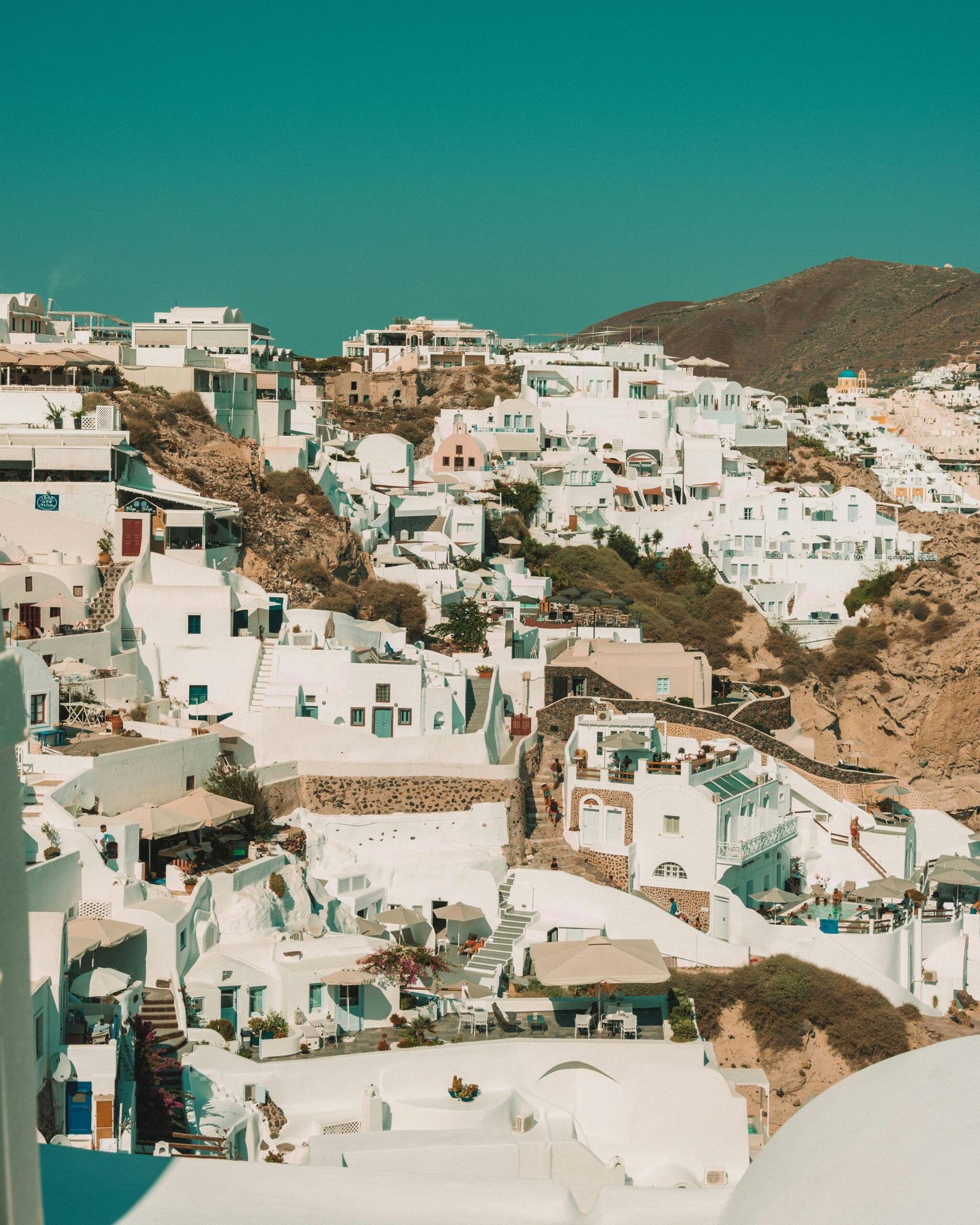
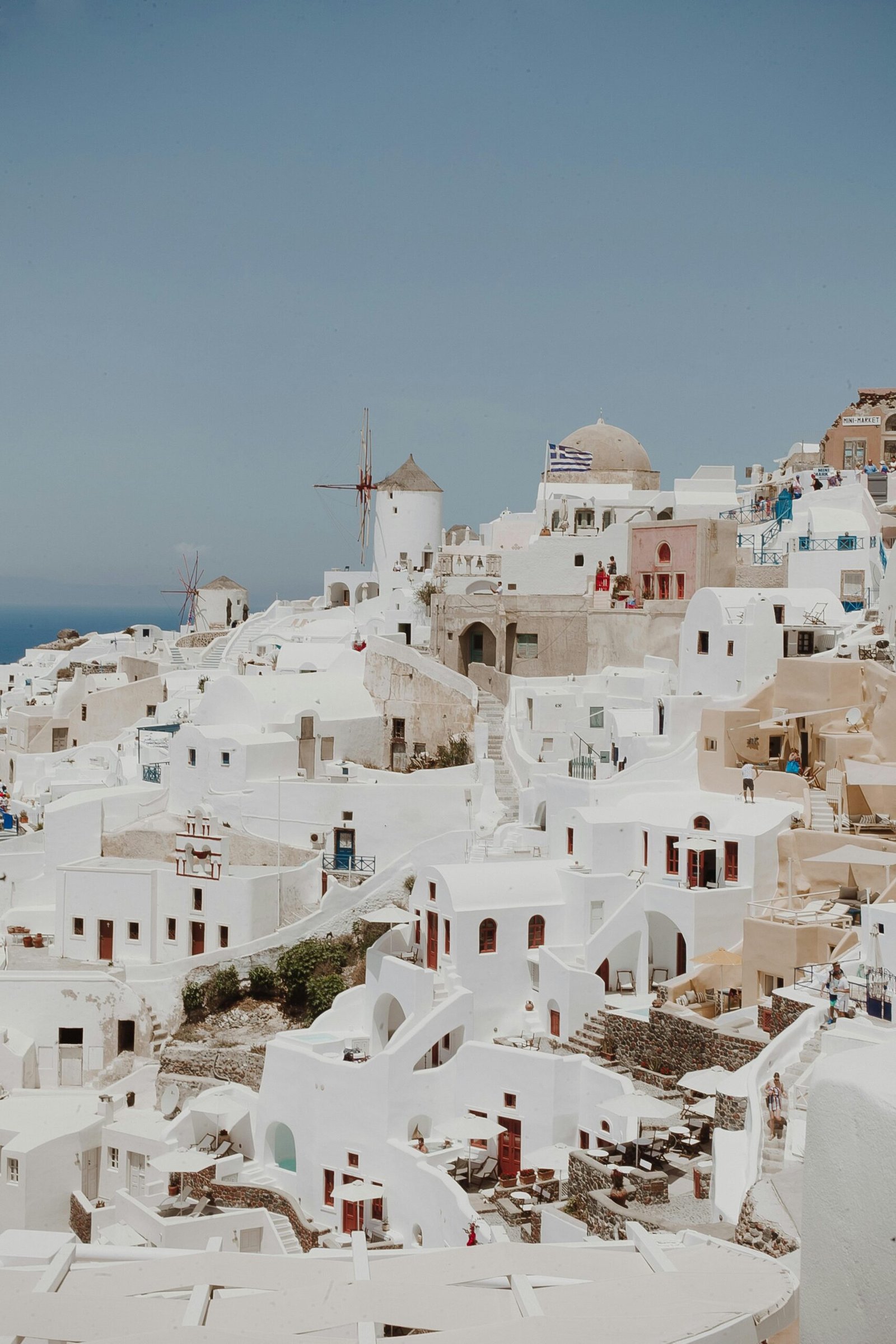
Oia is the obvious choice for people who want the classic visual version of Santorini, but it is also the most heavily managed by crowd pressure. It suits travelers who accept that beauty here comes with noise, traffic, and a premium on timing. If you want polished hotels and do not mind sharing the island with everyone else who had the same idea, Oia works.
Imerovigli is usually the smarter luxury base for couples who want a calmer feel without leaving the caldera experience behind. It is less chaotic than Oia and usually a better fit for people who care about privacy more than being in the center of the action. The trade-off is that it can feel quiet to the point of being limited for some travelers.
Fira is practical, central, and often underestimated by travelers who assume it is too busy to be worthwhile. In reality, it can make sense for visitors who want easier access to services and a more flexible trip. The downside is that it is not the best choice for people chasing a serene, exclusive atmosphere.
Firostefani sits in a useful middle zone. It offers some of the same caldera advantages as the more famous areas but usually with less pressure. This is one of the places where experienced planners can still create a balanced stay without paying for the most obvious name.
Pyrgos appeals to travelers who care more about character and space than direct caldera drama. It is a better fit for people who want a more grounded version of Santorini and are willing to trade the classic cliffside scene for a less crowded, more settled base. Akrotiri suits visitors who prioritize a quieter southern side and do not need the island to revolve around the postcard version of itself.
- Choose Oia if you want the classic Santorini look and accept the crowd cost.
- Choose Imerovigli if you want a more controlled luxury stay.
- Choose Fira if convenience matters more than calm.
- Choose Pyrgos or Akrotiri if you want space and a less obvious base.
A counterintuitive truth about Santorini
The surprising part is that the most expensive option is not always the most luxurious experience. In Santorini, paying more can buy you a better view but a worse day-to-day stay if the property is exposed to crowd flow, poor positioning, or constant foot traffic. Some of the island’s most expensive rooms are excellent for photos and mediocre for actually relaxing.
That is why Why Santorini Is Harder to Plan Than Most Greece Trips is not just a catchy phrase; it is a real planning warning. Travelers who chase the most famous address often end up with the least comfortable version of the island. The better move is to start with the kind of trip you want, then choose the location that supports it.
What you gain, and what you give up
Santorini gives you dramatic scenery, high-end hotel product, and a level of polish that many Greek islands do not try to deliver. It is one of the few places in Greece where luxury can feel very concentrated and very deliberate. If done well, the stay feels tight, efficient, and memorable.
What you give up is flexibility. You give up low-friction wandering, you give up bargain pricing, and in peak season you give up the illusion that the island will feel private just because your hotel is expensive. Travelers who want room to improvise usually find Santorini more constrained than expected.
This is also why I tell clients to look at Santorini as a design problem, not a destination problem. Once you understand the island’s pressure points, the trip becomes much easier to shape. Ignore them, and you get a beautiful but irritating stay.
Who this suits, and who should think twice
Santorini suits couples, luxury-first travelers, honeymooners who want a controlled and visually strong setting, and repeat Greece visitors who already know they are paying for a specific kind of experience. It also suits travelers who value a polished hotel stay more than broad exploration. If the room, the view, and the atmosphere matter more than constant movement, Santorini can work very well.
It does not suit travelers who want an easy, relaxed island with lots of spontaneous options. It is a poor match for families who need space and flexibility, for budget travelers who want value, and for people who get annoyed by crowds fast. If your ideal Greece trip is low-friction and loosely structured, Santorini may frustrate you.
If you want a more reliable sense of how the island fits into a wider Greece trip, start with broader planning guidance from
Visit Greece and then narrow the island choice around your actual priorities. Santorini is not hard because it is complicated on paper; it is hard because bad assumptions are expensive.
How expert planning changes the outcome
The real value of expert help is not luxury decoration. It is avoiding the predictable mistakes that ruin the mood before the trip even starts. That means choosing the right neighborhood, understanding when the island feels manageable, and being honest about whether your expectations match the place.
Why Santorini Is Harder to Plan Than Most Greece Trips is exactly why generic advice fails here. A good plan is not about squeezing more in; it is about removing friction. The right structure can make Santorini feel elegant, while the wrong one makes it feel overpriced and crowded.
For travelers who want the island to feel intentional rather than chaotic, that distinction matters more than any hotel star rating. It is also why Santorini should be planned as a destination with a point of view, not as a checkbox on a Greece itinerary. For context on how Greece’s cultural and heritage framework shapes travel expectations more broadly, the official resources at the Hellenic Ministry of Culture are worth using alongside destination research.
Most Greece trips follow the same tired script. The ones that don’t — the ones travelers still talk about years later — were built around a real understanding of how this country works. That kind of understanding takes time, or it takes someone who already has it.
Recommended experiences
Some experiences mentioned here are curated and managed by Elite Greece Travels.
- Athens Milos Santorini Itinerary 9 Days — Itinerary (managed by Elite Greece Travels).
- Greece 7 Day Itinerary Athens Delphi Meteora Santorini — Itinerary (managed by Elite Greece Travels).
- Santorini Sunset Cruise With Dinner In The Caldera — Cruise (managed by Elite Greece Travels).
Frequently asked questions
Why is Santorini harder to plan than other Greek islands?
Because small mistakes cost more here. Location, season, and crowd pressure affect the experience much more sharply than on most Greek islands, especially if you want a luxury feel.
What is the biggest mistake travelers make in Santorini?
Booking the wrong base. Many people choose a famous area for the view and then realize it is too crowded, too exposed, or too far from the kind of stay they actually wanted.
Is Oia always the best place to stay?
No. Oia is the most famous choice, but it is also the most crowded and least forgiving. It works for travelers who want the classic look and accept the trade-offs.
Which areas are better for a calmer stay?
Imerovigli is usually the strongest choice for a calmer caldera stay. Pyrgos and Akrotiri can also work well for travelers who want less pressure and more space.
When does Santorini become hardest to manage?
Peak summer months are the most demanding, especially from June through September. Crowds, pricing, and pressure on the most popular areas all rise sharply.
Who should skip Santorini?
Travelers who want a loose, low-cost, highly spontaneous island trip often end up disappointed. It is also not ideal for people who dislike crowds or need lots of flexibility.
Can Santorini still feel luxurious?
Yes, but only with the right planning. Luxury here is less about spending more and more about choosing the right area, the right season, and the right expectations.