

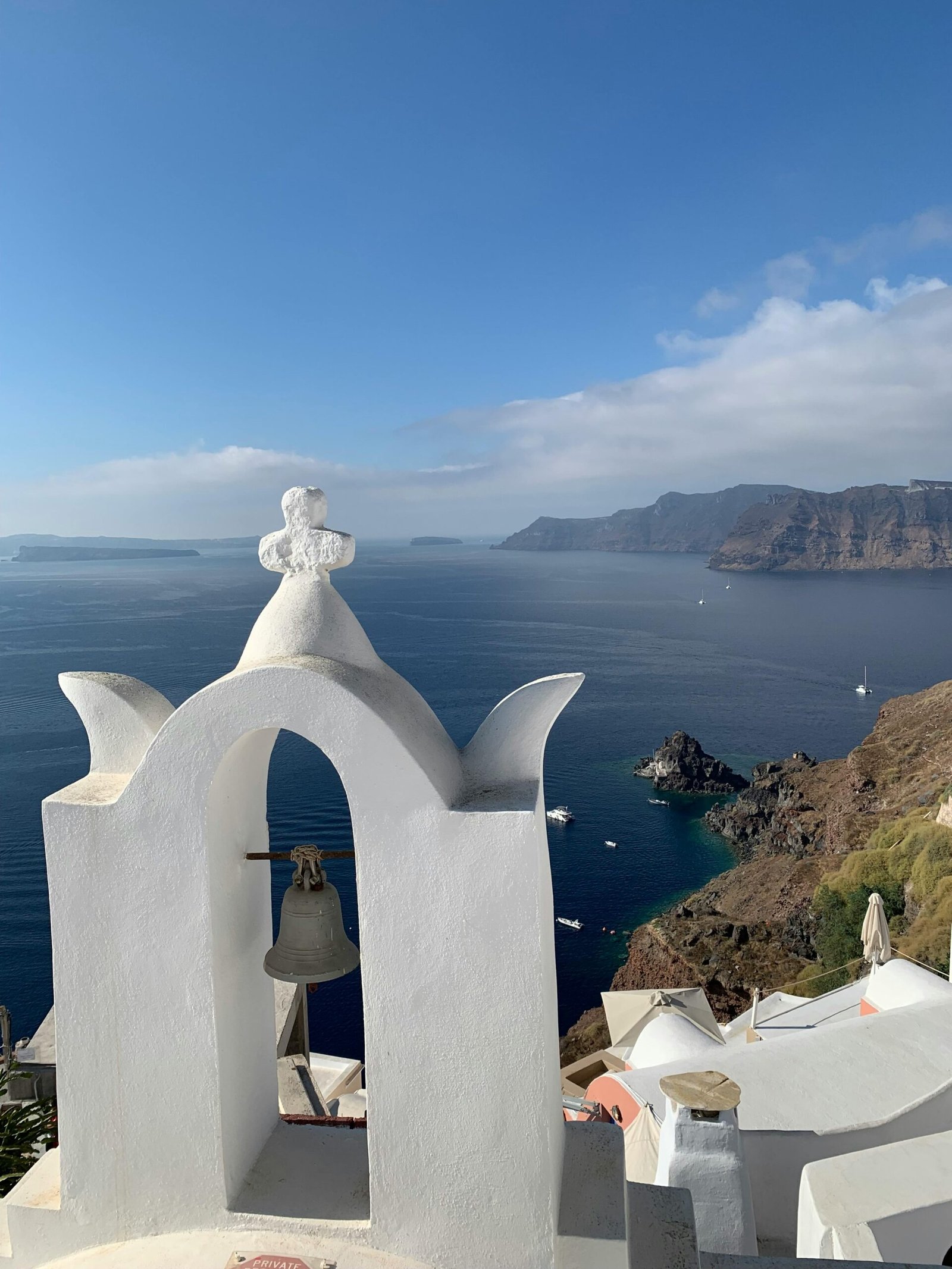
Why Santorini Is Harder to Plan Well Than Most People Expect is simple: the island punishes vague planning. Most travelers think they are choosing between nice views and nice hotels, when the real decision is whether they want convenience, calm, access, or a quieter version of the island that still feels like Santorini.
The mistakes are predictable. People overfocus on caldera views, underestimate how much crowd pressure changes the feel of the island, and choose accommodation based on photos instead of movement, noise, and practical comfort.
Why Santorini Is Harder to Plan Well Than Most People Expect
Santorini is not difficult because it is complicated in the abstract. It is difficult because too many travelers want the same few things at the same time: caldera views, easy access, low crowds, and a clean, polished experience. You do not get all of that in one place, and pretending you can is where trips go wrong.
I take a clear position here: Santorini is one of the easiest Greek islands to overpay for and one of the easiest to underplan. If you choose the wrong base, the island starts to feel congested, expensive, and oddly transactional. If you choose well, it is still busy in parts, but the trip feels controlled instead of chaotic.
Why Santorini Is Harder to Plan Well Than Most People Expect
The island’s geography creates false confidence. On a map, the distances look manageable, but the lived experience is shaped by steep terrain, limited space, and a concentration of visitors in the same narrow zones. That means a hotel with a famous view can still be a poor choice if you dislike noise, stairs, or constant foot traffic.
Another thing travelers get wrong is assuming Santorini is best experienced by staying in the busiest caldera strip. That is the most obvious choice, not the smartest one. You gain the classic view and easy access to the postcard version of the island, but you give up privacy, value, and often sleep quality.
There is also a seasonal mistake people make. In peak months, Santorini does not just get busy; it becomes a different product. Restaurants are fuller, premium rooms sell fast, and the island’s most photographed areas can feel like a queue rather than a place to stay.
Where to Stay: The Trade-Offs People Ignore
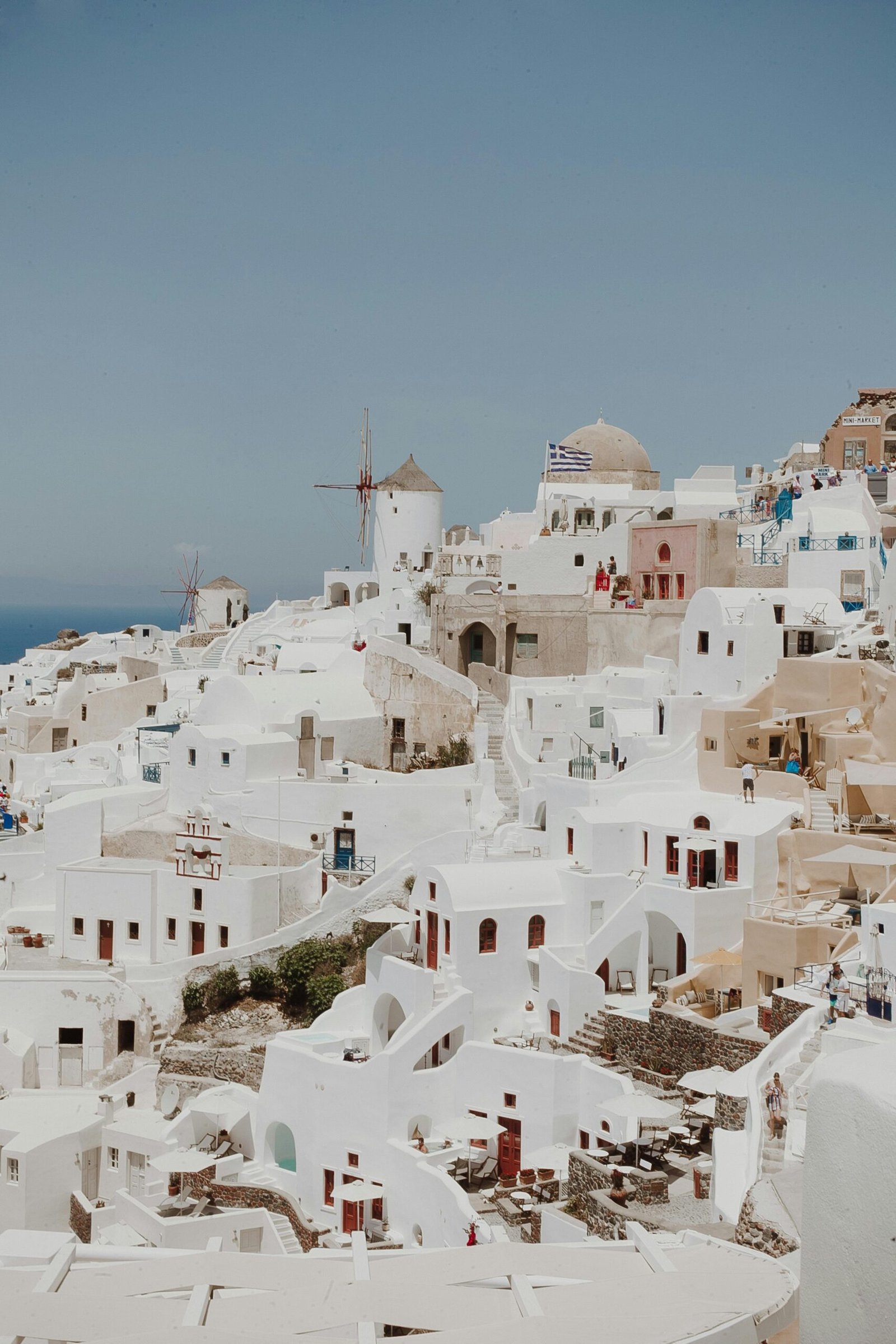
Oia is the most obvious choice, and that is exactly why it is so often the wrong one for certain travelers. It suits people who want the signature caldera look and are willing to pay for it, but it can feel overmanaged and expensive for anyone who values space, ease, or a less performative atmosphere. If you want the version of Santorini that feels most like the photos, Oia delivers that. If you want value or flexibility, it usually does not.
Fira is more practical than Oia and less polished in the luxury sense, but it gives you a central position and a broader range of hotels and dining. The trade-off is obvious: more movement, more noise, more of the island’s everyday tourist traffic. For some travelers, that is useful. For others, it is exactly what they hoped to escape.
Imerovigli is the strongest compromise for many couples and repeat visitors. It tends to feel calmer while still delivering the caldera setting people are paying for. The catch is that it is not the best fit for travelers who want easy walkable variety or a lively evening scene.
Akrotiri is consistently underestimated. It is not the place for people chasing the classic Santorini image, but it suits travelers who want more space, a quieter base, and a more grounded stay. You lose some of the immediate drama of the caldera edge, but you gain breathing room and a better chance of feeling like a guest rather than a spectator.
Kamari and Perissa are useful only if you are clear about what you want. These are better for travelers who prioritize beach access and a more straightforward stay than the caldera-view fantasy. They are not the right choice for anyone who expects the island’s most iconic visual experience from their hotel.
Two Planning Mistakes That Cause Real Friction
The first mistake is choosing accommodation by room photo alone. A beautiful suite can still be a poor base if it is exposed to foot traffic, service noise, or constant movement from nearby viewpoints. In Santorini, the setting around the hotel matters as much as the room itself.
The second mistake is treating the island as if every part of it serves the same kind of trip. Santorini is not one destination in the practical sense. Oia, Fira, Imerovigli, Akrotiri, Kamari, and Perissa each reward a different kind of traveler, and mixing those expectations is where disappointment starts.
This is also where people underestimate the consequences of bad sequencing. If you leave the island’s most crowded zones for the wrong part of the day, or if you schedule your most important dinner or sunset experience without understanding how congested the island gets, you end up spending more time managing the trip than enjoying it. That is the difference between a smooth stay and one that feels like constant friction.
A Counterintuitive Truth About Santorini
The counterintuitive truth is that the most expensive part of Santorini is not always the hotel rate. It is the amount of compromise you accept when you chase the most famous address without thinking about how you actually travel. People pay more to stay in the wrong place, then spend the trip irritated by noise, crowds, or inconvenience.
In practice, a slightly less famous base often produces a better Santorini experience than the top-tier postcard option. That is not a romantic idea. It is simply how the island works once you factor in crowd pressure, comfort, and the kind of pace you want for the trip.
For travelers who want context before they book, the official Greece tourism resources at
Visit Greece are useful for basics, but they do not solve the planning problem on their own. The real issue is matching the island’s layout to your travel style, which is where most generic advice falls apart.
Who This Suits
Santorini suits travelers who can accept trade-offs and who care about atmosphere more than novelty. It works well for couples, honeymooners, design-focused travelers, and people who want a short, polished stay with a clear sense of place. It also suits repeat visitors who already know they do not want the island’s most obvious version.
It does not suit travelers who want easy spontaneity, low cost, or a relaxed beach-island rhythm. It is also a poor match for people who get annoyed by crowds, steep terrain, or paying a premium for positioning. Families can enjoy it, but only if they choose the base carefully and do not expect the island to behave like a simple resort destination.
- Best fit: couples, luxury travelers, design-led travelers, and repeat visitors who want the caldera setting without the most obvious crowd pressure.
- Poor fit: budget travelers, large mixed-age groups, and anyone who wants a quiet, easygoing island with minimal planning.
What You Gain and What You Give Up
If you plan Santorini well, you gain a trip that feels intentional rather than crowded and overpriced. You can still have the views, the atmosphere, and the sense of being in one of Greece’s most recognizable places, but without letting the island dictate every decision for you.
What you give up is the fantasy that one booking choice will solve everything. Santorini asks you to choose between view, calm, convenience, and budget. The people who enjoy it most are the ones who make those trade-offs deliberately instead of hoping the island will somehow deliver all four.
For travelers who want a broader sense of how Greece is structured as a destination, the national tourism site at
Visit Greece is a useful starting point, but Santorini still needs more specific thinking than a standard island search. That is exactly why Why Santorini Is Harder to Plan Well Than Most People Expect remains true for so many first-time visitors.
Final Position: Plan Santorini Like a High-Constraint Destination
Do not plan Santorini as if it were a generic island stop. Plan it as a high-demand, high-contrast destination where location choices change the entire tone of the trip. That is the only way to avoid paying top prices for a version of the island that feels crowded and generic.
If you want the island to feel worth it, choose the base first, then the room, then the pace. That order matters more in Santorini than most travelers realize. Why Santorini Is Harder to Plan Well Than Most People Expect is not a marketing line; it is the practical truth behind nearly every disappointing booking.
Greece rewards travelers who arrive with a plan built around how they actually travel — not a generic template. The difference between a frustrating trip and a remarkable one often comes down to sequence, timing, and knowing which trade-offs matter for your situation.
Recommended experiences
Some experiences mentioned here are curated and managed by Elite Greece Travels.
- Athens Milos Santorini Itinerary 9 Days — Itinerary (managed by Elite Greece Travels).
- Greece 7 Day Itinerary Athens Delphi Meteora Santorini — Itinerary (managed by Elite Greece Travels).
- Santorini Sunset Cruise With Dinner In The Caldera — Cruise (managed by Elite Greece Travels).
Frequently asked questions
Why is Santorini harder to plan than other Greek islands?
Because the island compresses a lot of demand into a small area. The same few locations attract most visitors, so where you stay has an outsized effect on noise, convenience, and value.
Is Oia always the best place to stay?
No. Oia is the most famous base, not the most practical one for every traveler. It suits people who want the classic caldera look and are comfortable paying for it, but it is often a poor value for travelers who want more space or less crowd pressure.
What is the biggest mistake first-time visitors make in Santorini?
They choose accommodation based on the view alone. In Santorini, the surrounding area, noise level, and ease of movement matter just as much as the room itself.
Which area is best for a quieter stay?
Imerovigli is usually the best compromise for a quieter caldera stay. Akrotiri is often better for travelers who want even more space and less of the island’s most obvious tourist traffic.
Is Santorini still worth visiting if I dislike crowds?
Yes, but only if you plan carefully and accept that some parts of the island will still feel busy. If you want a completely relaxed, low-pressure island experience, Santorini is probably not the best match.
What kind of traveler gets the most out of Santorini?
Couples, honeymooners, design-focused travelers, and repeat visitors tend to do best. They usually care more about atmosphere and setting than about easy spontaneity or budget efficiency.