

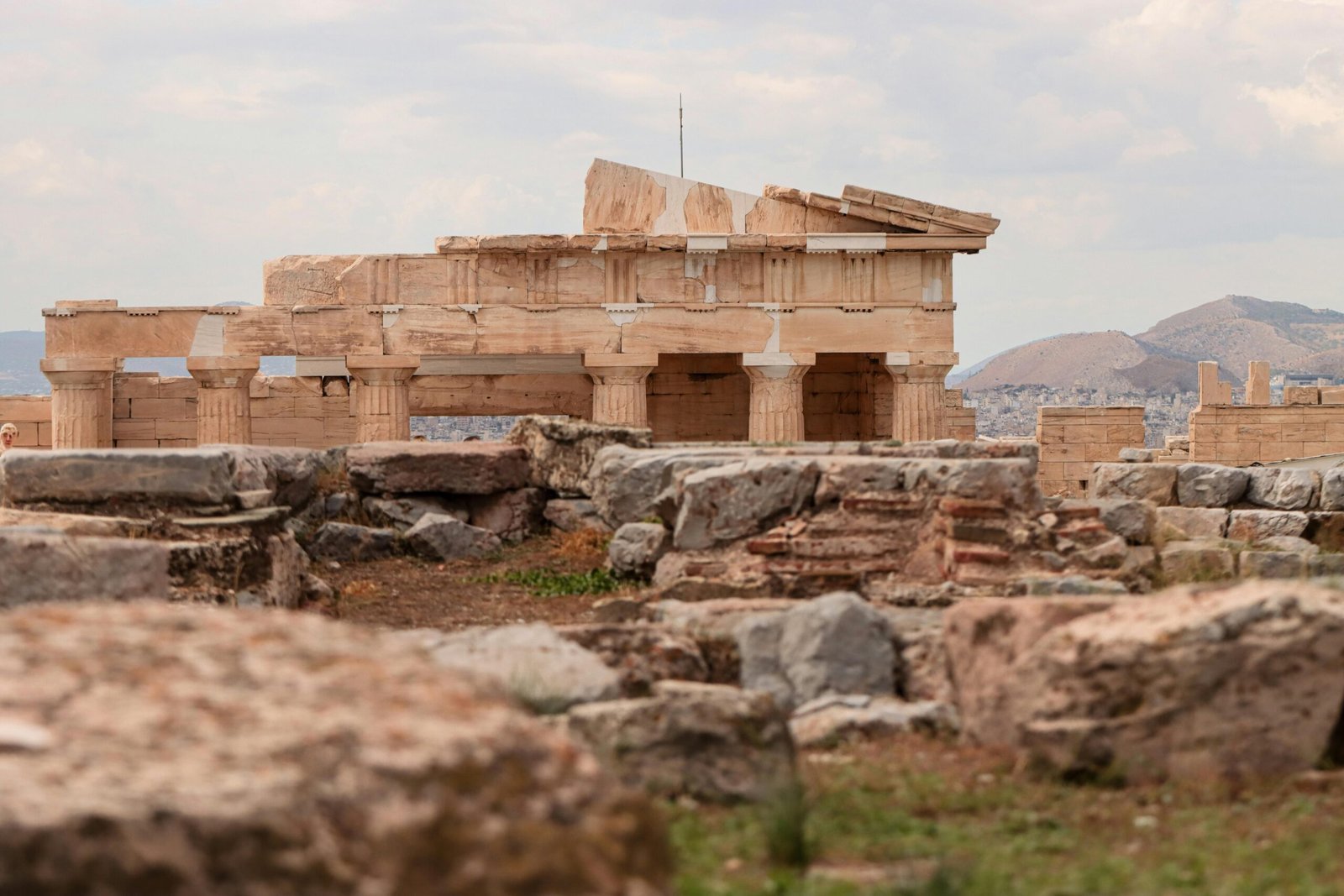
Why the Peloponnese Is the Part of Greece Most Travelers Misread because it looks like a straightforward mainland add-on and then behaves like several different trips stitched together badly. People see ancient sites, beaches, mountain towns, and wine country on one map and assume they can combine them casually. They usually cannot, at least not without making the trip feel rushed and uneven.
The region is excellent, but it is not forgiving of vague planning. If you want history, coastline, and proper time in places like Nafplio, Monemvasia, Mani, and Olympia, you need to understand what the Peloponnese gives you and what it asks you to give up.
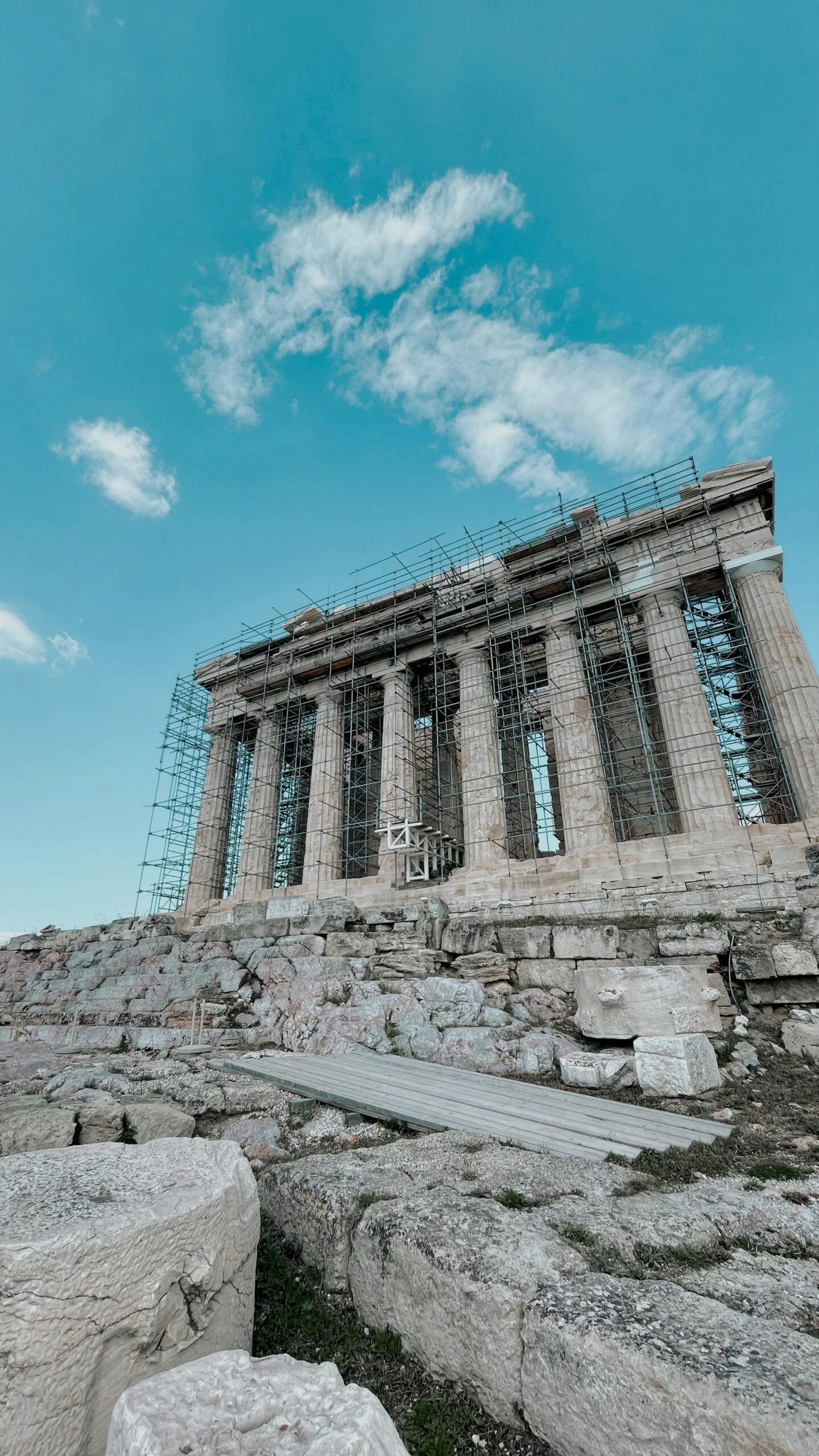
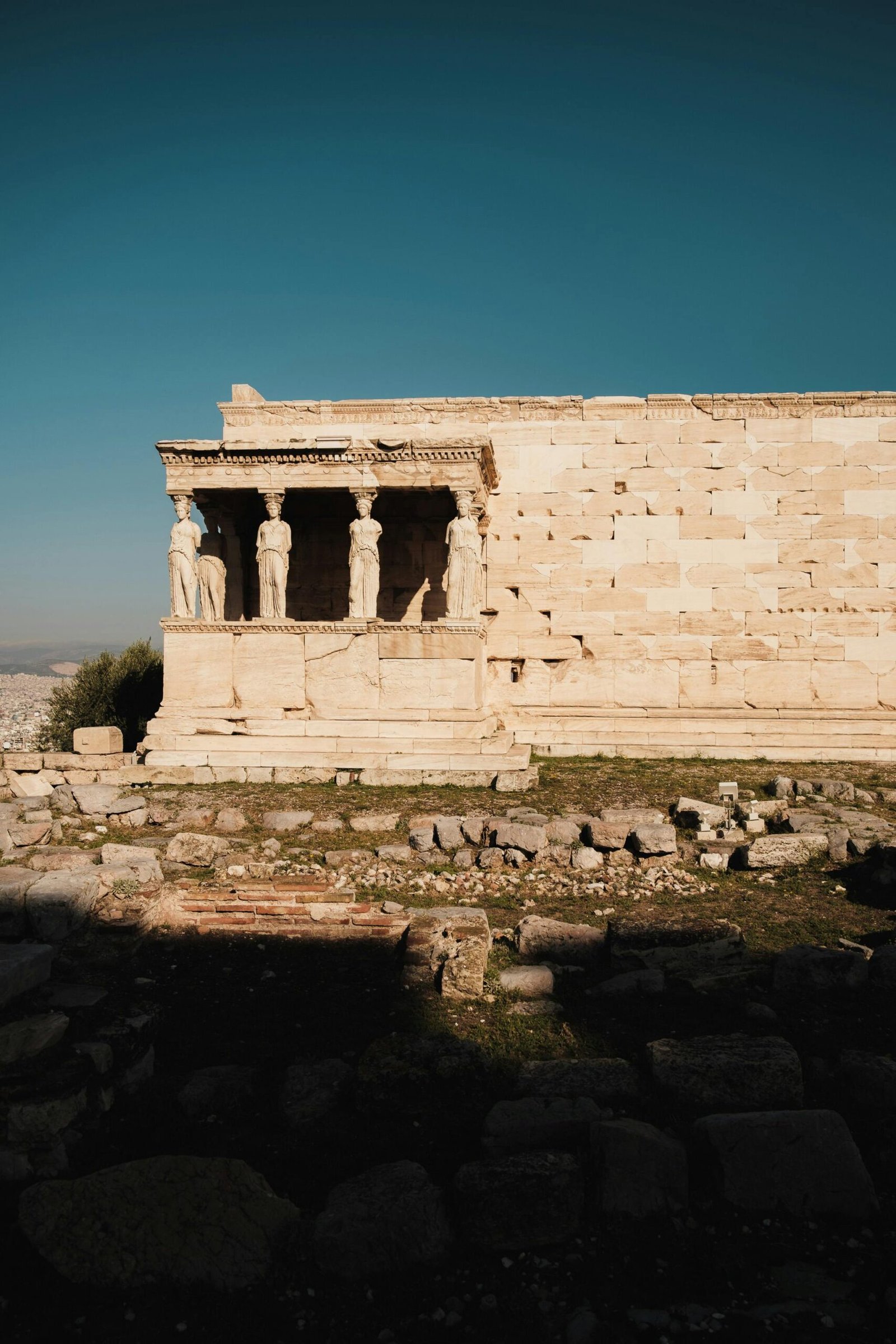
Why the Peloponnese Is the Part of Greece Most Travelers Misread
My position is simple: the Peloponnese is one of Greece’s strongest regions for travelers who want substance, and one of the easiest places to ruin with overreach. It is not a neat “road trip” in the casual sense people imagine. It is a large, varied region where the wrong assumptions create long days, weak pacing, and a trip that feels fragmented instead of considered.
Why the Peloponnese Is the Part of Greece Most Travelers Misread is not a slogan. It is the most common planning mistake I see from people who want to combine classical sites, coastal stays, mountain villages, and serious beach time in one sweep. The region can absolutely support that kind of trip, but only if you accept that every part of it has a different rhythm and a different audience.
Why the Peloponnese Is the Part of Greece Most Travelers Misread: the map lies by omission
The map makes the Peloponnese look compact. It is not compact in the way travelers mean when they say they want to “see a lot.” Distances are only part of the problem; the real issue is that the region has no single center of gravity, so your base choices matter more here than in many other parts of Greece.
People often miss that this is not one destination but several distinct ones: Nafplio for polished old-town energy, Monemvasia for a more self-contained historic stay, Mani for rugged landscape and low-density travel, Olympia for archaeology-first visits, and Kalamata for a more practical base with better access to the south. That mix is the appeal, and also the trap.
Two mistakes travelers make again and again
The first mistake is trying to treat the Peloponnese like a checklist of famous names. They want Mycenae, Epidaurus, Nafplio, Monemvasia, Mani, and Olympia in one compact circuit, then wonder why the trip feels thin. The region is better when you choose a smaller number of places and let each one do real work for the trip.
The second mistake is underestimating how much accommodation location shapes the experience. A room that looks “close enough” on a booking page can leave you stranded from the part of town that actually matters, especially in places like Nafplio and Monemvasia where the atmosphere changes sharply by area. In the Peloponnese, a bad base does not just waste time; it changes the whole tone of the trip.
Why the Peloponnese Is the Part of Greece Most Travelers Misread also shows up in how people handle seasonality. They assume shoulder season means easy movement and empty sites everywhere. In reality, some places feel ideal in spring and early autumn, while others become frustratingly quiet, with reduced services and limited energy outside the main months.
What the Peloponnese gives you, and what it takes away
You gain range. Few parts of Greece let you combine major ancient sites, serious coastline, mountain interiors, and well-run towns without leaving the mainland. If you care about history but do not want a trip that is only museums and ruins, this region gives you more texture than most first-timers expect.
You give up simplicity. The Peloponnese asks for more judgment than islands do because there is no single “correct” way to see it. Travelers who want a relaxed, low-decision holiday often find themselves making too many small choices, and those choices accumulate into fatigue.
That is why Why the Peloponnese Is the Part of Greece Most Travelers Misread is a planning issue, not a destination problem. The region is not difficult because it lacks appeal. It is difficult because it offers too many good options and punishes people who try to consume them all at once.
Places that deserve attention, not just a pin on a map
Nafplio is the most obvious entry point for many travelers, and for good reason. It has enough structure, dining, and atmosphere to support a proper stay, but it is also one of the places where accommodation placement matters more than travelers think. Book carelessly and you lose the very thing people come here for: a walkable, coherent base.
Monemvasia is the opposite kind of place. It is memorable because it feels self-contained, but that same quality can make it less flexible than people expect. Travelers who need lots of variety nearby often leave underwhelmed, while travelers who want a focused, slower stay usually understand it immediately.
Mani rewards travelers who like rougher landscapes and fewer distractions. It is not for anyone chasing polished resort convenience. The area asks for patience and gives back a more grounded sense of place, which is exactly why it works for some people and not for others.
Olympia is often treated as a quick archaeology stop, which is a mistake if history matters to you. It deserves more than a box-tick visit, but it is not the kind of place that should be forced into a packed coastal circuit. If you are serious about ancient Greece, this is where the trip should slow down.
Kalamata is practical, not romantic, and that is not a flaw. It suits travelers who want access and range without pretending the region is easy. For the right trip, that practicality is an advantage; for the wrong trip, it feels like compromise.
Who this suits
This region suits travelers who like trips with structure, not just scenery. It works well for couples, experienced Greece repeaters, history-focused travelers, and people who are comfortable making trade-offs in exchange for depth. It also suits travelers who enjoy driving as part of the experience, but only if they are realistic about how much ground they can cover well.
It does not suit travelers who want a single base and effortless variety, or first-timers who expect the Peloponnese to function like an island-hopping itinerary on land. It also disappoints anyone whose main goal is beach simplicity with minimal planning. If that is the brief, there are easier parts of Greece to choose.
The counterintuitive truth about the Peloponnese
The surprising thing is that the best Peloponnese trips are often the least ambitious ones. Travelers think they are being efficient by adding more sites and more regions, but the region usually rewards restraint. One strong base, one historical anchor, and one coastal or landscape contrast often produces a better trip than a long list of famous names.
That runs against the instinct of many well-traveled visitors, especially those who assume mainland Greece should be “covered” in the same way they would cover a small country. Why the Peloponnese Is the Part of Greece Most Travelers Misread is partly about this mismatch between ambition and geography. The region is generous, but it is not built for speed.
How to think about planning here
Plan the Peloponnese by trip style, not by attraction density. A history-led trip should look very different from a coast-led trip, and a mixed trip should be edited hard. The mistake is assuming you can simply connect everything of interest and let the route sort itself out.
Greece rewards travelers who arrive with a plan, and the Peloponnese rewards that even more than most places. If you ignore that and try to improvise across a region this spread out, the practical consequence is usually a trip that spends too much time in motion and not enough time in the places you actually wanted to experience. That is where people lose value.
For travelers who want the broader cultural frame, official reference points help anchor expectations before you finalize anything, including the national context around sites and heritage planning at the Greek Ministry of Culture. That is not busywork; it is how you avoid building a trip around assumptions that do not survive contact with the region.
Why the Peloponnese Is the Part of Greece Most Travelers Misread is also why expert help matters here more than many travelers expect. Not because the region is impossible, but because it is easy to make it mediocre with the wrong sequence, the wrong base, or too much ambition. The best trips here feel deliberate, not crowded with names.
If you want a broader planning reference while comparing regions, use the official Greece tourism overview at
Visit Greece as a starting point, then narrow from there with real judgment. The Peloponnese is strongest when the itinerary is edited, not inflated.
Most Greece trips follow the same tired script. The ones that don’t — the ones travelers still talk about years later — were built around a real understanding of how this country works. That kind of understanding takes time, or it takes someone who already has it.
Frequently asked questions
Is the Peloponnese a good first trip to Greece?
Yes, but only for travelers who want history, landscape, and a more grounded mainland experience. It is not the easiest first trip if you want low-effort beach time or a simple island-style rhythm.
What do travelers most often get wrong about the Peloponnese?
They try to cover too much. The region looks manageable on a map, but the trip usually becomes uneven when people stack too many sites and bases into one plan.
Which parts of the Peloponnese are best for a balanced trip?
Nafplio works well for a polished historic base, Mani for landscape and a slower pace, Monemvasia for a more focused historic stay, and Kalamata for practical access to the south.
Is the Peloponnese better for history or beaches?
It is stronger for history and mixed-interest travel than for pure beach holidays. The coastline is worthwhile, but the region’s real value is the combination of archaeology, towns, and varied landscapes.
When is the Peloponnese easiest to visit?
Spring and early autumn are usually the best windows for comfort and pacing. Summer can be fine, but it is less forgiving if you are trying to combine multiple areas.
Do you need expert help for the Peloponnese?
If you want a simple overnight stop, no. If you want a coherent trip that combines several parts of the region without wasting time, yes, expert planning makes a real difference.