

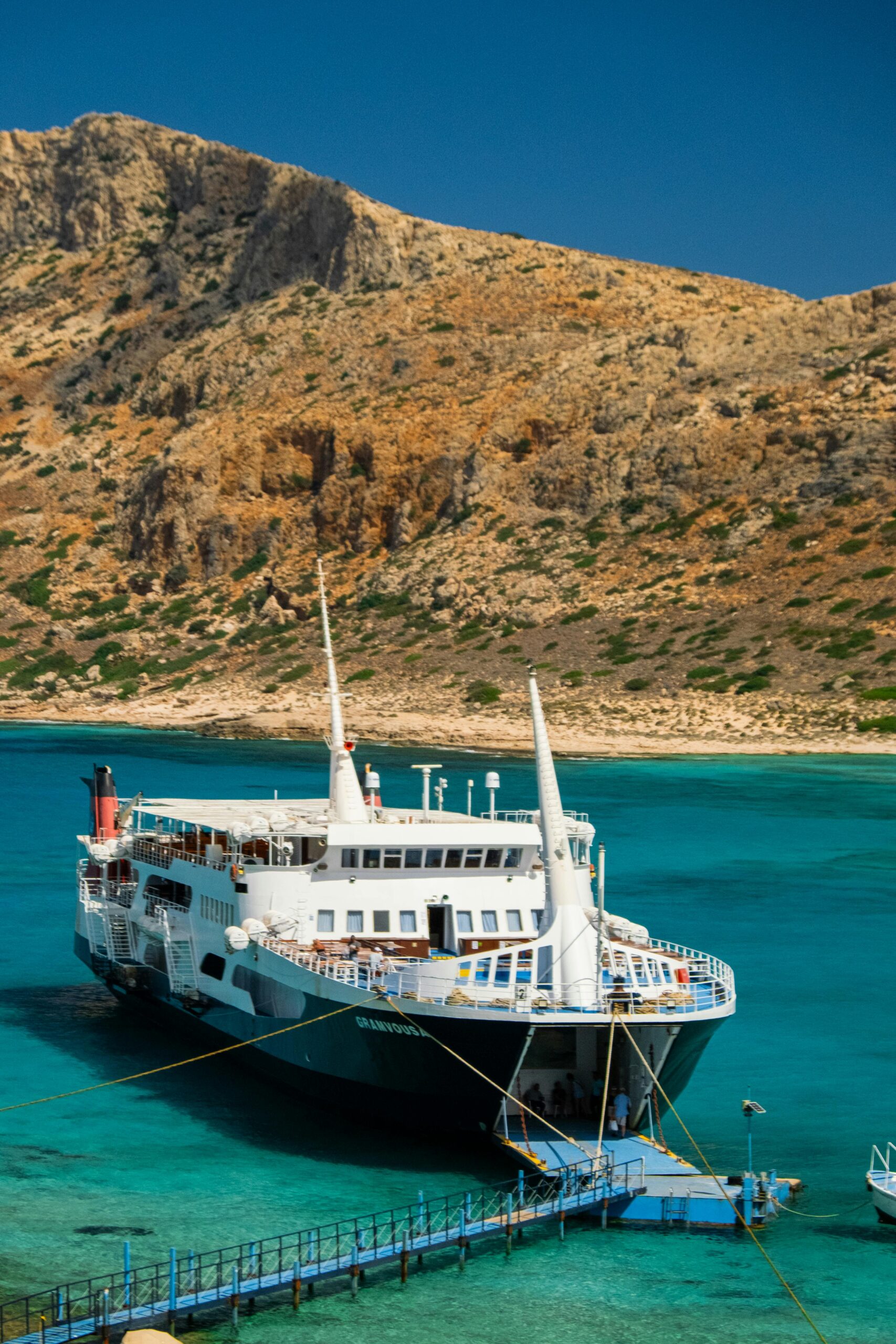
Peloponnese vs Crete: Why Your Island Choice Could Make or Break Your Trip is a question that travelers often underestimate until they arrive. The two regions offer dramatically different landscapes, cultural rhythms, and experiences that rarely align with general expectations. Understanding these differences is essential for crafting a trip that resonates deeply rather than just checking boxes.
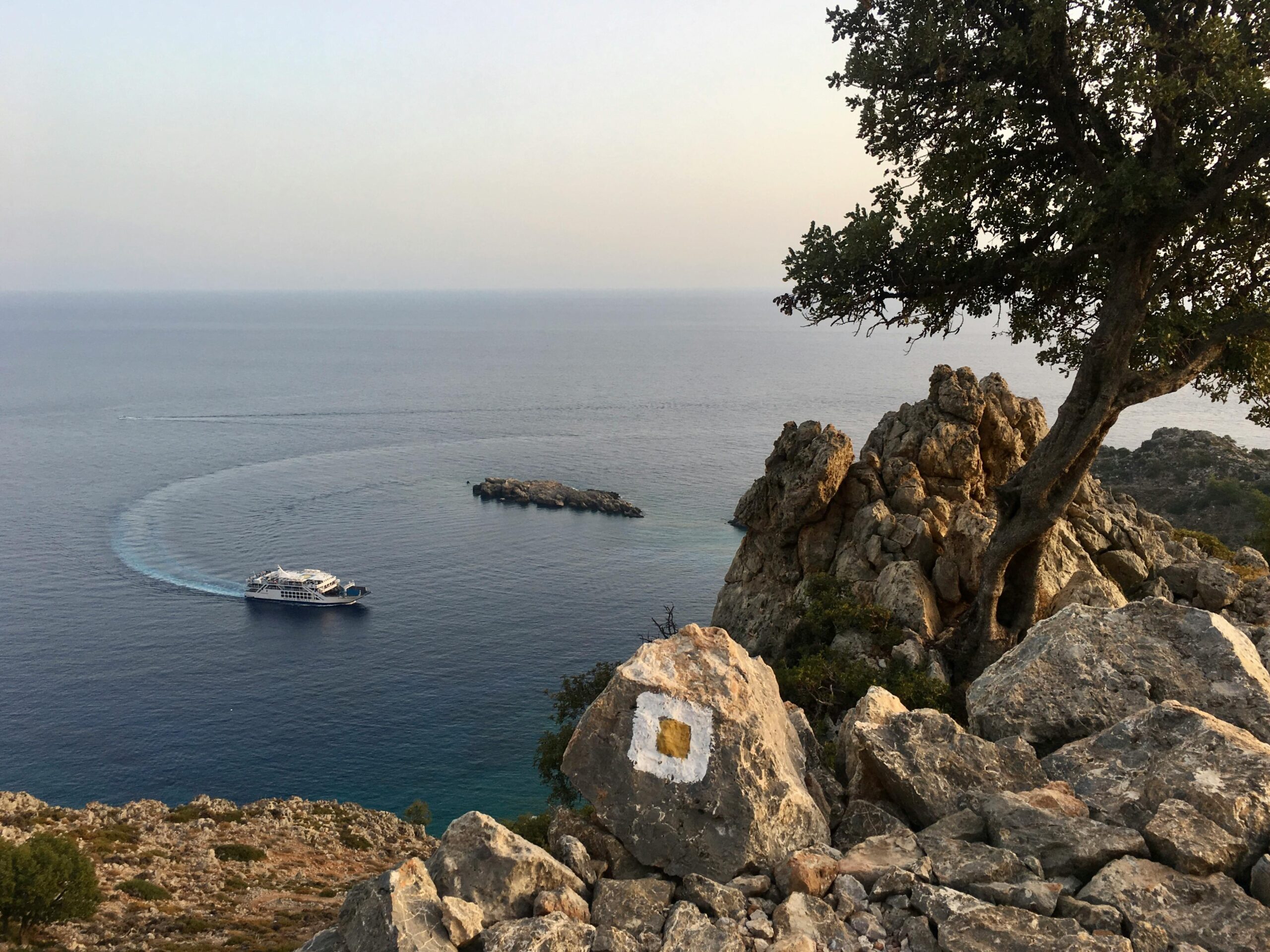
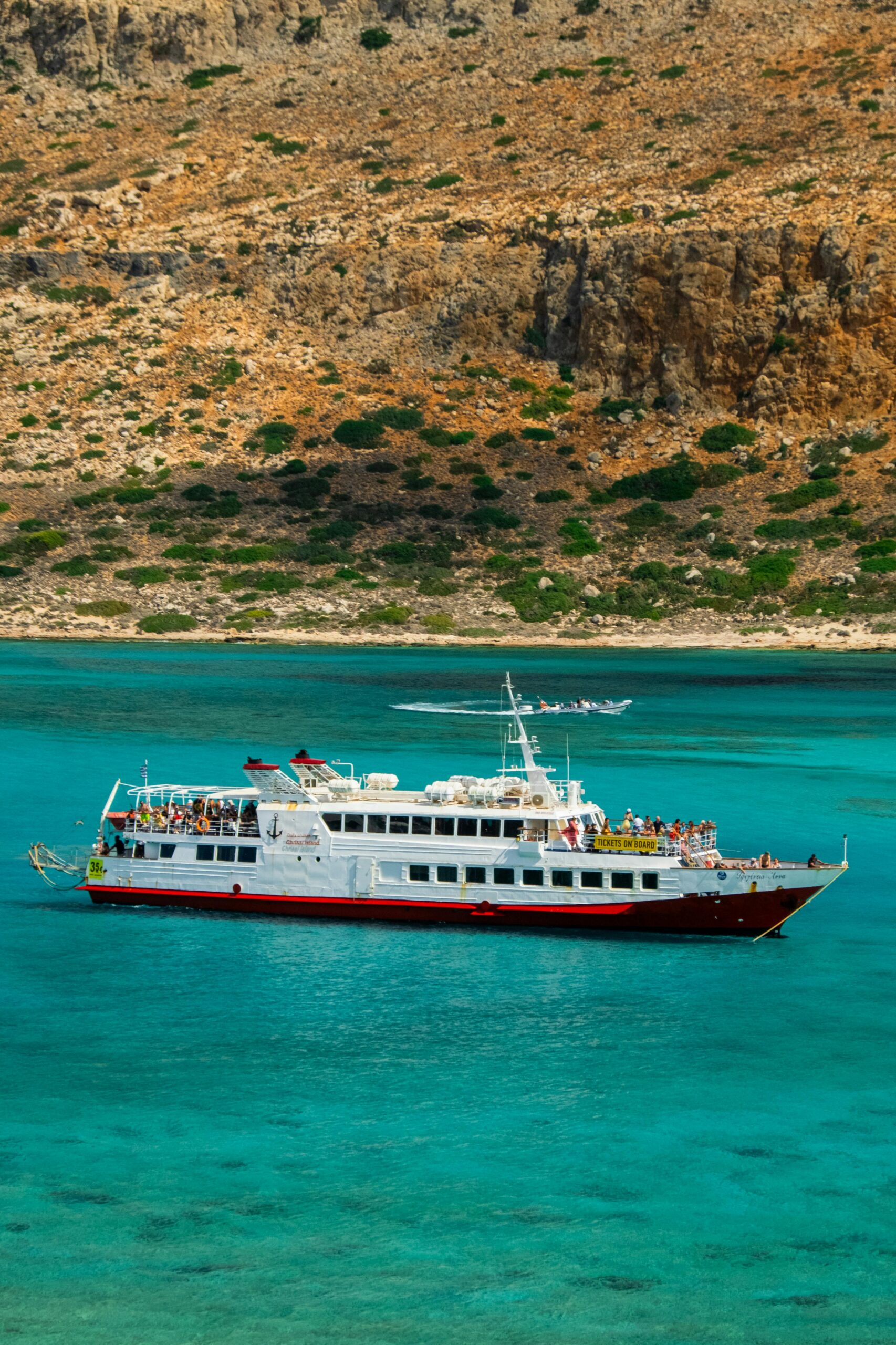
Peloponnese vs Crete: Why Your Island Choice Could Make or Break Your Trip
The Emotional Terrain: What You Actually Feel on Peloponnese and Crete
Crete greets you with a raw, untamed spirit—rugged mountains, sprawling gorges, and a proud, fiercely independent local culture. It’s a place where the past is palpable and the present feels unpolished. Contrastingly, the Peloponnese exudes a quieter, more layered melancholy. Here, ancient ruins sit beside sleepy villages and fertile plains, evoking a sense of historical weight and rural calm that grows on you slowly. Both places challenge the glossy postcard image many travelers expect.
Peloponnese vs Crete: Why Your Island Choice Could Make or Break Your Trip — The Trade-Offs
Choosing Crete means embracing scale and variety. The island is vast, offering everything from the Venetian harbor of Chania to the wild beaches of Elafonisi and the archaeological richness of Knossos. But this scale demands time; rushing Crete is a recipe for frustration. The Peloponnese, more compact and less crowded, offers intimate encounters with places like Nafplio’s neoclassical charm, the stark beauty of Mani, and the ancient theatres of Epidaurus. The trade-off is less variety but a more cohesive, concentrated experience.
Common Misconceptions That Undermine Your Experience
Many travelers assume Crete is just a beach destination, overlooking its mountainous interior and complex history. This undercuts the chance to engage with its authentic culture. Conversely, the Peloponnese is often dismissed as just a mainland extension, but it boasts some of Greece’s most profound archaeological sites and dramatic landscapes. Both places suffer from oversimplification, which leads visitors to miss the deeper stories they tell.
Seasonality and Timing: When to Visit Each for Maximum Impact
Crete’s size and diversity mean it can be enjoyed from late spring through early autumn, but the peak summer months can feel crowded and relentlessly hot. The Peloponnese rewards spring and autumn visits when the weather is mild, and the landscape is lush. Both destinations require a minimum of five to seven days to appreciate their contrasting characters without feeling rushed.
Who This Suits: Matching Traveler Types to Each Destination
Crete suits travelers who crave rugged adventure combined with vibrant local life and are willing to navigate its sprawling geography. It’s ideal for those who appreciate hiking in dramatic gorges or exploring diverse culinary traditions. The Peloponnese fits travelers who prefer a slower pace, historical depth concentrated in smaller areas, and a more relaxed rural atmosphere. Families or those seeking less tourist saturation will find it more approachable.
Unexpected Realities: A Clear Position on the Peloponnese vs Crete Choice
Choosing Crete over the Peloponnese—or vice versa—is not a matter of better or worse; it’s about fundamentally different travel philosophies. Crete demands engagement and endurance, rewarding those willing to dive deep into its contradictions and scale. The Peloponnese offers a more meditative, cohesive experience that respects time and introspection. If you are unwilling to commit fully to the demands of Crete’s size and intensity, the Peloponnese will serve you better as a more balanced, less exhausting alternative.
Notable Places Worth Your Attention
In Crete, places like the Samaria Gorge, Rethymno’s old town, and the Lassithi Plateau reveal the island’s diversity beyond beaches. The Peloponnese offers Nafplio’s elegant streets, the haunting ruins of Mycenae, the beach town of Voidokilia, and the stark Mani peninsula with its tower houses. These locations illustrate the stark contrasts between the two destinations and the types of experiences each fosters. For cultural context, a visit to the Greek Ministry of Culture website offers insight into protected sites across both regions.
Conclusion: Why Expert Planning Makes All the Difference
Greece rewards travelers who arrive with a plan built around how they actually travel—not a generic template. The difference between a frustrating trip and a remarkable one often comes down to sequence, timing, and knowing which trade-offs matter for your situation. Whether you choose Crete’s sprawling, intense character or the Peloponnese’s concentrated, reflective pace, thoughtful planning turns these complex destinations from overwhelming options into deeply rewarding journeys. More context on Greece’s broader travel framework can be found at
Frequently asked questions
Is Crete better for beaches than the Peloponnese?
Crete offers more renowned and varied beaches, but the Peloponnese has quieter, often less crowded coastal spots with a different atmosphere. The choice depends on whether you prioritize scale and diversity or tranquility.
Can I combine both Crete and Peloponnese in one trip?
While possible, combining them in one trip often dilutes the experience due to travel time and the scale of Crete. Each deserves at least five to seven days to be appreciated properly.
Which destination is better for cultural exploration?
Both have incredible cultural depth, but the Peloponnese concentrates its archaeological sites and traditional villages in a smaller area, making it more accessible for focused exploration.
Is the Peloponnese less touristy than Crete?
Generally yes. The Peloponnese attracts fewer tourists, especially outside peak spots like Nafplio, offering a more authentic experience for those seeking to avoid crowds.
When is the best time to visit these destinations?
Spring and autumn are ideal for both, avoiding the summer crowds and heat. Crete has a longer tourist season due to its size and southern location.
Are the landscapes in Peloponnese and Crete similar?
No. Crete is mountainous with dramatic gorges and a rugged coastline, while the Peloponnese combines mountains with fertile plains and a more varied historical landscape.
Which destination is more family-friendly?
The Peloponnese tends to be more family-friendly due to its compactness, calmer pace, and easier access to diverse activities without the intensity Crete demands.