

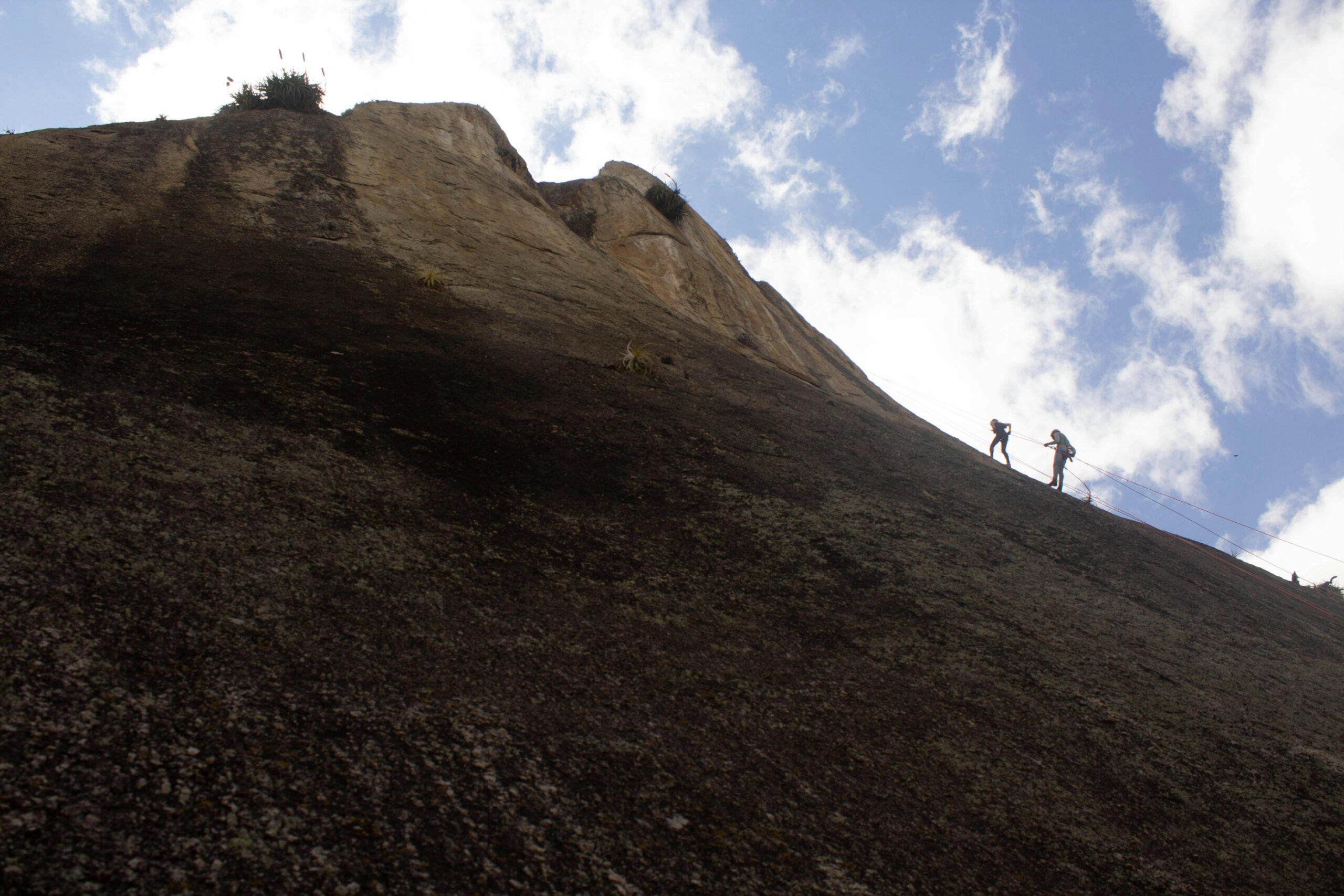
Why Most Visitors to Meteora Underestimate How Physically Demanding It Is is a reality that catches many travelers off guard. The imposing monasteries perched on rock pillars require more stamina and preparation than typical guidebooks reveal. Ignoring this often leads to frustration and wasted time during your visit.
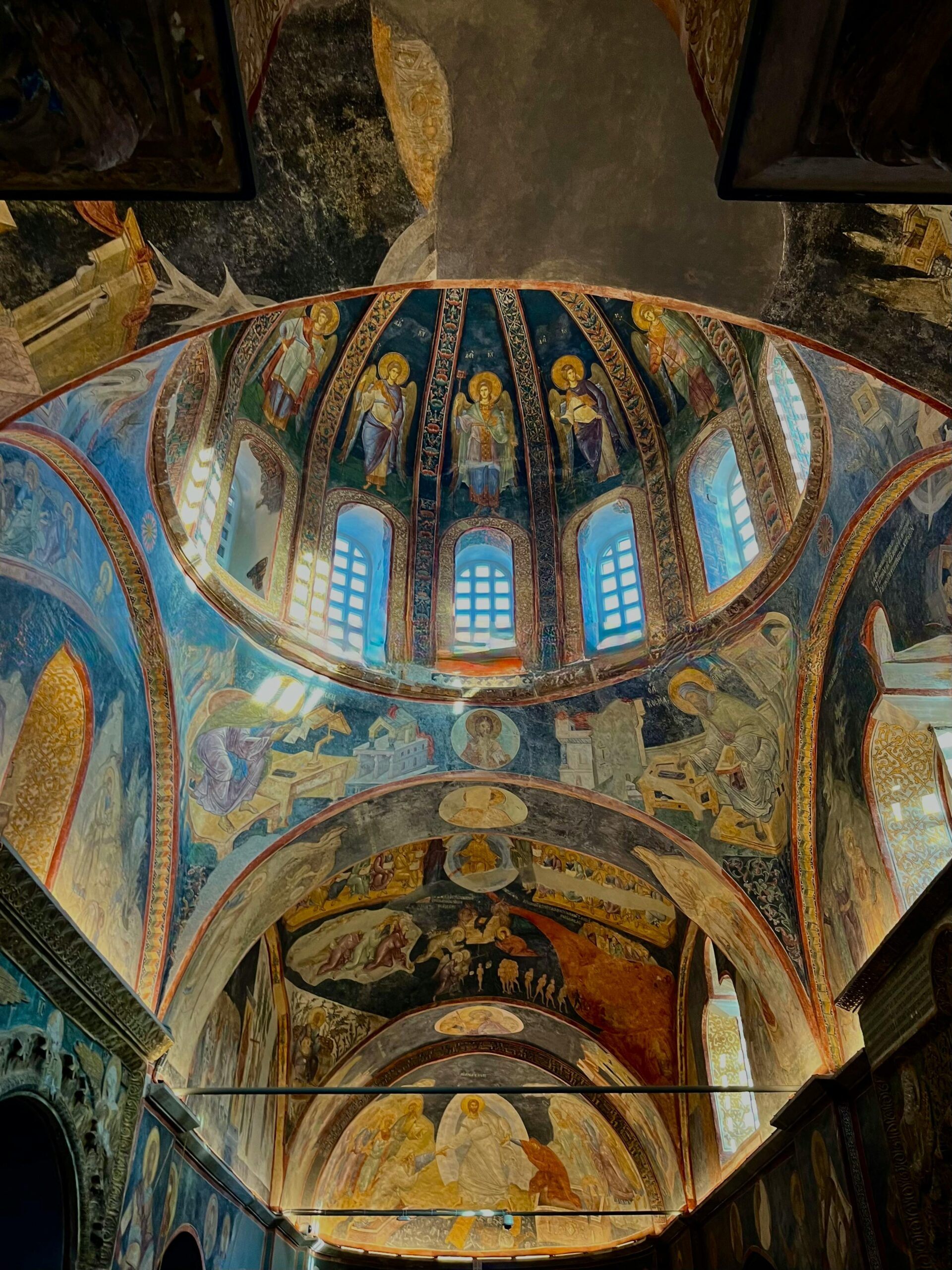
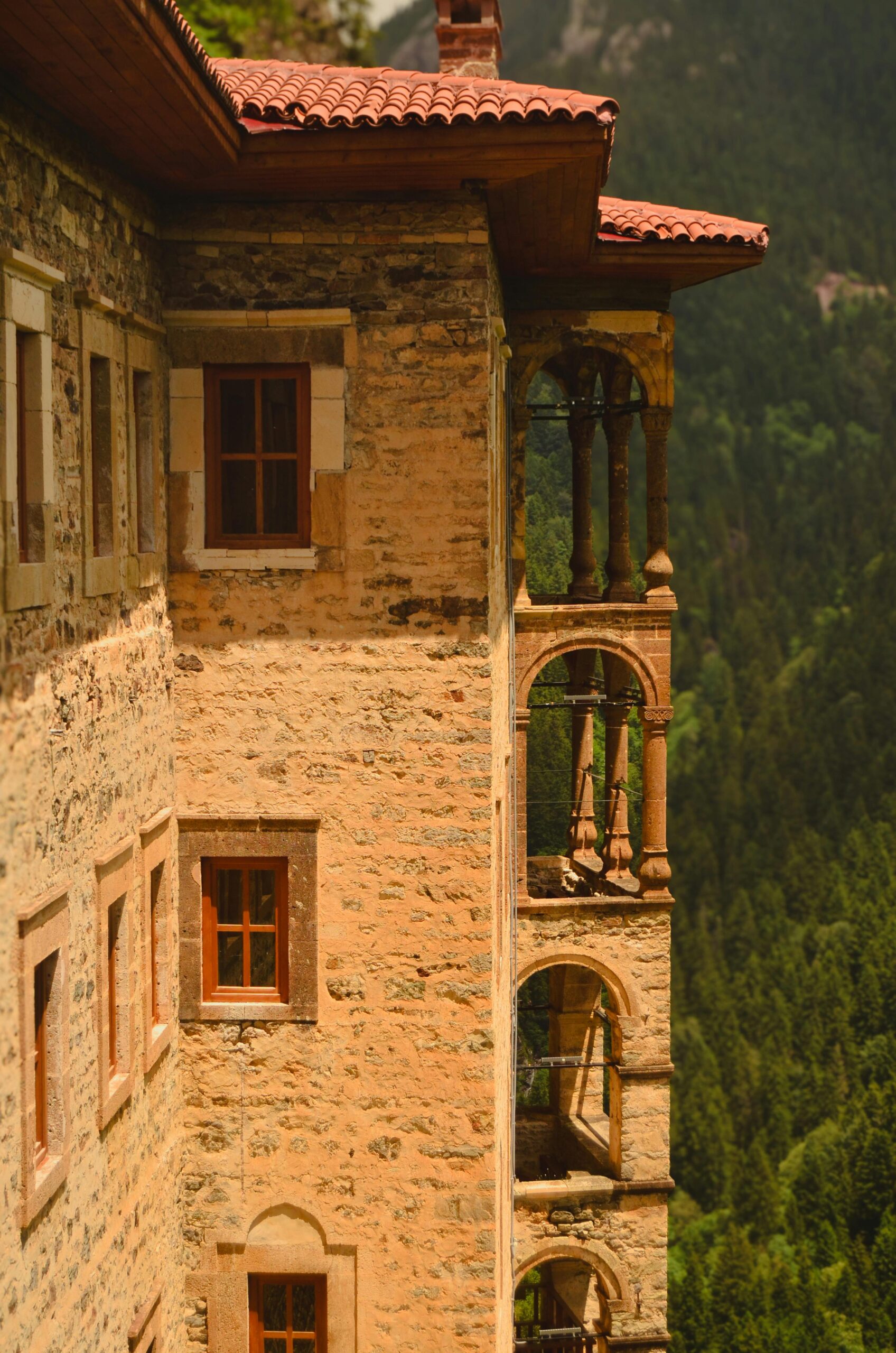
Why Most Visitors to Meteora Underestimate How Physically Demanding It Is
The Physical Challenge Behind Meteora’s Iconic Monasteries
Meteora’s monasteries are famous for their dramatic settings, but reaching them is no casual stroll. The paths involve steep climbs, uneven stone steps, and sometimes narrow passages that demand good balance and fitness. Many visitors assume they can visit multiple monasteries in a day without significant exertion, which is rarely the case.
Decision Logic: When to Visit Meteora and Who Should Reconsider
If you have mobility issues, respiratory concerns, or simply dislike hiking, Meteora can be a frustrating destination. The main access routes don’t have elevators or easy alternatives; reaching the monasteries involves ascending hundreds of steps. Conversely, physically fit travelers who enjoy moderate hiking will find the effort worthwhile. The best time to visit is spring or fall when temperatures are cooler, reducing fatigue.
Trade-Off Matrix: Traveler Types, Seasons, and Visit Styles
Seasonal heat significantly affects the difficulty. Summer visits increase dehydration risk and overall exhaustion. Solo travelers or those without proper footwear often underestimate the terrain, risking slips or delays. Guided tours can minimize wasted time but usually involve brisk walking that may not suit everyone. Slow-paced travelers should focus on fewer monasteries to avoid the physical toll.
Most Travelers Assume Easy Access, But Actually Face Steep Climbs
The common misconception is that the monasteries are easily accessible by car or shuttle right up to their doors. In reality, visitors must park at designated lots and hike uphill on uneven ground. The steps carved into rock are long and steep, often more challenging than advertised. This disconnect between expectation and reality leads to many abandoning visits early or missing out on key sites.
Practical Tips to Manage Meteora’s Physical Demands
Prepare with sturdy, closed-toe shoes and bring water as amenities near the monasteries are limited. Plan for extended time at each site to rest and absorb the views without rushing. Consider splitting your visit over two days if your schedule allows. For those interested in history and culture beyond Meteora’s rock formations, the Greek Ministry of Culture offers extensive resources to deepen understanding before arrival.
Why Most Visitors to Meteora Underestimate How Physically Demanding It Is: Final Thoughts
Ignoring the physical realities of Meteora turns a potentially rewarding experience into a frustrating one. Recognize that the monasteries’ isolation is intentional and part of their heritage, meaning access will remain challenging. Travelers who prepare accordingly and respect these demands leave satisfied rather than exhausted. For a broader context on Greece’s diverse destinations, see
Greece has a way of rewarding travelers who ask the right questions before they arrive. The travelers who leave disappointed usually asked the wrong ones — or didn’t ask at all.
Frequently asked questions
Are the hikes to Meteora monasteries suitable for children or elderly travelers?
The hikes involve steep and uneven steps, which can be challenging for children and elderly travelers, especially those with mobility issues. If you plan to visit with family members in these groups, consider limiting the number of monasteries or arranging private transport where possible.
Can I access Meteora monasteries by car or shuttle directly at the entrance?
No, vehicles are not allowed to reach the monastery entrances. Visitors must park at designated lots and then hike uphill via stone steps and paths. This is a key reason why many underestimate the physical effort required.
What is the best season to visit Meteora to avoid excessive physical strain?
Spring and fall offer milder temperatures and more comfortable conditions for hiking. Summer heat increases fatigue and dehydration risks, making the climbs tougher.
Are guided tours helpful for managing the physical demands of Meteora visits?
Guided tours can help optimize your time and provide pacing, but they often involve brisk walking and multiple stops. They do not reduce the physical effort required to ascend steps and paths.
What footwear is recommended for visiting Meteora monasteries?
Sturdy, closed-toe shoes with good grip are essential. Flip-flops or sandals are not suitable due to slippery and uneven staircases.
Is it possible to visit all main monasteries in one day without getting exhausted?
Attempting all six active monasteries in one day is unrealistic for most visitors. Prioritizing two or three and pacing yourself will improve your experience and reduce fatigue.
Are there facilities like restrooms and cafes near the monasteries?
Facilities are limited near the monasteries. Restrooms exist but are basic, and cafes are generally found only in the nearby villages, not at the monastery sites themselves.