

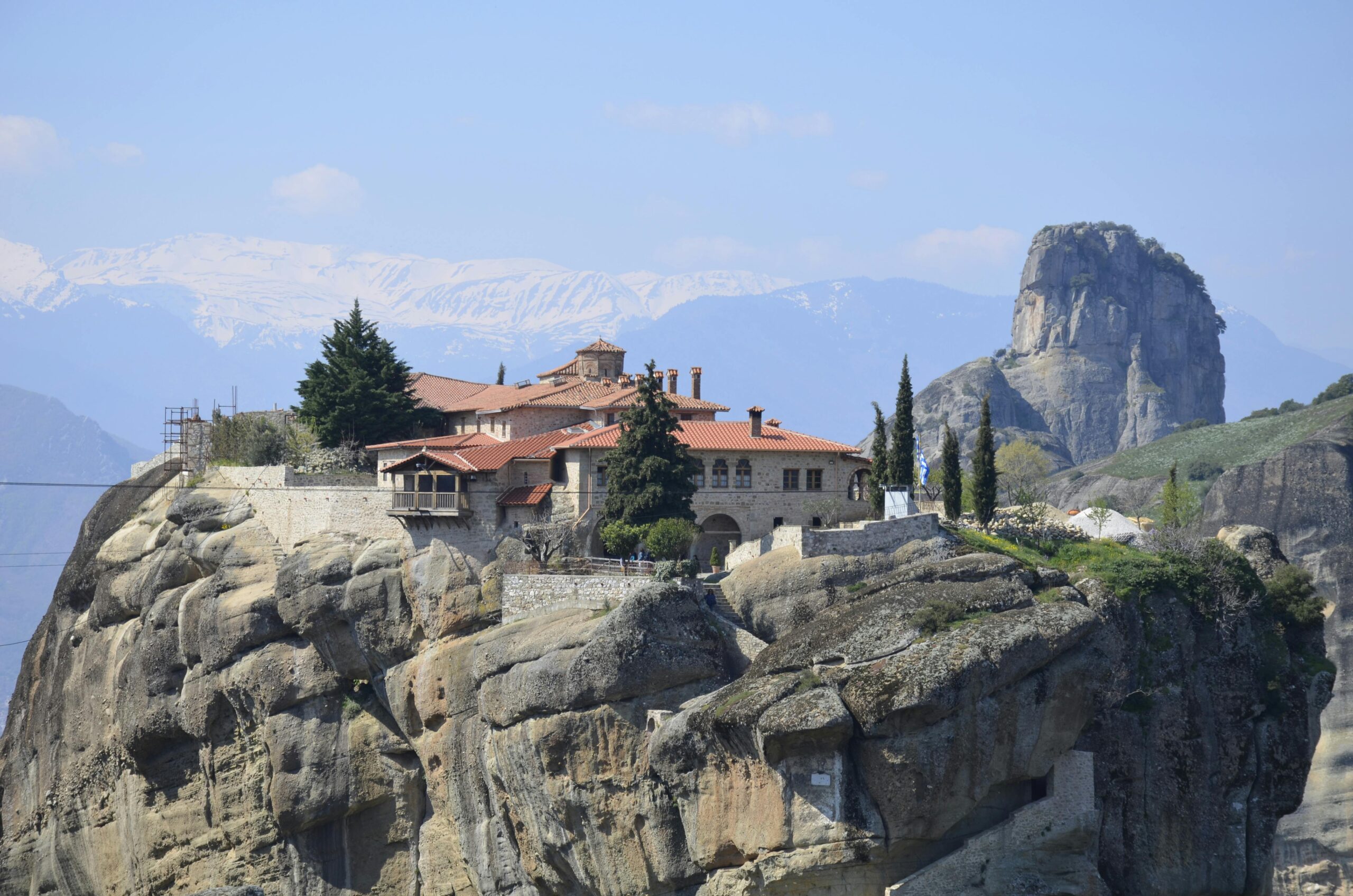
Why Planning a Trip to Meteora Without a Guide Leads to Missed Depth is not just a caution but an operational reality for travelers who want more than surface-level impressions. Meteora’s complexity—its layered history, spiritual significance, and tricky access points—requires expert insight that a casual visitor rarely has.
Many travelers underestimate the difficulty of navigating Meteora’s monasteries and the importance of timing their visits to avoid crowds and closures. Without guidance, much of Meteora’s essence remains locked behind missed context and logistical pitfalls.
Why Planning a Trip to Meteora Without a Guide Leads to Missed Depth
Common Misconceptions That Undermine the Meteora Experience
First, many visitors assume Meteora is just a scenic stop with impressive monasteries perched on rock pillars. They miss that each monastery has a distinct historical and spiritual story that shapes the region’s identity. Second, travelers often believe all monasteries are equally accessible and open year-round, which is false. Several close on certain weekdays or religious holidays, and some require advance permission or have strict dress codes that can be tricky to navigate without prior knowledge.
Why Planning a Trip to Meteora Without a Guide Leads to Missed Depth in Understanding Its Spiritual and Historical Layers
The monasteries—Great Meteoron, Varlaam, Rousanou, St. Nicholas Anapafsas, and Holy Trinity—are not just architectural marvels. They are active religious communities with centuries of history tied to Byzantine monasticism and Ottoman occupation resistance. A guide provides the context that turns a photo opportunity into a profound encounter with local spirituality and history. Without this insight, visitors risk a checklist approach that strips away meaning.
The Often Overlooked Villages and Sites Around Meteora
Most travelers focus exclusively on Kalambaka and Kastraki, the main towns adjacent to the monasteries. These are practical bases but lack the nuanced atmosphere found in smaller nearby villages like Sotiras or the less-frequented cave hermitages. A guide can unlock access to these quieter, less commercialized spots, showing how the landscape itself shaped monastic life and local culture over centuries.
A Counterintuitive Observation: Peak Season Can Diminish the Spiritual Atmosphere
Contrary to popular belief, visiting Meteora in July or August often means battling crowds and losing the contemplative space that the monasteries are meant to offer. The spiritual atmosphere is diluted by mass tourism. Visiting during shoulder seasons or early mornings, information that a guide provides, preserves the solemnity and allows for more meaningful encounters.
Who This Suits: The Traveler Profile for Meteora
Meteora is ideal for travelers interested in history, religion, and geology who are willing to engage beyond surface-level sightseeing. It suits those comfortable with some physical activity—steep climbs and uneven paths are common. It is not a destination for travelers seeking a purely relaxed or beach-centered vacation. Independent travelers unfamiliar with Orthodox Christian customs or Greek language nuances will find their experience significantly compromised without expert help.
Trade-offs: What You Gain and What You Give Up Without a Guide
Going with a guide means gaining access to deeper historical narratives, less crowded routes, and practical insights like monastery opening times and local customs. The trade-off is less flexibility in pacing and itinerary choices. Independent visits offer spontaneity but often at the cost of missing critical context and efficient routing, leading to wasted time or closed sites. For example, ignoring monastery schedules can result in arriving at a key site only to find it closed for religious observance—a frequent complaint among unguided visitors.
Planning Practicalities Tied to Expert Insight
Understanding Meteora’s seasonal weather patterns, monastery opening hours, and local festivals requires more than web research. Official resources like the
Greek Ministry of Culture provide some information, but local nuances are best explained by insiders. Even the official Greek tourism site cannot substitute for the on-the-ground expertise a guide offers.
Conclusion
Most Greece trips follow the same tired script. The ones that don’t — the ones travelers still talk about years later — were built around a real understanding of how this country works. That kind of understanding takes time, or it takes someone who already has it.
Recommended experiences
Some experiences mentioned here are curated and managed by Elite Greece Travels.
- Greece 7 Day Itinerary Athens Delphi Meteora Santorini — Itinerary (managed by Elite Greece Travels).
- Athens Meteora Olympia Delphi Itinerary 7 Days — Itinerary (managed by Elite Greece Travels).
- Athens Meteora Santorini Itinerary 7 Days — Itinerary (managed by Elite Greece Travels).
Frequently asked questions
Can I visit Meteora’s monasteries without a guide?
Yes, but without a guide you risk missing the historical context and spiritual significance that enrich the visit. Additionally, some monasteries have restricted access or specific visiting hours that can result in closures if you’re not informed.
Are all Meteora monasteries open every day?
No. Each monastery has its own schedule, often closing on specific weekdays or religious holidays. Planning without updated information can lead to wasted time and disappointment.
Is Meteora suitable for travelers with mobility issues?
Meteora involves steep climbs and uneven paths, especially when moving between monasteries. While some areas are more accessible, independent travelers with mobility concerns should plan carefully and consider guided options that can facilitate access.
When is the best time to visit Meteora to avoid crowds?
Avoid peak summer months like July and August. Early mornings, late afternoons, or shoulder seasons in spring and fall offer a more reflective atmosphere and fewer tourists.
Do I need to follow a dress code at the monasteries?
Yes, modest dress is strictly enforced—shoulders and knees must be covered. Visitors unaware of this often face entry denial, which a guide can help prevent.
Can I explore the surrounding villages near Meteora independently?
While possible, many smaller villages and cave hermitages require local knowledge to find and appreciate fully. Guides can provide access to these lesser-known places that are not well marked or advertised.
Are there any cultural events or festivals unique to Meteora?
Yes, but they tend to be local religious observances linked to the monasteries. These events can affect monastery accessibility and offer unique cultural insight, best appreciated with a guide’s explanation.