

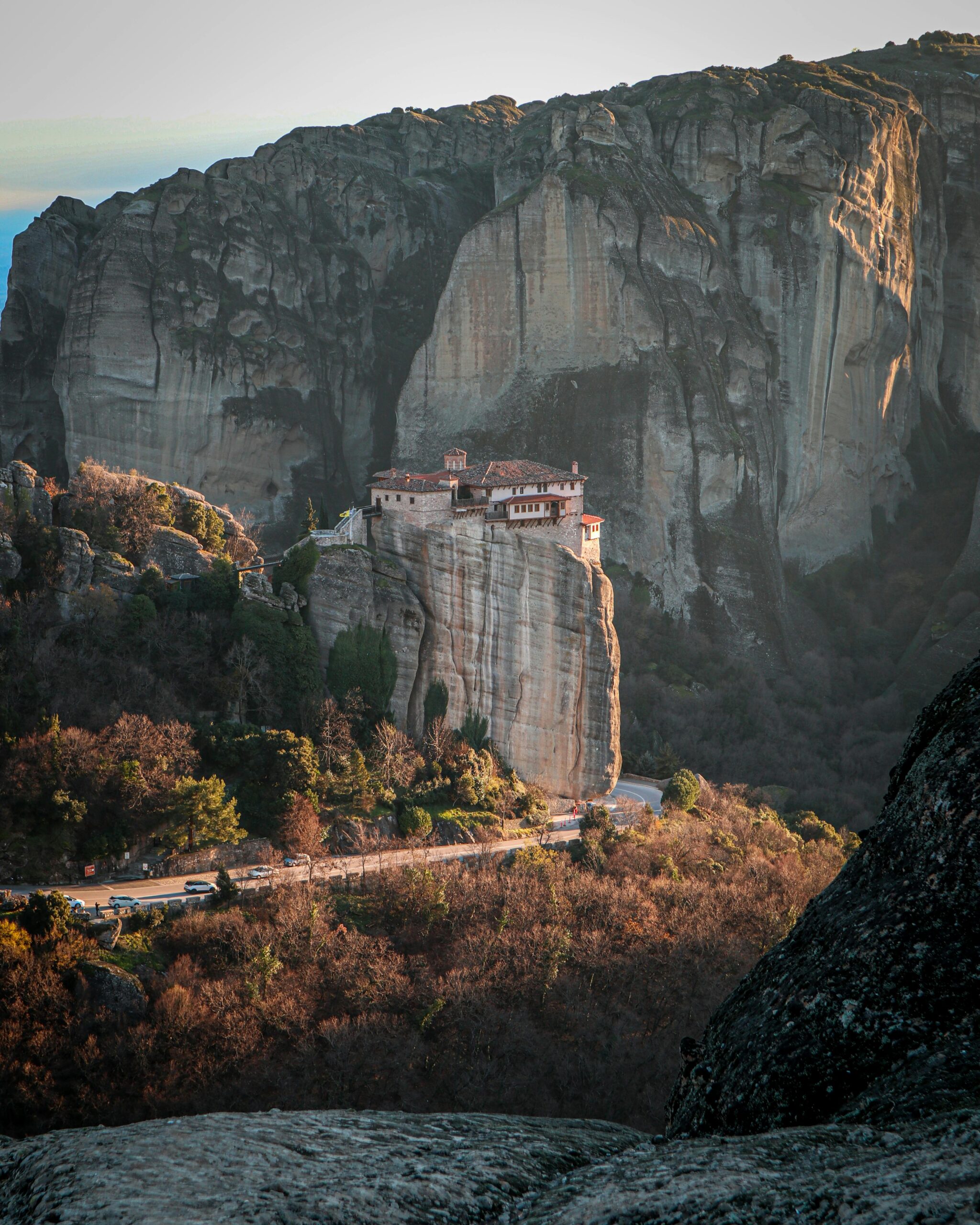
Why Planning a Trip to Meteora Without Local Expertise Is Asking for Trouble is something every serious traveler to this unique destination needs to grasp from the start. Meteora is not just about ticking off impressive rock formations or monasteries; it is an emotional journey shaped by timing, terrain, and cultural nuance. Without local expertise, the very essence of Meteora risks being lost in a frustrating scramble.
Why Planning a Trip to Meteora Without Local Expertise Is Asking for Trouble
The Terrain: More Than Just Dramatic Rocks
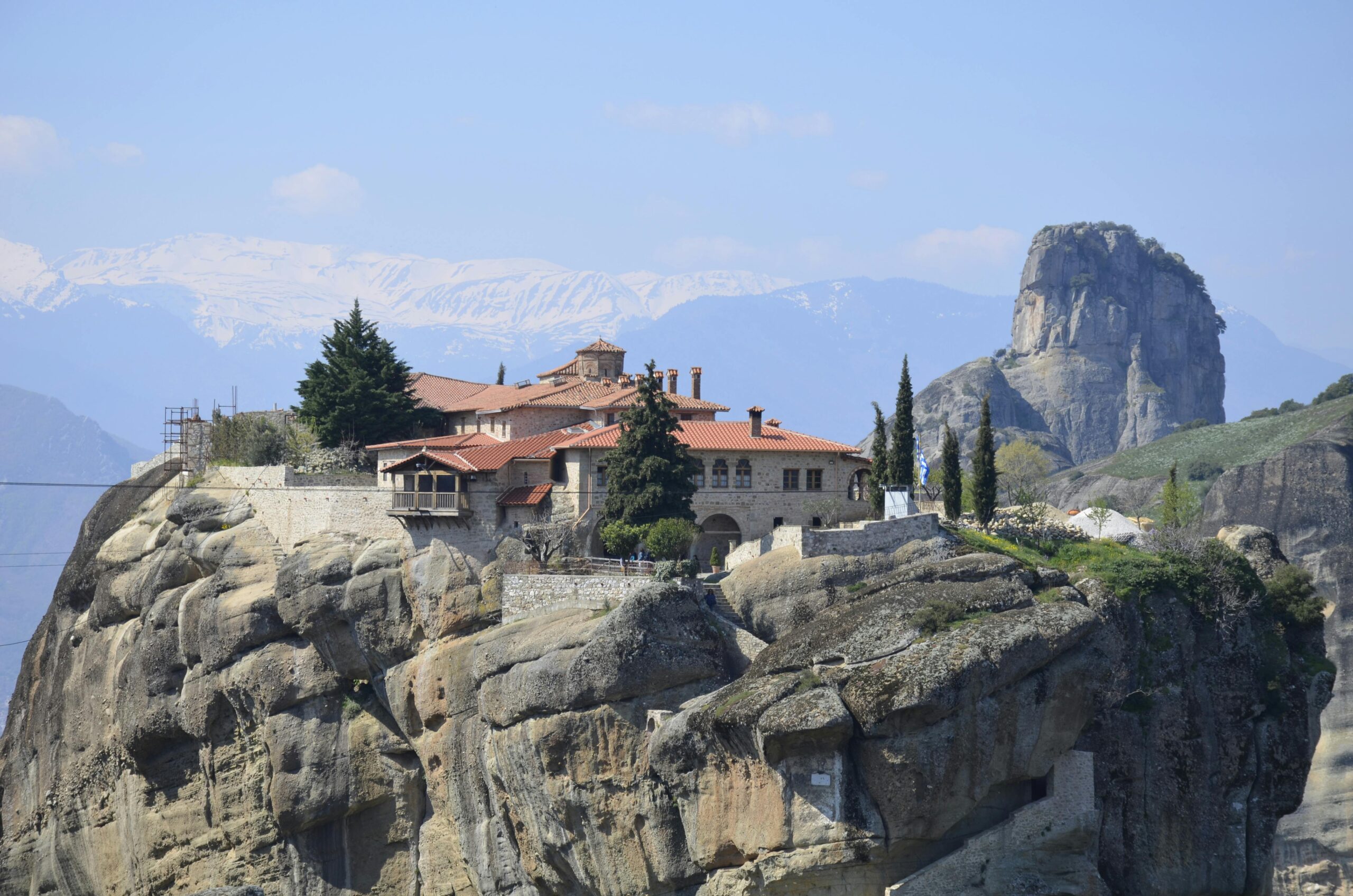
Meteora’s landscape is unlike anywhere else in Greece or Europe. The sheer cliffs topped by centuries-old monasteries demand physical readiness and an understanding of the best routes. Travelers often underestimate the strenuous climbs and the uneven paths that can sap energy fast. Missing this means arriving exhausted, missing key viewpoints, or worse, risking safety on poorly chosen trails. The trade-off is clear: you gain unforgettable vistas but give up easy accessibility unless you plan wisely.
Monastery Visits: Timing Is Everything
One of the most common mistakes is ignoring the strict opening hours and days of the monasteries. Each monastery has its own schedule, often closing on certain weekdays or religious holidays. Arriving without this knowledge leads to disappointment and wasted time. The emotional impact of seeing a closed gate after a long journey is surprisingly deflating. Planning with local insight ensures you hit the right monasteries on the right days, preserving the contemplative atmosphere rather than facing frustrating crowds or closures.
Local Customs and Respect: Not Just a Tourist Checklist
Meteora is an active religious site, not a mere tourist attraction. Visitors consistently overlook local customs around dress code and behavior inside monasteries. Women, for example, are expected to cover shoulders and knees, a detail often forgotten in the summer heat. The spiritual atmosphere is palpable, and failing to honor these customs can lead to awkward moments and even denial of entry. This is not about politeness alone; it shapes the entire emotional experience of Meteora’s sacredness.
Why Planning a Trip to Meteora Without Local Expertise Is Asking for Trouble: Navigating Accommodation and Neighborhoods
Choosing where to stay in Meteora impacts your experience more than many realize. Kalambaka offers convenience but lacks the quiet charm of Kastraki village, which is closer to the rock formations and feels more authentic. Some travelers opt for accommodations near the monasteries themselves, sacrificing comfort for proximity. Without local advice, this choice can backfire, leaving you stranded or overwhelmed by noise and tourism. This decision is a balancing act between convenience, ambience, and access.
Seasonal Considerations: When to Visit for the Real Meteora
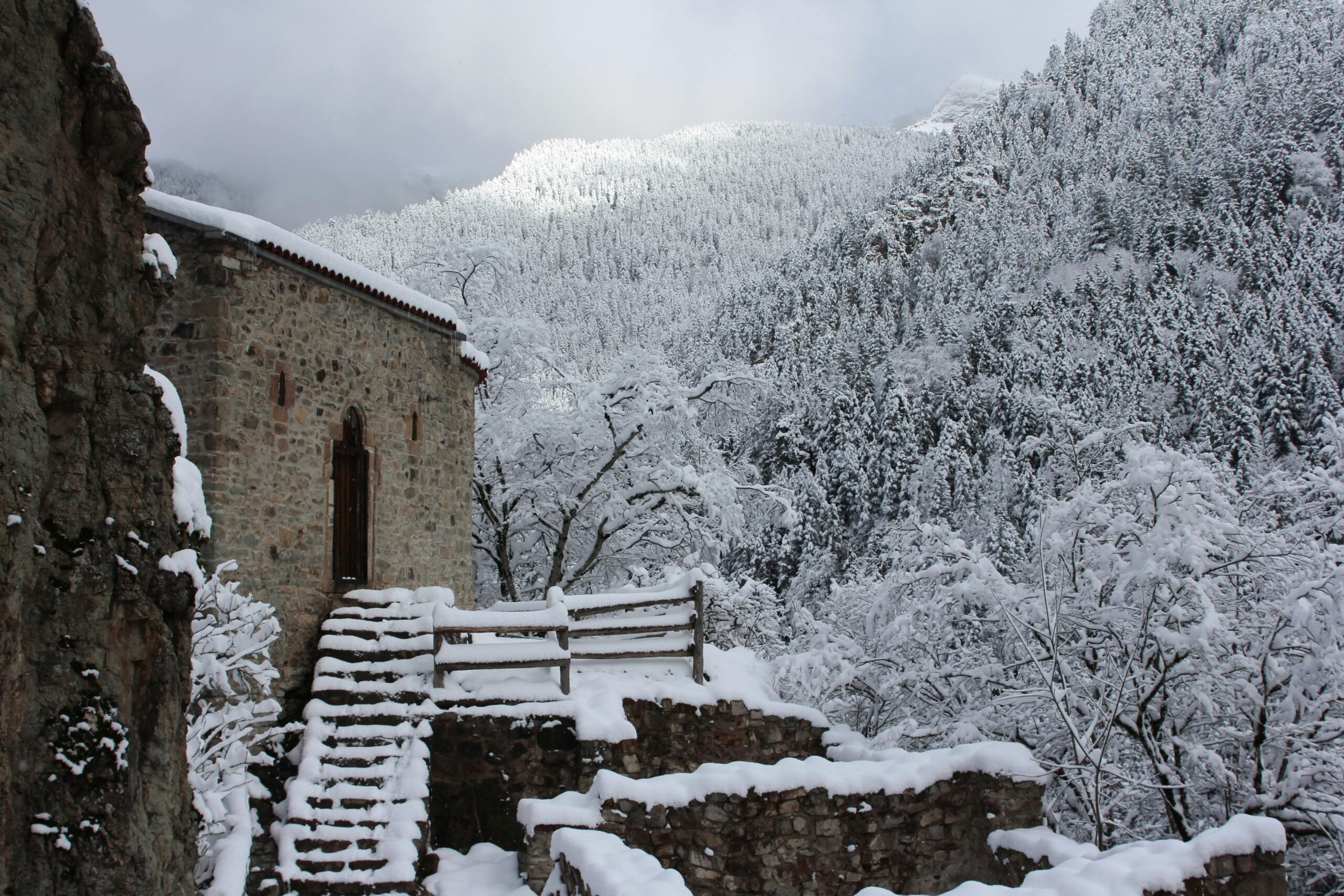
Spring and early autumn are often overlooked seasons but are arguably the best times to visit. Summer is peak season, bringing crowds and intense heat that drain the emotional and physical experience. Winter offers solitude but can close some paths and limit monastery visits. Many travelers assume summer is the only viable option, missing the quiet majesty of Meteora’s shoulder seasons. Understanding this trade-off requires more than basic research; it demands local insight into weather patterns and visitor flow.
Who This Suits: Defining the Ideal Meteora Visitor
Meteora is not for the casual day-tripper or those expecting a resort-style holiday. It suits travelers who appreciate history, spirituality, and a bit of physical effort. Those seeking easy sightseeing with minimal walking or a purely social scene will find Meteora frustrating and underwhelming. For photographers, hikers, and those interested in Orthodox monastic culture, Meteora is transformative but only if approached with the right preparation.
Unexpected Insights: The Quiet Power of Meteora’s Lesser-Known Paths
A counterintuitive truth about Meteora is that the most rewarding experiences often come from the less obvious routes and smaller monasteries like Agios Nikolaos Anapafsas or Roussanou. These places provide a quieter, more personal connection to the site’s spiritual heritage. Many travelers focus solely on the Big Three monasteries, missing the layered richness of Meteora’s full tapestry. This insight is rarely found on generic travel blogs but is a hallmark of local expertise and careful planning.
Conclusion
Meteora is a destination that demands respect for its landscape, history, and culture. Why Planning a Trip to Meteora Without Local Expertise Is Asking for Trouble becomes clear once you realize that every choice—timing, routes, accommodations, and behavior—has emotional weight and practical consequences. Greece rewards travelers who arrive with a plan built around how they actually travel—not a generic template. The difference between a frustrating trip and a remarkable one often comes down to sequence, timing, and knowing which trade-offs matter for your situation.
To truly engage with Meteora’s majesty and spirituality, professional insight into local rhythms and customs is invaluable. It transforms a potentially overwhelming experience into a deeply rewarding journey, allowing you to savor the place as those who know it best do. For those who want more than a postcard photo or a rushed visit, expert planning isn’t just helpful—it’s essential.
For broader context on Greece’s cultural heritage and travel nuances, resources like the
Ministry of Culture and Sports and official Greece tourism site provide authoritative perspectives that contextualize Meteora within Greece’s vast historical landscape.
Recommended experiences
Some experiences mentioned here are curated and managed by Elite Greece Travels.
- Greece 7 Day Itinerary Athens Delphi Meteora Santorini — Itinerary (managed by Elite Greece Travels).
- Athens Meteora Olympia Delphi Itinerary 7 Days — Itinerary (managed by Elite Greece Travels).
- Athens Meteora Santorini Itinerary 7 Days — Itinerary (managed by Elite Greece Travels).
Frequently asked questions
Is Meteora suitable for travelers with limited mobility?
Meteora’s terrain is rugged with steep climbs to the monasteries. While some viewpoints are accessible, visiting multiple monasteries often requires good physical condition. Travelers with limited mobility should carefully consider which sites to visit and may need local guidance to avoid inaccessible routes.
How many days should I allocate to explore Meteora properly?
A minimum of two full days is recommended to appreciate Meteora’s monasteries, hiking routes, and villages without rushing. This allows time for the physical demands and to absorb the spiritual atmosphere.
Can I visit all monasteries in one day?
Visiting all six active monasteries in one day is possible but exhausting and often leads to a superficial experience. Some monasteries close on specific days, so local knowledge is necessary to plan efficiently.
What is the best season to visit Meteora to avoid crowds?
Spring and early autumn offer a balance of pleasant weather and fewer tourists. Summer sees the highest visitor numbers and intense heat, while winter can limit access to some paths and monasteries.
Are there local customs I must respect when visiting the monasteries?
Yes, modest dress codes are strictly enforced, requiring covered shoulders and knees. Silence and respectful behavior inside are expected, as these are active religious sites.
Is it better to stay in Kalambaka or Kastraki?
Kalambaka offers more amenities and convenience, while Kastraki is quieter and closer to the rock formations. The choice depends on your preference for accessibility versus atmosphere.
Do I need a guide to visit Meteora?
While not mandatory, a knowledgeable local guide dramatically enhances the experience by providing insights on history, culture, and optimal routes. This helps avoid common pitfalls and enriches the visit.