

Planning a Trip to Meteora? Here’s Why You Must Hire a Local Expert is not just a catchy phrase—it’s a necessity for anyone serious about experiencing this complex destination properly. Meteora’s unique geography and cultural heritage require more than just a checklist approach; without expert guidance, travelers routinely miss the nuances that make the visit worthwhile.
Planning a Trip to Meteora? Here’s Why You Must Hire a Local Expert
Common Mistakes Travelers Make in Meteora
Two errors stand out repeatedly. First, underestimating the time needed to explore Meteora’s monasteries properly. Many visitors rush through, ticking off sites without absorbing their historical and spiritual significance. Second, ignoring seasonal and daily timing factors leads to overcrowded visits or inaccessible trails. These mistakes turn what should be a contemplative experience into a frustrating scramble.
Key Sites and Neighborhoods to Know
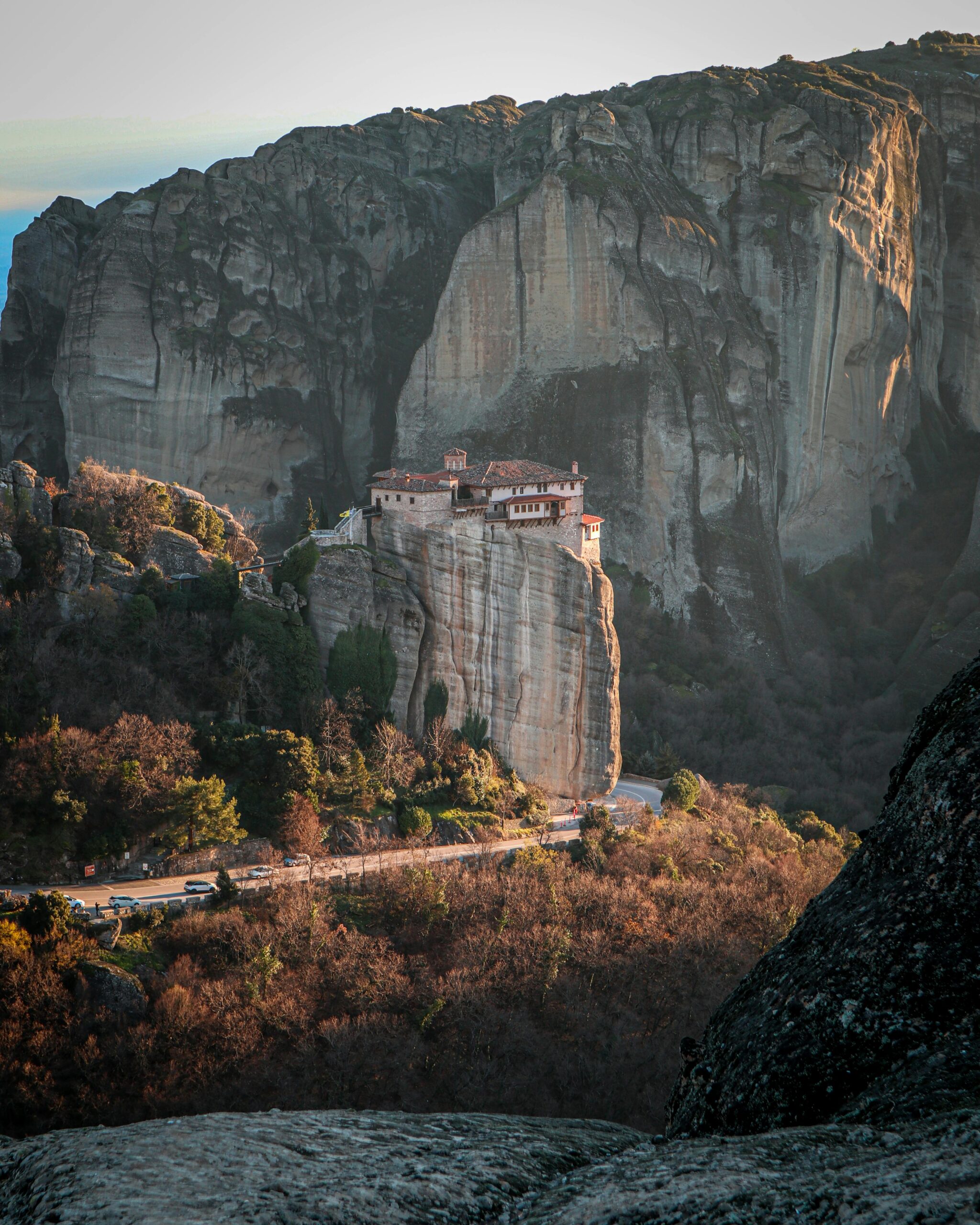
Meteora isn’t just one place but a cluster of villages and monasteries each with distinct character. Kalambaka is the main town and base for most visitors, but it lacks the atmosphere of Kastraki, a smaller village closer to the rock formations. The Great Meteoron Monastery is the largest and most visited, while Varlaam offers a quieter alternative with equally impressive views. For those seeking less trodden paths, the Holy Trinity Monastery requires a steep hike but rewards with solitude. Don’t overlook the natural trails connecting these sites; they offer perspectives missed from the main roads.
Planning a Trip to Meteora? Here’s Why You Must Hire a Local Expert: The Insider Advantage
Local experts understand the subtle timing of visits—when monasteries open, when crowds thin, and which trails are safest under current conditions. They can arrange access to lesser-known chapels and provide context that transforms a simple sightseeing tour into a meaningful cultural encounter. Without this, travelers risk a superficial experience dominated by selfie stops and souvenir shops.
Who This Suits—and Who It Doesn’t
Meteora is ideal for travelers who appreciate history, religion, and geology combined with physical activity. Those comfortable with some hiking and early mornings will get the most out of it. It’s less suitable for travelers seeking a purely relaxed vacation or those with mobility issues, as many monasteries require climbing uneven steps. Families with very young children may find the terrain challenging and the pace demanding.
A Counterintuitive Observation About Meteora
Many expect Meteora to be busiest in summer, but the shoulder seasons—late spring and early autumn—offer better weather and fewer tourists. Surprisingly, winter visits can be rewarding for those prepared for cold and occasional snow, which adds a dramatic dimension to the landscape but closes some sites. This seasonal variation is often overlooked, leading to poorly timed visits that diminish the experience.
Trade-Offs: What You Gain and What You Give Up
Hiring a local expert means gaining access to knowledge, timing, and cultural insights that transform your visit. The trade-off is cost and less spontaneity; you’ll follow a curated plan rather than wandering freely. Some travelers might feel constrained, but the complexity of Meteora’s geography and heritage makes this trade-off worthwhile. Without guidance, you risk missing the depth behind the destination’s fame.
Conclusion
Greece rewards travelers who arrive with a plan built around how they actually travel — not a generic template. The difference between a frustrating trip and a remarkable one often comes down to sequence, timing, and knowing which trade-offs matter for your situation.
For more on Greek cultural sites and travel planning, consult official resources like the
Hellenic Ministry of Culture and Visit Greece. Their insights complement local expertise and help frame your Meteora experience within Greece’s broader heritage.
Frequently asked questions
Is it necessary to hire a guide for visiting Meteora?
While not mandatory, hiring a local expert significantly enhances your experience by providing historical context, optimal timing advice, and access to less crowded sites.
What is the best time of year to visit Meteora?
Late spring and early autumn offer the best balance of weather and crowd levels. Winter can be atmospheric but limits access to some monasteries.
Are all Meteora monasteries open to visitors?
No, some monasteries close on specific days or for religious observances. A local expert can help schedule visits to avoid closures.
Can I visit Meteora without any physical exertion?
Most monasteries require climbing uneven steps and walking on rocky paths. Travelers with mobility issues should plan accordingly and consult experts.
How long should I allocate to explore Meteora properly?
At least two full days are recommended to visit multiple monasteries and explore the surrounding trails without rushing.
Are there accommodations within Meteora’s villages?
Yes, Kalambaka and Kastraki offer various lodging options, but staying in Kastraki places you closer to the rock formations and quieter surroundings.
What cultural etiquette should visitors observe at Meteora monasteries?
Modest dress is required, and photography restrictions apply inside some monasteries. A local guide can clarify these rules to ensure respectful visits.