

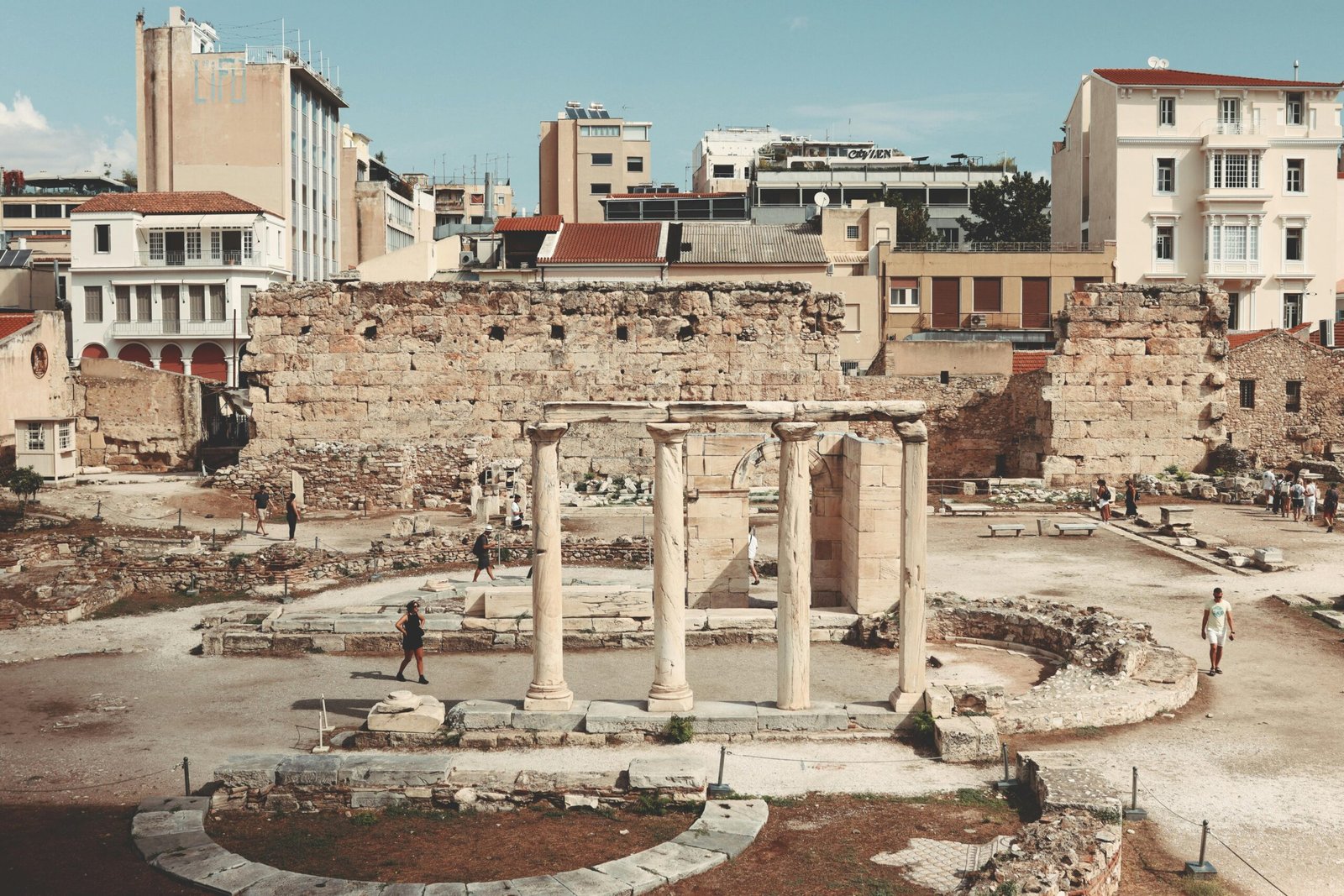
Why Planning Athens and the Islands Together Is Harder Than It Looks is not a theoretical problem. It is where a lot of well-funded, well-intentioned Greece trips start to unravel, usually because people treat Athens as a quick stop and the islands as the real trip. That mindset creates bad sequencing, weak hotel choices, and avoidable fatigue.
The city and the islands ask for different rhythms. Athens rewards travelers who give it proper attention, while the islands punish anyone who arrives too squeezed for time or too late in the day to settle in properly.
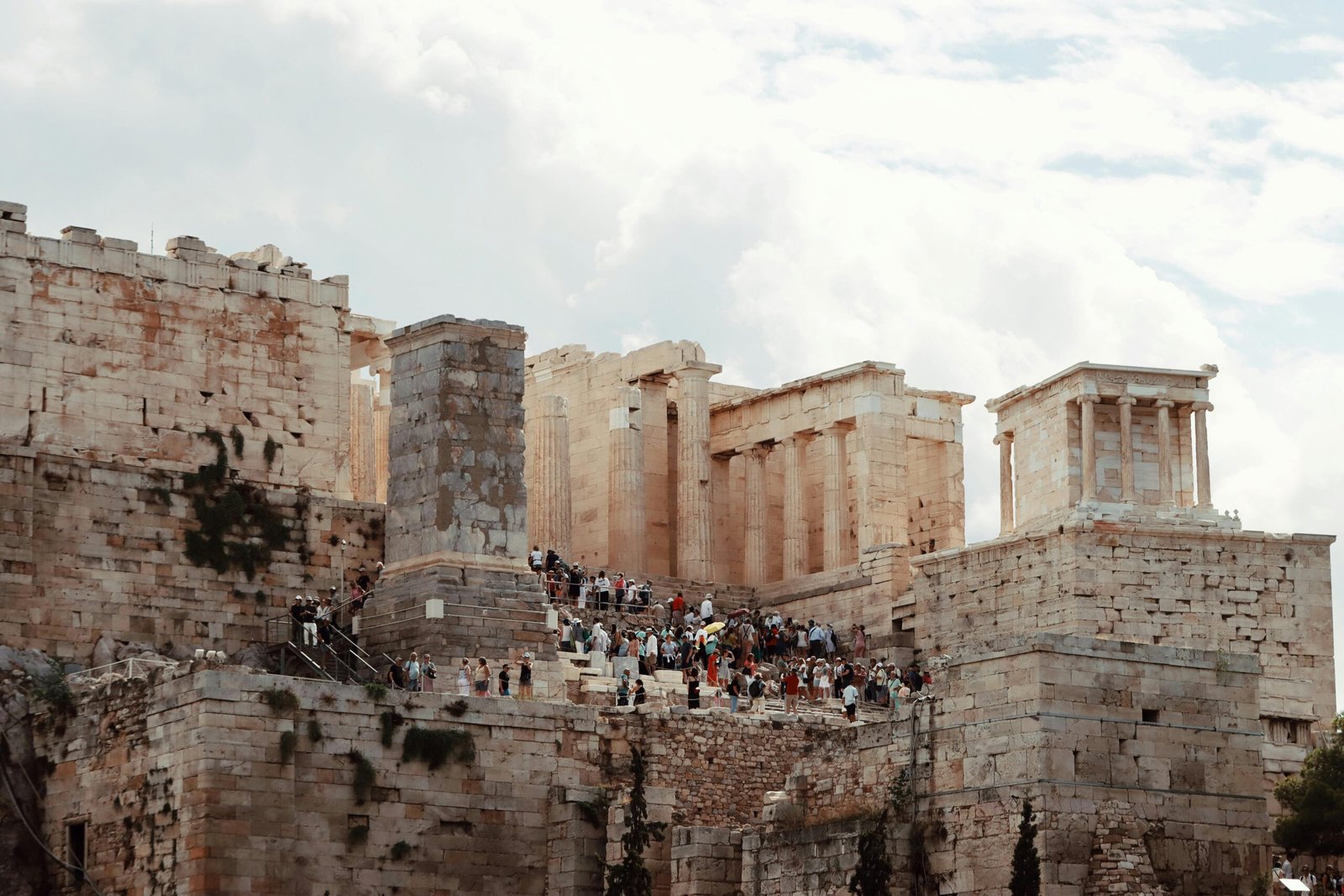
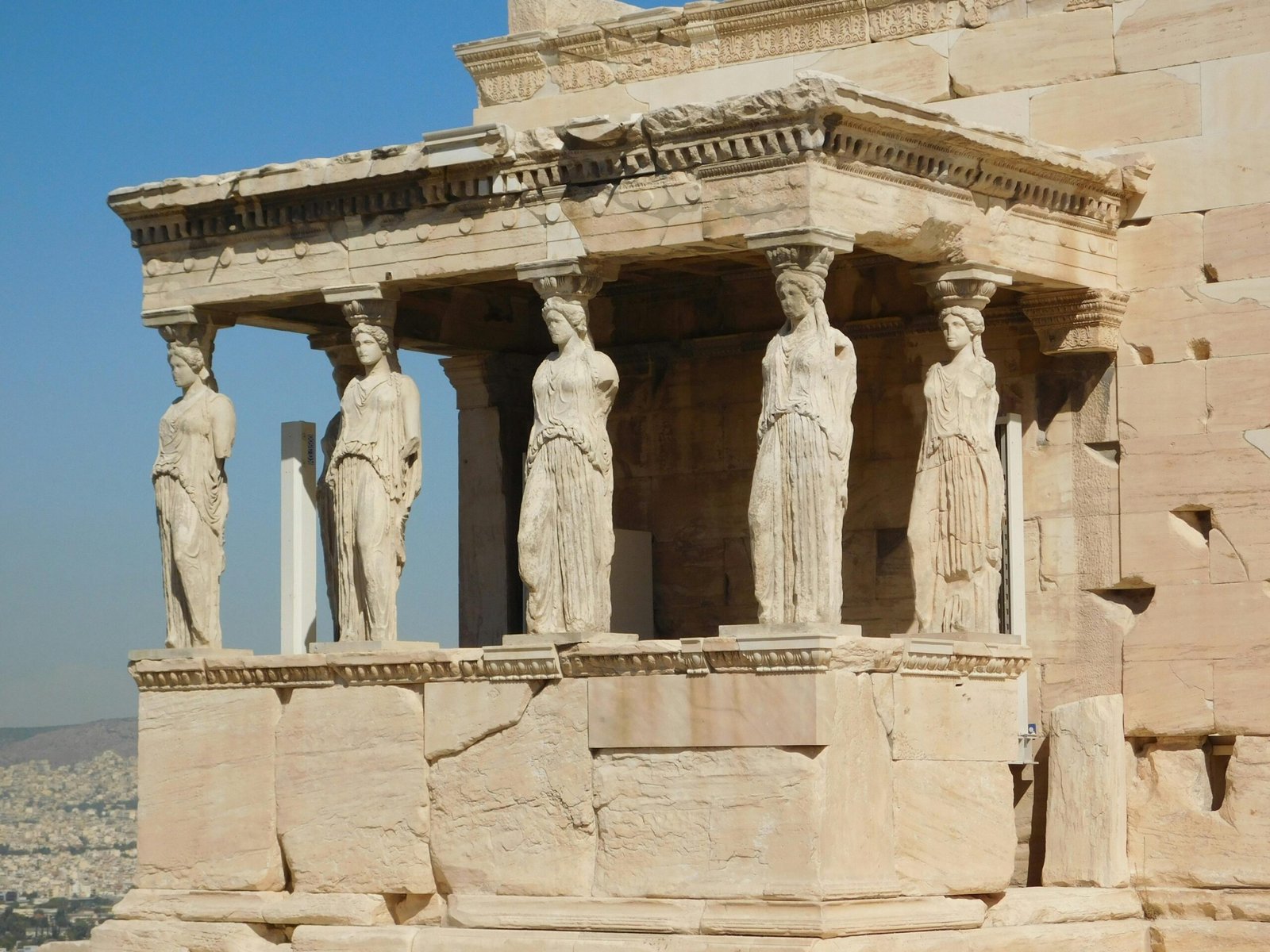
Why Planning Athens and the Islands Together Is Harder Than It Looks
Combining Athens with island time sounds simple on a spreadsheet. In practice, it is one of the easiest ways to make a Greece trip feel fragmented instead of polished. The problem is not that the destination is difficult; the problem is that most travelers misread what each part of the trip is for.
My position is straightforward: if Athens is treated as a throwaway stop, the whole trip usually suffers. You lose the best part of the city, you choose the wrong hotel area, and you end up using premium island time to recover from a rushed arrival or a poorly judged departure. That is not a luxury itinerary; it is a compromise dressed up as efficiency.
Why Planning Athens and the Islands Together Is Harder Than It Looks: the sequencing problem
People assume Athens should always come first because it is the capital and the airport is there. That is a lazy assumption. In some trips, Athens works better at the end because it gives you a proper landing point before departure, a cleaner reset after island hopping, and time for museums, dining, and shopping without the pressure of the sea in the background.
The real issue is not geography. It is pacing. Athens is a city that asks for attention, while most islands ask for decompression. Put them together badly and you get a trip that feels like two half-trips instead of one coherent one.
Travelers consistently get this wrong in two ways. First, they overpack Athens with one night and expect to “see the highlights,” which usually means they see traffic, a hotel lobby, and one rushed dinner. Second, they choose an island stay based on name recognition alone, then realize the island’s pace, beach access, or dining scene does not match the energy they used up in Athens.
The hotel mistake most travelers make
Hotel location in Athens matters more than most visitors expect. Syntagma is practical and central, but not always the most pleasant if you want a calmer luxury base. Kolonaki is better for travelers who care about dining, boutiques, and a more polished city feel, while Plaka can be convenient but often feels too compressed for people who want space and quiet.
Monastiraki can work for short cultural stays, but it is not where I would place a traveler who wants refinement at the end of a long island sequence. Koukaki is increasingly popular because it is more livable than many first-time visitors assume, and it gives better access to the Acropolis area without the overexposure of the most obvious addresses. For travelers who want to understand the city properly, the area around the Acropolis Museum is one of the few places that makes sense both culturally and logistically.
The mistake is assuming any central hotel will do. It will not. A poor Athens hotel choice can be more damaging than a mediocre island hotel because the city is where people are most likely to arrive tired, leave tired, or both.
Two things travelers consistently underestimate
First, they underestimate how much Athens changes the quality of the whole trip when it is given room to breathe. If you only allow it a token stay, you miss the point of the city and still pay the price in time and energy. Athens is not just a transit point; it is a serious urban destination with depth, and the best operators treat it that way.
Second, they underestimate how island choice affects the city segment. A high-energy island like Mykonos creates a very different overall trip from a slower, more understated island like Paros, Naxos, or even Hydra. If you pair Athens with the wrong island for your travel style, the trip becomes lopsided. You either feel overstimulated or underwhelmed, and neither is what a luxury client wants.
For culture-focused travelers, Athens works best when the city is not rushed. The Ministry of Culture site is useful for understanding just how much more there is here than the Acropolis alone, but the bigger point is this: the city deserves planning respect, not just sightseeing time.
A counterintuitive truth about Athens and island combinations
Here is the part most travelers do not expect: the more luxurious the trip, the more important Athens becomes. That sounds backward because people often think luxury means maximizing island time. In reality, the travelers who enjoy Greece most are usually the ones who let Athens set the tone, because the city gives context, variety, and a proper sense of arrival before the islands.
This is especially true for first-timers. If you skip Athens entirely, you may spend more time on a beach, but you often lose the cultural and culinary balance that makes Greece feel complete. That trade-off is fine for repeat visitors. For a first trip, it is usually a mistake.
Who this suits
This combination suits travelers who want contrast in one trip: couples, culture-led travelers, food-focused visitors, and luxury clients who dislike a single-note beach holiday. It also suits people who are comfortable with a trip that has an urban opening or closing act, because Athens works best when it is not treated like an inconvenience.
It does not suit travelers who want a purely restorative escape, families trying to minimize decision-making, or anyone who gets stressed by changing hotel styles and travel rhythms. It also disappoints travelers who want every day to feel identical. Athens and the islands are a strong mix, but they are not a soft, frictionless one.
- Best fit: first-time Greece visitors who want culture and islands in one trip
- Best fit: couples who value dining, museums, and a polished hotel base
- Best fit: repeat travelers who want a smarter city-island balance
- Poor fit: travelers who want one uninterrupted resort-style stay
- Poor fit: families who want minimal transitions and maximum simplicity
- Poor fit: anyone trying to compress too much into too few nights
Where the trade-offs are real
The gain is obvious: more variety, better context, and a trip that feels more complete. You can enjoy serious dining in Athens, then move to the islands with a clearer sense of place and a better emotional arc. Done properly, the city makes the islands feel more rewarding, not less.
The cost is also obvious if you are honest about it. You give up simplicity. You also give up some flexibility, because the wrong hotel location, the wrong sequence, or the wrong amount of time in Athens can make the whole trip feel tight. That is why Why Planning Athens and the Islands Together Is Harder Than It Looks is not just a search phrase; it is the central planning issue.
One practical consequence shows up all the time: travelers who leave Athens for the end of the trip but book a hotel that is too far from the center often spend their final day feeling stranded rather than settled. They think they have “optimized” the itinerary. In reality, they have created dead time right when the trip should be finishing well.
What a smart plan actually protects you from
A good plan protects you from unnecessary transitions, weak hotel placement, and the common mistake of treating Athens as a box to tick. It also protects you from the false logic that the islands should always get the best rooms and the city should get whatever is left. In a well-built Greece trip, Athens often deserves the better urban hotel, because that is where the trip is most vulnerable to fatigue and bad sequencing.
This is where expert help matters. Not because Greece is complicated in a dramatic sense, but because the margin for error is small when you are combining different travel modes, different atmospheres, and different pacing expectations. The difference between a smooth trip and a frustrating one is usually not money. It is judgment.
Greece rewards travelers who arrive with a plan built around how they actually travel — not a generic template. The difference between a frustrating trip and a remarkable one often comes down to sequence, timing, and knowing which trade-offs matter for your situation.
FAQ
Should Athens come at the start or the end of a Greece trip?
There is no universal rule. Athens at the end often works better for travelers who want to finish in the city after island time, while Athens first suits people who want to start with culture before moving to the sea.
How much time should I give Athens if I am also visiting islands?
A token stop is usually a mistake. Travelers who want a meaningful Athens experience need enough time to settle in, not just sleep there between transfers.
Which Athens neighborhoods work best for luxury travelers?
Kolonaki is strong for a polished city stay, Syntagma is practical, Plaka is convenient but often too busy, and Koukaki works well for travelers who want a more livable base near major sights.
What is the biggest mistake people make when combining Athens and the islands?
They compress Athens too much and then choose an island based only on reputation. That combination usually creates fatigue in the city and disappointment on the island.
Is Athens worth including if I mainly want beaches?
If you only want beaches and no cultural contrast, Athens may not be essential. For most first-time visitors, though, leaving it out makes the trip less complete.
Why is hotel location in Athens so important?
Because Athens is where travelers are most likely to arrive tired and leave under time pressure. A poor location can waste energy and make the whole trip feel more difficult than it should.
Recommended experiences
Some experiences mentioned here are curated and managed by Elite Greece Travels.
- Athens Milos Itinerary — Itinerary (managed by Elite Greece Travels).
- Athens Milos Santorini Itinerary 9 Days — Itinerary (managed by Elite Greece Travels).
- Greece 7 Day Itinerary Athens Delphi Meteora Santorini — Itinerary (managed by Elite Greece Travels).
Frequently asked questions
Should Athens come at the start or the end of a Greece trip?
There is no universal rule. Athens at the end often works better for travelers who want to finish in the city after island time, while Athens first suits people who want to start with culture before moving to the sea.
How much time should I give Athens if I am also visiting islands?
A token stop is usually a mistake. Travelers who want a meaningful Athens experience need enough time to settle in, not just sleep there between transfers.
Which Athens neighborhoods work best for luxury travelers?
Kolonaki is strong for a polished city stay, Syntagma is practical, Plaka is convenient but often too busy, and Koukaki works well for travelers who want a more livable base near major sights.
What is the biggest mistake people make when combining Athens and the islands?
They compress Athens too much and then choose an island based only on reputation. That combination usually creates fatigue in the city and disappointment on the island.
Is Athens worth including if I mainly want beaches?
If you only want beaches and no cultural contrast, Athens may not be essential. For most first-time visitors, though, leaving it out makes the trip less complete.
Why is hotel location in Athens so important?
Because Athens is where travelers are most likely to arrive tired and leave under time pressure. A poor location can waste energy and make the whole trip feel more difficult than it should.