

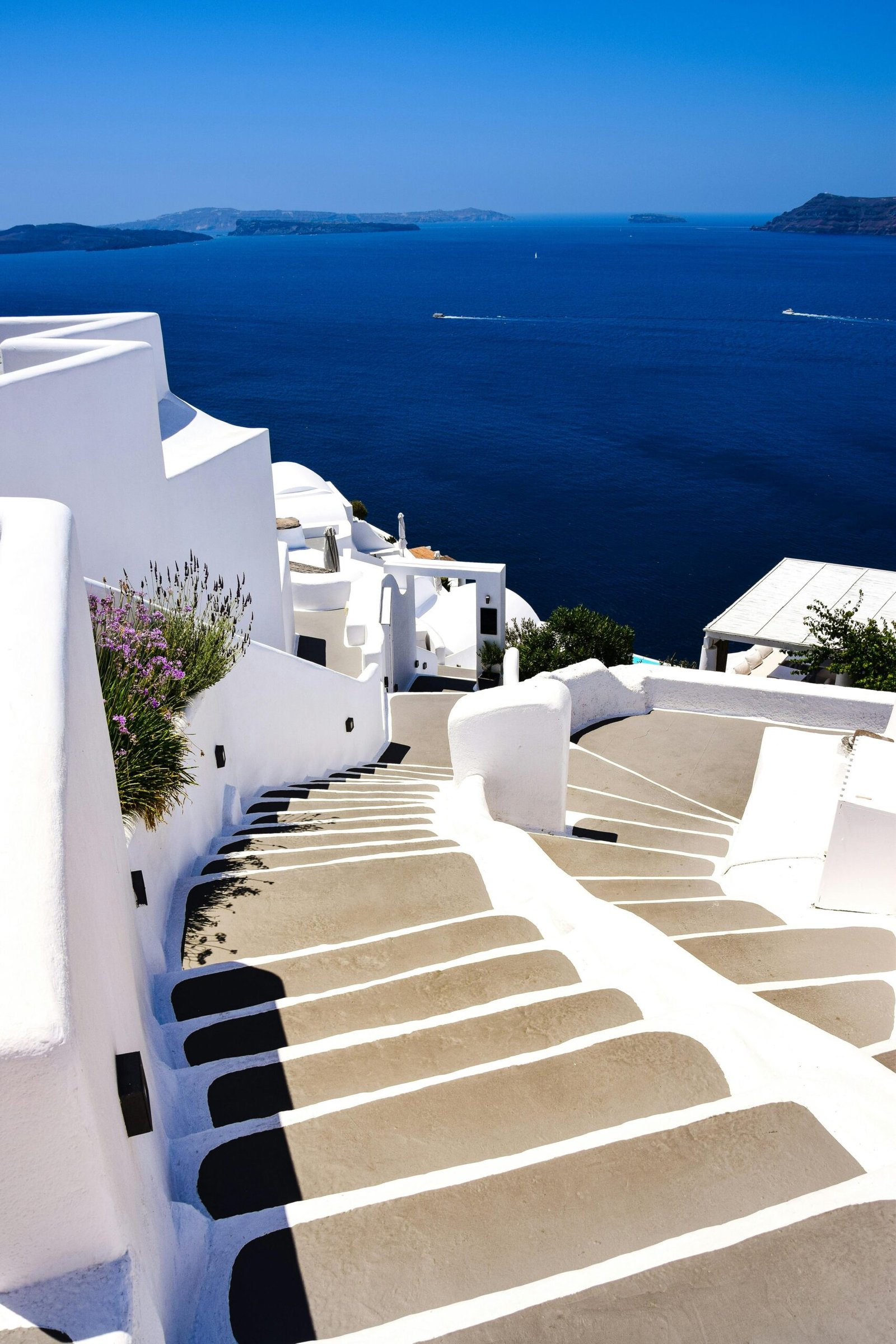
Why Most First-Timers to Santorini Leave Slightly Disappointed usually starts with one simple assumption: that the island will deliver the same feeling as the photos, only in real life. That assumption is understandable, and it is also the main reason people feel let down.
Santorini is not a bad place. The problem is that many travelers arrive expecting a clean emotional payoff — awe, romance, ease — and peak season gives them congestion, noise, and a very managed version of the island. That gap is where the disappointment lives.
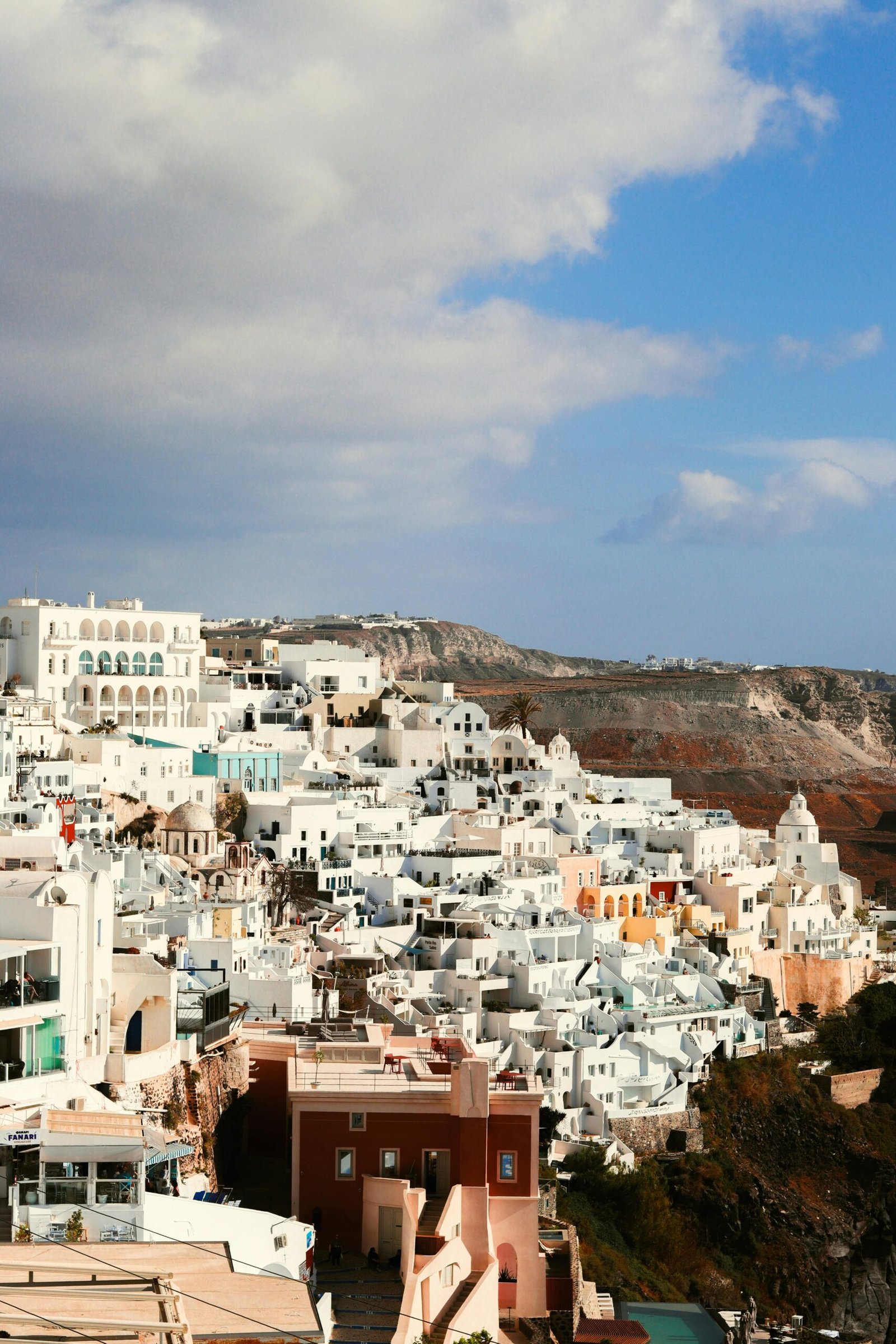
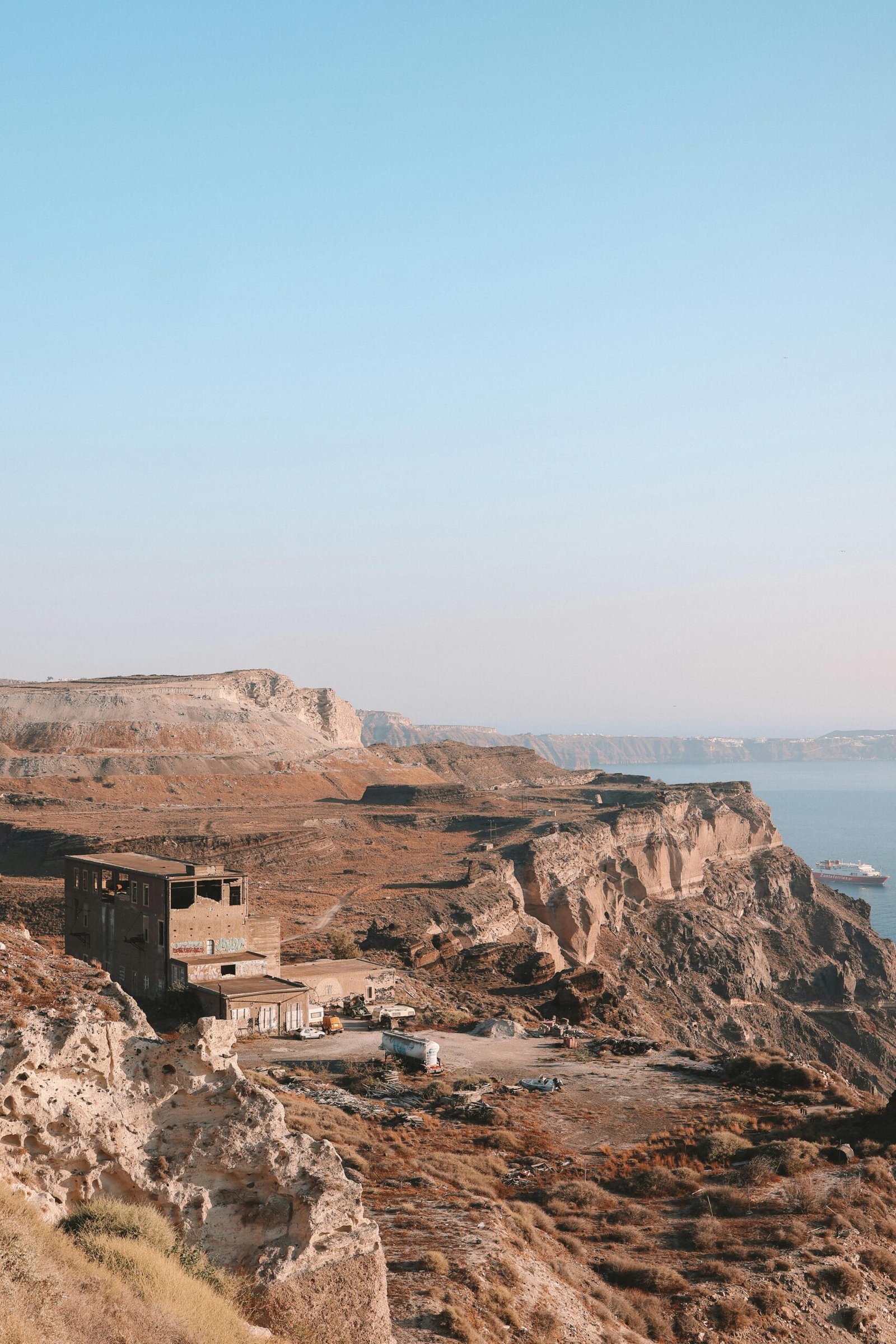
Why Most First-Timers to Santorini Leave Slightly Disappointed
The core issue is not that Santorini fails. The issue is that first-timers often arrive with a fantasy built from a narrow set of images, then compare that fantasy to a very busy island in full commercial mode. Why Most First-Timers to Santorini Leave Slightly Disappointed is really a story about expectation management, not destination quality.
The psychological trap behind Why Most First-Timers to Santorini Leave Slightly Disappointed
People do not choose Santorini only because they want a Greek island. They choose it because they want confirmation that the trip they have been imagining is worth the money, the time, and the planning effort. That makes the trip emotionally loaded before they even land.
For many travelers, Santorini is less a destination than a test. They want the iconic views because those views are proof that they made the right choice, and that pressure makes ordinary friction feel bigger than it is. A crowded path, a mediocre meal, or a long wait can feel like a personal failure of the trip.
That is why Why Most First-Timers to Santorini Leave Slightly Disappointed is so common. The island is carrying the emotional weight of an entire vacation narrative, and no place can do that cleanly in peak season.
What travelers expect versus what peak season actually delivers
Travelers expect quiet, polished romance. They expect a place that feels intimate, effortless, and visually controlled from the moment they arrive. What they actually get in peak season is a very popular island with real crowd pressure, tight capacity, and a constant sense that they are sharing every view with everyone else.
The emotional gap is not subtle. Many first-timers are not disappointed by what Santorini is; they are disappointed by how crowded, transactional, and scheduled it feels once the island is fully loaded. That is a hard shift for people who built the trip around atmosphere.
This is where Why Most First-Timers to Santorini Leave Slightly Disappointed becomes predictable. The island still looks like Santorini, but the experience is less private, less relaxed, and less forgiving than the image people carried in.
The moment the disappointment usually hits
The letdown usually does not arrive in one dramatic scene. It tends to hit in a small, practical moment: standing in a queue, trying to take in a view while others are doing the same thing, or realizing that the day feels managed by crowds rather than by your own pace.
That moment matters because it breaks the fantasy of control. First-timers often think they are paying for a seamless emotional experience, and instead they meet the reality of a destination that is famous, heavily visited, and structurally busy in the months when most people come.
Another common trigger is the first evening, when the island’s famous views are no longer enough to carry the whole mood. If the rest of the day felt rushed or crowded, the sunset does not fix it. It just highlights the gap between expectation and lived experience.
Why people keep making the same choice
The decision is driven by social proof. Santorini is one of the few places where travelers feel they should go because everyone else has gone, and that creates a fear of missing out that is stronger than normal destination logic. People are not just choosing an island; they are choosing membership in a shared travel image.
There is also a status element that people rarely admit out loud. Santorini signals that a trip is special, expensive, and worth talking about later. For some travelers, that matters more than comfort, rhythm, or depth on the ground.
That is why Why Most First-Timers to Santorini Leave Slightly Disappointed keeps repeating across seasons. The choice is often emotionally smart from a branding perspective and operationally weak from a travel-experience perspective.
Traveler types most prone to this pattern
Some travelers are much more likely to feel the gap. The first is the photo-led traveler, who has built the whole trip around a visual outcome and expects the rest of the experience to support it. The second is the romance-led traveler, who wants intimacy and calm but arrives in the busiest version of the island.
The third is the once-in-a-lifetime planner. This person tends to overinvest in one destination and expects it to carry the emotional success of the whole holiday. When Santorini is that destination, the pressure is high and the margin for disappointment is low.
- Photo-led travelers who judge the trip by whether it matches the feed.
- Romance-led couples who want privacy but travel in the most crowded months.
- First-time Greece visitors who assume the most famous island is automatically the best fit.
These are the people most likely to say the island was beautiful but not as good as they expected. That sentence is basically the summary of Why Most First-Timers to Santorini Leave Slightly Disappointed.
A counterintuitive truth most blogs skip
The surprising part is that Santorini often disappoints the most at the exact moment it looks most successful. When the island is fully booked and fully active, it confirms its fame, but that fame also makes it feel less personal and less memorable for some travelers. Popularity can flatten the experience.
This is why a traveler can leave with excellent photos and a lukewarm memory. The camera records the image, but the body remembers the friction. People talk themselves into thinking the visual payoff will cancel out the hassle, and in Santorini that trade is often weaker than they expected.
That is a clear position: if your main goal is a relaxed, emotionally easy Greek island experience, Santorini in peak season is not the best first choice. It is too exposed, too busy, and too heavily interpreted by the market around it.
How to approach Santorini without setting yourself up for disappointment
The better approach is to stop asking Santorini to be everything. Treat it as a high-demand, high-visibility island with a very specific value: dramatic views, strong brand recognition, and a polished but busy visitor experience. Once you accept that, the trip gets more honest.
That honesty changes the planning consequence. You stop building the whole vacation around one island’s ability to deliver perfection and start thinking about fit, sequence, and energy. Greece rewards travelers who arrive with a plan, but only when that plan reflects how they actually travel.
If you want a broader sense of how Greece is presented versus how it works in practice, the official tourism material at
Visit Greece is a useful baseline, but it should not be your only source of truth. The real question is not whether Santorini is worth seeing. It is whether you are asking it to do a job it was never designed to do.
Reframing the trip so it works for you
The right mindset is not lower expectations in a vague sense. It is narrower expectations. If you want the island for the views, the design, and the sense of being in a place everyone recognizes, Santorini can still work well.
If you want ease, privacy, and a feeling of discovery, you need to be more selective about why Santorini belongs in your trip at all. That is the real lesson behind Why Most First-Timers to Santorini Leave Slightly Disappointed: the mistake is usually emotional, not geographic.
Think of the island as one part of a larger Greece trip, not the whole emotional centerpiece. That shift reduces pressure, improves satisfaction, and keeps one famous island from carrying too much weight.
For travelers who want to understand the cultural context behind Greece’s most visited places, the Hellenic Ministry of Culture offers a more grounded view of how heritage and tourism coexist. That perspective matters, because the best trips are built by people who understand what a place is, not just what it looks like.
Recognizing the pattern is the first step. The second is building a trip around how you actually travel — not the traveler you imagine yourself to be. Most great Greece experiences start with that honesty.
Frequently asked questions
Why do first-timers to Santorini feel disappointed?
Because they often expect a calm, intimate island experience and arrive in peak season, when the island feels crowded, commercial, and harder to enjoy at an easy pace.
Is Santorini overrated for first-time visitors?
Not overrated in absolute terms, but often over-assigned. People expect it to deliver the emotional peak of the whole trip, and that is where disappointment starts.
What is the biggest mistake people make when visiting Santorini?
They treat the island like a guaranteed romance or luxury experience instead of a very popular destination with real crowd pressure and limited flexibility in busy months.
Who is most likely to be disappointed by Santorini?
Photo-led travelers, romance-led couples, and first-time Greece visitors who assume the most famous island will automatically be the best fit for their travel style.
When does the disappointment usually hit?
Usually in a small practical moment: waiting, crowding, or realizing that the island feels more managed and shared than private and effortless.
Can Santorini still be worth visiting for first-timers?
Yes, if you understand what it is good at: iconic views, strong brand recognition, and a polished visitor experience. It works best when it is not expected to carry the emotional weight of the entire holiday.