

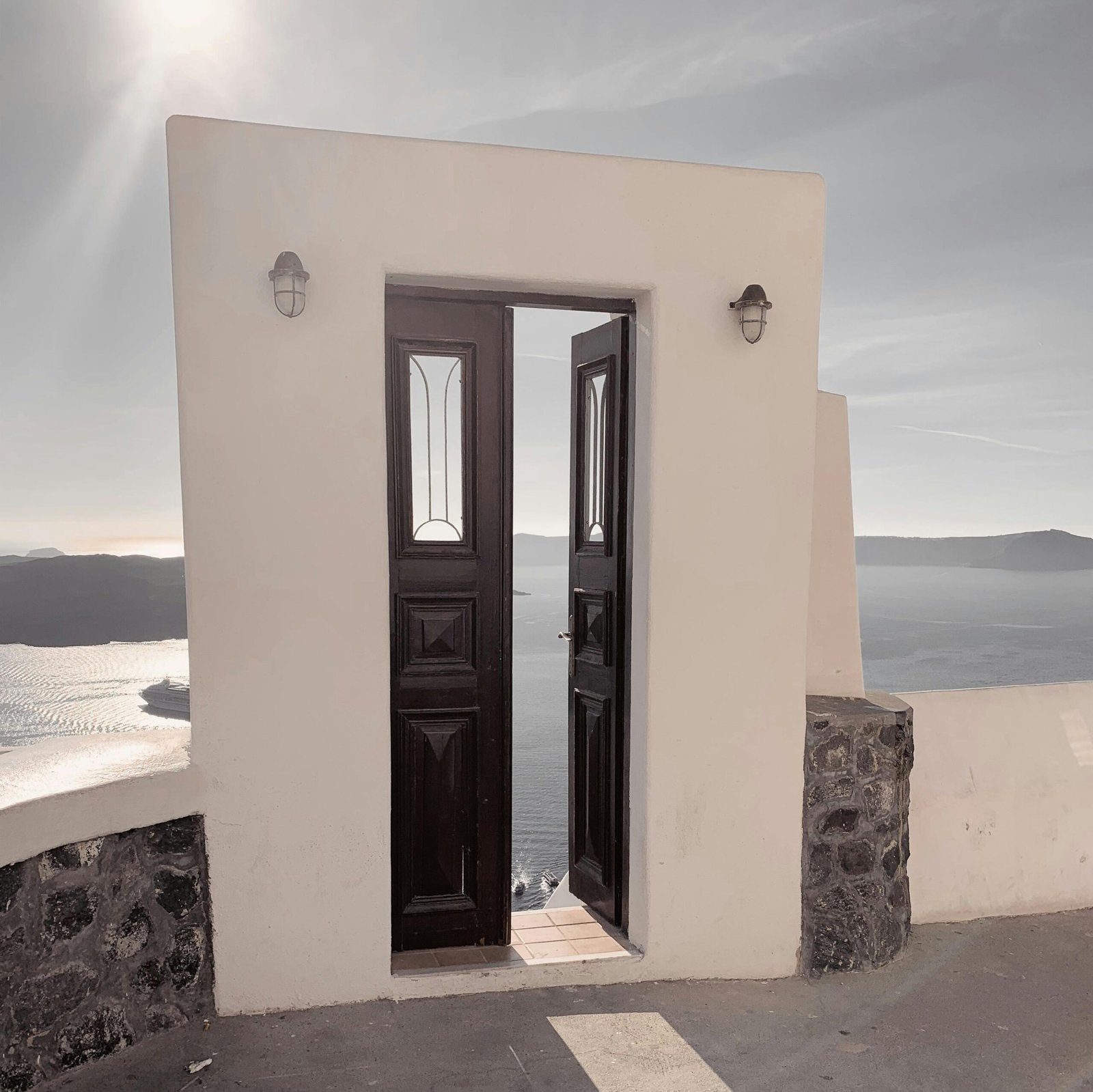
Why Santorini Is Better in Theory Than in Real Life is a question worth asking before you book, because the gap between the postcard image and the actual experience is large. For many first-time visitors, the island delivers a lot of friction for a very short payoff.
The problem is not that Santorini is bad; it is that most travelers picture a calm, elegant island and arrive in a place where timing, crowd load, and hotel placement decide almost everything. If you understand that early, you can make a smarter choice and avoid paying premium prices for a disappointing version of the trip.

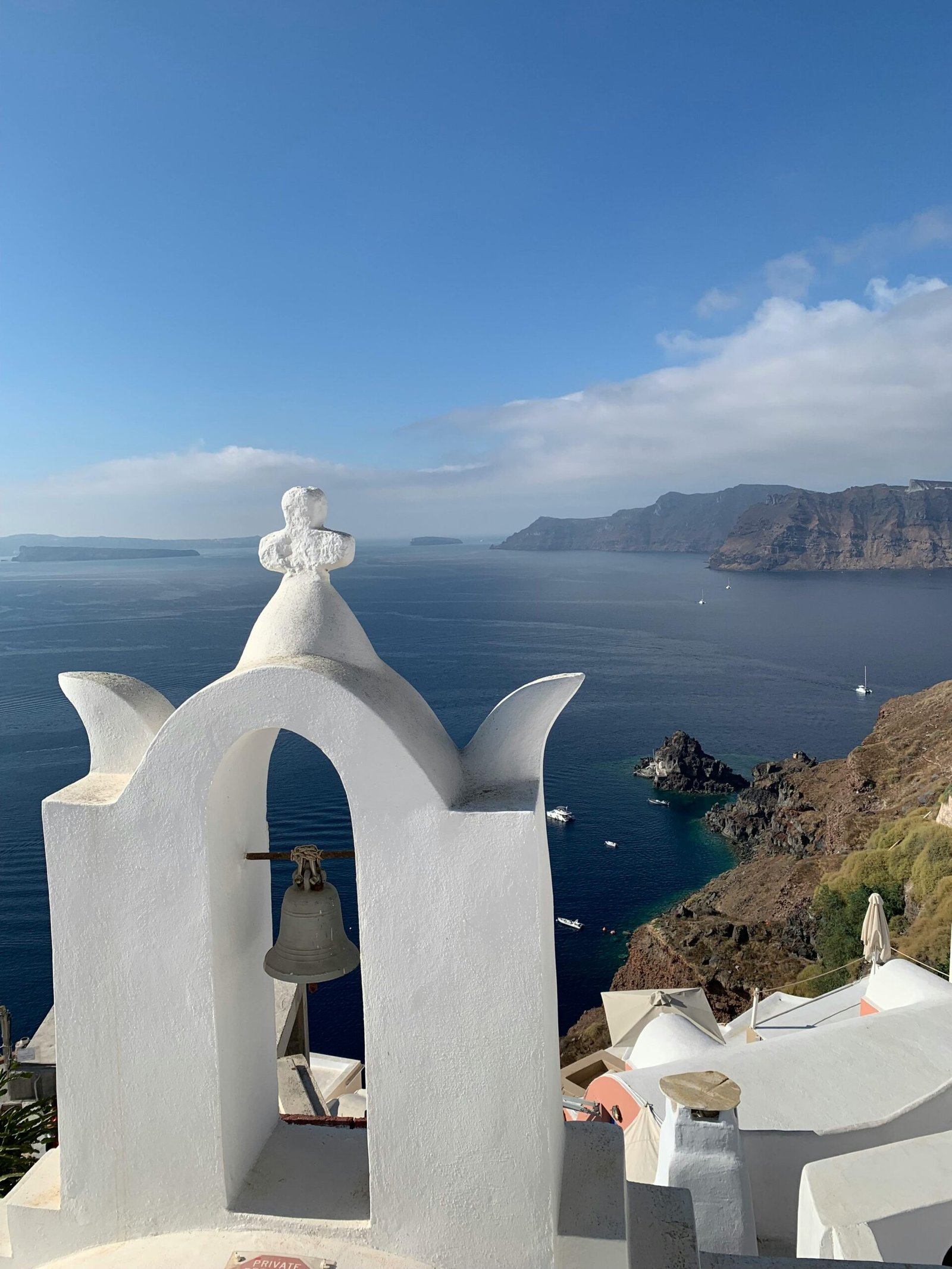
Why Santorini Is Better in Theory Than in Real Life
Most people do not regret seeing Santorini; they regret what they expected Santorini to be. Why Santorini Is Better in Theory Than in Real Life comes down to a simple mismatch: the island is sold as a seamless luxury escape, but in practice it is a high-friction destination where views, access, and crowd density can work against each other.
That friction matters. If you choose the wrong area, the wrong season, or the wrong pace, you can spend a lot of money to feel boxed in, rushed, and overmanaged. Why Santorini Is Better in Theory Than in Real Life is not a complaint about the island itself; it is a warning about how easy it is to book the wrong version of it.
Why Santorini Is Better in Theory Than in Real Life: the core problem
The island’s reputation is built on a few images: whitewashed villages, caldera views, and sunset dinners. The reality is that those experiences are concentrated in a narrow band of places and times, which means everyone is competing for the same small slice of the island at once.
Most travelers assume Santorini works like a relaxed luxury destination. Actually, it often behaves like a compressed stage set: expensive rooms, crowded viewpoints, and constant movement through the same choke points. That is why the island can feel more impressive in photos than in person.
Most travelers assume a caldera-view hotel guarantees a better stay, but actually it can mean paying more for less convenience, more stairs, and more noise. If your room looks perfect online but leaves you isolated from the parts of the island you actually want to use, the view becomes an expensive decoration.
When Santorini is the right choice
Santorini makes sense if your trip is short, your priority is a few high-value visual moments, and you are comfortable paying for controlled comfort. It also works for travelers who want a polished, high-spend experience and are not expecting broad beaches, easy wandering, or a laid-back island rhythm.
It is also the right choice if you are very clear about what you are buying: a famous landscape, premium hotels, and a concentrated set of experiences. For that kind of traveler, the island’s limitations are part of the deal, not a surprise.
If you want a broader Greece context before committing, start with the official national tourism material at
Visit Greece, then compare what Santorini offers against what you actually want from the trip.
When not to choose Santorini
Do not choose Santorini if you want an easy, low-stress island stay with room to move, casual dining, and a sense that you can improvise each day. This is not the place for travelers who dislike crowds, hate paying premium prices for basic convenience, or want their hotel to feel like a calm base rather than a carefully chosen compromise.
It is also a poor match for people who think the island will feel romantic in a spontaneous way. Santorini can be romantic, but it is usually engineered romance: reservations, timing, and crowd management doing the heavy lifting.
That is a very different experience from what first-timers picture. If you want Greece to feel relaxed rather than curated, Santorini is often the wrong first island.
What changes the experience most
Season matters, but not in the vague way most blogs describe it. In peak months, the island becomes more about managing exposure to crowds than enjoying the setting, and that changes the emotional tone of the trip. In shoulder season, the island is still busy in the main areas, but the pressure drops enough to make the same places feel more usable.
Hotel placement matters even more. A room in the wrong part of the island can turn a premium trip into a series of transfers, waits, and missed meals, while a well-located base can make the island feel manageable. This is where many travelers lose money: they buy the view and accidentally give up ease.
Timing within the day matters too. Santorini is not one experience from morning to night; it is a sequence of different crowd levels, temperatures, and moods. If you only know the sunset version, you are judging the island by its most congested hour.
Trade-off matrix: who gets the best version of Santorini
- Luxury couples: Best fit if they value views, privacy, and a short, polished stay.
- First-time Greece visitors: Risky if they want the island to represent Greece broadly; it is too stylized for that.
- Beach-focused travelers: Usually disappointed; Santorini is not the strongest island for easy beach time.
- Food-led travelers: Mixed results; there are good restaurants, but the island’s pricing and crowd patterns can distort the value.
- Budget travelers: Poor fit; the island’s premium structure is hard to avoid.
- Travelers who hate logistics: Often frustrated, because the island asks you to think about location more than they expect.
Here is the blunt version: if you care most about ease, value, and variety, Santorini is usually not the best use of your time or money. If you care most about a concentrated, high-end visual experience and accept the trade-offs, it can still be worth it.
For travelers trying to place Santorini within a wider Greece trip, official background from the Ministry of Culture can help frame the island as one part of a much larger destination portfolio, not the whole story.
The surprise most travelers miss
The most counterintuitive thing about Santorini is that the famous view can make the rest of the island feel smaller than it really is. People arrive expecting a dramatic, expansive experience, then discover they are spending their time navigating crowded lanes, steep paths, and tightly packed commercial zones.
That is why the island can feel tiring even when nothing goes wrong. The issue is not one bad event; it is the accumulation of small frictions that drain the sense of ease travelers expected to find.
Clear guidance for the most common traveler scenarios
If you have never been to Greece and you want one iconic island stop, Santorini can work if you treat it as a short, premium, highly managed experience. Do not make it the center of a long island-hopping trip unless you are deliberately choosing spectacle over variety.
If you are traveling as a couple and want a special-occasion stay, Santorini is still defensible, but only with realistic expectations about crowding and cost. If you are traveling for beaches, relaxed daily life, or value, choose a different island and stop forcing Santorini to be something it is not.
If you are deciding between “book Santorini” and “skip it,” my position is clear: choose Santorini only if the specific payoff matters enough to justify the friction. Otherwise, you are paying a premium for the island’s reputation rather than for the quality of your actual trip.
Bottom line
Why Santorini Is Better in Theory Than in Real Life is not a reason to avoid it entirely. It is a reason to stop romanticizing it and start evaluating it like a real purchase: what you get, what you give up, and whether that trade is worth it for your style of travel.
The right answer depends on how you actually travel — your pace, your priorities, and what you’re willing to trade off. If you’re not sure which option fits, that uncertainty is itself useful information.
Recommended experiences
Some experiences mentioned here are curated and managed by Elite Greece Travels.
- Athens Milos Santorini Itinerary 9 Days — Itinerary (managed by Elite Greece Travels).
- Greece 7 Day Itinerary Athens Delphi Meteora Santorini — Itinerary (managed by Elite Greece Travels).
- Santorini Sunset Cruise With Dinner In The Caldera — Cruise (managed by Elite Greece Travels).
Frequently asked questions
Is Santorini worth visiting for first-time travelers?
Yes, if the goal is one iconic, high-impact island stop and you accept that it will feel busy and expensive. No, if you expect a relaxed, broad, all-purpose Greek island experience.
Why does Santorini feel disappointing to some travelers?
Because the island’s reputation is built on a narrow set of visual moments, while the actual stay is shaped by crowd pressure, steep terrain, and expensive location choices. The mismatch is what creates disappointment.
What is the biggest mistake people make in Santorini?
Choosing a hotel for the view alone and ignoring access, convenience, and the amount of time spent dealing with the island’s friction. That is the fastest way to overspend and still feel dissatisfied.
Is Santorini better for couples than for families?
Generally yes. Couples are more likely to value the visual payoff and tolerate the trade-offs, while families often find the crowds, cost, and logistics less forgiving.
Is Santorini worth the high price?
Only if the specific experience you want is the caldera-view, premium-stay version of the island. If you want value, flexibility, or easy island life, the answer is usually no.
What kind of traveler should skip Santorini?
Travelers who hate crowds, want beach time first, care about value, or prefer a relaxed base with easy movement around the island. Those travelers are usually better served elsewhere in Greece.