

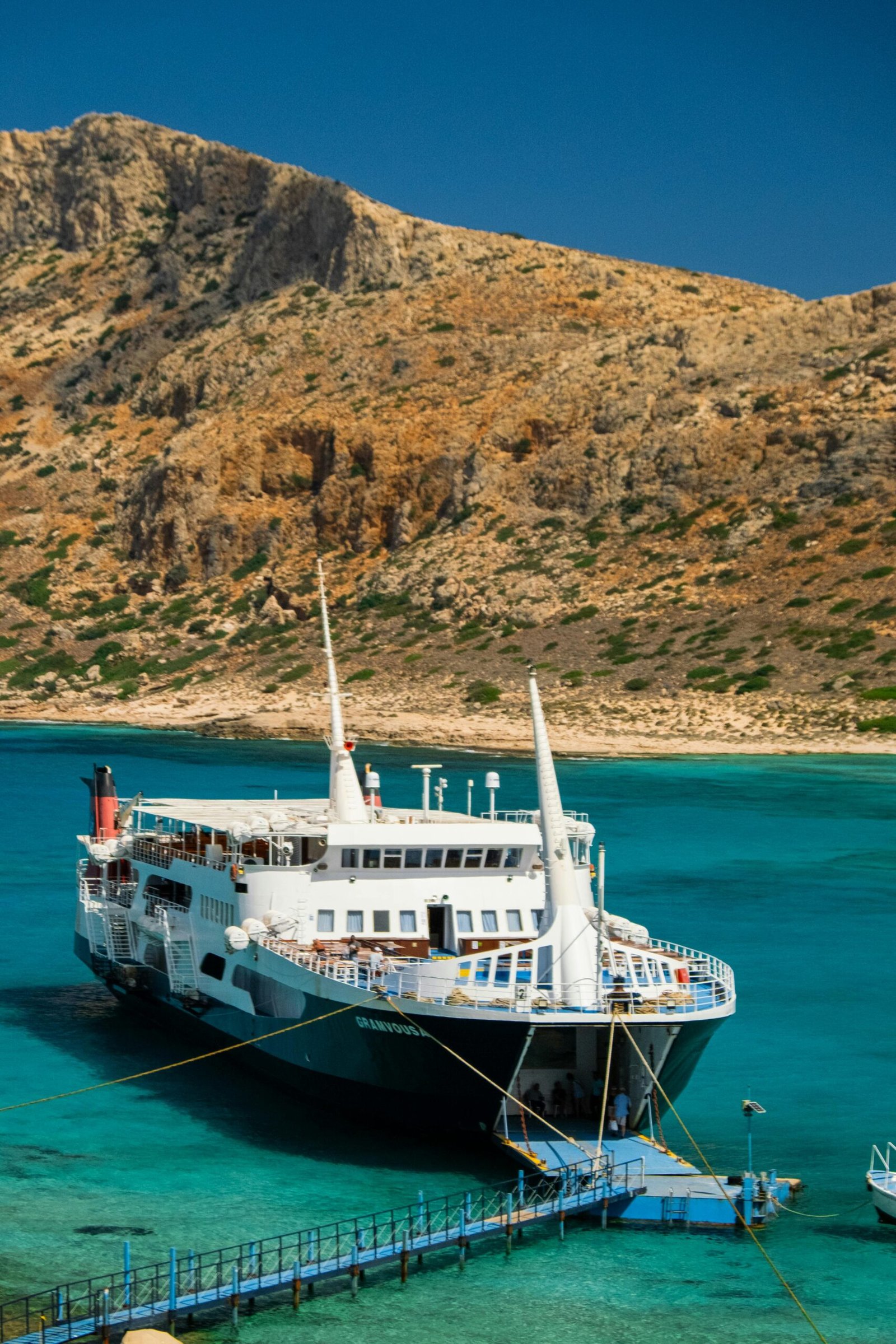
Crete Is Not One Destination, and That’s the Problem. Travelers see one island on the map and assume one simple trip; that is how they end up booking the wrong base, underestimating distances, and spending too much time in transit for too little payoff.
Crete is large, uneven, and split into very different travel experiences from west to east. If you treat it like a compact island break, you will miss the point and probably misjudge what kind of holiday you are actually buying.
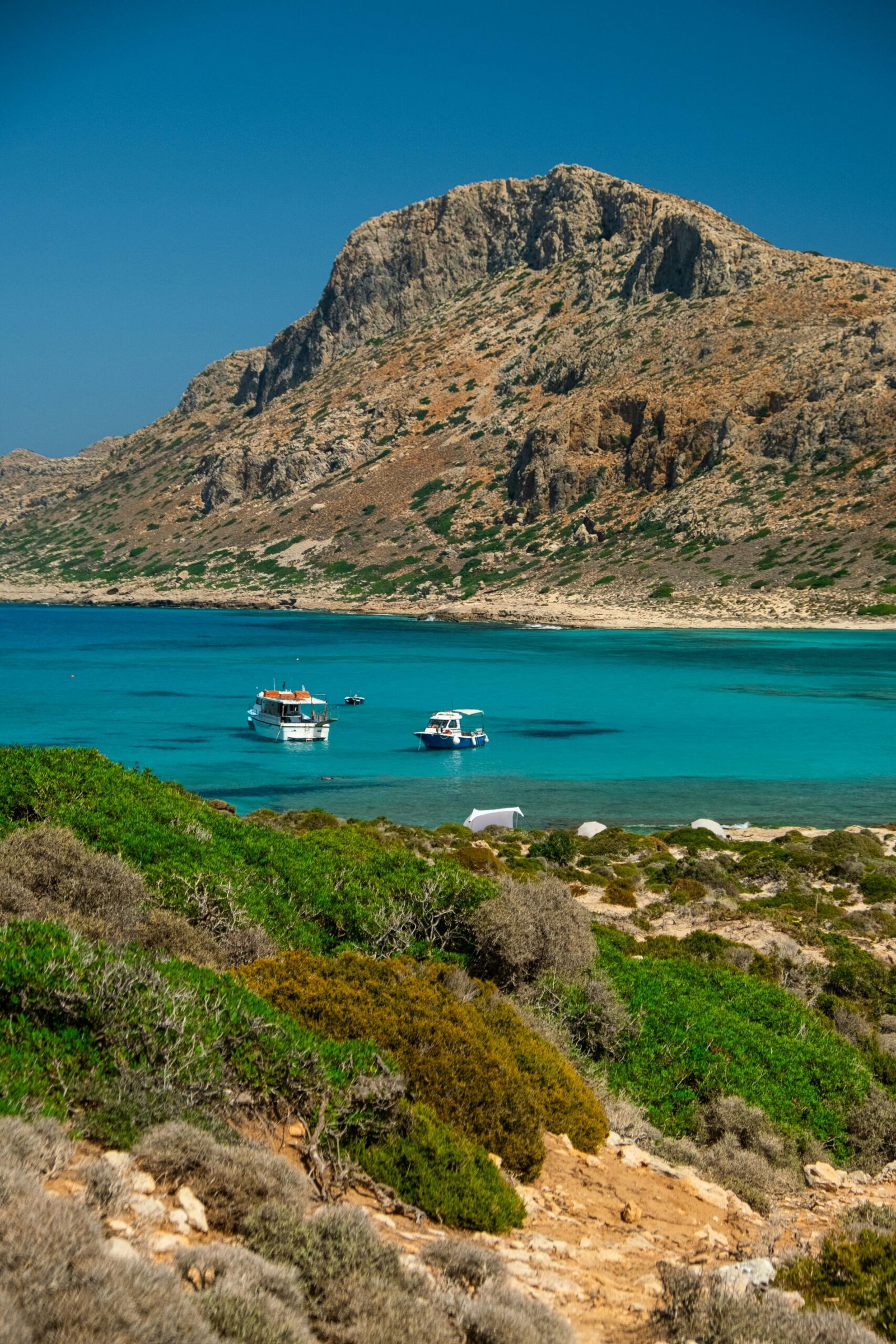
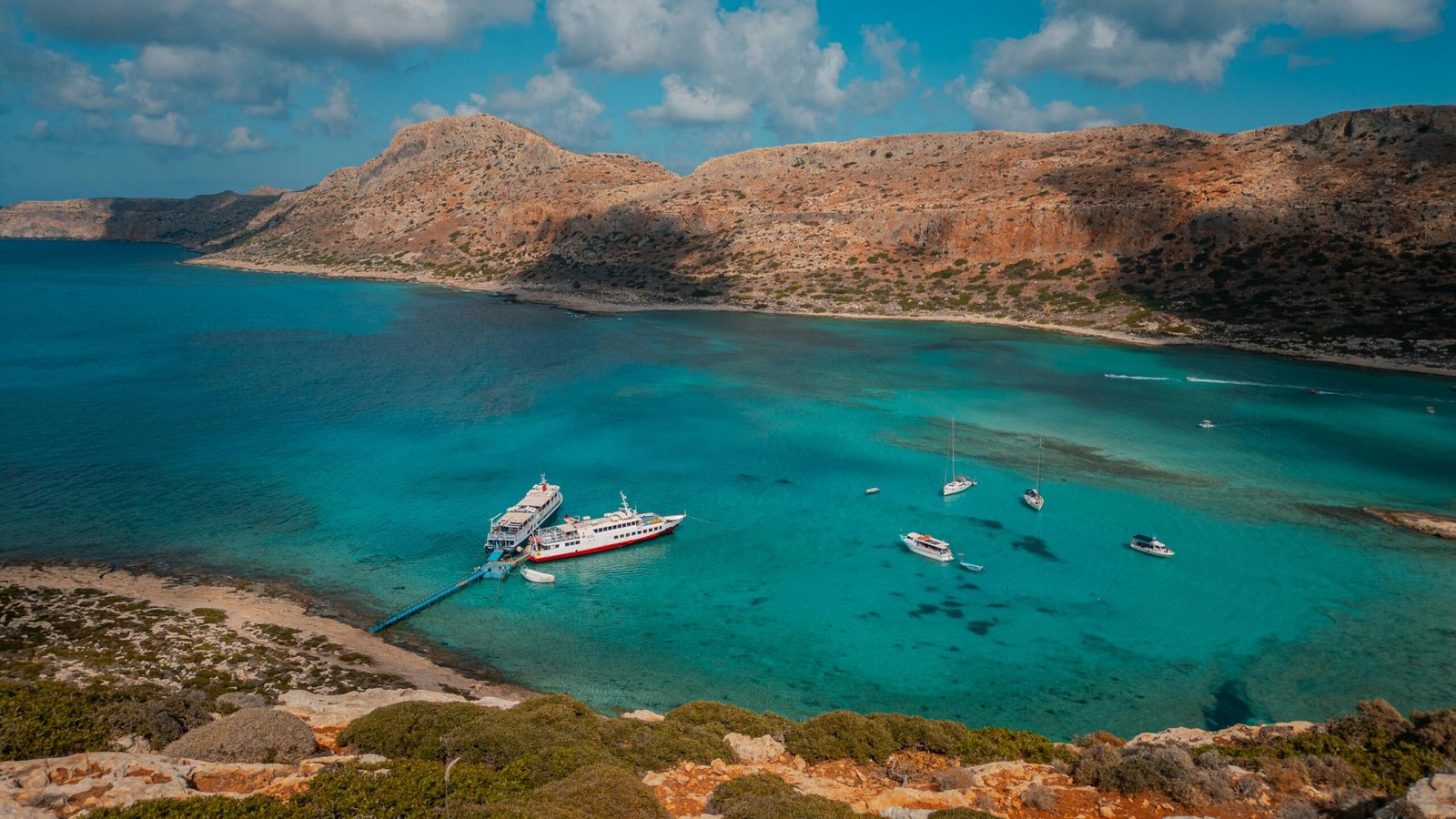
Crete Is Not One Destination, and That’s the Problem
Crete Is Not One Destination, and That’s the Problem is not a clever headline. It is the first thing serious planners learn once they stop looking at the island as a single resort zone and start looking at it as a place with real geographic and cultural differences.
The mistake most travelers make is simple: they choose Crete because it sounds easy, then build a generic beach-and-sightseeing plan around it. That works badly here. Crete is broad enough that a family, a couple, and a hiking-focused traveler can all have completely different versions of a good trip, and those versions often do not overlap.
Crete Is Not One Destination, and That’s the Problem: the island changes character fast
West Crete and east Crete do not feel interchangeable. Chania has a more polished, better-known visitor profile, while Rethymno sits in the middle with a more balanced feel and a strong old-town draw. Heraklion is the practical center, but many travelers underestimate how functional it is compared with the more atmospheric parts of the island.
Then there is Elounda, which attracts a very different crowd: people who want polished resorts and a quieter, more controlled stay. Agios Nikolaos works for travelers who want a town base with a bit of life around it, while Paleochora suits people who care more about a low-key coastal setting than being near the island’s headline names. Treat these places as interchangeable and you will choose poorly.
Crete Is Not One Destination, and That’s the Problem because the island does not forgive lazy assumptions. A traveler who wants a compact, walkable, urban-feeling stay will be frustrated in a rural corner that looks pretty on paper but offers little after dinner. A traveler who wants long beaches and space will be equally annoyed if they base themselves in a busy town center and expect calm.
What travelers consistently get wrong
The first mistake is underestimating scale. Crete is not a place where you casually “see the whole island” from one base without sacrificing time and energy. Many visitors book too much ambition into too few nights, then spend the trip feeling behind schedule.
The second mistake is choosing a base for the wrong reason. People often pick Chania because everyone talks about it, then discover they actually wanted quieter beaches, fewer crowds, or easier access to a different side of the island. Others choose a remote resort because it looks serene online, then realize they have traded convenience and variety for isolation.
The third mistake is reading Crete as a single beach destination. That misses the point. The island is better understood as a set of distinct travel products: town stays, resort stays, outdoor-focused stays, and food-and-culture stays. Trying to force one into another is where trips start to feel inefficient.
Places that matter when you plan well
Chania is the obvious name, but it is not automatically the right answer. It works best for travelers who want a strong old town, a polished dining scene, and a base that feels complete without needing constant movement. It is a poor fit for people who dislike busy areas or want a very quiet, low-friction beach holiday.
Rethymno is often overlooked by first-timers, which is a mistake. It gives you a more balanced middle ground and avoids some of the extremes you get elsewhere. Heraklion, for all its reputation as a transit-oriented city, is useful for travelers who care about museums, practical access, and a less romantic but more functional base.
Elounda is where expectations need to be honest. If you want a resort-led stay with a controlled environment, this is one of the island’s strongest bets. If you want atmospheric streets, a broad range of casual dining, and easy wandering, it is not the right fit.
Paleochora is for travelers who prefer a slower, less packaged experience and accept that the trade-off is fewer options. Agios Nikolaos works well for people who want a town with a defined identity rather than a purely resort-led setting. These are not interchangeable labels; they shape the whole trip.
The counterintuitive part: Crete can feel smaller when you choose less
Here is the part most travelers do not expect: a simpler Crete trip often feels bigger than an overplanned one. When you try to cover too much ground, the island starts to feel fragmented and tiring. When you choose one region and accept its limits, the trip usually feels more coherent and more memorable.
Crete Is Not One Destination, and That’s the Problem only if you insist on making it one. The island becomes much easier to enjoy when your plan matches the kind of traveler you actually are. People who want a polished base, a food-led stay, or a quiet coastal rhythm should stop trying to add every possible region to the same trip.
This is where planning matters more than enthusiasm. Crete can deliver a very good holiday, but only if you stop chasing the island as a checklist. The real gain is clarity: fewer compromises, fewer wasted days, and a trip that feels designed rather than assembled.
Who this suits
Crete suits travelers who like distinct bases, not one-size-fits-all resort logic. It is strong for couples, food-focused visitors, families who want a settled home base, and repeat Greece travelers who already know they dislike vague planning. It also suits people who are comfortable making trade-offs and do not need every day to look the same.
- Best for: travelers who want culture, food, beaches, and a real sense of regional difference.
- Best for: families and couples who are happy with one main base and a slower pace.
- Not ideal for: travelers who want a compact island with easy, spontaneous movement between major sights.
- Not ideal for: visitors who dislike choosing between atmosphere and convenience.
If you want a single base that does everything, Crete will frustrate you. If you want a trip shaped around one or two priorities, it can be one of the strongest islands in Greece. That distinction is the whole point.
What you gain, and what you give up
The gain is range. Few Greek islands offer this much variation in town feel, beach style, resort quality, and local character. You can build a trip around food, heritage, family comfort, or low-key coastal living and still stay on one island.
The cost is decision-making. You do not get the luxury of being vague and still getting a good result. If you ignore the differences between Chania, Rethymno, Heraklion, Elounda, Paleochora, and Agios Nikolaos, you will almost certainly choose a base that works against your own travel style.
For travelers who care about culture, the island also deserves a more serious lens. Crete has depth beyond the beach scene, and official cultural resources such as the Ministry of Culture are worth checking when you want a better sense of what is protected, seasonal, or actively maintained rather than just marketed.
Crete Is Not One Destination, and That’s the Problem only if you arrive expecting a shortcut. If you accept that the island asks for a real plan, you get a trip with much better balance and far fewer regrets. That is the difference between a decent Crete holiday and one that actually fits.
For broader destination context and seasonal planning, the national tourism overview at
Visit Greece is a useful starting point, but it will not replace judgment about where you should actually stay. That judgment is where most travelers go wrong, and where experienced planning pays for itself.
Greece rewards travelers who arrive with a plan built around how they actually travel — not a generic template. The difference between a frustrating trip and a remarkable one often comes down to sequence, timing, and knowing which trade-offs matter for your situation.
Recommended experiences
Some experiences mentioned here are curated and managed by Elite Greece Travels.
- Best Of Greece Athens Paros Crete 7 Day Itinerary 6 Nights — Itinerary (managed by Elite Greece Travels).
- Athens Mykonos Santorini Crete Itinerary 9 Days — Itinerary (managed by Elite Greece Travels).
- Athens Santorini Crete Itinerary 7 Days — Itinerary (managed by Elite Greece Travels).
Frequently asked questions
Is Crete better for one base or multiple bases?
For most travelers, one well-chosen base is better unless the trip is long enough to justify moving. The island is large enough that unnecessary switching usually costs time and energy without adding much value.
What is the biggest mistake first-time visitors make in Crete?
They pick a famous name instead of the right region. Chania is not automatically better than Rethymno, and a resort area is not automatically better than a town base.
Which part of Crete is best for a quieter stay?
Paleochora and parts of Elounda tend to suit quieter stays, but they are quiet in very different ways. One is more low-key and less packaged, the other is more controlled and resort-oriented.
Is Heraklion worth staying in?
Yes, for the right traveler. It is not the most atmospheric choice, but it is practical, useful for museum-focused travelers, and often underestimated by people who only want postcard settings.
What kind of traveler gets frustrated in Crete?
Travelers who want a compact island with easy movement and very little planning. Crete asks you to choose a region and accept trade-offs, which does not suit everyone.
Why do people say Crete needs expert planning?
Because the island’s scale and regional differences make base selection matter more than on many Greek islands. A poor choice can leave you too far from the kind of holiday you actually wanted.