


Why Planning a Peloponnese Trip Without Help Usually Falls Apart is simple: the region looks compact until you try to build a trip that actually works. The map encourages bad assumptions. Distances, pacing, and the difference between coastal bases and inland sightseeing create problems that first-time planners usually do not see coming.
The Peloponnese is not one destination with one rhythm. Nafplio, Monemvasia, Kalamata, Kardamyli, the Mani, and Ancient Olympia all pull the trip in different directions, and trying to treat them as interchangeable is how people waste time, energy, and money. This is a region where the planning mistake is usually not what you visit, but how you connect it all.
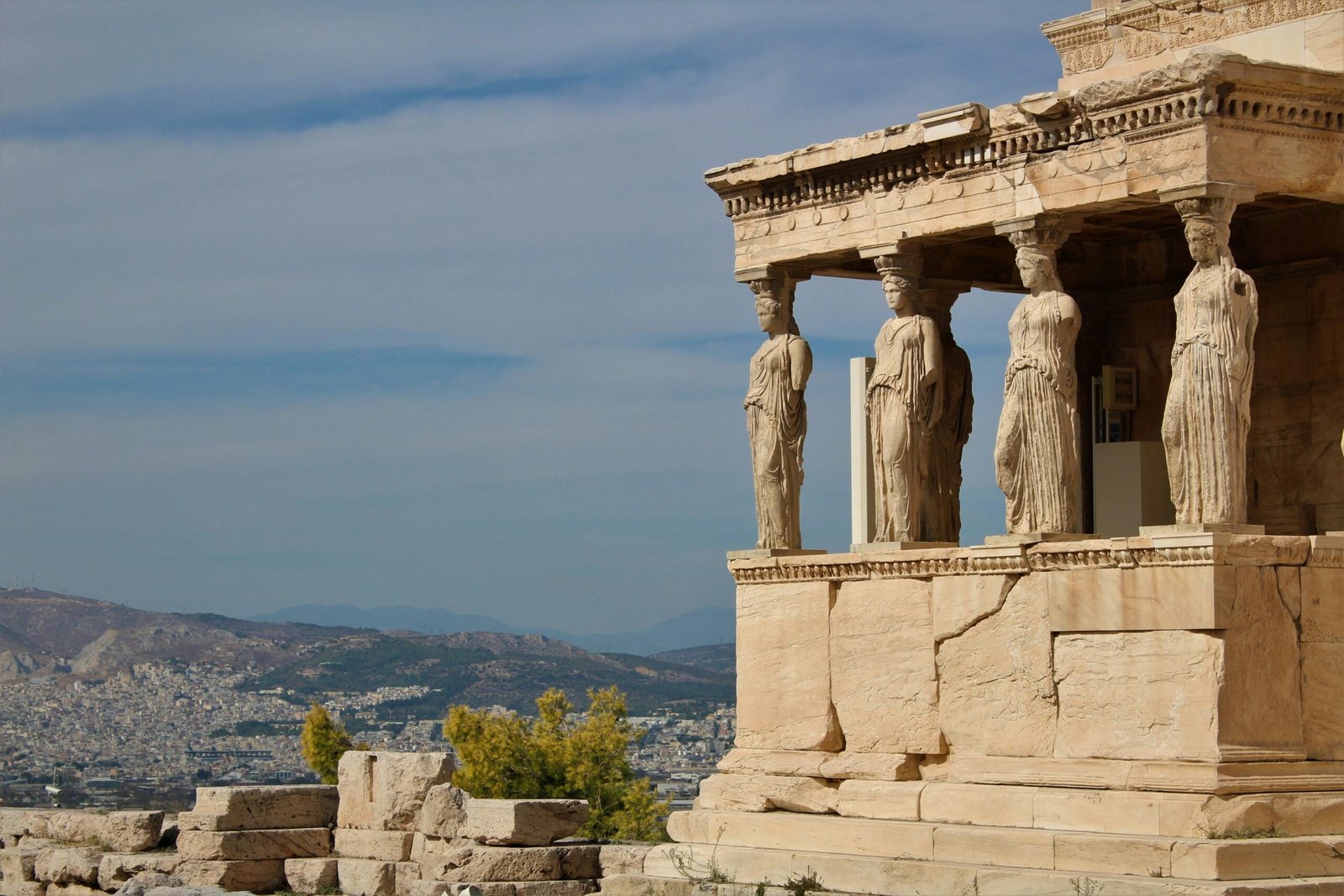
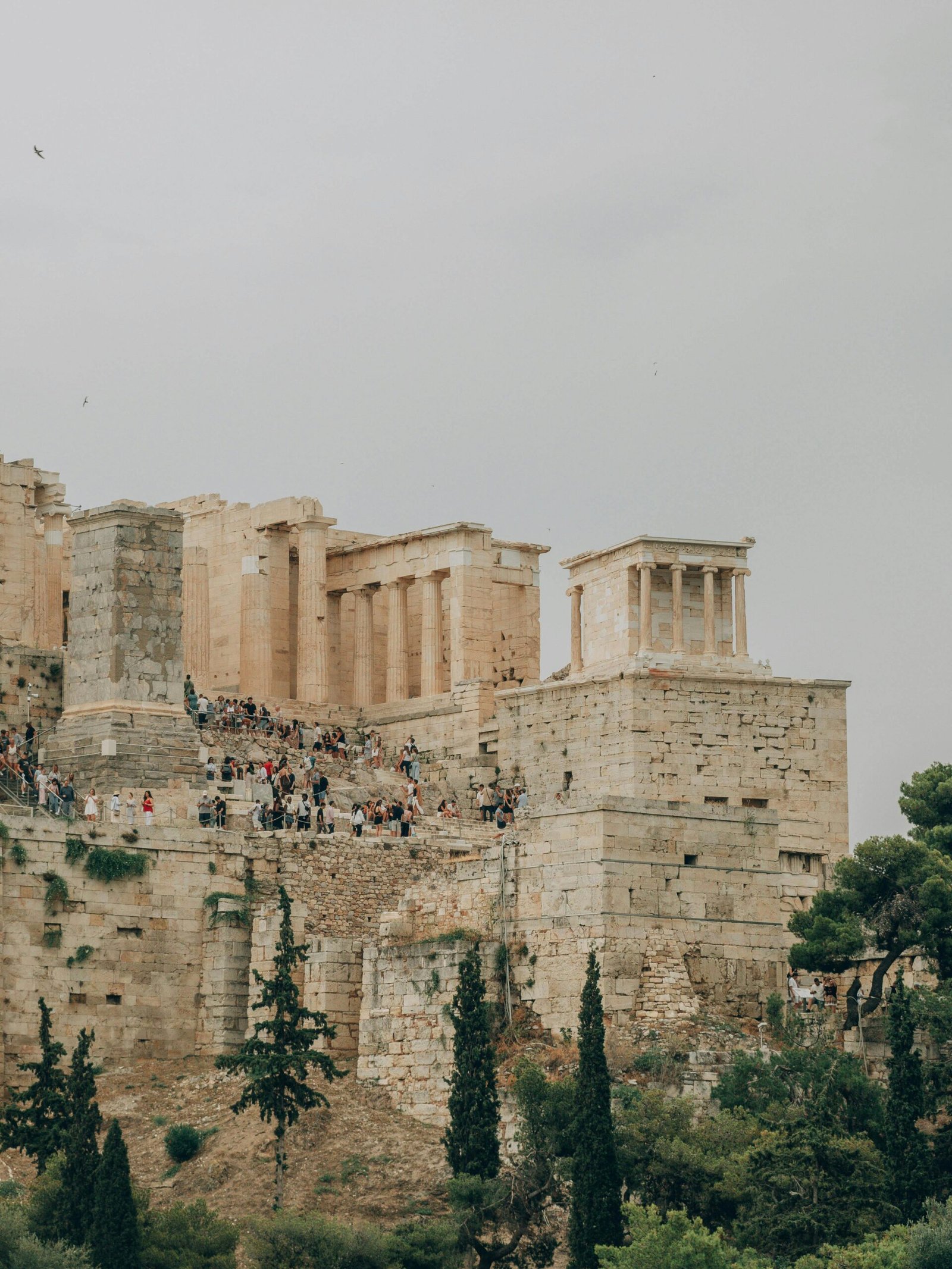
Why Planning a Peloponnese Trip Without Help Usually Falls Apart
I take a clear position here: the Peloponnese is one of the easiest Greek regions to ruin with amateur planning. Not because it is difficult in the abstract, but because it tempts travelers into overloading the itinerary with too many bases, too many “must-sees,” and too much confidence in map distances. Why Planning a Peloponnese Trip Without Help Usually Falls Apart is not a catchy warning; it is a practical one.
The region asks for judgment, not enthusiasm. If you get the sequencing wrong, you spend too much time in transit mood, arrive in the wrong place for the season, and end up trimming the very stops you cared about most. That is the recurring pattern I see from travelers trying to do this alone.
Why Planning a Peloponnese Trip Without Help Usually Falls Apart: the scale problem
Most travelers underestimate how large the Peloponnese feels once you stop looking at a map and start moving through it. Nafplio, Monemvasia, the Mani, and Ancient Olympia are all “in the Peloponnese,” but they do not behave like close neighbors in a practical trip design. The region rewards focused routing, not scattershot coverage.
People also misread the geography. Coastal places like Kardamyli and Gythio can feel completely different from inland historical stops such as Mystras or Olympia, and the shift is not just scenic. It changes the pace, the type of accommodation that makes sense, and what you can realistically fit into a day without turning the trip into a slog.
What travelers consistently get wrong
The first mistake is trying to stay in too many places. A Peloponnese trip built around four or five bases sounds thorough, but in practice it creates unpacking fatigue and weakens every stop. You stop getting the benefit of the region and start collecting check-ins.
The second mistake is assuming the region is best for fast sightseeing. It is not. Why Planning a Peloponnese Trip Without Help Usually Falls Apart is often about pace: travelers schedule the Peloponnese like a compact day-trip zone, then discover that the region works best when you allow for longer stays in fewer places.
The third mistake is treating every season as equally forgiving. In summer, some inland visits are punishing in the middle of the day, while shoulder season can make certain beach-oriented plans feel underused. If you ignore that, you end up paying for a trip structure that fights the weather instead of using it.
Places that need to be planned with intent
Nafplio is the classic example of a place people get right for the wrong reasons. They choose it because it looks easy, then use it as a base for too much. It works best when it is treated as a proper stop with its own pace, not a catch-all overnight.
Monemvasia is another common misread. Travelers want the name recognition and the dramatic setting, but they do not always account for the fact that it suits a very specific kind of stay. If you want relaxed wandering and a tidy sense of place, it can be excellent; if you want flexibility and broad regional access, it is a poor anchor.
The Mani, including places like Kardamyli and Areopoli, is where many self-planners overreach. They see a compact peninsula and assume it is easy to cover quickly. It is not. The Mani is best when the trip is designed around its own internal logic, not as a side note added to a broader Peloponnese loop.
Ancient Olympia and Mystras are the kind of stops that deserve proper context, not a rushed box-ticking visit. Travelers who treat them as quick cultural add-ons usually leave underwhelmed because they have not allowed the sites to do what they do best: slow the trip down and change its tone. For official background on protected sites and cultural context, the Greek Ministry of Culture is worth checking at culture.gov.gr/en.
One more thing people miss: Kalamata is not just a convenient name on the map. It can work very well for travelers who want a more functional base with access to both coast and inland areas, but it is not the romantic answer everyone imagines. That is a useful trade-off to understand before you book.
The counterintuitive part most people miss
The surprising truth is that the Peloponnese often works better when you do less, not more. Travelers assume expert help means adding special stops. In reality, the value is usually in removing weak ones, because every unnecessary transfer steals from the region’s strongest quality: the sense that each place has enough depth to justify the stay.
Why Planning a Peloponnese Trip Without Help Usually Falls Apart is counterintuitive for another reason. The region is at its most satisfying when the trip feels slightly slower than the traveler expected. People who insist on maximizing variety usually miss the point of the Peloponnese entirely.
Who this suits
This region suits travelers who care about atmosphere, history, food, and a sense of place, and who are comfortable with a trip that has structure. It suits couples, design-conscious travelers, and repeat visitors to Greece who want to go beyond the obvious islands. It also suits people who value a well-chosen base and are not trying to see everything.
It does not suit travelers who want a very simple, beach-only break with minimal decision-making. It also frustrates people who need every day to be highly flexible, because the Peloponnese punishes vague planning. If you want to improvise constantly, this is not the region to do it in.
- Best fit: slow travelers, history-focused visitors, couples, and repeat Greece travelers
- Poor fit: first-timers seeking a simple beach holiday, families wanting low-effort logistics, and anyone trying to cover too much ground
The real trade-offs: what you gain and what you give up
What you gain in the Peloponnese is range without chaos, if the trip is shaped properly. You can combine coastal stays, historic sites, and serious food without feeling like you are repeating yourself. The region has enough substance to support a thoughtful itinerary.
What you give up is spontaneity at scale. You cannot treat the Peloponnese like a loose collection of day trips and expect a polished result. Why Planning a Peloponnese Trip Without Help Usually Falls Apart is ultimately about this trade-off: the more ambitious the trip, the more important the structure becomes.
That is why travelers who plan this region well usually start with a clear choice about pace and base selection, not with a long list of places. The wrong sequence creates friction you feel every day. The right one makes the trip feel calm, coherent, and worth the effort.
For broader destination context and current travel information,
visitgreece.gr is a useful starting point, but it will not make the hard planning decisions for you. That part still matters.
Conclusion
Greece rewards travelers who arrive with a plan built around how they actually travel — not a generic template. The difference between a frustrating trip and a remarkable one often comes down to sequence, timing, and knowing which trade-offs matter for your situation.
Frequently asked questions
Why does the Peloponnese seem easy to plan but often fail in practice?
Because the region looks compact on a map, but its internal distances, varied geography, and different travel rhythms make weak planning obvious very quickly. The problem is usually not the destination list; it is the structure.
What do travelers most often underestimate about the Peloponnese?
They underestimate how much time and energy is lost by changing bases too often. They also underestimate how different coastal, inland, and historic areas feel once you are actually moving between them.
Which places are most commonly included in a Peloponnese trip?
Nafplio, Monemvasia, the Mani, Kalamata, Kardamyli, Ancient Olympia, and Mystras are among the most common. The mistake is not choosing them; it is trying to combine too many of them without a clear pacing strategy.
Is the Peloponnese better for a short trip or a longer one?
It is much better for a longer, more deliberate trip. Short trips can work, but only if the scope is tightly controlled and the traveler accepts that they cannot see everything.
Who should avoid planning a Peloponnese trip without expert help?
First-time Greece visitors who want an easy, low-decision holiday are the most likely to struggle. So are travelers who want to pack in many regions and still keep the trip relaxed.
What is the biggest practical consequence of bad Peloponnese planning?
People usually end up with the wrong base in the wrong season, too many transitions, and a trip that feels rushed even when it looked manageable on paper.
What makes the Peloponnese worth the effort if planning is so demanding?
It gives you a deeper, more varied Greece trip than many travelers expect: strong history, serious food, coastal character, and places with real identity. That payoff is real, but only when the trip is designed with discipline.