

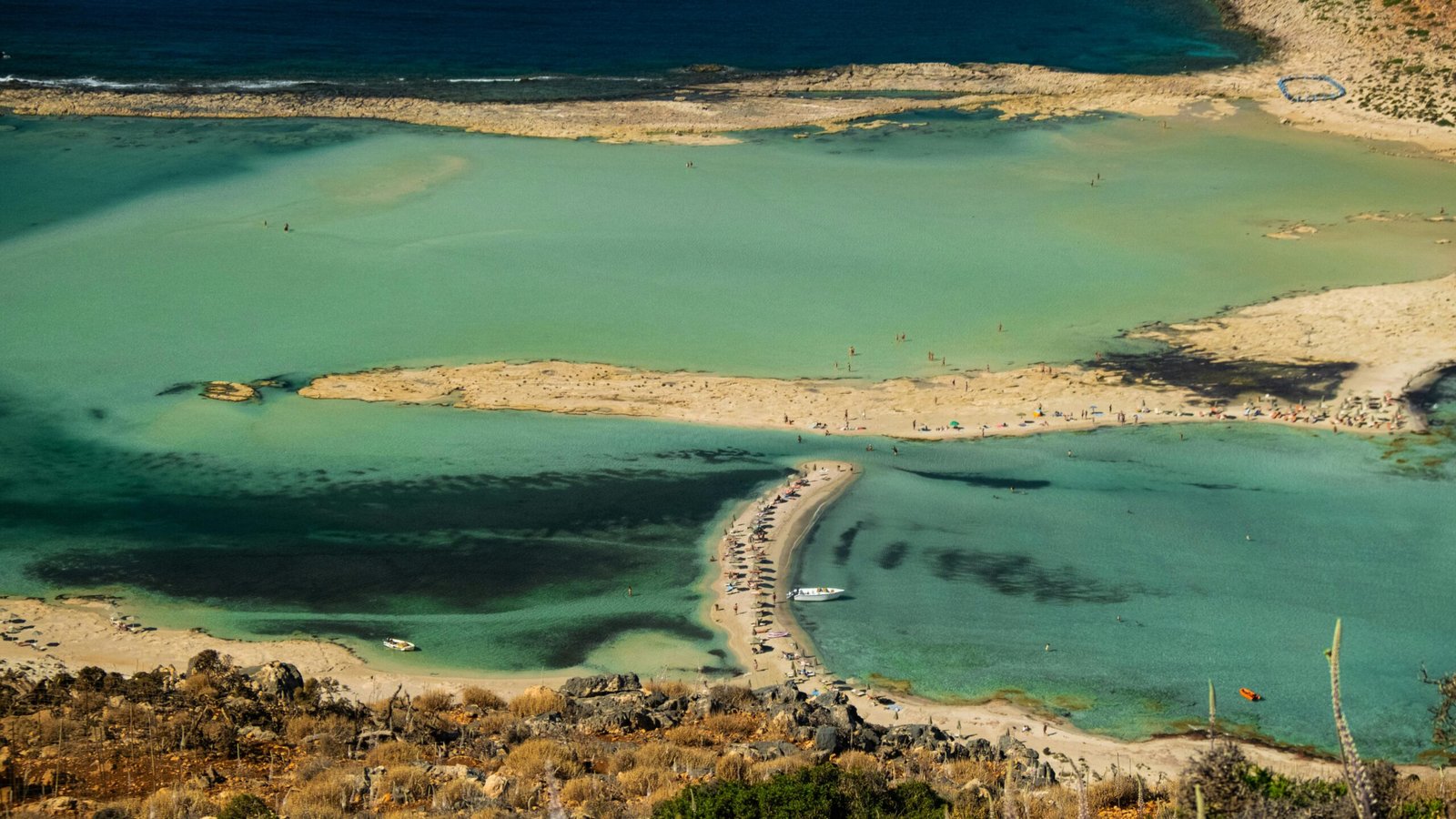
Crete Is Not One Destination, and That’s Why Planning It Is Hard. That is the first thing people need to accept before they start comparing resorts, beaches, and villages. Crete is not a compact island where a single base solves everything; it is a large, varied place with real regional differences in pace, landscape, and atmosphere.
The mistake I see most often is travelers building a Crete itinerary like they are choosing from one menu. They are not. They are trying to combine places that suit very different trip styles, and that is where the planning breaks down.
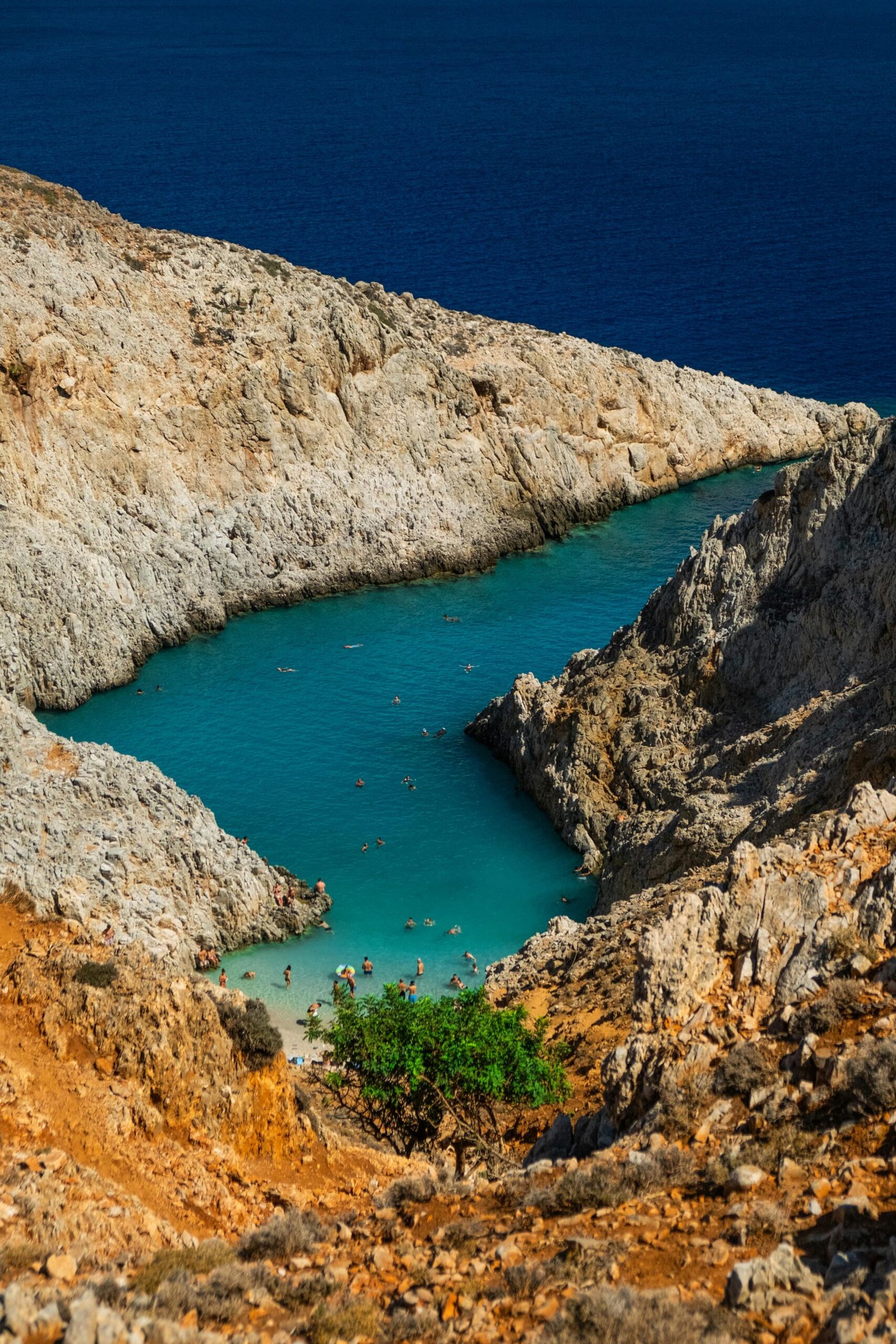
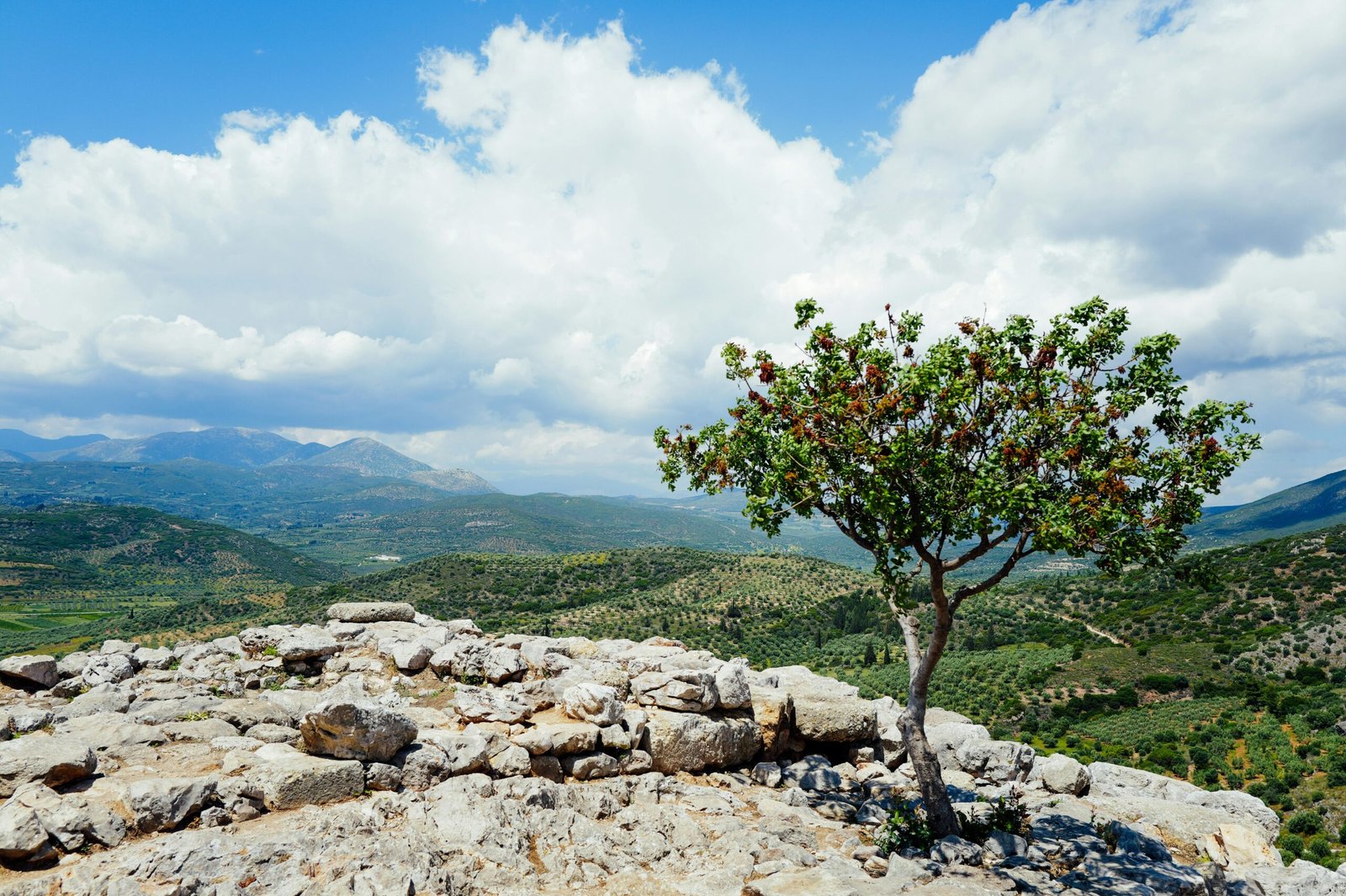
Crete Is Not One Destination, and That’s Why Planning It Is Hard
Why Crete keeps defeating neat itineraries
Crete Is Not One Destination, and That’s Why Planning It Is Hard because the island behaves like a collection of different trips. Chania, Rethymno, Heraklion, the south coast, and the mountain interior all serve different travelers, and not just in a minor way. If you try to treat the island as one neat loop, you end up spending too much time reacting to distance, timing, and fatigue.
People underestimate scale first. They also underestimate how much the choice of base changes the trip, because a good hotel in the wrong part of the island can make the whole stay feel disjointed. Crete rewards travelers who arrive with a plan, but only if that plan matches the actual geography instead of a fantasy version of it.
Crete Is Not One Destination, and That’s Why Planning It Is Hard for first-time visitors
The biggest error is trying to cover both the west and east in one short stay and expecting it to feel balanced. It usually does not. You end up with a checklist trip: a bit of old town atmosphere, a beach day, one cultural stop, and a lot of time spent recovering from movement rather than enjoying the island.
The second mistake is choosing a base for the wrong reason. Travelers often pick Heraklion because it is the most obvious name, then wonder why the trip feels functional rather than enjoyable. Others choose a resort area because it looks easy, then complain that the island feels flat and repetitive outside the hotel zone.
Crete Is Not One Destination, and That’s Why Planning It Is Hard because the island asks for a decision: do you want convenience, variety, or depth? You can get two of those more easily than all three.
Where the island actually feels different
Chania is the most immediately appealing for travelers who want a polished base with strong dining, a walkable old town, and easy access to western Crete’s better-known beaches. It also attracts the most competition for the best accommodation, which means poor location choices get expensive fast. Stay too far from the center and you lose the very advantage you came for.
Rethymno is the most underrated compromise for travelers who want a proper town with a manageable scale. It has enough character to feel like a destination, but it is less theatrical than Chania and less chaotic than Heraklion. That makes it a better fit for people who want a calmer rhythm without giving up urban convenience.
Heraklion works for travelers who care more about museums, archaeological context, and practical access to the central part of the island. It is not where I send people who want an easy first impression of Crete’s atmosphere. If you stay there, do it for the right reasons, not because it sounded like the default answer.
Elounda is for travelers who want a high-end, controlled stay and are comfortable with the fact that the experience is more contained than exploratory. Agios Nikolaos suits people who want a town base with a more local feel and a slower pace. The south coast around Plakias attracts a different crowd entirely: more independent, more patient, and usually less interested in polished presentation.
For travelers trying to understand the island properly, the
official Greece tourism site is useful for broad context, but it will not tell you where your trip will actually work or fail. That part requires judgment.
What travelers consistently get wrong
One common error is assuming beaches are interchangeable. They are not. Some are long and organized, some are scenic but exposed, some are better for a quick stop than a full day, and some only make sense if you are already based nearby. If you plan Crete as a beach-only island, you will miss the fact that the quality of the beach experience depends heavily on where you sleep.
Another mistake is ignoring season. Early summer and early autumn can be excellent, but peak summer changes the island’s mood fast. Popular towns feel busier, parking and dining pressure increases, and the calmer places are no longer as calm. Travelers who want a relaxed version of Crete often book the busiest period and then blame the island for being crowded.
A third mistake is treating the south coast like a simple add-on. It is not a side note; it is a different proposition. The reward is space, quieter beaches, and a less packaged feel. The trade-off is that you give up convenience, density, and the easy sense that everything is close together.
A counterintuitive truth about Crete
The surprising thing is that the most satisfying Crete trips are often the ones that do less, not more. Travelers who try to “cover” the island usually remember logistics, not places. Travelers who choose one strong region and understand what that region is good at usually leave with a clearer impression and fewer regrets.
This is the opposite of how many people shop for the island online. They want the broadest version of Crete because it sounds efficient, but efficiency is not the same as coherence. Crete Is Not One Destination, and That’s Why Planning It Is Hard, and the people who accept that early tend to build better trips than the ones chasing variety for its own sake.
Who this suits
Crete suits travelers who like a destination with range and are willing to make decisions. It is good for couples, food-focused travelers, repeat Greece visitors, and people who want a mix of town life and landscape without expecting everything to be within easy reach. It is also strong for luxury travelers who understand that a high-end stay still needs the right location.
It does not suit travelers who want one base to solve every need, or first-timers who want a soft, simple island experience with no planning pressure. It is also a weak fit for people who dislike switching mental gears between town, beach, and inland settings. If your ideal trip is frictionless and compact, Crete will test your patience.
- Best fit: travelers who want variety and are willing to choose a region carefully.
- Poor fit: travelers who expect one base to cover the whole island.
- Best fit: repeat visitors to Greece who already know how regional differences shape a trip.
- Poor fit: people who want a short stay to feel complete without compromise.
If you are trying to match the island to a broader Greece trip, the Greek Ministry of Culture is a useful reference point for understanding the depth of the island’s historical layers, but depth alone does not solve planning. The real question is whether your chosen area supports the kind of trip you actually want.
What you gain, and what you give up
If you plan Crete well, you gain range, substance, and the sense that the island keeps unfolding. You can have a strong town base, serious food, meaningful history, and access to very different landscapes. That is the appeal, and it is real.
What you give up is simplicity. Crete is not the island for travelers who want a single neat identity and a low-decision stay. You have to accept that a better Crete trip usually comes from narrowing the scope, not expanding it.
Crete Is Not One Destination, and That’s Why Planning It Is Hard, but that is also why careless planning is so easy to spot. The bad itineraries all look impressive on paper and tired in practice. The good ones are built around one clear idea, one sensible region, and a realistic understanding of what the island can actually deliver.
Most Greece trips follow the same tired script. The ones that don’t — the ones travelers still talk about years later — were built around a real understanding of how this country works. That kind of understanding takes time, or it takes someone who already has it.
Recommended experiences
Some experiences mentioned here are curated and managed by Elite Greece Travels.
- Best Of Greece Athens Paros Crete 7 Day Itinerary 6 Nights — Itinerary (managed by Elite Greece Travels).
- Athens Mykonos Santorini Crete Itinerary 9 Days — Itinerary (managed by Elite Greece Travels).
- Athens Santorini Crete Itinerary 7 Days — Itinerary (managed by Elite Greece Travels).
Frequently asked questions
Is Crete better as one base or multiple bases?
For most travelers, one well-chosen base is better than trying to move around too much. Multiple bases can work, but only if the trip is long enough to justify the switching. Short stays usually suffer when people try to divide the island too aggressively.
What is the biggest mistake people make when planning Crete?
They choose a base before deciding what kind of trip they want. That leads to mismatched expectations, especially when travelers pick a town for its name rather than its actual fit.
Which part of Crete is best for first-time visitors?
Chania is usually the easiest first choice for travelers who want a strong all-around base. Rethymno is often the smarter choice for people who want a calmer, more balanced experience.
Is Crete good for a luxury trip?
Yes, but luxury in Crete depends heavily on location. A high-end property in the wrong area can still leave you too far from the atmosphere, dining, or access you expected.
When is the best time to visit Crete?
Shoulder seasons are usually the most workable for travelers who want a calmer experience. Peak summer can still be good, but it changes the rhythm of the island and makes poor planning more obvious.
What kind of traveler does Crete disappoint?
It often disappoints people who want one compact, easy island where everything feels close together. It also frustrates travelers who want to improvise every day without thinking about geography.