

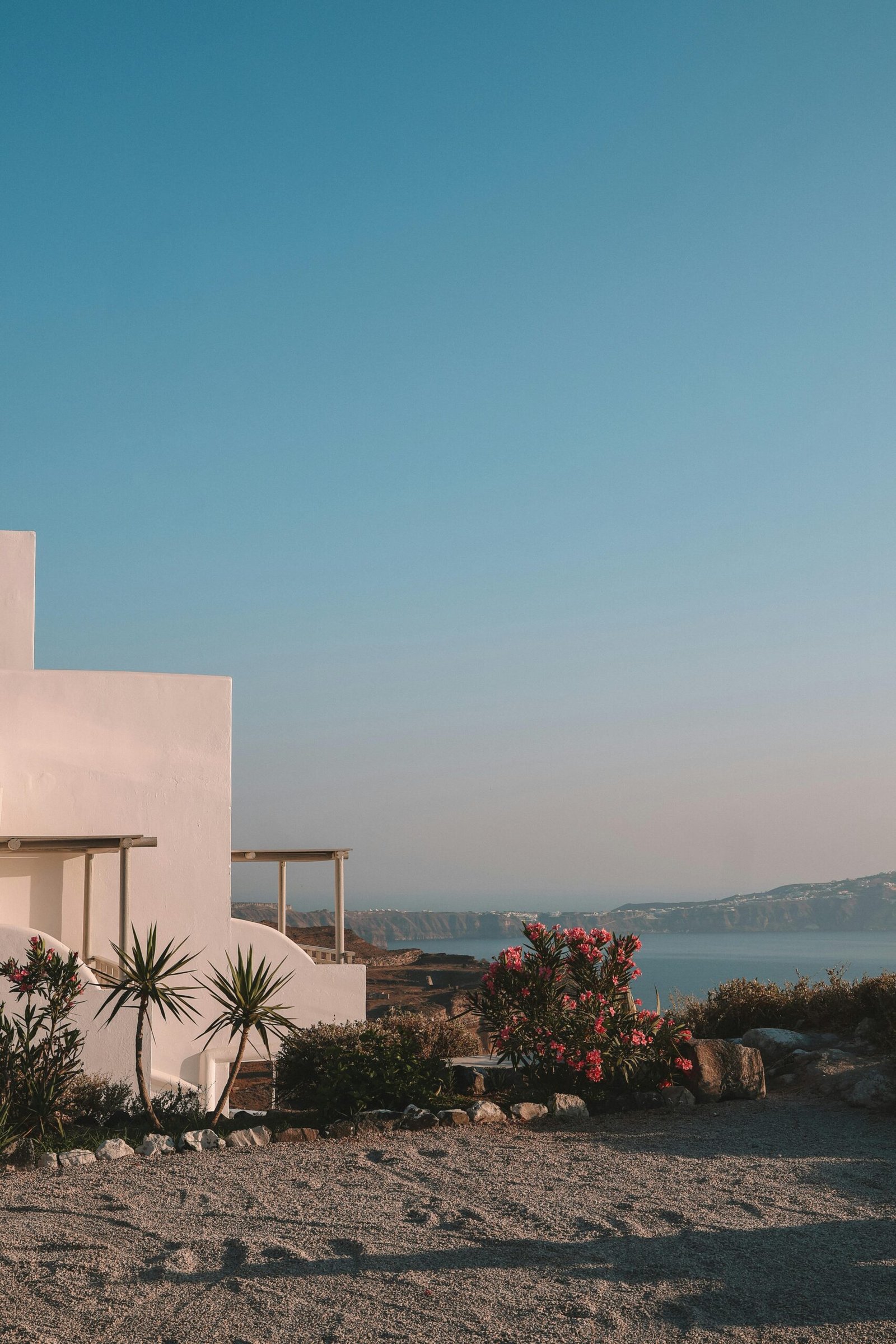
Why Most First-Timers to Santorini Leave Slightly Disappointed is usually not a problem with Santorini itself. It is a problem with the story people bring with them: they expect a calm, cinematic island and arrive in one of the most compressed, expensive, and crowded settings in Greece.
The disappointment is rarely dramatic. It is more often a slow correction of expectations: the view is real, but so is the queue, the pace, the pricing, and the feeling that everyone else is trying to see the same thing at the same time.
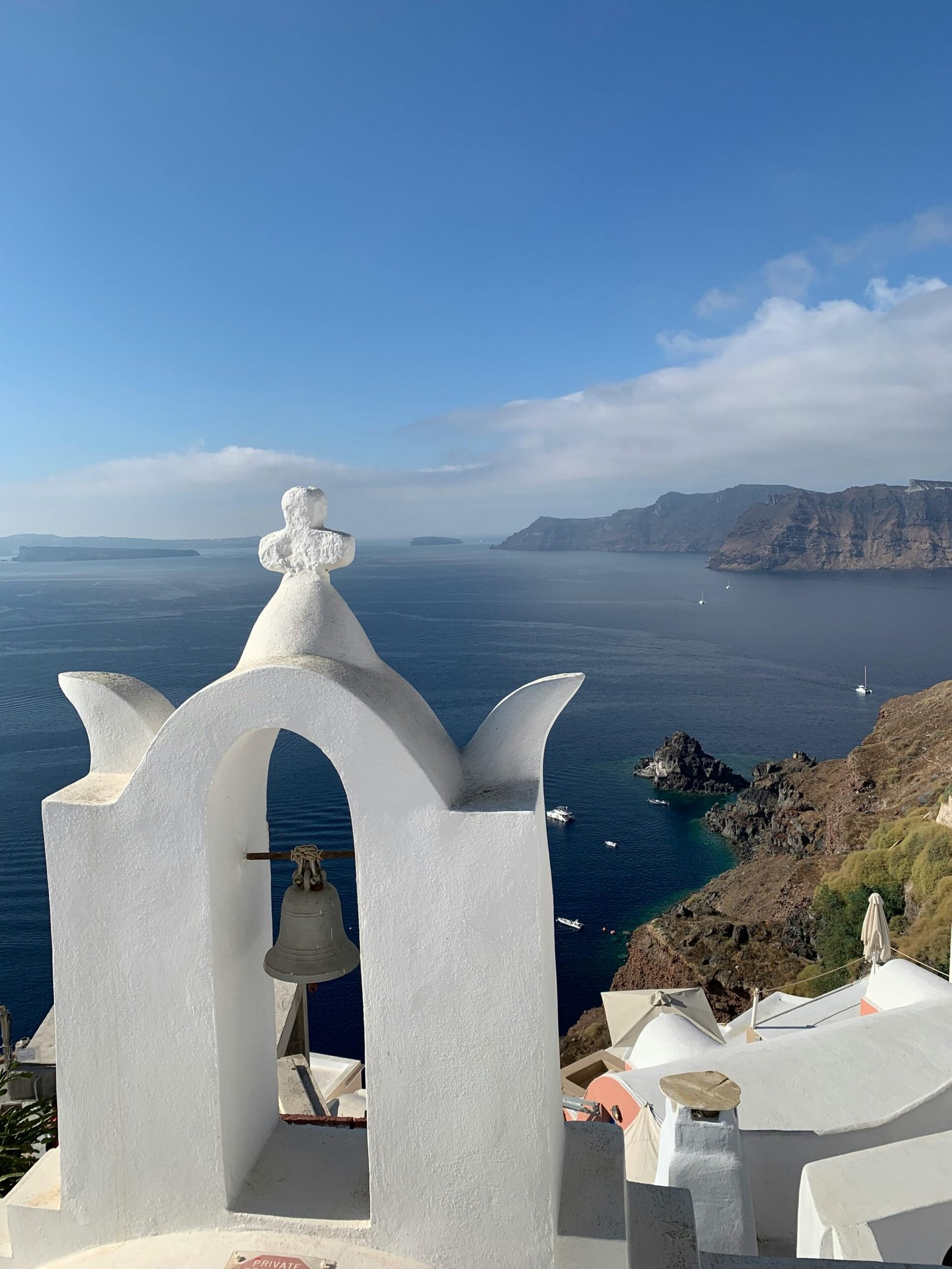
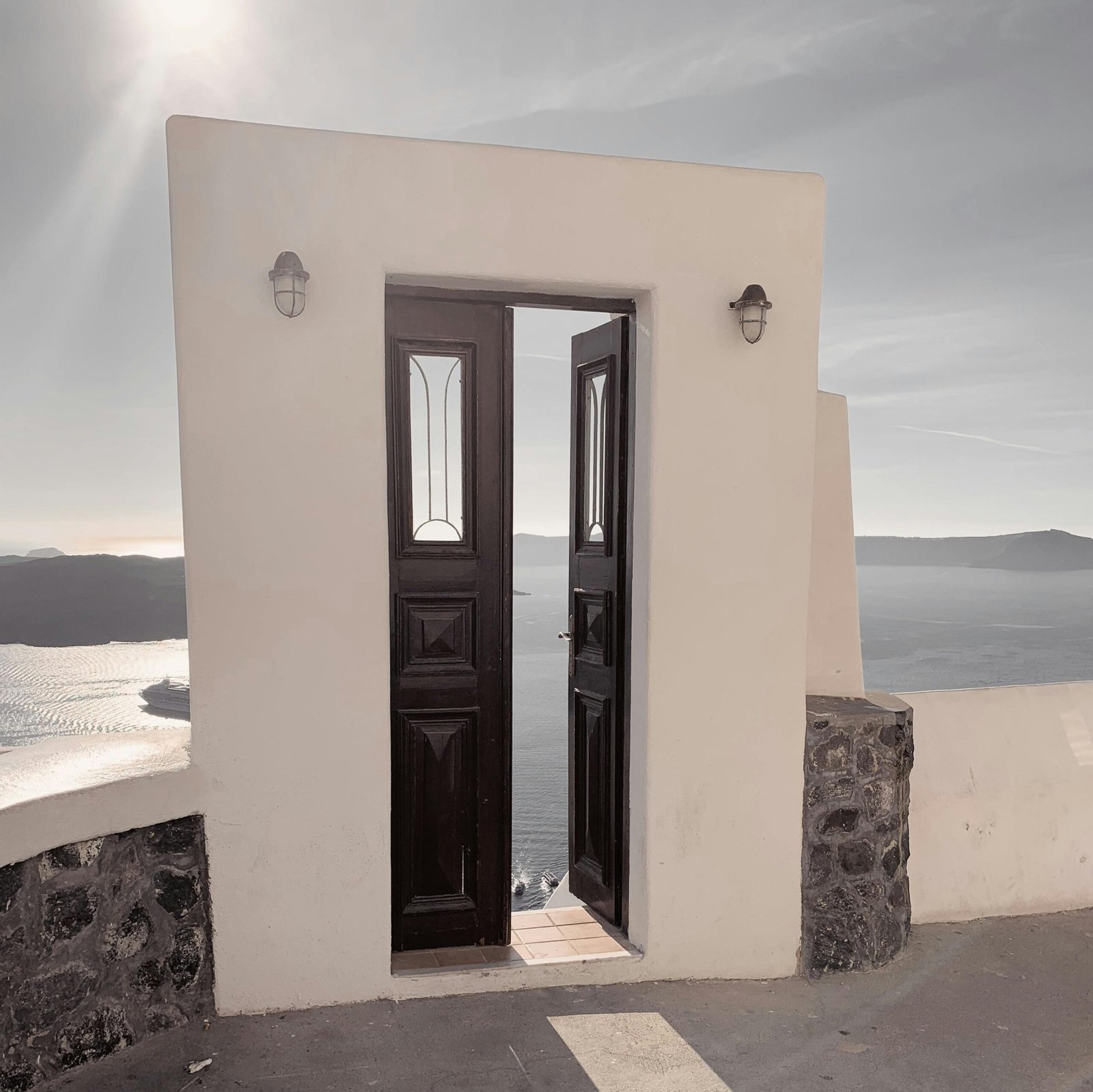
Why Most First-Timers to Santorini Leave Slightly Disappointed
There is a very specific psychological trap behind Why Most First-Timers to Santorini Leave Slightly Disappointed: people do not choose Santorini for what it is, they choose it for what it represents. For many travelers, it stands in for romance, status, and the idea of a “perfect” Greek island trip. That is a lot of emotional weight for one destination to carry, especially in peak season.
The island also benefits from a visual shortcut. Social media compresses Santorini into a few familiar images, and people assume those images are the experience. They are not. They are a narrow slice of the island, usually seen at the calmest time of day and from the least representative angle.
The image is stronger than the experience
Most first-timers are not disappointed because Santorini is bad. They are disappointed because the island they imagined is cleaner, quieter, and more private than the one they actually encounter. In peak season, the most famous parts of the island feel managed, crowded, and expensive in a way that catches people off guard.
This is where Why Most First-Timers to Santorini Leave Slightly Disappointed becomes predictable. Travelers arrive expecting a place that feels effortless, then spend their first day adjusting to lines, heat, and the feeling that every popular viewpoint has already been claimed. The emotional shift is subtle but real: the trip starts to feel like participation in a very public scene instead of a personal escape.
Why people keep making the same choice
The honest answer is that Santorini is an easy decision to justify. It is famous, recognizable, and socially legible. People feel they will be missing something if they do not go, especially on a first Greece trip, so they choose the island that seems safest from a storytelling point of view.
There is also a deeper motive: travelers want certainty. Santorini feels like a guaranteed success because the visual identity is so strong, and certainty is comforting when planning a once-in-a-lifetime vacation. The problem is that certainty in travel is often purchased at the cost of surprise, and Santorini in peak season offers less flexibility than people expect.
Greece rewards travelers who arrive with a plan, but Santorini punishes people who treat a famous image as a complete itinerary in their head. If you want a broader sense of how Greece presents itself beyond the postcard version, the official tourism material at
visitgreece.gr is a useful reality check.
The emotional gap: expectation versus reality
Expectation says: a romantic island with room to breathe. Reality says: a highly concentrated destination with expensive accommodation, heavy foot traffic, and a schedule that feels busiest exactly when everyone else wants to be there too. That mismatch is the core of the disappointment.
What surprises many travelers is not that Santorini is busy, but that the busyness changes the emotional tone of the trip. Instead of feeling like a private reward, it can feel performative. You find yourself waiting for the moment the island matches the fantasy, and that moment often never fully arrives.
Here is the counterintuitive part: the people most likely to be disappointed are often the ones who “did everything right” in the conventional sense. They booked the famous hotel, chose the famous caldera view, and arrived in the famous season. They did exactly what the internet told them to do, which is precisely why the trip can feel oddly generic.
Where the disappointment usually hits
The turning point is usually not a major disaster. It is the first afternoon or evening when the traveler realizes the island is not going to become quieter, more intimate, or more personal simply because they want it to. That is the moment the fantasy breaks.
For some, it happens at a viewpoint that is too crowded to enjoy. For others, it happens when a meal, room, or transfer costs far more than expected and the value feels thin. For many, it is the simple realization that the island experience is being shared with a lot of other people who had the same idea at the same time.
Why Most First-Timers to Santorini Leave Slightly Disappointed is really about that moment of recalibration. The traveler understands, often all at once, that the island is not underperforming; the expectation was overbuilt.
Traveler types most prone to this pattern
Some travelers are more vulnerable to this disappointment than others because of what they are seeking from the trip.
- Romance-first travelers who want the destination to do the emotional work for them
- First-time Greece visitors who assume the most famous island must be the best first stop
- Social-media-led planners who are chasing specific photos more than a satisfying stay
- Luxury travelers who equate price with privacy and calm
- Short-stay visitors who expect a compressed visit to feel complete
These travelers are not making a mistake out of ignorance. They are making a very human choice based on identity, aspiration, and a desire not to miss out. The problem is that Santorini can expose those motives very quickly, and not always kindly.
The wrong season makes the wrong assumption worse
Peak season does not create the disappointment, but it amplifies it. In a quieter month, Santorini can still feel intense, but the island has more room to breathe and more room for the traveler to form their own impression. In peak season, the island’s limitations become impossible to ignore.
This is where many first-timers get caught. They are not only choosing Santorini; they are choosing Santorini at the exact time when the island is most likely to feel overused. The gap between image and reality widens because the pressure on the destination is at its highest.
For context on how Greece frames its cultural and seasonal identity beyond the islands, the Ministry of Culture’s official site at culture.gov.gr/en/ is worth a look. It will not solve a bad booking choice, but it does remind you that Greece is larger than the handful of places that dominate Instagram.
What a better approach looks like
The right way to approach Santorini is not to lower your standards. It is to stop asking it to be something it is not. Santorini is a high-profile, high-demand destination with a strong visual payoff and real trade-offs. If you accept that upfront, the island becomes easier to enjoy.
That means planning around the island’s actual character rather than the fantasy version. It means understanding that the value is in the experience of being there, not in the illusion of exclusivity. It also means deciding whether you want Santorini for a specific reason, not just because it is the default first-timer choice.
Why Most First-Timers to Santorini Leave Slightly Disappointed is not a warning to avoid the island. It is a warning to stop treating fame as a substitute for fit. When travelers approach Santorini as one part of a broader Greece trip rather than the emotional centerpiece of the whole journey, they usually come away with a much better result.
Conclusion: choose the island for the trip you are actually taking
The most useful shift is simple: stop asking whether Santorini is “worth it” in the abstract and ask what role it should play in your trip. If you want a famous view, a concentrated luxury stay, and you accept that peak season will be busy, Santorini can still make sense. If you want ease, space, and a feeling of discovery, it is a poor match.
Recognizing the pattern is the first step. The second is building a trip around how you actually travel — not the traveler you imagine yourself to be. Most great Greece experiences start with that honesty.
Frequently asked questions
Why do so many first-time visitors feel underwhelmed by Santorini?
Because they arrive expecting a calm, private, highly romantic island and find a crowded, expensive, highly managed destination instead. The gap between the image and the real pace of the island is what creates the letdown.
Is Santorini overrated for first-time Greece travelers?
For some travelers, yes. If your priority is space, ease, and a more relaxed island feel, Santorini can be a poor first choice. If your priority is a famous visual experience and you understand the trade-offs, it can still work.
What is the biggest mistake people make when planning Santorini?
They assume the island’s reputation guarantees the right experience. Reputation is not the same as fit, and peak season makes that mistake more expensive and more obvious.
Who is most likely to be disappointed by Santorini?
Travelers chasing a romantic fantasy, social-media photos, or a luxury experience defined mainly by privacy. Short-stay visitors also tend to feel the mismatch more sharply because they have less time to adjust their expectations.
Does visiting Santorini in peak season make a big difference?
Yes. Peak season intensifies crowding, pricing, and pressure on the most famous areas. The island can feel much less personal when everyone is trying to see the same places at the same time.
How can I avoid being disappointed by Santorini?
Go in with a clear reason for choosing it. If you want the famous views and accept the trade-offs, you are less likely to feel let down. If you are using it as a default choice, disappointment is more likely.