

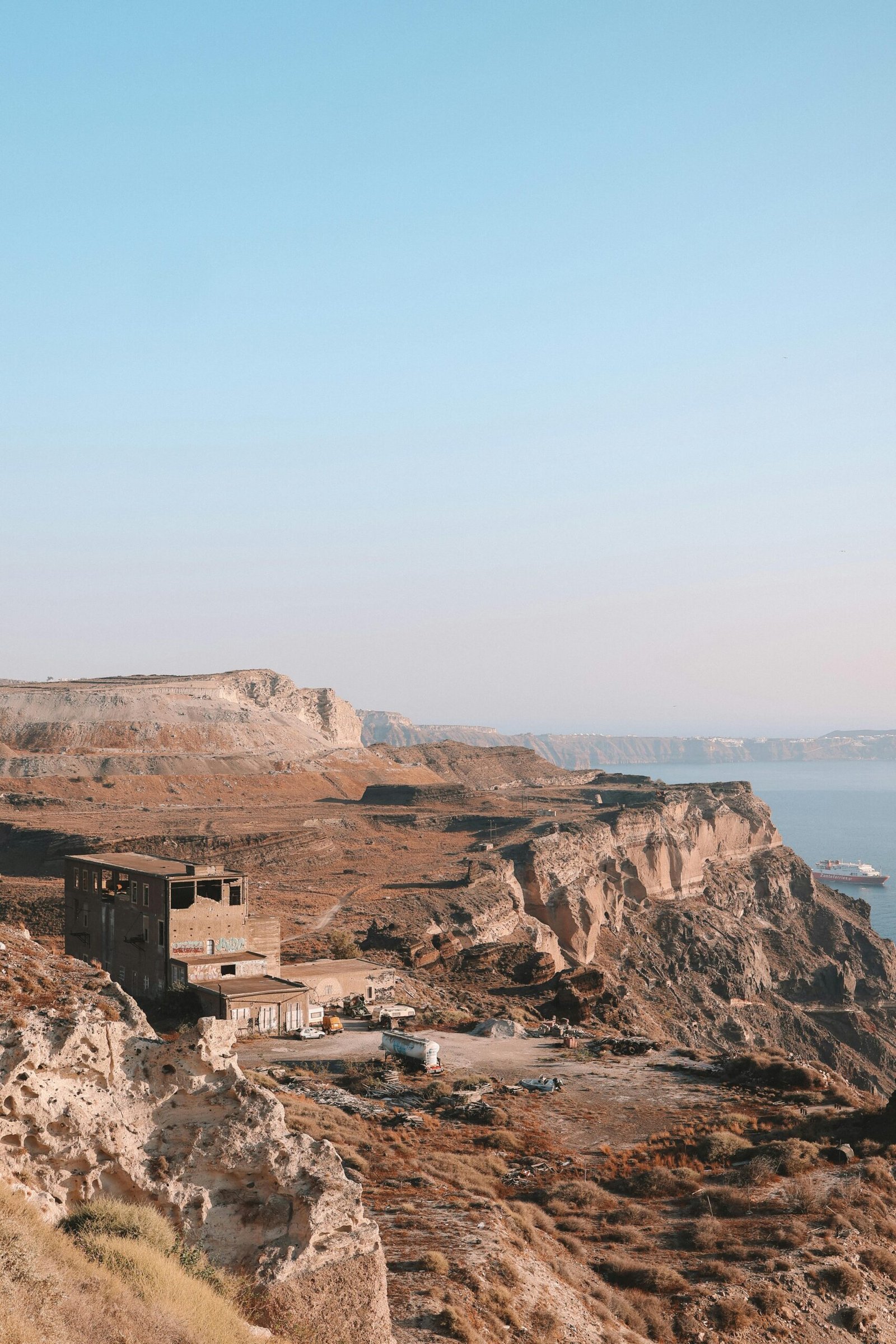
Why Santorini Feels Smaller, Pricier, and More Intense Than Expected because it is a compact island with a very concentrated visitor pattern: a few cliffside towns, a narrow set of view corridors, and a short list of places that everyone wants at the same time. That combination pushes prices up, compresses movement, and makes the whole place feel more managed than relaxed.
The mistake most travelers make is assuming Santorini works like a larger Greek island with room to spread out. It does not. If you want the iconic caldera experience, you are buying into a high-demand, high-friction destination where timing, neighborhood choice, and expectations matter more than people admit.
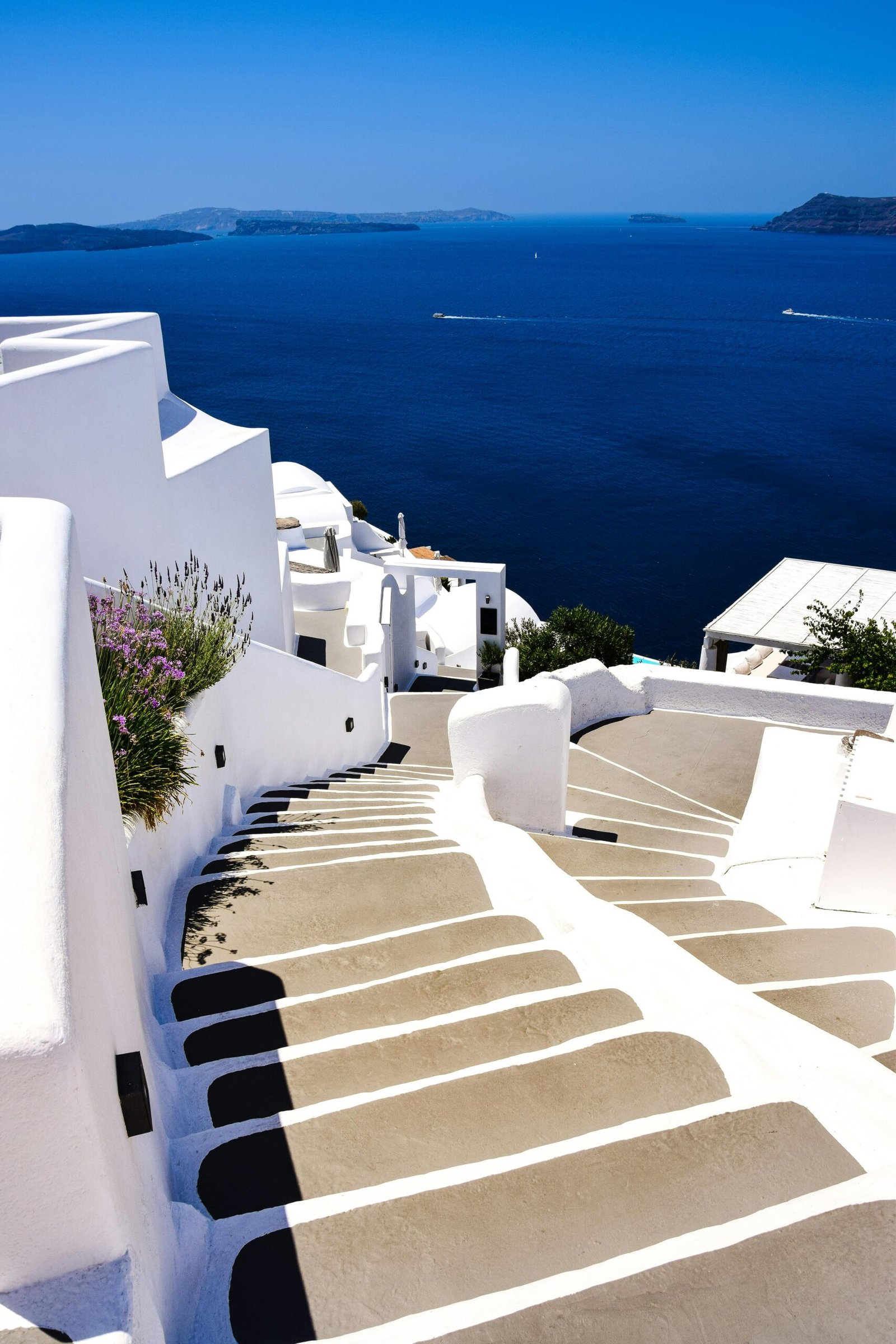
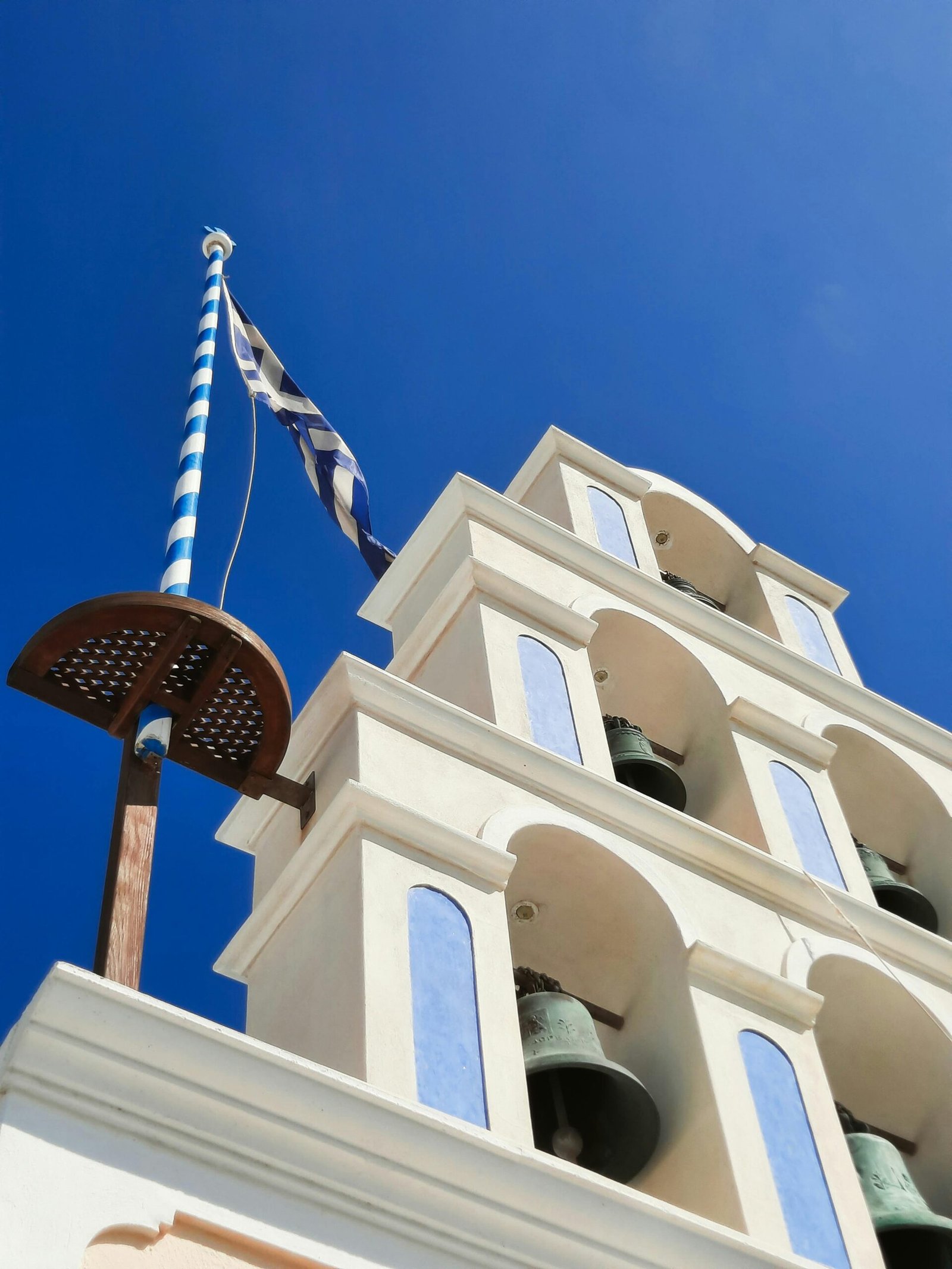
Why Santorini Feels Smaller, Pricier, and More Intense Than Expected
Santorini is not difficult because it is remote. It is difficult because nearly everyone wants the same narrow slice of it at the same time. Why Santorini Feels Smaller, Pricier, and More Intense Than Expected comes down to density: the island is small, the famous areas are even smaller, and the premium locations are crowded into a few ridges and lanes that do not absorb traffic well.
Most travelers assume the island will feel expansive once they arrive. Actually, the opposite happens. You spend a lot of time negotiating where to stand, when to move, and what you are willing to pay for a view, a meal, or a room that is not compromised by noise, stairs, or constant foot traffic.
Why Santorini Feels Smaller, Pricier, and More Intense Than Expected in real terms
The size issue is not about kilometers. It is about usable space. The caldera villages are visually dominant, but they are also the most constrained parts of the island, which means the areas travelers actually want are tightly packed and heavily competed for.
Pricing follows that pressure. Rooms with the view, terraces with privacy, and restaurants with a clean caldera line all command a premium because supply is limited and demand is relentless. If you expect normal island pricing, Santorini will feel expensive in a way that is hard to justify until you understand how little prime inventory exists.
This is why Why Santorini Feels Smaller, Pricier, and More Intense Than Expected is not a slogan; it is the operating reality. The island is built for selective luxury, not casual sprawl.
Where the pressure comes from
The pressure is created by a mismatch between what people want and what the island can physically handle. Sunset demand, cruise traffic, and social-media-driven clustering all pile into the same places. That creates a day that feels busy even when the island is not technically full.
Most travelers assume the crowds are only a peak-season problem, but actually the friction is structural. Even in shoulder season, the popular neighborhoods still funnel people into the same paths, viewpoints, and dining terraces. The result is a destination that can feel busy, expensive, and slightly performative even when the weather is perfect.
If you want a broader context for how Greece manages major visitor demand, the official tourism information at
Visit Greece is useful, but Santorini is the place where those pressures become obvious fastest.
When Santorini is worth it, and when it is the wrong choice
Choose Santorini if your trip is built around a few high-value experiences: caldera views, a polished hotel stay, good dining, and a destination that feels deliberately designed rather than casual. It works well for couples, anniversary trips, and travelers who are comfortable paying more for a concentrated experience.
Do not choose Santorini if you want easy wandering, low-stress beach time, or the feeling of discovering space as you go. Travelers who need flexibility get annoyed here quickly, because the island punishes loose planning with lost time, inflated prices, and mediocre fallback options.
I take a clear position here: if your main goal is a relaxed Greek island holiday, Santorini is usually the wrong island. It is excellent at delivering a specific kind of trip, but that trip is intense, not easy.
Neighborhood choice changes the entire trip
Where you stay matters more here than on most Greek islands. Oia gives you the classic visual payoff, but it is the most crowded and the least forgiving if you dislike foot traffic and constant attention to the clock. Fira is more practical, but it can feel busier and less private than first-time visitors expect.
Most travelers assume all caldera-facing areas feel equally luxurious, but actually the experience varies sharply by street, slope, and access. A property a few steps away from the main viewpoint can feel calm; another with the same price tag can feel exposed and noisy. That is why Santorini is a place where neighborhood choice has real financial consequences, not just aesthetic ones.
For travelers who want a broader sense of how Greek cultural sites and heritage shape the island experience, the Ministry of Culture is a better reference point than generic travel content, because Santorini is not just about views; it is also about a managed, high-demand landscape.
Trade-off matrix: what changes by traveler type and season
- Couples on a special-occasion trip: Best fit if you want a polished, high-impact stay and accept premium pricing.
- Families: Mixed fit; logistics, stairs, and room costs can become irritating fast.
- Budget travelers: Poor fit if you want value; Santorini is rarely a smart place to stretch money.
- Food-focused travelers: Good fit, but you need to choose carefully because the best meals are not always in the most famous spots.
- Beach-first travelers: Usually a mismatch; the island’s appeal is not built around easy, generous beach days.
- Shoulder-season visitors: Better than summer, but the island still feels concentrated rather than spacious.
Season changes the mood, but it does not change the basic structure. Summer amplifies the pressure, while shoulder season reduces the noise without removing the premium pricing logic. If you are hoping for a quieter version of the same island, that is only partly true.
Why Santorini Feels Smaller, Pricier, and More Intense Than Expected is especially relevant in peak months because the island’s limited space starts to feel like a daily constraint rather than a background fact.
Most travelers assume X, but actually Y
Most travelers assume Santorini is expensive because it is glamorous. Actually, it is expensive because the most desirable parts are scarce and everyone is competing for them at once. That is a different problem, and it explains why some travelers feel they are paying a lot for a trip that still feels crowded.
Most travelers assume the island will be romantic in a soft, effortless way. Actually, romance here is often scheduled, paid for, and protected from the surrounding pressure. If you do not like that kind of setup, the island can feel more staged than special.
This is the counterintuitive part: a place can be famous for views and still feel cramped. Santorini is proof. The visual scale is dramatic, but the lived scale is tight.
What goes wrong when travelers misread Santorini
The most common failure is booking for the photo and forgetting the experience. People choose the most famous area, then discover they are paying top rates for less privacy, more noise, and fewer easy options than they expected.
Another mistake is treating Santorini like a casual add-on. That usually wastes a day, because the island rewards people who know what they want and punishes people who arrive undecided. Greece rewards travelers who arrive with a plan, and Santorini is one of the places where that line becomes obvious.
If you want the island to feel worth the money, the trip needs a clear purpose. Without that, Why Santorini Feels Smaller, Pricier, and More Intense Than Expected becomes the story of disappointment rather than a useful warning.
Clear guidance for the most common traveler scenarios
If you are planning a honeymoon or anniversary and you care most about view quality, privacy, and a polished setting, Santorini still makes sense. You will pay for it, and you should expect the island to feel controlled rather than easy, but the payoff is real if that is what you value.
If you are traveling as a family, on a tighter budget, or looking for a relaxed island rhythm, choose differently. Santorini can still be a short, memorable stop, but it is usually a poor base for a low-friction Greek island trip.
If you are undecided, ask yourself a blunt question: do you want a destination that delivers a specific high-end experience, or do you want space, value, and flexibility? Santorini is excellent at the first and weak at the second. That is the actual decision.
The right answer depends on how you actually travel — your pace, your priorities, and what you’re willing to trade off. If you’re not sure which option fits, that uncertainty is itself useful information.
Recommended experiences
Some experiences mentioned here are curated and managed by Elite Greece Travels.
- Athens Milos Santorini Itinerary 9 Days — Itinerary (managed by Elite Greece Travels).
- Greece 7 Day Itinerary Athens Delphi Meteora Santorini — Itinerary (managed by Elite Greece Travels).
- Santorini Sunset Cruise With Dinner In The Caldera — Cruise (managed by Elite Greece Travels).
Frequently asked questions
Why does Santorini feel smaller than other Greek islands?
Because the part most travelers want is concentrated into a few cliffside towns and a limited set of routes, viewpoints, and dining areas. The island is not tiny on paper, but the usable tourist core is tightly compressed.
Why is Santorini so expensive?
Prime rooms, views, and restaurant terraces are limited, and demand is very high. You are paying for scarcity, not just style.
Is Santorini worth it for first-time visitors to Greece?
Yes, if your main goal is a premium caldera experience and you accept the cost and crowd pressure. No, if you want a broad, easy introduction to Greek islands.
What type of traveler gets frustrated in Santorini?
Travelers who want low prices, easy movement, quiet streets, or flexible last-minute decisions. Santorini is not built for casual improvisation.
Does Santorini still feel crowded outside peak summer?
Yes, in the core areas. Shoulder season improves the experience, but it does not change the island’s concentrated layout or premium pricing structure.
What is the biggest mistake people make when booking Santorini?
They book based on the famous view and ignore neighborhood trade-offs. That often leads to overpaying for a location that is noisy, busy, or less private than expected.