

Why Most First-Timers to Santorini Leave Slightly Disappointed usually starts with a simple assumption: that the island will feel as dramatic and effortless in person as it looks in photos. That assumption is understandable, and it is also the source of most letdowns.
The problem is not that Santorini is overrated in a blanket sense. The problem is that many travelers arrive expecting a very specific emotional experience, then meet crowds, heat, queues, and a landscape that is more exposed and less forgiving than they imagined.
Why Most First-Timers to Santorini Leave Slightly Disappointed
The psychological pattern is straightforward: people do not just book Santorini for a destination, they book it for a feeling. They want proof that a big, expensive, much-posted trip will feel as good in real life as it did on their screen. That is a heavy expectation to place on one island, especially in peak season.
Why Most First-Timers to Santorini Leave Slightly Disappointed is not really about the island failing to deliver. It is about the traveler arriving with a fixed script in mind, then getting a version of Santorini that is busy, compressed, and more operationally demanding than expected. The gap between image and experience is where the disappointment lives.
The image people buy is not the island they meet
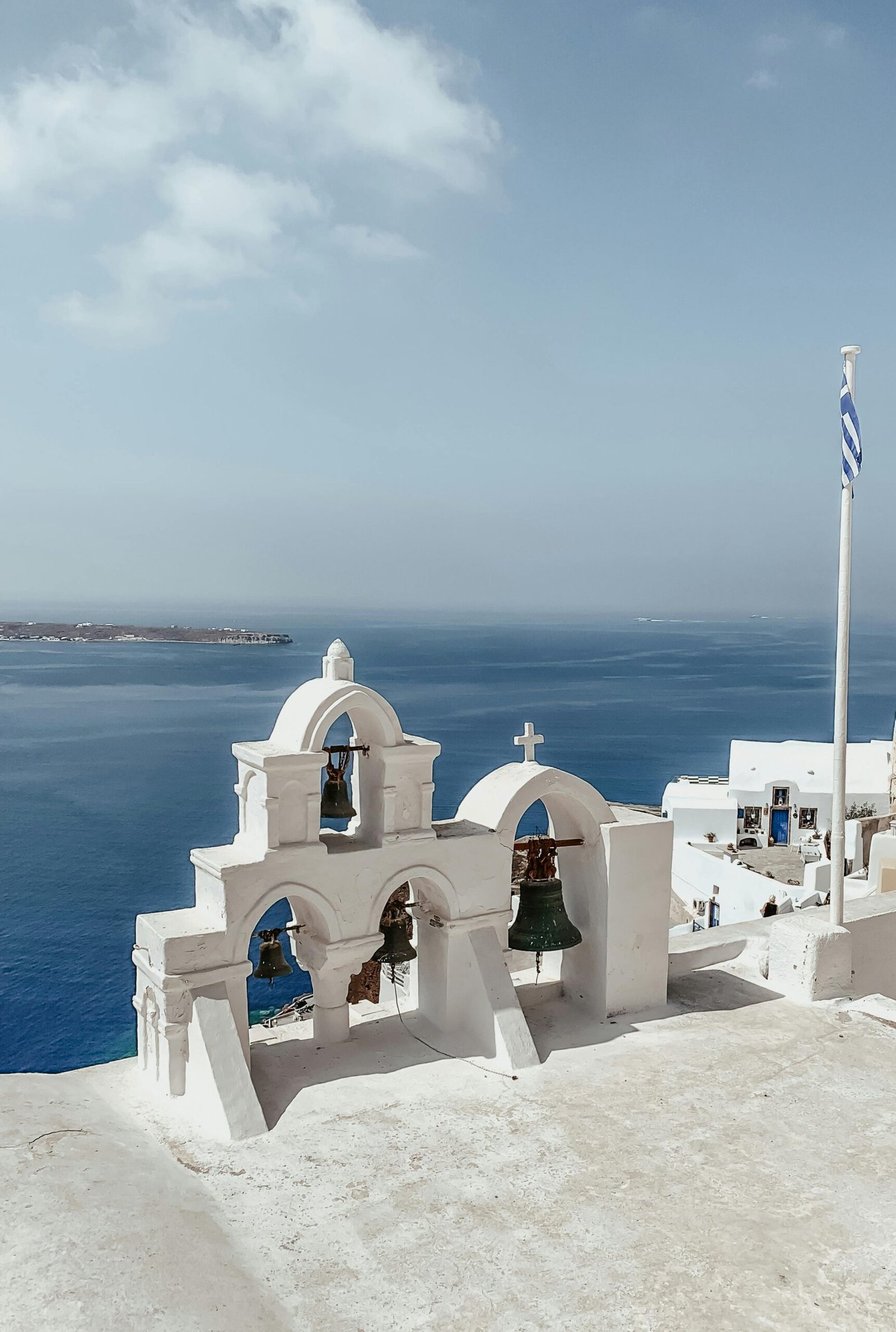
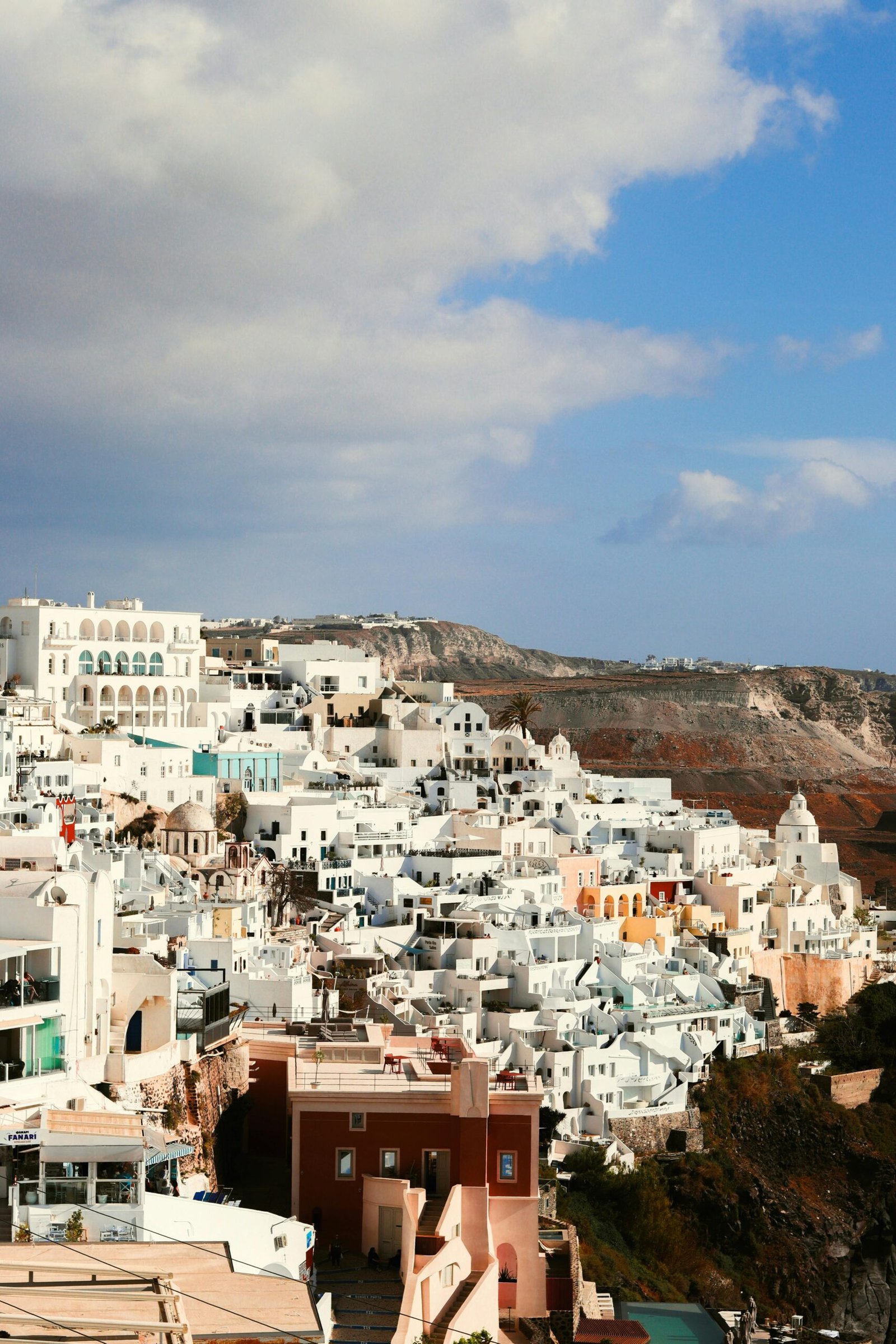
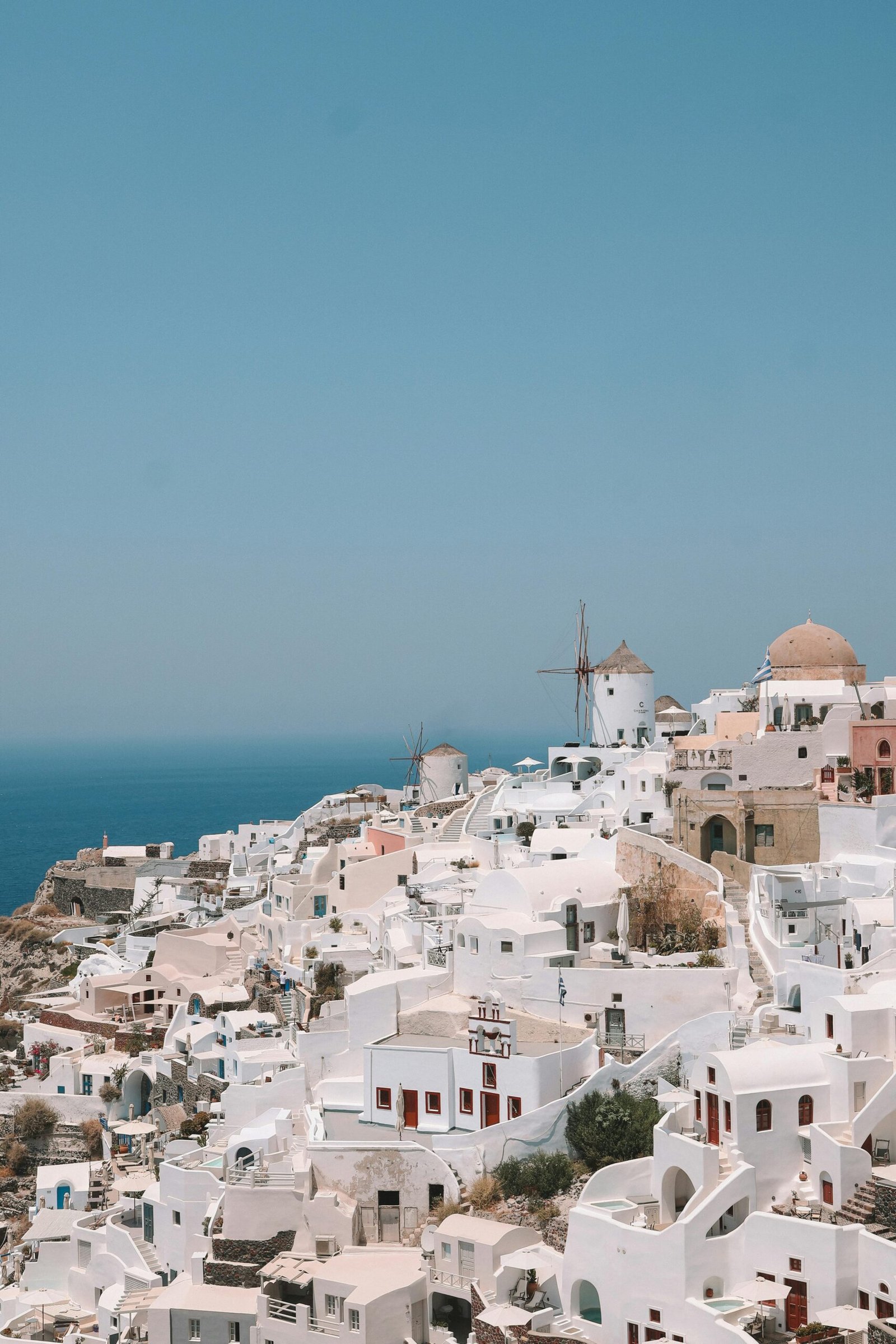
Santorini is sold as a clean visual promise: whitewashed villages, blue domes, sunset views, and a sense that everything has been arranged for your pleasure. That is the emotional product people think they are purchasing. What they actually encounter in summer is a place under pressure, where beauty is real but access to it is often crowded and managed.
This is where Why Most First-Timers to Santorini Leave Slightly Disappointed becomes predictable. The traveler expects the island to perform continuously, and Santorini does not do that. It has peak moments, but it also has long stretches of waiting, heat, noise, and a lot of other people trying to have the same private-feeling experience.
Why Most First-Timers to Santorini Leave Slightly Disappointed in peak season
Peak season changes the psychology of the trip. People think they are paying for exclusivity, but in July and August they are often paying for access to a place that is being heavily shared. That mismatch is what makes the trip feel expensive in a way that is harder to justify once you are there.
My clear position: if you want Santorini to feel calm, spacious, and worth the money, peak season is the wrong time for your first visit. I am not saying avoid the island entirely. I am saying the version most first-timers imagine is not the version summer reliably delivers.
There is also a social effect people underestimate. When a place is famous, travelers arrive with a heightened need for the trip to validate itself. That makes small inconveniences feel larger than they are, because they are not just inconveniences anymore; they feel like evidence that the whole idea was overhyped.
The specific moment disappointment usually hits
For many first-timers, the disappointment does not arrive on arrival. It arrives in the middle of a sunset window, when the island’s most famous experience is no longer intimate but crowded, performative, and slow to unfold. That is the moment when the mental image collides with reality.
People often expect a sense of personal significance and get a logistical crush instead. They are standing in a place they have seen a hundred times online, but they are also sharing it with everyone else who wanted the same moment. That is usually when the emotional tone shifts from anticipation to mild irritation.
Another common trigger is the first honest look at value. Santorini can be expensive without feeling luxurious if you choose badly, and that stings more than ordinary overspending. Travelers do not mind paying for quality; they resent paying a premium for friction.
The emotional gap: what travelers expect versus what they actually feel
Before the trip, people expect relief, romance, and a sense of arrival. They want the island to feel like the reward for months of planning, work, and anticipation. That expectation is fragile because it leaves very little room for ordinary travel realities.
Once there, the emotional experience is often more mixed. Santorini can still impress, but it also asks for patience, tolerance for crowds, and a willingness to accept that not every famous view feels personal. The result is not disaster; it is a quieter disappointment that people sometimes struggle to name.
What makes this harder is that many travelers feel they should be enjoying themselves more than they are. That creates a second layer of discomfort: not just “this is not what I expected,” but “why am I not feeling what I was supposed to feel?” That is a very common response on a high-expectation trip.
Who is most prone to this pattern
Some traveler types are more vulnerable to this letdown than others. The ones who are most at risk are usually the people chasing a milestone trip, a honeymoon fantasy, or a first big Greece experience they have been mentally editing for months. They are not wrong to want something special; they are just more likely to overinvest emotionally in one destination doing all the work.
- First-time Greece visitors who want one island to represent the whole country
- Couples treating Santorini as a once-in-a-lifetime emotional test
- Travelers who plan around social media imagery more than on-the-ground conditions
- People who strongly dislike crowds but still choose peak season
These travelers usually do not need a different island as much as a different expectation. Why Most First-Timers to Santorini Leave Slightly Disappointed is often the story of someone who wanted a clean, private, cinematic experience from a place that is famous precisely because everyone else wants the same thing.
The counterintuitive part most blogs miss
The surprising truth is that Santorini can disappoint precisely because it is so good at being recognizable. When a place is already visually familiar, your brain arrives with less room for discovery. You are not meeting the island fresh; you are checking it against an internal highlight reel.
That is why some travelers leave feeling underwhelmed even when nothing has gone wrong. The island delivered what it was known for, but the traveler had already consumed the emotional payoff in advance through photos, reels, and reviews. By the time they arrive, the experience has less novelty left in it.
If you want a broader sense of how Greece’s major destinations differ in seasonality and visitor experience, the national tourism context on
Visit Greece is useful. It will not tell you how to feel, but it will remind you that timing and expectation shape the trip as much as the destination itself.
What a better Santorini mindset looks like
The better approach is not to lower your standards. It is to stop asking Santorini to be all things at once. If you want beauty, say that. If you want calm, say that too. If you want a big visual payoff, then accept that other people are chasing the same thing.
Greece rewards travelers who arrive with a plan, but Santorini especially rewards travelers who know what they are actually trying to feel. That means choosing the island for a clear reason instead of a vague dream. It also means accepting that a famous place is still a real place, with pressure points, trade-offs, and busy moments that do not care about your expectations.
For travelers who want to understand the cultural backdrop of Greek places more seriously, the Ministry of Culture’s site at culture.gov.gr/en/ is a useful reminder that these destinations are not theme parks. They are living places with history, administration, and limits. That perspective helps people stop treating Santorini like a promise and start treating it like a destination with conditions.
Conclusion: the right way to think about Santorini
Why Most First-Timers to Santorini Leave Slightly Disappointed is really a lesson in emotional calibration. The island is not the problem; the fantasy is. If you want the trip to work, stop expecting one famous place to carry the weight of your entire Greece dream.
Approach Santorini as a high-demand, high-visibility destination that can still be rewarding when you know what you are actually buying: scenery, atmosphere, and a shared experience of a very famous place. Recognizing the pattern is the first step. The second is building a trip around how you actually travel — not the traveler you imagine yourself to be. Most great Greece experiences start with that honesty.
Frequently asked questions
Why do so many first-time visitors feel let down by Santorini?
Because they arrive expecting a private, effortless, cinematic experience, and peak season usually delivers crowds, heat, and a more managed version of the island than they imagined.
Is Santorini actually disappointing, or are expectations the issue?
For most travelers, expectations are the issue. Santorini is real and impressive, but the emotional payoff is often smaller than the image people built before they arrived.
What is the biggest mistake first-timers make in Santorini?
They treat the island like a guaranteed mood instead of a destination with pressure points. That usually leads to choosing the wrong season, overspending, or expecting too much from one famous view.
Who is most likely to be disappointed in Santorini?
Travelers on a once-in-a-lifetime trip, honeymooners, and people who strongly dislike crowds are the most vulnerable, especially if they visit in peak season.
Does visiting Santorini in summer always ruin the experience?
No, but summer raises the odds that the island will feel crowded, expensive, and less relaxed than expected. For many first-timers, that is exactly where the disappointment starts.
How should I think about Santorini if I want a better experience?
Go in with a clear reason for choosing it. If you want beauty, say that. If you want quiet, be honest that peak season may not be the right fit.