

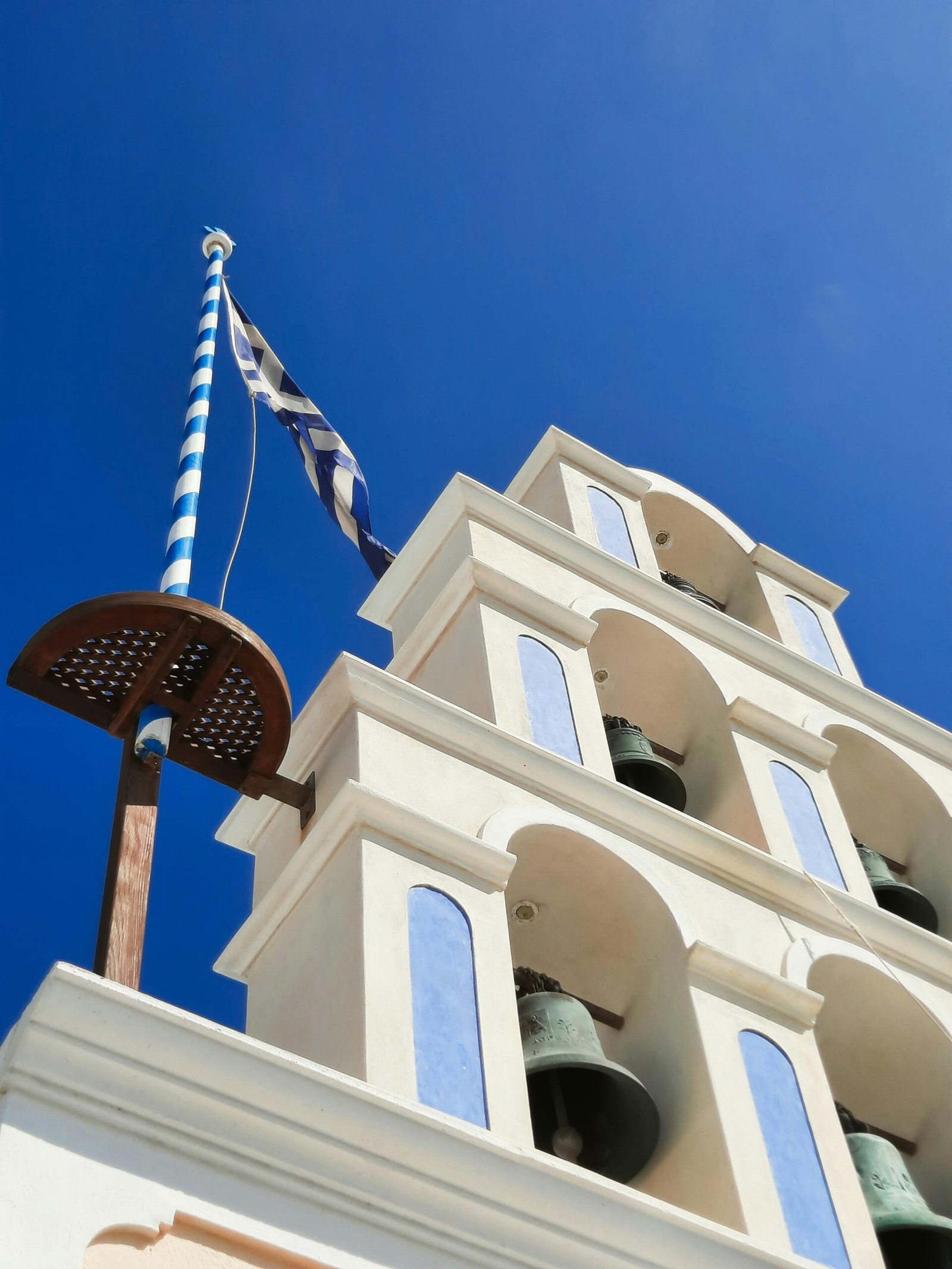
Why Most First-Timers to Santorini Leave Slightly Disappointed usually comes down to one thing: people arrive with an image, not a working understanding of the island. They are not making a bad choice so much as a familiar one — choosing the place that looks most complete in photos and assuming the experience will match that feeling in real life.
The disappointment is rarely dramatic. It shows up as a slow, quiet mismatch between expectation and reality: too many people, too much heat, too little ease, and not enough of the calm, spacious Greece trip they thought they were buying.
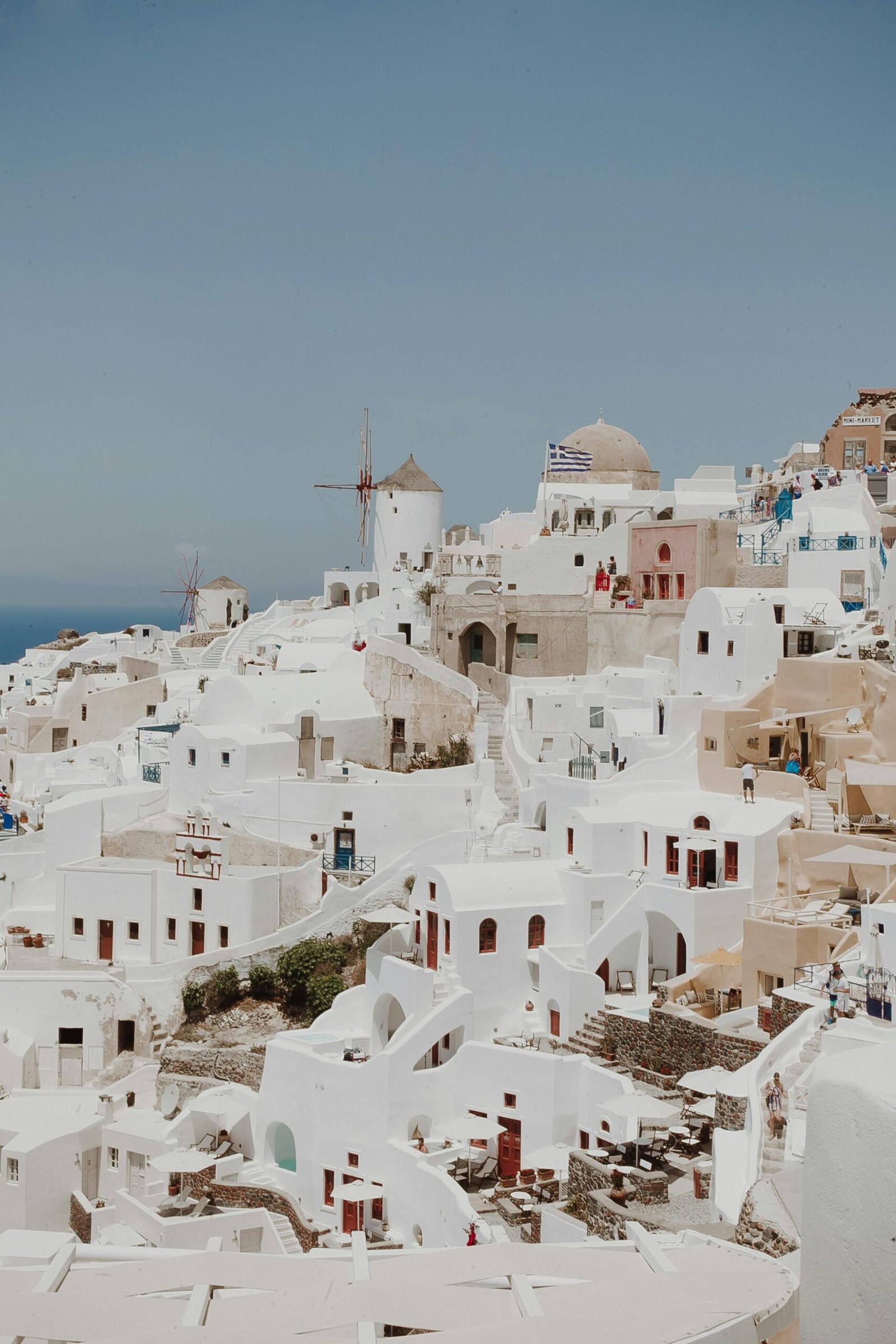
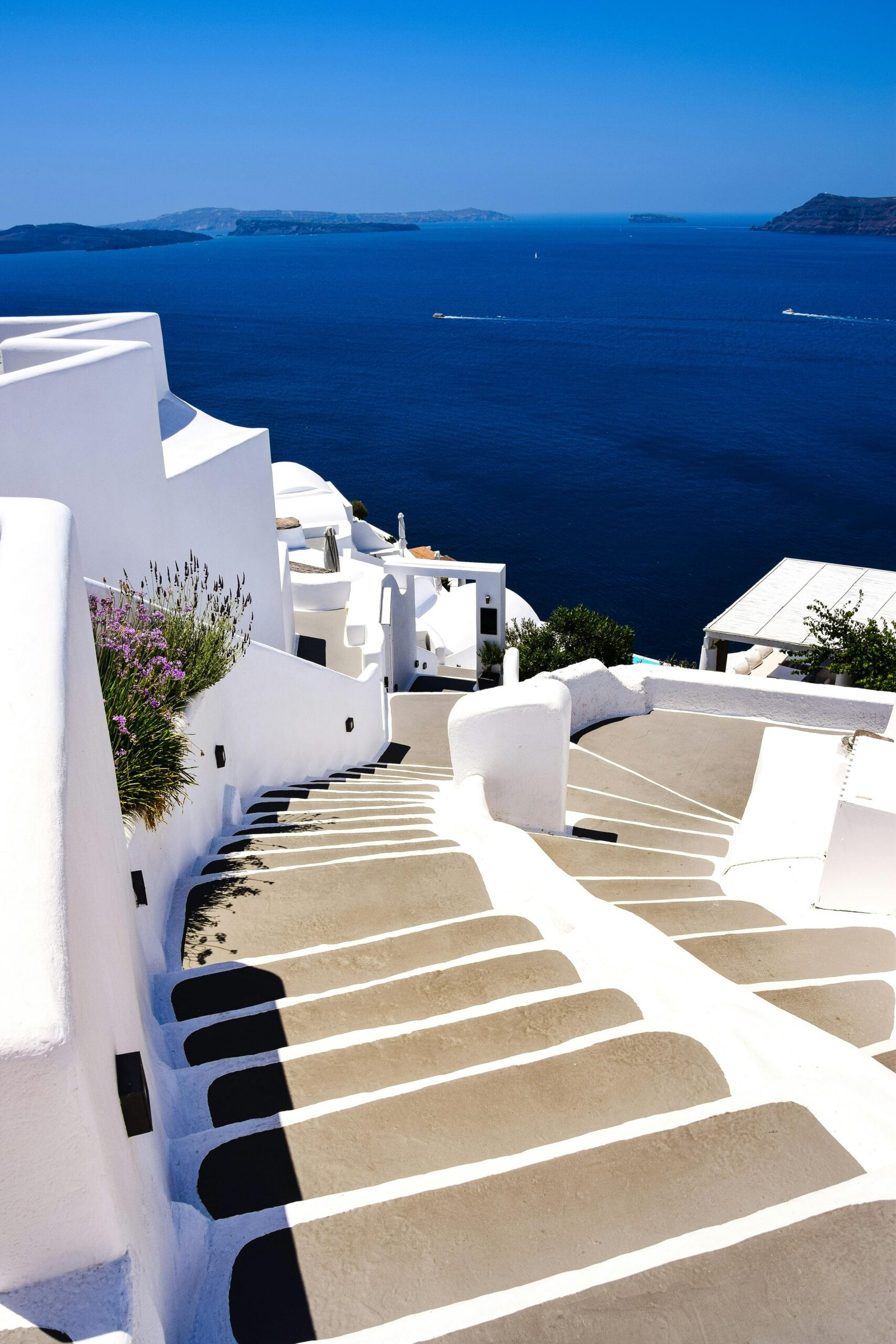
Why Most First-Timers to Santorini Leave Slightly Disappointed
Most first-time Santorini decisions are driven by status anxiety, not travel logic. People want to say they went to Santorini because it feels like the “right” Greek island, the one that confirms they made a good, informed choice. That emotional pressure matters, because once a destination becomes a symbol, travelers stop asking the practical questions that would have protected them from disappointment.
This is the core of Why Most First-Timers to Santorini Leave Slightly Disappointed: they are not reacting to Santorini as it is, but to Santorini as it has been sold to them through years of very selective imagery. The result is predictable. They arrive expecting a smooth, beautiful, effortless experience and instead meet a place that is highly managed, heavily visited, and in peak season, more exhausting than most people admit.
The image is clean; the reality is crowded
Santorini’s visual identity is unusually strong. That creates a false sense of certainty, as if seeing the island in advance means you already understand it. What travelers underestimate is how much crowd pressure changes the mood of the place, especially in the most photographed areas where movement slows, patience thins, and every ordinary task takes more effort than expected.
The emotional gap is simple: people expect a polished, intimate island experience and instead find themselves negotiating space, timing, and noise. That is where Why Most First-Timers to Santorini Leave Slightly Disappointed becomes obvious. The island is not failing to deliver beauty; it is failing to deliver the ease people silently assumed would come with it.
Why Most First-Timers to Santorini Leave Slightly Disappointed in peak season
Peak season is where fantasy collides with operating reality. The island is at maximum visibility, but visibility is not the same as comfort. Crowds change the pace of everything, and when people are already emotionally invested in a certain version of the trip, even small frictions feel larger than they should.
My clear position: if you want Santorini at its most pleasant, do not plan it as a “main event” in the middle of peak season unless you are fully comfortable with queues, noise, and a less relaxed atmosphere. That is not a cautious opinion; it is the practical truth. For many first-timers, the disappointment begins when they realize they chose the island for how it looks at a distance, not for how it functions when everyone else has chosen it too.
There is also a psychological trap here. Travelers often think they are buying romance, but what they are actually buying is compression — less space, less privacy, less margin for error. That is why Why Most First-Timers to Santorini Leave Slightly Disappointed is so often a peak-season story rather than a Santorini story in general.
The moment the disappointment usually hits
It usually hits in one of two places: the first arrival bottleneck, or the first sunset crowding. That is the moment the island stops feeling like a dream and starts feeling like a shared public performance. People are often embarrassed by their own reaction, because they can tell the place is objectively beautiful while still feeling underwhelmed.
That emotional split matters. Many travelers expected a sense of arrival and instead feel a kind of logistical fatigue they did not budget for. They had pictured themselves relaxing into the island; instead, they are managing heat, timing, and the constant awareness that every good viewpoint is also a crowded one.
The travelers most prone to this pattern
Some traveler types are much more vulnerable to this disappointment than others. The most common are first-time Greece visitors, milestone-trip planners, and couples who have absorbed Santorini as a romance symbol rather than a destination with real constraints. They are often the people who care most about “getting it right,” which makes the mismatch hit harder.
- First-timers who want one island to represent all of Greece
- Couples planning a high-expectation romantic trip
- Travelers who prefer calm, low-friction places but choose Santorini for the image
- People visiting in peak season because their dates are fixed, not because the season suits them
These travelers are not wrong to want beauty. They are wrong to assume beauty automatically produces ease. That assumption is exactly why Why Most First-Timers to Santorini Leave Slightly Disappointed keeps repeating itself across seasons and budgets.
The quieter trade-off people miss
Here is the counterintuitive part: Santorini can disappoint precisely because it is so good at being recognizably Santorini. The island’s strongest asset is also its weakness. When a destination becomes instantly legible, travelers feel they have already experienced it before they arrive, which makes the real visit feel less expansive than expected.
That is a strange but common emotional reaction. People do not say, “This is not beautiful.” They say, “I thought I would feel more.” And that is the real issue behind Why Most First-Timers to Santorini Leave Slightly Disappointed: the trip delivers the image, but not always the emotional payoff people attached to that image.
For travelers trying to understand the broader Greece context, official destination framing can help reset expectations before they book. A useful starting point is
Visit Greece, especially if you are still comparing islands and trying to understand what kind of trip each one actually supports.
What a better Santorini decision looks like
A better approach starts with honesty about your real travel style. If you want quiet, flexibility, and room to wander without constant friction, Santorini is not the easiest first choice in peak season. If you want a highly recognizable island and you are comfortable accepting that it will feel busy and curated, then the island can still make sense — but for the right reasons.
People also need to stop treating Santorini as the default answer to a Greece trip. That assumption creates bad sequencing, bad budgeting, and bad emotional expectations. Greece rewards travelers who arrive with a plan, but more than that, it rewards travelers who know what kind of trip they are actually trying to have.
If you want a more grounded picture of Greek travel culture and the broader context around heritage, timing, and visitor pressure, the Hellenic Ministry of Culture is worth consulting before you lock in a trip built around one famous island.
Reframing Santorini before you book
Do not ask whether Santorini is “worth it” in some abstract sense. That question is too vague and usually leads to emotional decisions. Ask instead what role you want the island to play in the trip: centerpiece, short stop, or visual contrast to a calmer mainland or island stay.
That reframing changes everything. It moves Santorini from a dream purchase to a planning decision, which is where it belongs. Once you stop expecting the island to deliver a universal Greece experience, the disappointment drops sharply and the trip becomes easier to shape around your actual tolerance for crowds, heat, and high-intensity tourism.
Recognizing the pattern is the first step. The second is building a trip around how you actually travel — not the traveler you imagine yourself to be. Most great Greece experiences start with that honesty.
Frequently asked questions
Why do first-time visitors feel let down by Santorini?
Because they often arrive with a polished image of the island and expect that image to translate directly into the experience. In peak season, crowd pressure, heat, and constant movement make the island feel less relaxed than the photos suggest.
Is Santorini actually disappointing, or are expectations too high?
Usually the expectations are too high. Santorini is visually strong, but many travelers expect it to feel intimate and effortless when it is often busy and highly managed, especially in summer.
What is the biggest mistake first-timers make with Santorini?
They treat it as the default Greek island choice instead of asking whether it matches their travel style. That leads to disappointment when they realize they wanted calm, space, and flexibility more than a famous view.
When does the disappointment usually set in?
For many people, it hits during the first arrival bottleneck or the first crowded sunset. That is when the gap between the imagined experience and the real one becomes impossible to ignore.
Who is most likely to be disappointed by Santorini?
First-time Greece visitors, couples planning a big romantic trip, and travelers who prefer quieter destinations but choose Santorini for the image. These groups tend to care most about the emotional payoff, so the mismatch lands harder.
Can Santorini still be a good choice for a first trip to Greece?
Yes, but only if you accept what it is: a high-profile, high-demand island with real crowd pressure in peak season. It works better when chosen deliberately, not as a symbol of Greece as a whole.
What is the best mindset for Santorini?
Treat it as one part of a larger Greece trip, not the whole story. That keeps expectations realistic and prevents the island from carrying more emotional weight than it can reasonably deliver.