

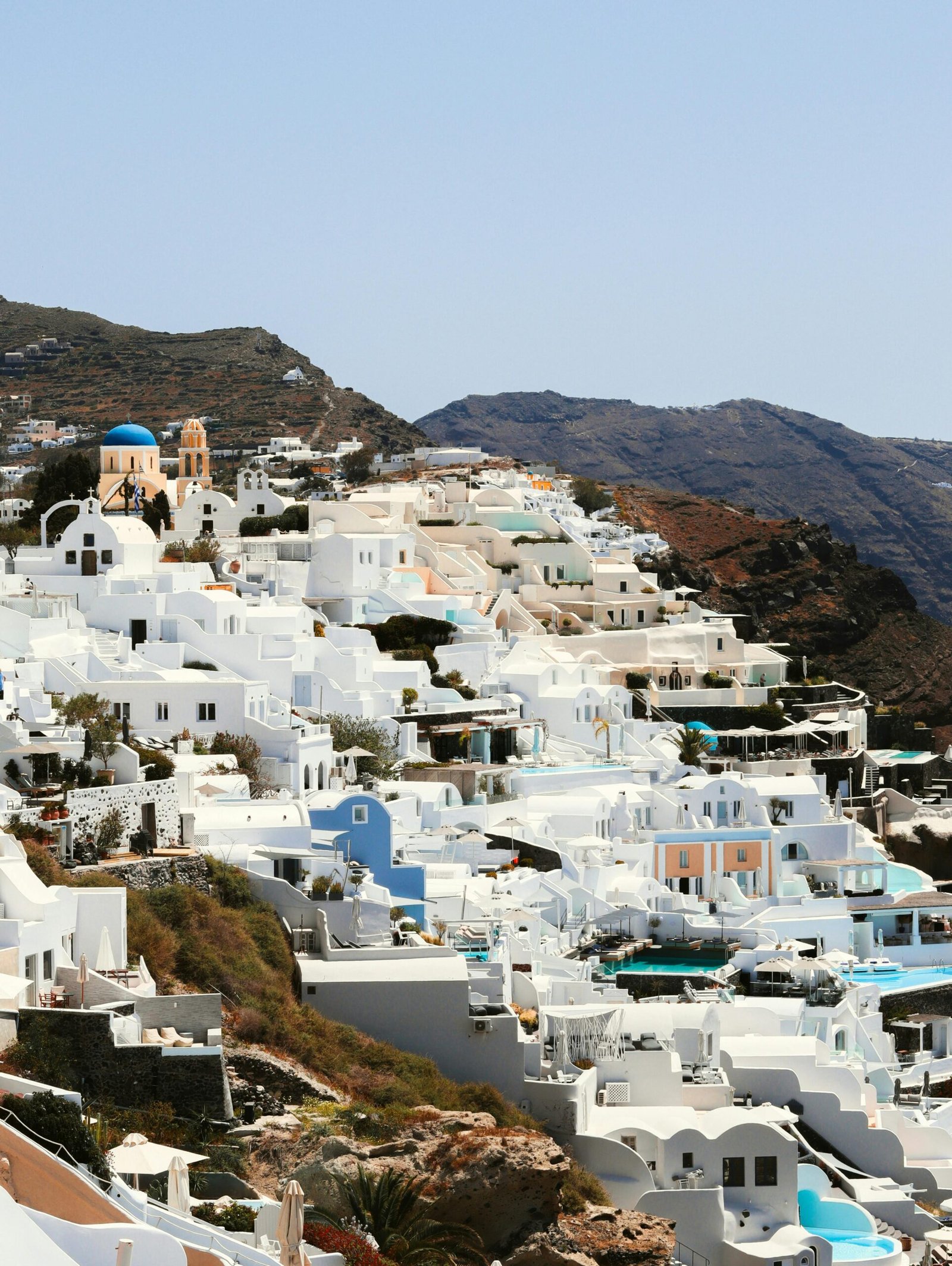
Why Santorini Works Better as a Short, Careful Stop is not a slogan; it is the practical truth of the island. Santorini punishes vague planning because the difference between a good stay and a tiring one comes down to pace, location, and season more than almost anywhere else in Greece.
Most travelers try to stretch Santorini into a relaxed base and then wonder why it feels crowded, expensive, and oddly inefficient. Used correctly, it gives you the caldera, the villages, and the views without the drain that comes from treating it like a simple beach island.
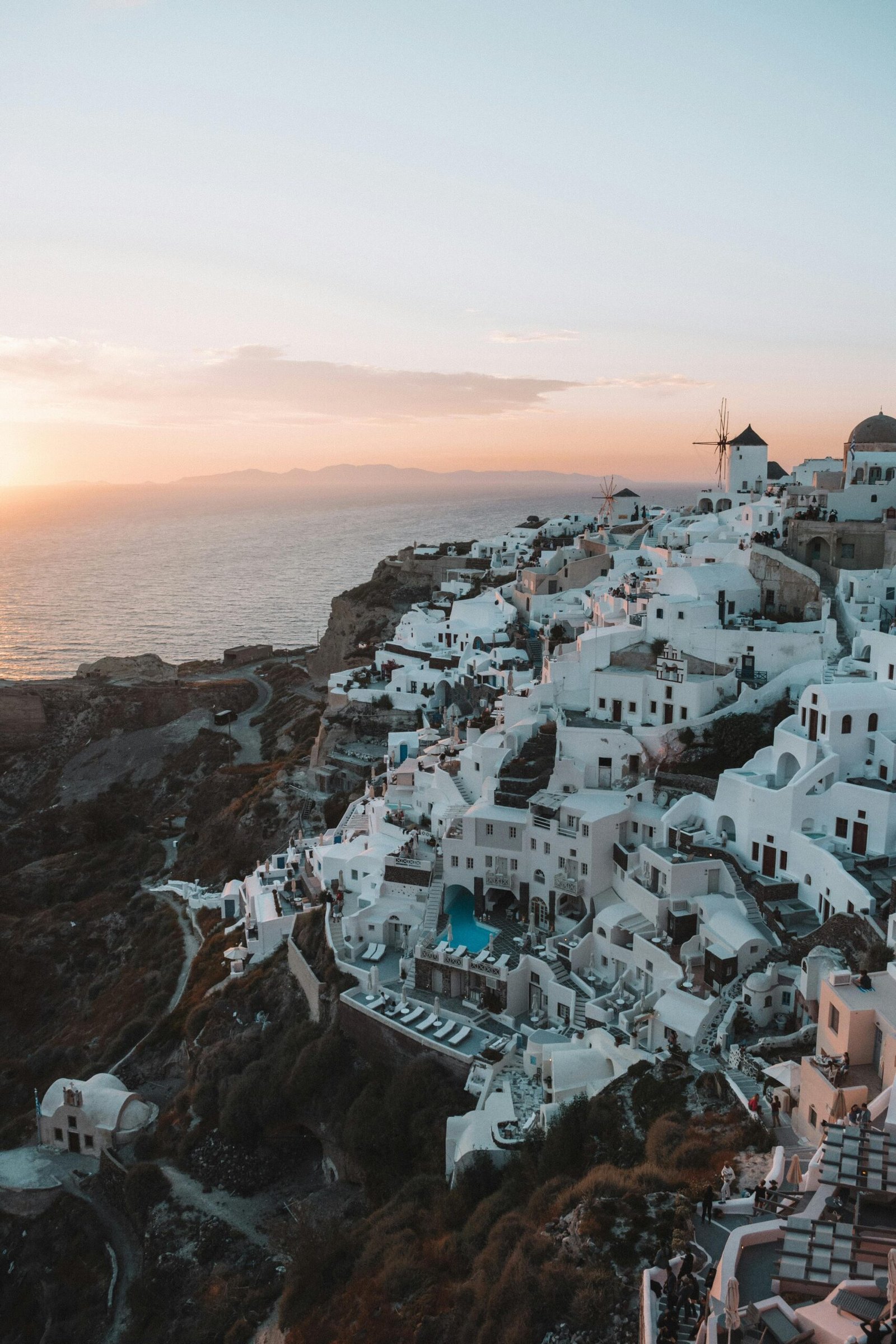
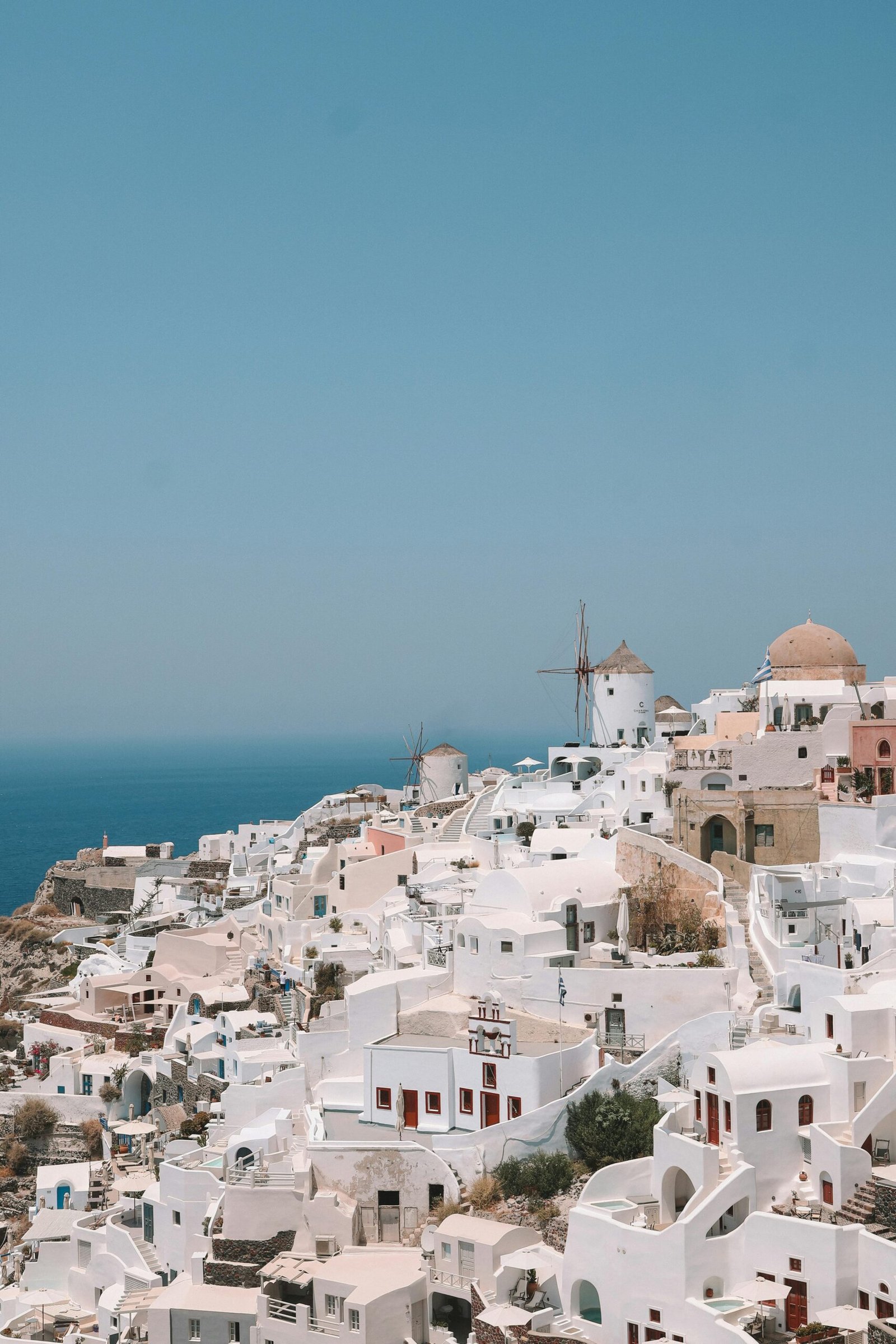
Why Santorini Works Better as a Short, Careful Stop
Santorini is not a place to “just go and see what happens.” That mindset is exactly why so many trips feel overhyped. Why Santorini Works Better as a Short, Careful Stop is because the island gives you a very specific experience, and once you ask it to behave like Mykonos, Naxos, or Crete, it starts to disappoint.
I am clear on this: Santorini is best when you choose the right area, accept the island’s limits, and keep the stay tight. Stretch it too long and the costs, crowds, and repetitive rhythm start to outweigh the view. Used with discipline, it becomes one of Greece’s most efficient high-impact stops.
Why Santorini Works Better as a Short, Careful Stop
The island’s strongest product is not variety. It is a concentrated set of views, villages, and dining that can be excellent for a limited window. That is also why Why Santorini Works Better as a Short, Careful Stop matters so much: the island delivers best when you come in with a narrow purpose.
The biggest mistake is assuming Santorini is a broad leisure destination. It is not. If you want long, easy beach days, low-friction wandering, and a feeling of space, this is the wrong island for a long stay. If you want a high-value, carefully chosen slice of the Cyclades, it can be worth it.
What travelers consistently get wrong
The first mistake is booking the wrong area for the way they actually travel. Oia suits travelers who want the famous caldera experience and are willing to pay for it. Fira works better for people who want energy and convenience, while Imerovigli suits quieter, higher-end stays with fewer distractions.
The second mistake is thinking Santorini is interchangeable across the island. It is not. Akrotiri, Pyrgos, and Megalochori give a very different feel from the caldera villages, and many visitors only realize this after they have paid premium prices for the wrong atmosphere.
The third mistake is underestimating how quickly the island becomes repetitive if the stay is too long. One or two strong days can feel focused and worthwhile. Four or five days can start to feel like you are paying a lot to repeat the same views, the same pricing, and the same bottlenecks.
Places that change the experience
Oia is the obvious choice, but it is also the most unforgiving if you dislike crowds or polished tourism. Fira is busier and less refined in feel, yet it can make practical sense for travelers who want a more active base. Imerovigli is the most balanced of the three for people who want caldera access without the full Oia pressure.
Outside the caldera strip, Pyrgos has more local texture and a better sense of space. Megalochori is calmer and more residential, which suits travelers who care more about atmosphere than being near the headline views. Akrotiri is useful for people who want a quieter southern base and do not need every meal to come with a front-row caldera angle.
These names matter because Santorini is one of those places where the wrong neighborhood creates a bad trip, not just a slightly inconvenient one. If you choose the wrong base, you spend too much time compensating for it. That usually means more money, more fatigue, and less satisfaction.
Who this suits
Santorini suits couples, first-time Greece visitors, and travelers who care about atmosphere, views, and a polished hotel experience. It also suits people who are happy to pay for a short stay that feels deliberate rather than sprawling. If your trip needs to feel curated, Santorini can do that well.
- Good fit: honeymooners, design-conscious travelers, food-focused couples, and people who want one polished island stop.
- Bad fit: budget travelers, families needing space and easy beach time, and anyone who gets irritated by crowds or premium pricing.
- Bad fit: travelers who want a long, relaxed, low-stress island base with lots of variety.
This is where Why Santorini Works Better as a Short, Careful Stop becomes a planning rule, not a slogan. The island is rewarding for people who want a concentrated experience. It is frustrating for people who want flexibility and room to improvise.
The counterintuitive part most people miss
The surprising thing is that Santorini often works better for travelers who do less, not more. People assume a famous island needs a packed schedule. In practice, the island’s value comes from choosing a few things well and leaving the rest alone.
That is counterintuitive because the island is expensive, and expensive places make people feel they should “get their money’s worth” by doing more. That impulse usually backfires. The more you try to force Santorini into a full program, the more you notice the congestion, the pricing, and the sameness between the main draws.
Why Santorini Works Better as a Short, Careful Stop is exactly because restraint protects the experience. A shorter stay keeps the island from turning into a logistics exercise. A longer stay increases the chance that you start noticing the parts that are less polished and more tiring.
Trade-offs you should accept before you book
You gain iconic caldera scenery, strong dining, and a destination that feels special when handled correctly. You also gain a place where the premium is real, the best areas are expensive, and the wrong booking can easily feel underwhelming. That is the honest trade-off.
You give up ease, cheapness, and the kind of casual island wandering that works on other Greek islands. You also give up the freedom to be vague about timing and location. Santorini is not generous to travelers who decide late or book loosely.
If you want a broader Greek island experience, choose somewhere else or pair Santorini with a second stop that gives you space. For general trip planning context and destination framing,
Visit Greece is useful, but the real point is this: Santorini should not be treated as a standalone default. It should be treated as a deliberate insert in a trip that knows what it is doing.
How to think about Santorini in a wider Greece trip
Santorini works best when it is not asked to carry your whole Greece holiday. It is a high-impact stop, not a complete answer. If you build an entire trip around it, the island’s limits become more obvious and the pressure on your budget rises quickly.
That is where many travelers make a sequencing mistake. They place Santorini too early, expect it to set the tone for the whole trip, and then find that every other island feels flatter by comparison. Or they leave it too late and arrive tired, which makes the premium feel even harder to justify.
For travelers who care about context, the best approach is to treat Santorini as a specialist stop, not the main event. If you want to understand the cultural frame that shapes Greek travel more broadly, official institutions such as the Hellenic Ministry of Culture are a better reference point than generic listicles. That matters because Santorini’s appeal is strongest when it sits inside a smarter Greece plan.
Final position
My position is simple: Santorini is excellent when it is brief, intentional, and matched to the right traveler. It is mediocre to disappointing when used as a long, loose, all-purpose island stay. That is not a defect; it is a planning reality.
Why Santorini Works Better as a Short, Careful Stop is the most honest way to approach the island because it protects you from the common failure points: wrong area, wrong length, wrong expectations. If you want the island at its best, keep the stay tight, choose the base carefully, and stop trying to make it something it is not.
Greece rewards travelers who arrive with a plan built around how they actually travel — not a generic template. The difference between a frustrating trip and a remarkable one often comes down to sequence, timing, and knowing which trade-offs matter for your situation.
Recommended experiences
Some experiences mentioned here are curated and managed by Elite Greece Travels.
- Athens Milos Santorini Itinerary 9 Days — Itinerary (managed by Elite Greece Travels).
- Greece 7 Day Itinerary Athens Delphi Meteora Santorini — Itinerary (managed by Elite Greece Travels).
- Santorini Sunset Cruise With Dinner In The Caldera — Cruise (managed by Elite Greece Travels).
Frequently asked questions
How many days are enough in Santorini?
For most travelers, one to three nights is the sweet spot. Longer stays make the island’s pricing and repetition more obvious.
Which area is best for first-time visitors?
Oia if you want the classic caldera feel and are comfortable with crowds and high prices; Imerovigli if you want a quieter, more controlled version of that experience.
Is Santorini good for families?
Only for certain families. It works best for families who want a polished hotel stay and do not need lots of open, easy beach space or budget flexibility.
What is the biggest mistake people make in Santorini?
Booking the wrong base for their travel style. Many visitors choose a famous area without considering whether they actually want crowd energy, quiet, or local texture.
Is Santorini worth it if I dislike crowds?
Yes, but only if you keep the stay short and choose carefully. A long stay in the wrong area will feel crowded and overpriced very quickly.
Should Santorini be the main island in a Greece trip?
Usually no. It is better as a focused stop within a broader trip than as the single island that has to do everything.