

Why Most First-Timers to Santorini Leave Slightly Disappointed starts with a simple psychological trap: people book the island they have already seen in their head, not the one they will actually experience in peak season. Santorini is one of the clearest examples in Greece of expectation outrunning reality.
The disappointment is usually not about the island being bad. It is about travelers arriving with a very specific emotional script — romance, ease, quiet, effortless beauty — and finding crowds, heat, queues, and a place that works best when you understand its limits.
Why Most First-Timers to Santorini Leave Slightly Disappointed
The core mistake is projection. People do not just want a trip to Santorini; they want the version of themselves they imagine they will become there: relaxed, impressed, and slightly transformed. That is a heavy expectation to place on a small island that gets punished by its own fame.
Why Most First-Timers to Santorini Leave Slightly Disappointed is not a mystery to anyone who has watched the island absorb peak-season demand year after year. The issue is not that Santorini lacks beauty or interest. The issue is that first-timers often confuse a highly photographed place with a low-friction place, and those are very different things.
The image people buy is not the trip they receive
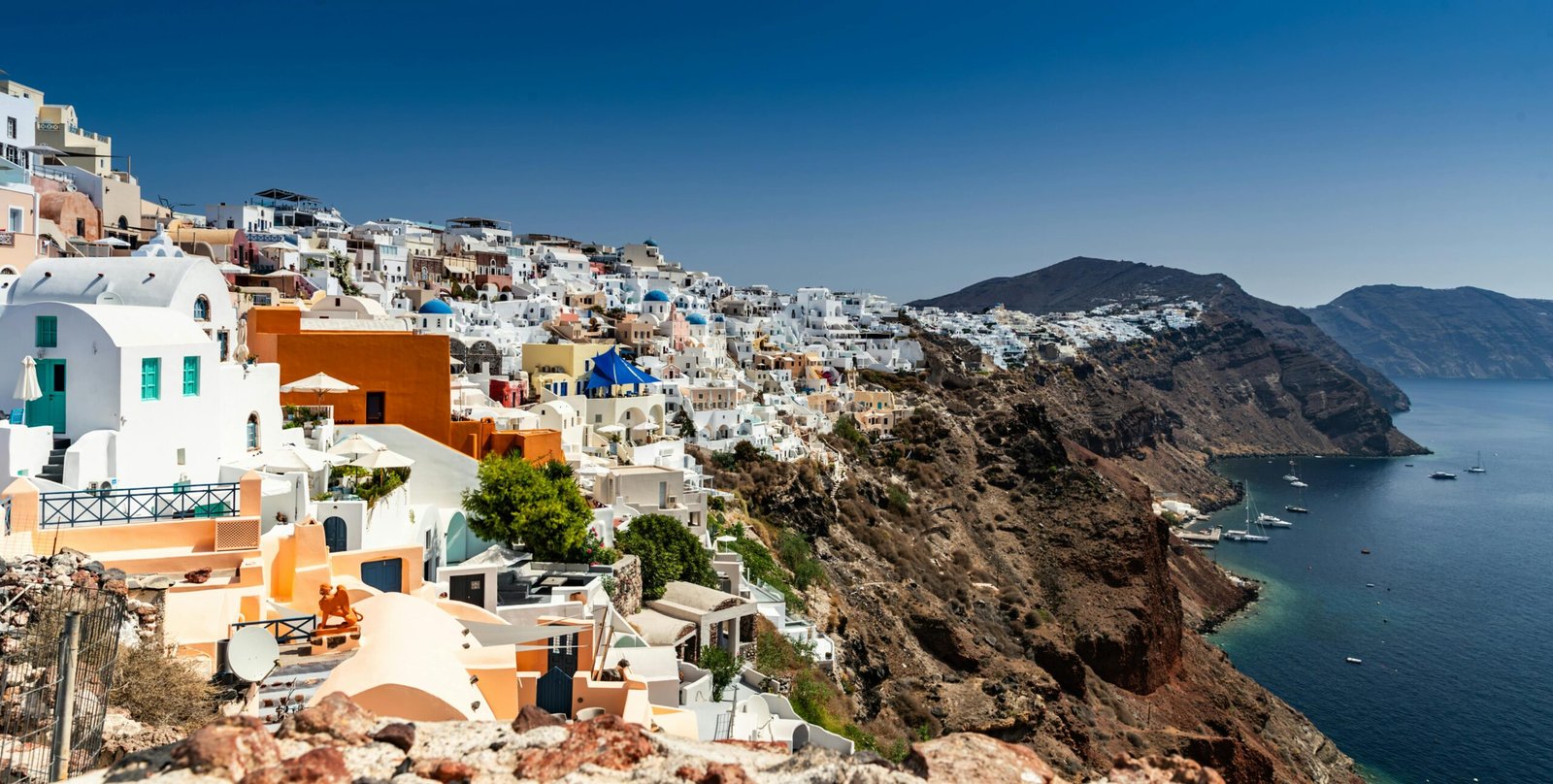
Santorini sells an idea of precision: whitewashed edges, blue domes, clean views, sunset calm. That image is powerful because it suggests control, and control is exactly what many travelers want after a long year. They want the trip to feel polished, easy, and worthy of the money they spent.
In peak season, the island feels more compressed than polished. The same narrow spaces that look serene online can feel busy, hot, and repetitive when everyone arrives for the same reason at the same time. The gap between image and reality is where Why Most First-Timers to Santorini Leave Slightly Disappointed becomes a live experience, not just a headline.
Why travelers make this choice in the first place
Most first-timers choose Santorini because it feels safe. It is familiar from social media, easy to explain to friends, and emotionally legible before they even book it. People like destinations that reduce uncertainty, especially for milestone trips, honeymoons, or the one big Greece vacation they think they may get.
There is also a status element that people rarely admit out loud. Santorini signals that you have chosen the classic Greek island experience, and that matters to travelers who want their trip to feel validated by others. The problem is that social proof is not the same thing as personal fit.
Greece rewards travelers who arrive with a plan, but Santorini punishes people who confuse popularity with suitability. That mistake shows up fast when the trip is built around a postcard image rather than around how the island actually functions in high season.
Why Most First-Timers to Santorini Leave Slightly Disappointed in peak season
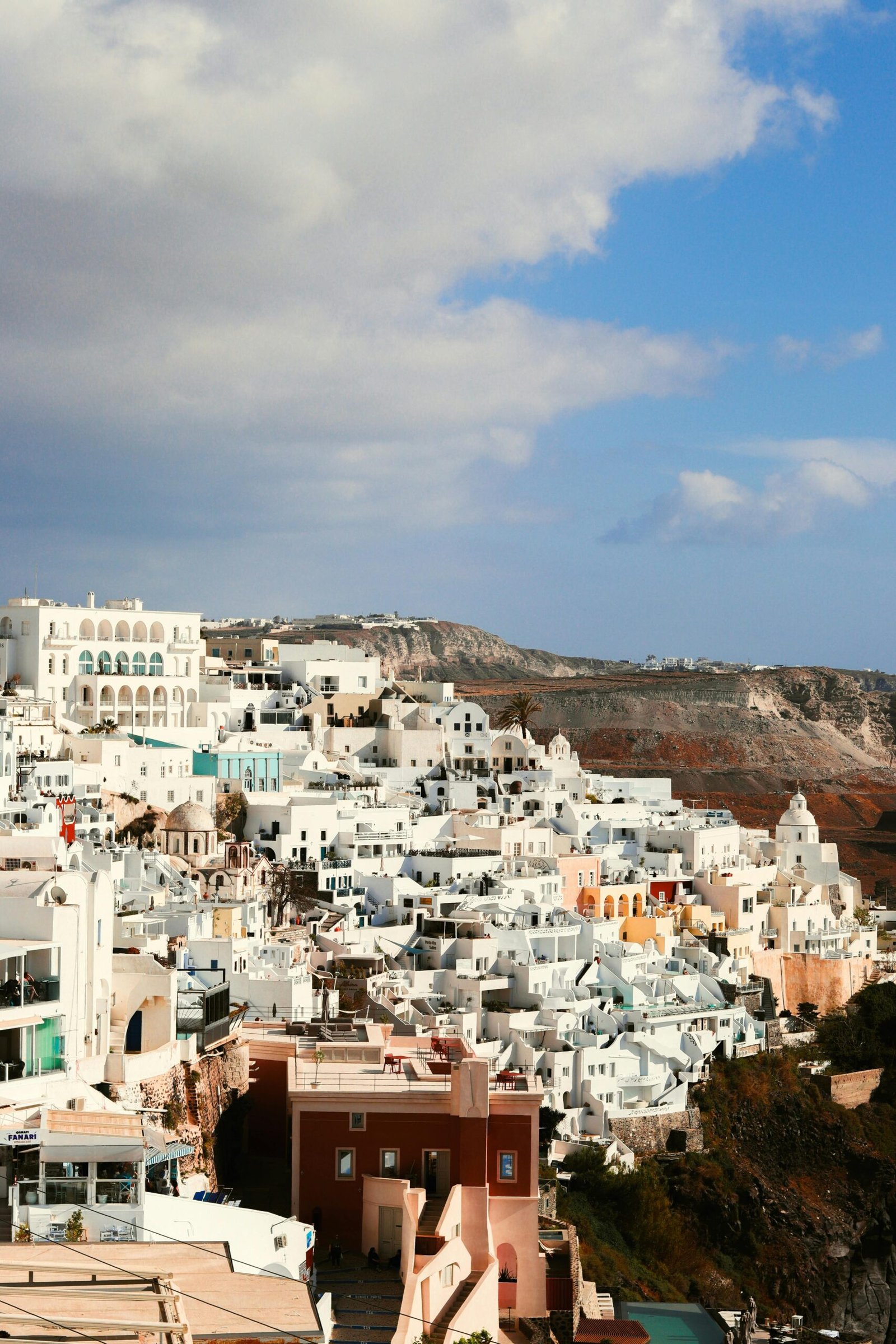
Peak season changes the emotional tone of the island. Travelers expect a dramatic, slow-paced arrival into beauty, but what they often get is friction: crowded viewpoints, busy dining rooms, long waits, and a constant sense that they need to keep moving to secure the next good moment.
The surprise is that the disappointment often comes from effort, not ugliness. Santorini can still look exactly like the photos, yet the experience of getting that view can feel crowded and transactional. That is the counterintuitive part many first-timers miss: a place can be visually satisfying and emotionally tiring at the same time.
The real problem is not that the island fails to deliver beauty. It is that beauty becomes a scheduled activity, and once that happens the trip starts to feel managed rather than lived. That shift is what people remember when they say they were underwhelmed.
The moment the disappointment usually hits
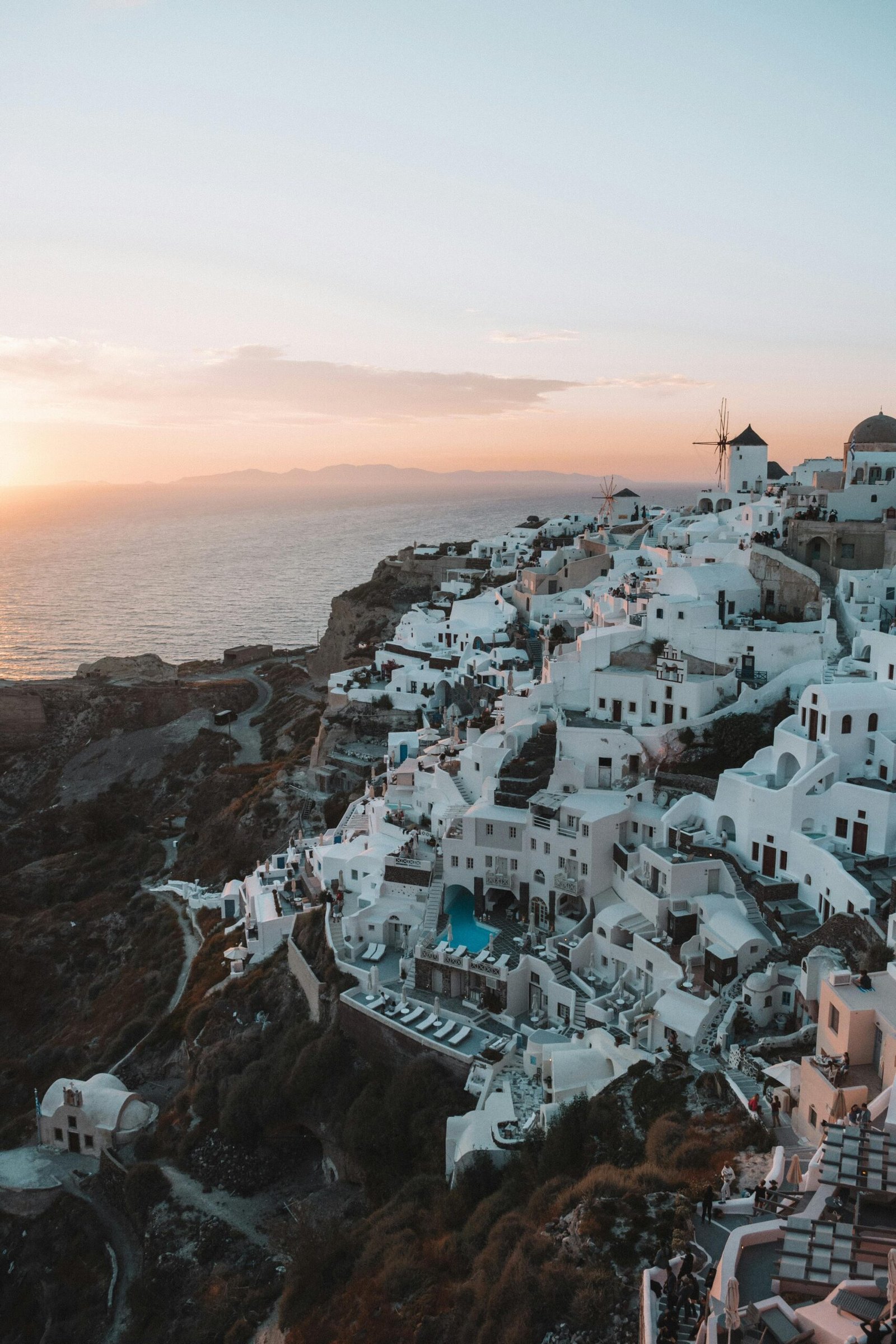
For many travelers, the first real letdown comes when they realize the island is not giving them privacy by default. It is often the first sunset crowd, the first overbooked dinner service, or the first time they understand that the famous view comes with a lot of other people trying to claim the same moment.
That moment matters because it breaks the fantasy of exclusivity. Travelers do not just want a good view; they want to feel like the view belongs to them for a while. When that feeling disappears, the trip can start to feel more expensive than special.
Another common trigger is the mismatch between short-stay excitement and daily repetition. Santorini is intense in small doses, but some first-timers build the whole trip around one aesthetic lane and then realize there is less variety than they expected.
Traveler types most prone to this pattern
Some travelers are more likely to leave disappointed because they are chasing an emotional outcome, not a destination.
- First-time Greece visitors who want the “best” island and assume the most famous choice is the safest one.
- Couples on milestone trips who expect Santorini to create the mood for them.
- Travelers with limited time who compress too much expectation into one stop.
- People who prioritize photos over atmosphere and then notice the crowds only after the trip starts.
The common thread is not bad taste. It is emotional overinvestment. These travelers are often trying to make Santorini carry too much meaning, and no destination performs well under that kind of pressure.
What people underestimate about the emotional reality
Santorini can feel performative in peak season, and that is the part travelers underestimate most. When every decision starts to revolve around timing, seating, and vantage point, the trip becomes less about being present and more about managing access to the same limited set of experiences.
That creates a very specific kind of fatigue. Instead of feeling restored, people feel like they have spent the day trying to keep the trip aligned with the version they were promised. The frustration is subtle, which is why many travelers only recognize it after they leave.
If you want a useful reference point for how Greece is presented versus how it is actually experienced, start with
Visit Greece and notice how much of the appeal depends on context, season, and expectations. That is not a flaw in the destination; it is the part travelers ignore at their own expense.
What a better approach looks like
The better approach is not to lower your standards. It is to stop asking Santorini to be everything at once. If you want the island for the views, say that plainly. If you want quiet, variety, or a slower emotional pace, be honest that Santorini may not be the cleanest fit in peak season.
That honesty changes the trip before it starts. It pushes you away from fantasy planning and toward practical fit, which is where better Greece trips are actually made. It also makes disappointment less likely because you are no longer expecting the island to solve a problem it was never designed to solve.
For travelers who still want the cultural frame around Greece rather than just the island image, it helps to ground the trip in the wider context of the country through the Hellenic Ministry of Culture. That perspective matters because Santorini makes more sense when you stop treating it as a standalone fantasy and start seeing it as one very specific kind of Greek experience.
Conclusion: the reframe that saves the trip
Why Most First-Timers to Santorini Leave Slightly Disappointed is really a story about expectation management, not island quality. The travelers who do best are the ones who stop trying to force Santorini into a universal template and instead ask whether it fits their pace, their season, and their tolerance for crowds.
That is the reframe: choose Santorini for what it actually is, not for what it represents on a screen. Once you make that shift, the island stops being a test of whether reality matches fantasy and starts being a decision you can stand behind.
Recognizing the pattern is the first step. The second is building a trip around how you actually travel — not the traveler you imagine yourself to be. Most great Greece experiences start with that honesty.
Frequently asked questions
Why do so many first-timers feel disappointed in Santorini?
Because they arrive expecting an effortless, private, postcard version of the island. In peak season, Santorini is often crowded, highly managed, and more demanding than people expect.
Is Santorini overrated for first-time visitors?
Not exactly. It is over-expected. The island can be worthwhile, but first-timers often assign it a level of emotional payoff it was never guaranteed to deliver.
What is the biggest mistake people make when booking Santorini?
They choose it because it is famous, not because it fits their travel style. That usually leads to disappointment when the pace, crowds, or limited variety do not match what they wanted.
Who is most likely to enjoy Santorini?
Travelers who know exactly what they want from it: iconic views, a short high-impact stay, and a tolerance for busy peak-season conditions. It works best when it is a deliberate choice, not a default one.
Does peak season make Santorini worse?
For many first-timers, yes. Peak season magnifies the island’s biggest friction points: crowds, heat, and the sense that every good moment has to be competed for.
How can I avoid leaving Santorini disappointed?
Stop expecting it to deliver the same emotional experience for everyone. Be clear about why you are going, what you want most, and whether the island’s actual pace matches that goal.