

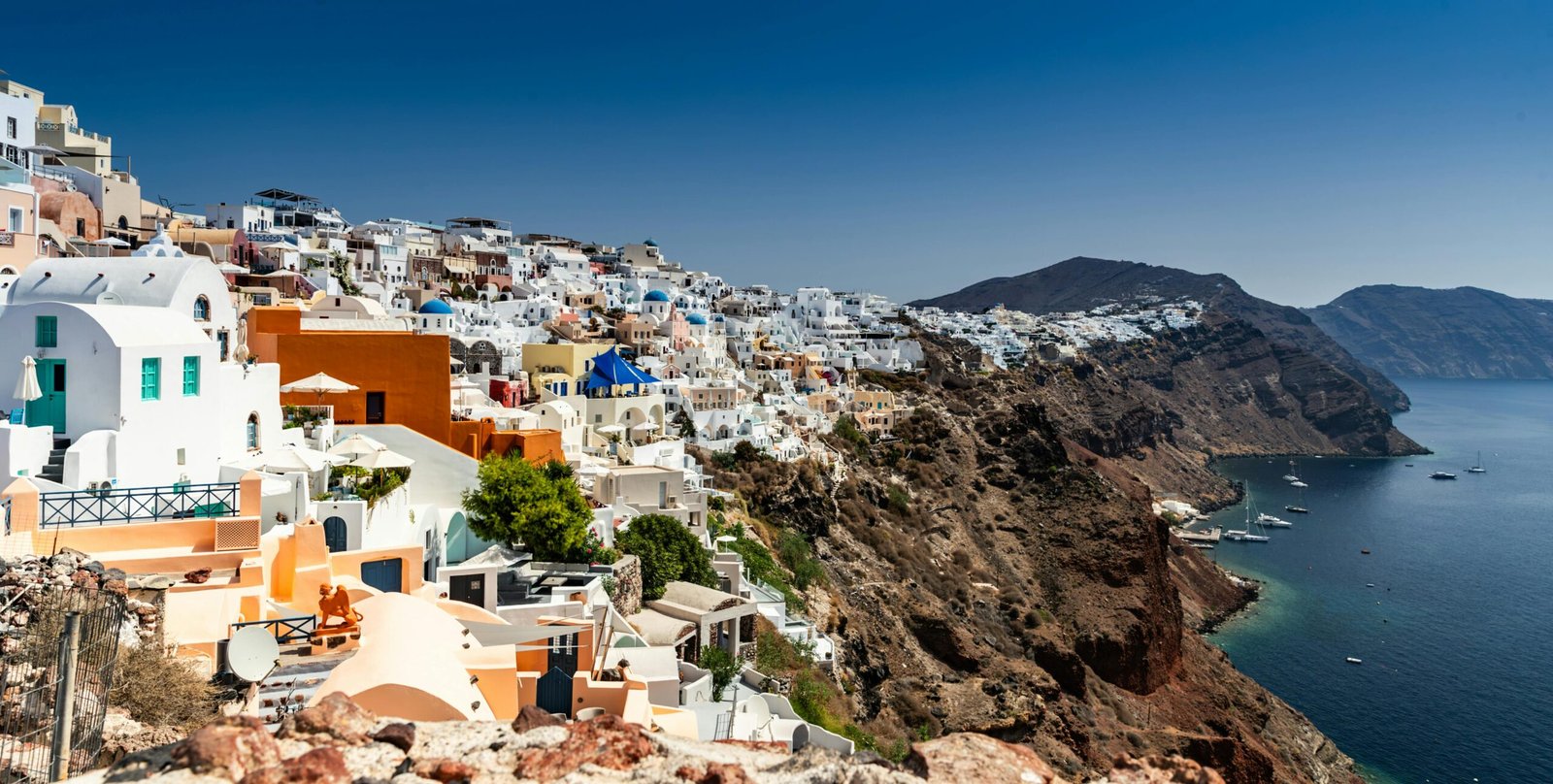
Why Santorini Feels Smaller, Pricier, and More Complicated Than You Think is the right question to ask before you book. The island is not difficult because it lacks appeal; it is difficult because the same small geography that makes it famous also concentrates crowds, inflates prices, and punishes bad timing.
First-timers usually picture a simple luxury island break. In reality, Santorini is a place where hotel placement, season, and expectations decide whether you feel in control or constantly adjusting your day around everyone else’s schedule.
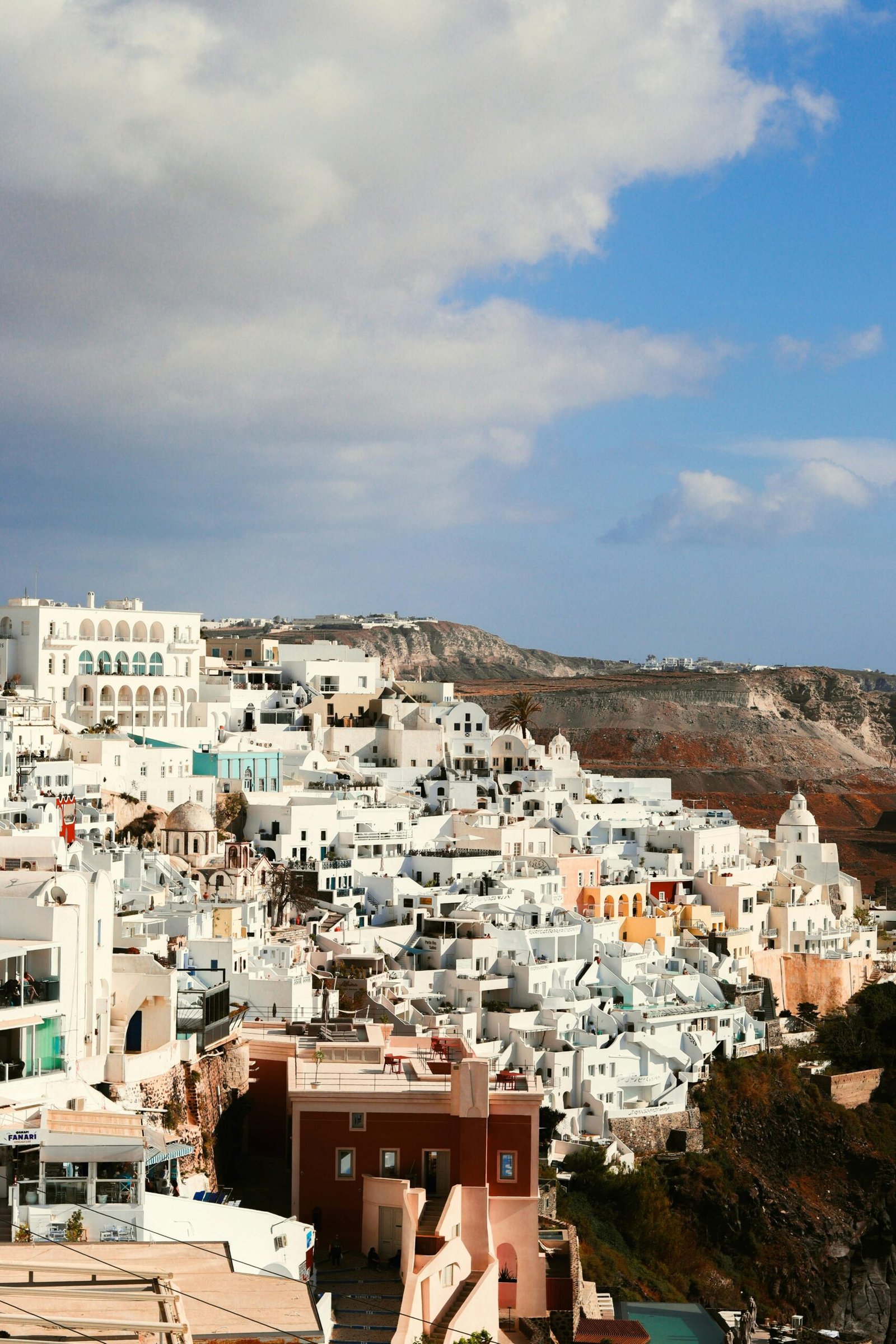
Why Santorini Feels Smaller, Pricier, and More Complicated Than You Think
Why Santorini Feels Smaller, Pricier, and More Complicated Than You Think in real life
Santorini is physically small, and that matters more than most travelers realize. Once you strip away the views and the brand value, you are left with a limited island where the same few areas absorb most of the demand, which is why rates climb fast and availability narrows in a way that surprises people used to larger Greek islands.
Most travelers assume Santorini is a broad luxury destination with many evenly good options. Actually, the island is a set of trade-offs: caldera views cost more, convenience often means noise and traffic, and the prettiest locations are rarely the easiest places to stay if you care about calm, privacy, or simple logistics.
This is where the trip gets more complicated than people expect. A bad hotel choice does not just mean a less attractive room; it can mean extra friction every day, more time spent moving around, and a constant sense that you are paying premium prices for inconvenience.
When Santorini is the right choice, and when it is not
Choose Santorini if you want dramatic scenery, strong dining, and a destination that feels polished enough for a short, high-intensity stay. It works best for couples, design-focused travelers, and people who are comfortable paying more for a concentrated experience rather than a broad island escape.
Do not choose Santorini if your main goal is space, quiet value, or an easy beach holiday. Travelers who want long sandy beaches, low-friction village life, or a relaxed pace often leave feeling they paid a lot to manage crowds and schedules instead of actually relaxing.
I take a clear position here: Santorini is a better short-stay island than a casual long-stay one. The longer you stay, the more the limitations become visible, especially if you are not using the island as a base for a very specific kind of trip.
What most travelers assume, but actually get wrong
Most travelers assume the island is small enough that everything feels close and easy. In practice, small islands can be harder, not easier, because demand concentrates in the same few places and the premium zones are not built for everyone to move through comfortably at the same time.
Most travelers also assume the expensive part is the room rate. The real cost is the cumulative friction: paying more for a location that still requires compromises, spending extra to avoid bad timing, and losing time when your expectations are built around a simpler island experience than Santorini actually offers.
If you want the official context for how Greece manages tourism, heritage, and visitor pressure across the country, start with
VisitGreece. Santorini is one of those places where the national tourism message and the on-the-ground reality are both true, but they are not the same thing.
Trade-offs by traveler type, season, and style
Santorini behaves differently depending on who is visiting and when. A couple on a short luxury break can accept a lot of friction if the hotel delivers the right view and privacy. A family, a first-time Greece traveler, or anyone expecting easy beach access will feel the island’s constraints much faster.
- Couples: Best fit if the trip is about atmosphere, dining, and a curated stay.
- Families: Often a poor value unless the hotel and pace are chosen carefully.
- Luxury travelers: Worth it if you are paying for location discipline, not just a famous address.
- Budget travelers: Usually better off choosing a different island unless they are very flexible.
- Shoulder season visitors: Get a better balance of atmosphere and sanity, but weather and service rhythm can be less predictable.
Season changes the island more than many people expect. Peak summer magnifies every weakness: higher prices, more crowd pressure, more stress around the most famous viewpoints, and less tolerance for weak hotel placement. Shoulder season is often the smart move because it reduces the sense that you are competing for space everywhere you go.
For travelers who care about the broader cultural setting and want to understand how Greek destinations are framed beyond the postcard version, the Hellenic Ministry of Culture is worth a look. Santorini is not just a scenic stop; it is a heavily interpreted destination, and that affects how it is experienced.
Where the money goes, and why the island feels expensive
Santorini feels pricier because the island sells scarcity. View-heavy rooms, desirable locations, and convenience all come at a premium, and the market knows that many visitors will pay to reduce uncertainty once they are there.
That is why two travelers can spend very different amounts and still end up with very different experiences. The person who pays less may save money but absorb more friction. The person who pays more may get a smoother stay, but only if the location and room category are chosen with discipline rather than emotion.
What travelers underestimate is that value on Santorini is not about the headline rate. It is about how much annoyance you are buying out of your trip, and that calculation changes fast once the island is busy.
Decision logic: who should book Santorini, and who should skip it
Book Santorini if your trip is short, your budget is realistic, and you want a destination with a strong visual identity and a high level of polish. It is a good fit if you are comfortable paying for convenience in very specific places rather than expecting the whole island to feel easy.
Skip Santorini if you want a relaxed Greek island with room to wander and little pressure to plan around peak-hour movement. People who dislike crowds, hate paying for views, or want a more forgiving overall value proposition usually enjoy other islands more.
Most travelers think the question is whether Santorini is worth visiting. The better question is whether Santorini is worth visiting in the way you personally travel. That is the difference between a trip that feels sharp and efficient, and one that feels overmanaged from the moment you arrive.
Clear guidance for the most common traveler scenarios
If you are a first-timer looking for a glamorous one-time Greece experience, Santorini can be a strong choice if you keep the stay short and the expectations disciplined. If you are chasing easy beach time, broad value, or a laid-back island rhythm, choose elsewhere and save yourself the frustration.
If you are a couple planning a special occasion, Santorini works best when the hotel choice is treated as the main decision, not an afterthought. If you are traveling in peak summer and dislike crowds, the island will test your patience quickly and make even expensive choices feel less satisfying than they should.
Why Santorini Feels Smaller, Pricier, and More Complicated Than You Think is not a warning to avoid the island. It is a reminder that Santorini rewards travelers who make decisions with clear eyes, not travelers who assume the brand name will do the work for them.
Greece has a way of rewarding travelers who ask the right questions before they arrive. The travelers who leave disappointed usually asked the wrong ones — or didn’t ask at all.
Recommended experiences
Some experiences mentioned here are curated and managed by Elite Greece Travels.
- Athens Milos Santorini Itinerary 9 Days — Itinerary (managed by Elite Greece Travels).
- Greece 7 Day Itinerary Athens Delphi Meteora Santorini — Itinerary (managed by Elite Greece Travels).
- Santorini Sunset Cruise With Dinner In The Caldera — Cruise (managed by Elite Greece Travels).
Frequently asked questions
Is Santorini worth it for first-time visitors to Greece?
Yes, if you want a concentrated, high-impact stay and you accept that the island is more expensive and more managed than most first-timers expect. No, if you want a relaxed introduction to Greece with easier value and less crowd pressure.
Why does Santorini feel so expensive?
Because the island monetizes scarcity: the best views, the most convenient locations, and the most comfortable stays are limited, so prices rise fast. You are paying not just for the room, but for reduced friction.
Is Santorini actually small?
Yes, and that small size is part of the problem. It concentrates demand into a few heavily sought-after areas, which makes the island feel busier, pricier, and less flexible than travelers expect.
What type of traveler enjoys Santorini most?
Couples, design-focused travelers, and people on a short luxury break usually get the most out of it. Travelers who want space, quiet, and easy value often do better elsewhere.
Is Santorini good in peak summer?
It can be, but peak summer is when the island’s weaknesses are most visible. Crowds, pricing, and movement pressure all intensify, so the trip feels more managed and less relaxed.
What is the biggest mistake travelers make with Santorini?
They treat the island like a simple beach destination and choose accommodation without enough attention to location. On Santorini, the wrong hotel choice can shape the whole trip.