

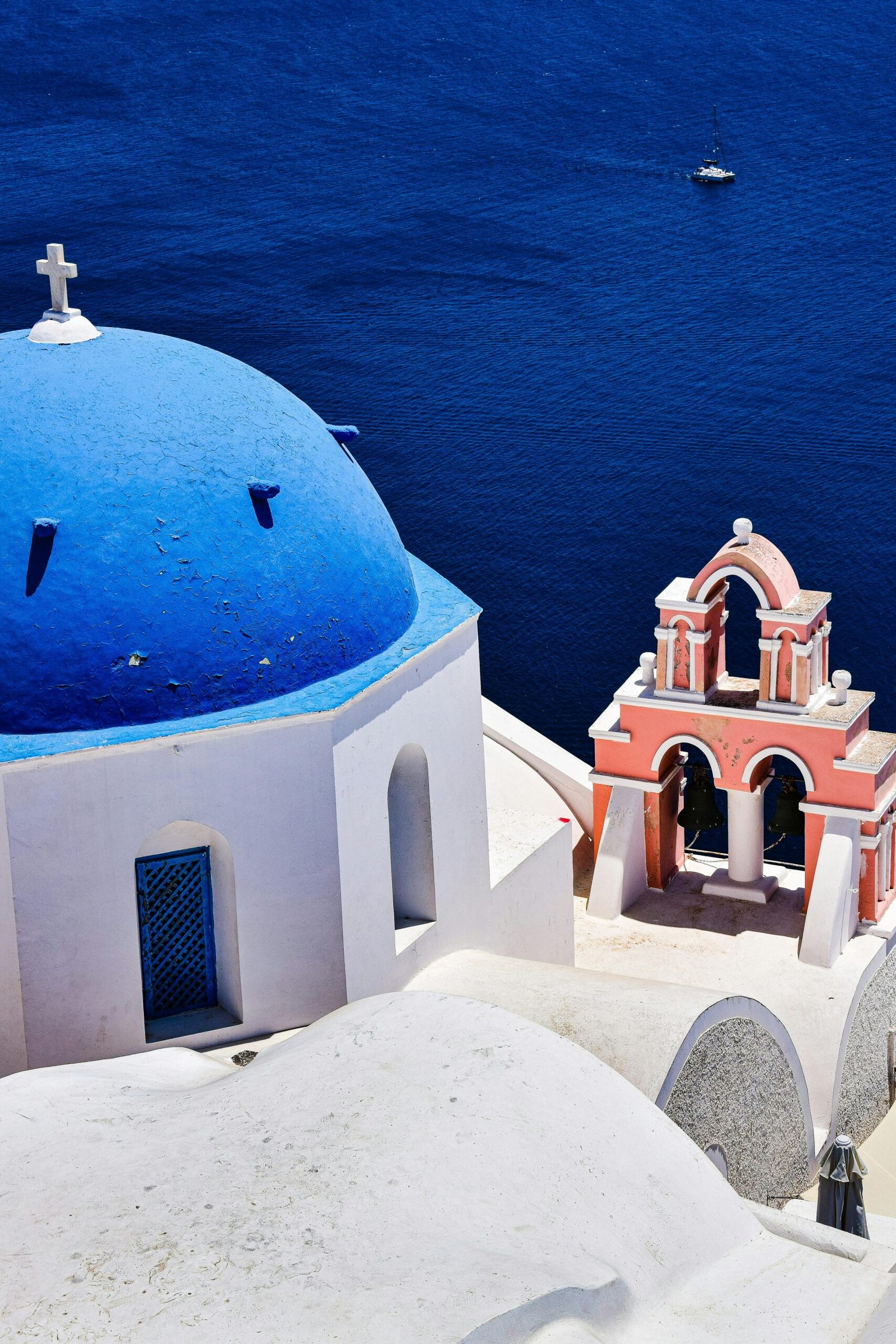
Why Most First-Timers to Santorini Leave Slightly Disappointed is usually not a problem of the island itself — it is a problem of expectation management. Most visitors arrive carrying an image built from photos, proposals, and short clips, then try to fit a real place into that image during the busiest weeks of the year.
The result is rarely disaster. It is something more common and more annoying: a feeling that the trip was good, but not as good as it was supposed to be. That gap is worth understanding before you book, because it shapes almost every complaint people have about Santorini.
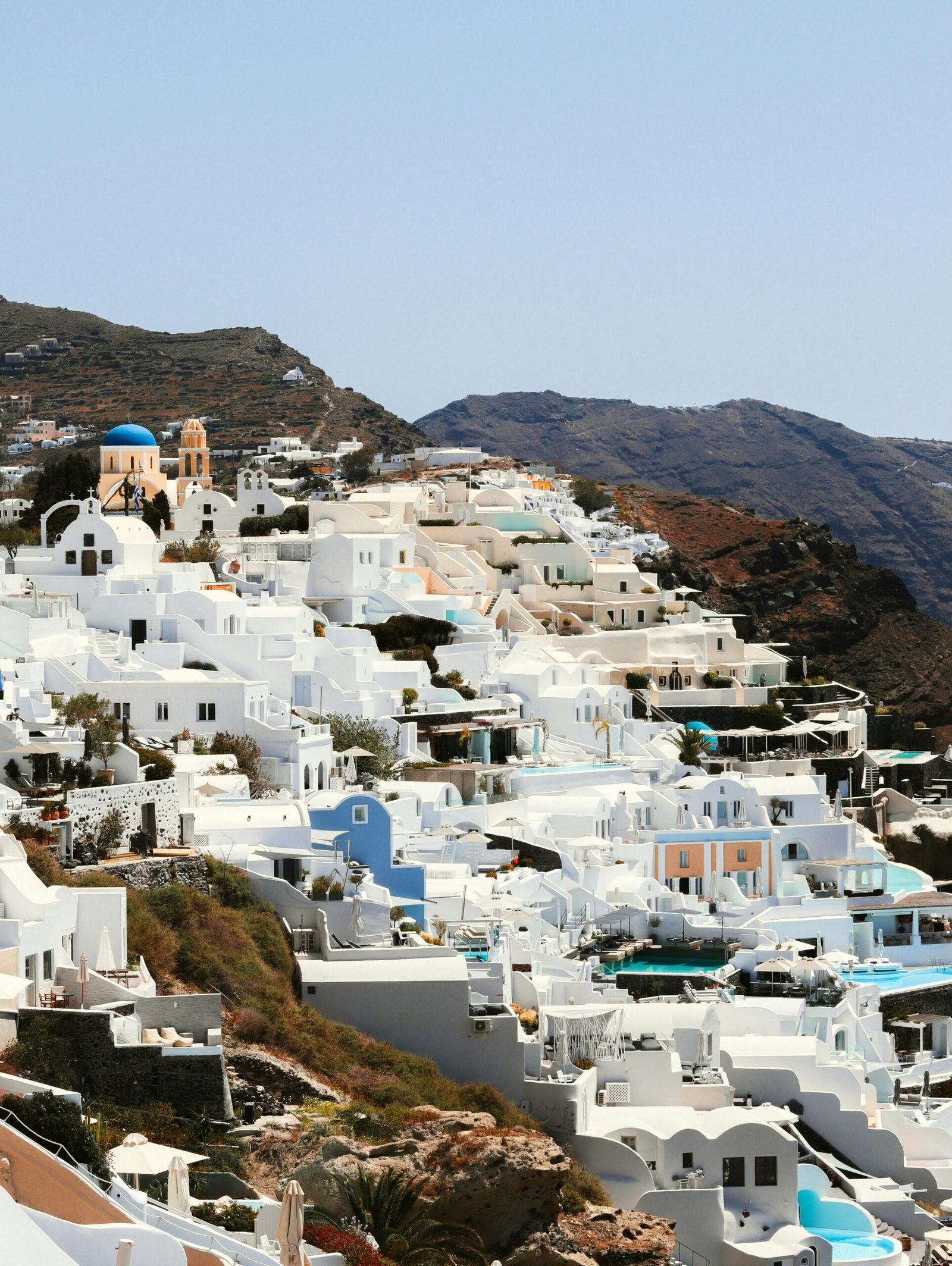
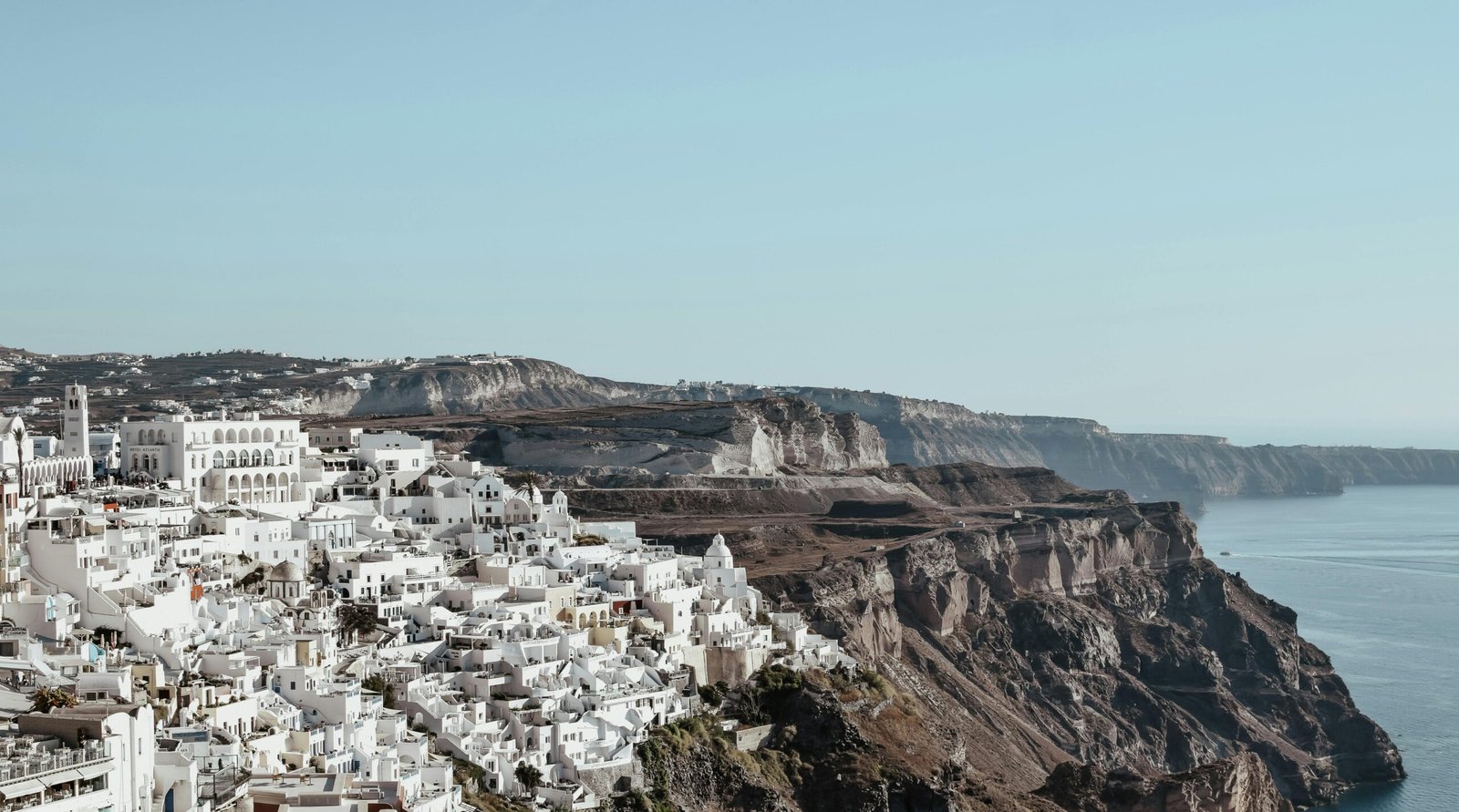
Why Most First-Timers to Santorini Leave Slightly Disappointed
The psychological trap behind Why Most First-Timers to Santorini Leave Slightly Disappointed
The core mistake is not choosing Santorini. It is choosing Santorini for the feeling you think it will deliver: effortless romance, clean visual drama, and a sense that everything there will be worth the money and the crowds. People are not just buying a destination; they are buying a version of themselves in that destination.
That is why disappointment lands so hard. When a place has been mentally pre-edited into a highlight reel, normal friction feels like betrayal. A crowded viewpoint, a long wait for a table, or a room that looks smaller than the photos can produce a stronger emotional reaction than the inconvenience itself deserves.
Why Most First-Timers to Santorini Leave Slightly Disappointed is really a story about projection. Travelers often arrive wanting the island to confirm a decision they already made emotionally, before they checked the practical reality.
What travelers expect versus what peak season actually gives them
People expect Santorini to feel exclusive, relaxed, and visually controlled. In peak season, it often feels managed, busy, and expensive in a way that is hard to ignore. The island still delivers the caldera views, but the experience around those views can feel compressed and transactional.
This is where the emotional gap opens. Travelers imagine a place that will slow them down; peak season often does the opposite. You are not just sharing space with other visitors — you are sharing attention, which is what most people actually came for.
Here is the counterintuitive part: many first-timers are less disappointed by the crowds than by how ordinary some parts of the trip feel. Santorini is famous for its image, but a lot of a real visit is logistics, waiting, and paying premium prices for things that are merely fine. That mismatch is the engine behind Why Most First-Timers to Santorini Leave Slightly Disappointed.
The moment disappointment usually hits
For most first-timers, the letdown does not arrive all at once. It usually hits when the island stops being a backdrop and starts behaving like a busy destination with limited capacity. The first real crack is often the moment they realize the view they came for is shared by hundreds of other people at the same time.
That is when the fantasy shifts. The traveler expected a private-feeling experience and instead gets a public one, with noise, queues, and constant movement. If they are already tired, hot, or overbudget, the emotional reaction gets sharper fast.
Why Most First-Timers to Santorini Leave Slightly Disappointed is often written in that one moment of recognition: this is beautiful, but it is not easy, and it is not especially personal.
Who is most prone to this pattern
The most vulnerable travelers are not the inexperienced ones. They are the highly visual planners, the proposal-and-anniversary crowd, and anyone who has built the trip around one perfect emotional outcome. They are also the people who dislike friction but underestimate how much friction peak-season Santorini creates.
Luxury travelers can be just as exposed as budget travelers. In fact, they sometimes get hit harder, because they expect higher service consistency and more breathing room for the price. When that does not materialize, the disappointment is not about money alone; it is about feeling that the island did not respect the premium they paid.
- Travelers chasing a “bucket list” moment
- Couples expecting privacy without paying for it explicitly
- First-time Greece visitors who want one island to do everything
- People who book based on visuals rather than seasonality
Why Most First-Timers to Santorini Leave Slightly Disappointed is especially relevant to these groups because their baseline expectation is already emotionally loaded.
Why Santorini in peak season creates a worse emotional experience
Peak season does not just add crowds. It changes the psychology of the visit. People become more protective of their time, more alert to value, and less tolerant of small failures. A place that would feel acceptable in a quieter month can feel overworked when every basic decision has a line, a premium, or both attached to it.
There is also a social comparison effect. Santorini is one of the most photographed places in Greece, so first-timers often measure their experience against other people’s best moments. That is a bad way to travel anywhere, and it is a particularly bad way to travel here.
For official context on Greek cultural destinations and visitor planning, some travelers start with
Visit Greece. The useful part is not the marketing; it is understanding that the island’s popularity is not a side issue. It is the central fact that shapes the whole experience.
The assumption that causes the real problem
The wrong assumption is that a famous place will automatically produce a better feeling than a less famous one. That is not how travel works. Fame brings access, pressure, and expectation, and those things can erode enjoyment faster than people admit.
My clear position: if your main goal is emotional ease, Santorini in peak season is not the safest choice. It can still be worth visiting, but only if you accept that the island’s value is concentrated and uneven. The view may be extraordinary; the day-to-day experience often is not.
Why Most First-Timers to Santorini Leave Slightly Disappointed is a warning, not a verdict. The trip fails when travelers confuse visual intensity with overall satisfaction.
What a better approach looks like
The better approach is to stop asking whether Santorini lives up to the image and start asking what kind of trip the island is actually good at delivering. It is strongest when the traveler wants a short, focused, high-impact stay and is comfortable paying for convenience, timing, and patience. It is weakest when the traveler wants effortless romance at a reasonable price in the busiest part of the year.
This is where Greece rewards travelers who arrive with a plan, but only once. The real value is not in over-engineering every detail; it is in matching the destination to the emotional job you want it to do. If you want calm, space, and easy movement, Santorini may not be the right island for that role in peak season.
If you are still deciding whether the island fits your trip, the smartest next step is not reading more praise. It is comparing Santorini against the specific feeling you want from Greece, and being honest about whether you are chasing the image or the experience. For broader cultural context, some travelers also consult the Hellenic Ministry of Culture when they want a less filtered view of what Greece is actually preserving and presenting.
Conclusion
Why Most First-Timers to Santorini Leave Slightly Disappointed is not about a flawed island. It is about travelers arriving with an emotional script that peak season cannot support. Santorini is best appreciated when you understand its limits before you pay for them.
Greece doesn’t punish inexperience. It punishes unexamined assumptions. The travelers who leave disappointed rarely lacked information — they lacked a framework for using it.
Frequently asked questions
Why do first-time visitors to Santorini often feel underwhelmed?
Because they arrive expecting a seamless romantic experience and instead find a busy, expensive island where the famous views are only part of the reality. The emotional letdown usually comes from the gap between the image and the day-to-day experience.
Is Santorini bad for first-time visitors?
No. It is bad only for first-timers who expect it to be easy, private, and low-friction in peak season. If you understand what the island is and what it is not, it can still be a strong choice.
What is the biggest mistake people make when planning Santorini?
They plan around photos instead of seasonality and crowd pressure. That creates unrealistic expectations about space, pace, and value.
Which travelers are most likely to be disappointed in Santorini?
People chasing a bucket-list feeling, couples expecting privacy without paying for it, and travelers who dislike crowds but book the busiest months anyway. Luxury travelers can be disappointed too when they expect premium pricing to guarantee a premium experience.
Does peak season change the experience that much?
Yes. Peak season changes how the island feels emotionally, not just how crowded it is. The same view can feel very different when every part of the visit requires patience and higher spending.
How should I think about Santorini if I still want to go?
Treat it as a high-impact destination, not a low-effort one. Go in with a clear idea of what kind of experience you want from Greece, and make sure Santorini is actually suited to that job.