

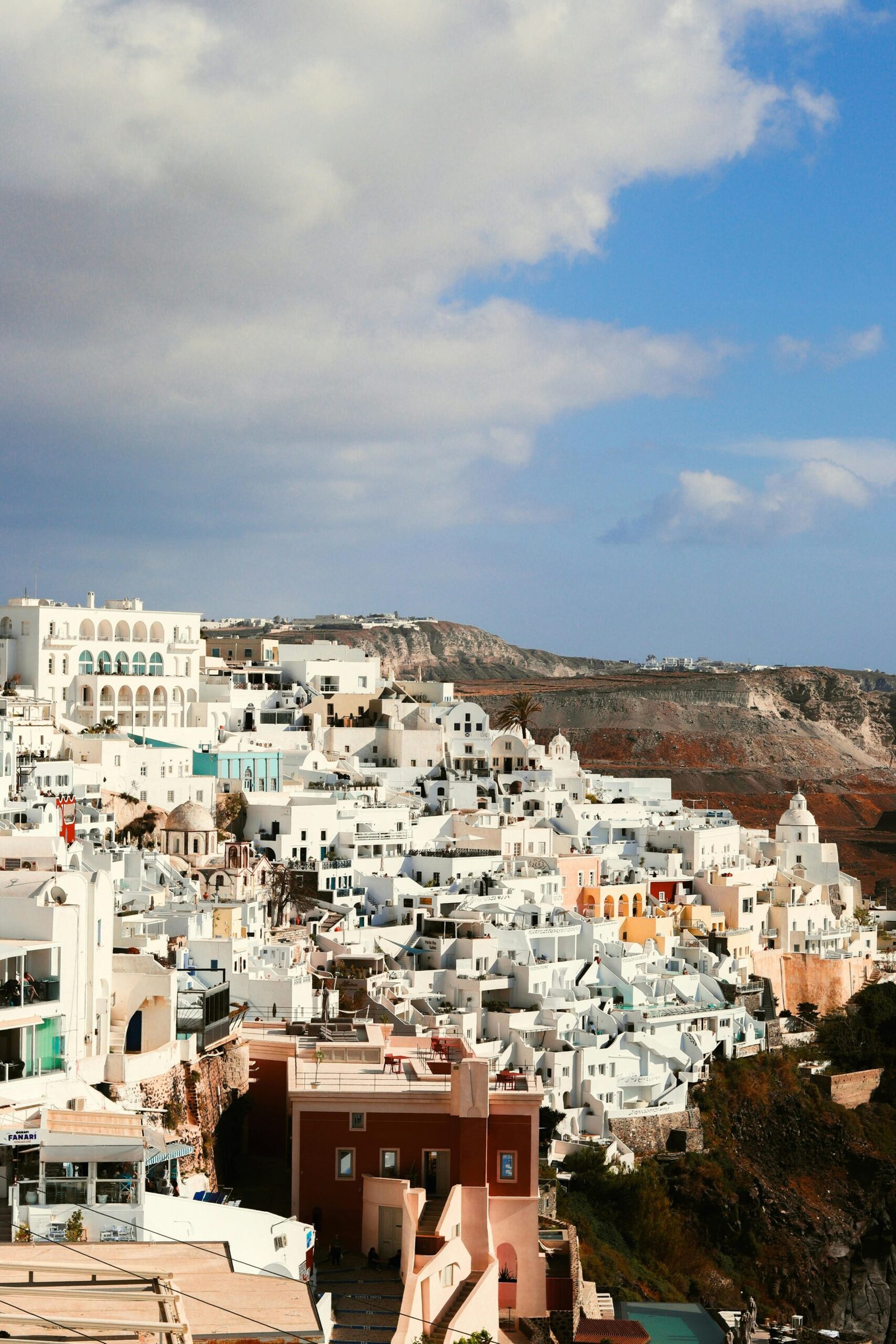
Why Most First-Timers to Santorini Leave Slightly Disappointed usually starts with a simple psychological mistake: people arrive expecting the island to feel like the image they have already seen a hundred times. They are not choosing Santorini for what it is; they are choosing it because they want the feeling attached to it.
That is a fragile way to plan any Greece trip, and Santorini punishes it more than most places. The island is real, expensive, busy, and heavily edited in the public imagination, which means the gap between expectation and experience opens fast, especially in peak season.
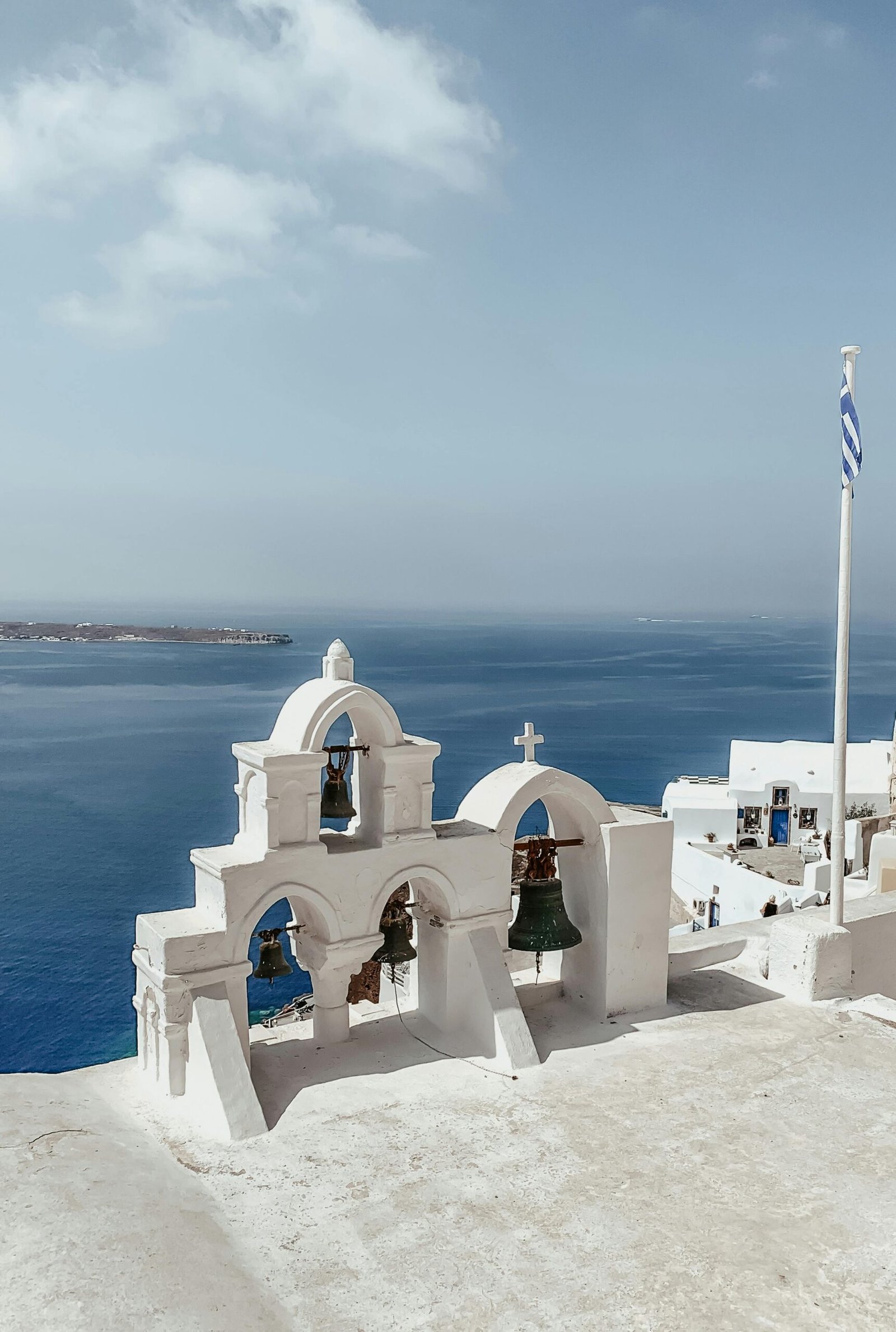
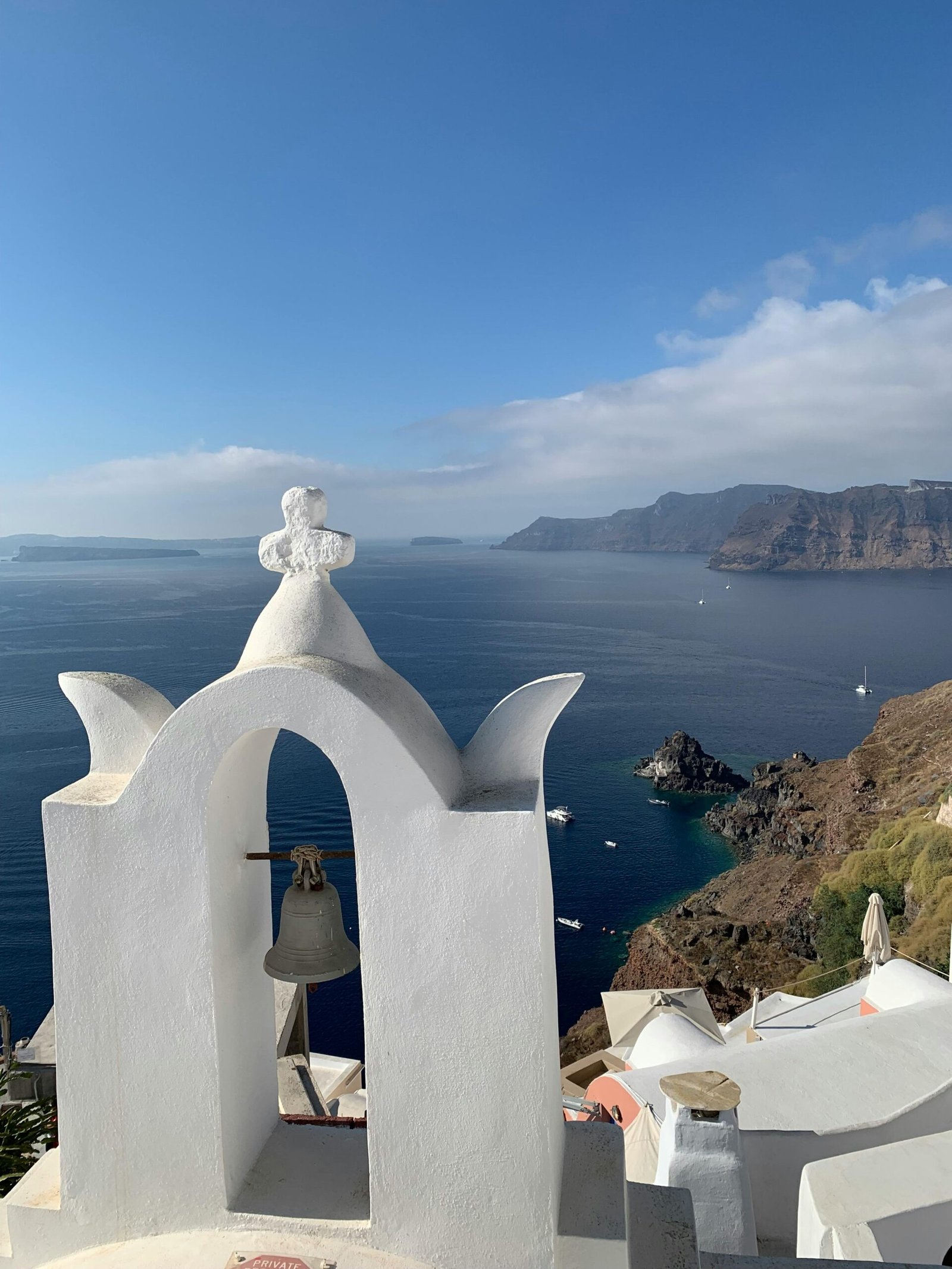
Why Most First-Timers to Santorini Leave Slightly Disappointed
The core problem is not that Santorini is overrated. The problem is that first-timers often use it as a container for multiple fantasies at once: romance, exclusivity, ease, and visual perfection. That is too much pressure for any destination, and Santorini is especially bad at absorbing those expectations without friction.
Why Most First-Timers to Santorini Leave Slightly Disappointed is not a mystery to operators. It is a predictable mismatch between what travelers think they are buying and what peak-season Santorini actually delivers: congestion, high prices, intense heat, and a constant sense that you are sharing the island with everyone else who had the same idea.
The psychology behind Why Most First-Timers to Santorini Leave Slightly Disappointed
People do not choose Santorini only because they want a Greek island. They choose it because they want a socially legible trip: one that signals taste, romance, and having “done” Greece properly. That matters more than most travelers admit, and it creates pressure to make the experience match the image they have already posted in their head.
The emotional trap is simple. If you have spent months seeing the same blue-dome, caldera-view, sunset-content loop, you stop evaluating the island as a place and start evaluating it against a promise. Once that happens, every queue, every crowd, and every inflated price feels like a betrayal instead of a normal trade-off.
This is why Why Most First-Timers to Santorini Leave Slightly Disappointed is really a lesson in expectation management, not destination quality. The island is not failing; the fantasy is overfitted.
What travelers expect vs what they actually experience
Most first-timers expect a polished, effortless, intimate experience. They imagine quiet terraces, easy movement, and enough space to feel special without trying. What they usually get in peak season is a compressed, high-demand destination where everything looks curated from a distance and crowded up close.
The biggest surprise is not the number of people. It is the amount of time spent waiting for the island to “become” the version they came for. That moment never fully arrives if your benchmark is a filtered image and your travel dates put you in the thick of summer pressure.
There is also a practical emotional cost to overpaying. Once travelers notice that they are spending heavily while dealing with friction, they become more sensitive to every inconvenience. A minor annoyance on another island becomes a major disappointment here because the price tag has already raised the stakes.
The moment the disappointment usually hits
It usually hits when the day’s emotional peak does not match the effort required to get there. Travelers have built the whole trip around one sunset, one terrace, one viewpoint, one dinner, and then they discover they are sharing that exact moment with dozens of other people doing the same thing.
That is the moment the fantasy breaks. Not because the view is bad, but because the experience feels managed, crowded, and slightly transactional. People realize they are watching Santorini rather than inhabiting it.
Another common trigger is the first real comparison with the rest of Greece. If Santorini is your first island, you may assume all Greek islands work the same way. They do not. Some are more relaxed, more local, and less expensive, which makes Santorini’s intensity feel even sharper by contrast.
The traveler types most prone to this pattern
Couples on a once-in-a-decade romance trip are the most vulnerable. They want the island to validate the emotional meaning of the trip, which makes any friction feel personal. When an island is carrying that much symbolic weight, even a good experience can feel underwhelming.
First-time Greece visitors are another high-risk group. They often assume Santorini is the natural starting point because it is the most recognizable name. That is a branding decision, not a strategic one, and branding is a poor substitute for fit.
There is also a specific type of traveler who gets hit hard: the person who wants luxury but not inconvenience. Santorini can deliver serious comfort in the right context, but it does not remove the island’s underlying pressure. If someone expects premium service to erase seasonality, crowds, and price inflation, disappointment is almost guaranteed.
- Travelers chasing a “bucket list” image more than a destination fit
- Couples expecting privacy in peak months
- First-time Greece visitors using Santorini as the default starting point
- Travelers who equate spending more with getting a calmer experience
Why peak season makes the gap worse
Peak season does not just make Santorini busier. It changes the emotional tone of the island. Staff are stretched, prices are elevated, and every shared viewpoint feels more competitive because everyone is trying to extract the same experience from the same small set of iconic places.
This is why Why Most First-Timers to Santorini Leave Slightly Disappointed is so often a season problem disguised as a destination problem. The island in July and August is not the same psychological experience as the island in a quieter period, and too many travelers ignore that distinction until they are already there.
Visit Greece gives the official broad picture, but the real issue is narrower: peak season compresses the island’s advantages and exaggerates its flaws. If you are already prone to comparison, crowd fatigue, or romantic overexpectation, summer Santorini will expose that fast.
The counterintuitive truth most people miss
Here is the surprising part: the travelers who enjoy Santorini most are often not the ones who care most about the famous view. They are the ones who accept that the island is partly a performance, then plan around that reality instead of fighting it. They stop asking Santorini to be private, easy, and undiscovered all at once.
That sounds less romantic, but it is more honest. Santorini works better when you treat it as a high-demand destination with real strengths, not as a guarantee of emotional payoff. The disappointment usually comes from asking it to do a job it was never built to do.
This is also where Greece travel gets misunderstood in general. The country is full of places that reward slower, less image-driven decision-making, and Santorini is not the best place to learn that lesson the hard way. If you want a broader sense of how different parts of the country actually work, the Ministry of Culture is a useful reminder that Greece is deeper than its most photographed corners.
What a better approach looks like
The better approach is not to lower your standards. It is to stop confusing a famous visual with a complete travel experience. If Santorini matters to you, go in with a precise reason: romance, architecture, caldera views, or a specific kind of celebratory trip.
Then accept the trade-offs openly. Peak-season crowds, premium pricing, and a more staged atmosphere are not side effects; they are part of the product. Greece doesn’t punish inexperience. It punishes unexamined assumptions. The travelers who leave disappointed rarely lacked information — they lacked a framework for using it.
Why Most First-Timers to Santorini Leave Slightly Disappointed is really a reminder to choose the island for what it can actually deliver, not for what the internet has trained you to feel about it. Once you do that, the trip becomes more stable, less performative, and far easier to enjoy on its own terms.
Greece doesn’t punish inexperience. It punishes unexamined assumptions. The travelers who leave disappointed rarely lacked information — they lacked a framework for using it.
Frequently asked questions
Why do first-time visitors feel let down by Santorini?
Because many arrive expecting a private, effortless, postcard-perfect experience, especially in peak season. Santorini is beautiful, but it is also crowded, expensive, and highly exposed to tourist pressure.
Is Santorini only disappointing in summer?
Summer makes the gap much worse because crowds, heat, and pricing all rise at the same time. The island can still work well, but the emotional experience is very different from what many first-timers imagine.
What kind of traveler enjoys Santorini the most?
Travelers who understand that it is a high-demand destination and plan around that reality. They are usually less attached to the fantasy of privacy and more focused on specific features like views, design, or a celebratory atmosphere.
Is Santorini a bad choice for a first Greece trip?
Not automatically, but it is a risky default choice. If your only reason is that it is famous, you are likely to overpay for a trip that feels more compressed than rewarding.
What is the biggest mistake first-timers make with Santorini?
They treat the island’s image as a promise. That creates disappointment the moment they encounter crowds, costs, or the operational reality of peak season.
How should I think about Santorini differently?
Treat it as a specific kind of destination with real trade-offs, not as the universal symbol of a Greek island trip. If you choose it for the right reasons, the experience is usually much better.