

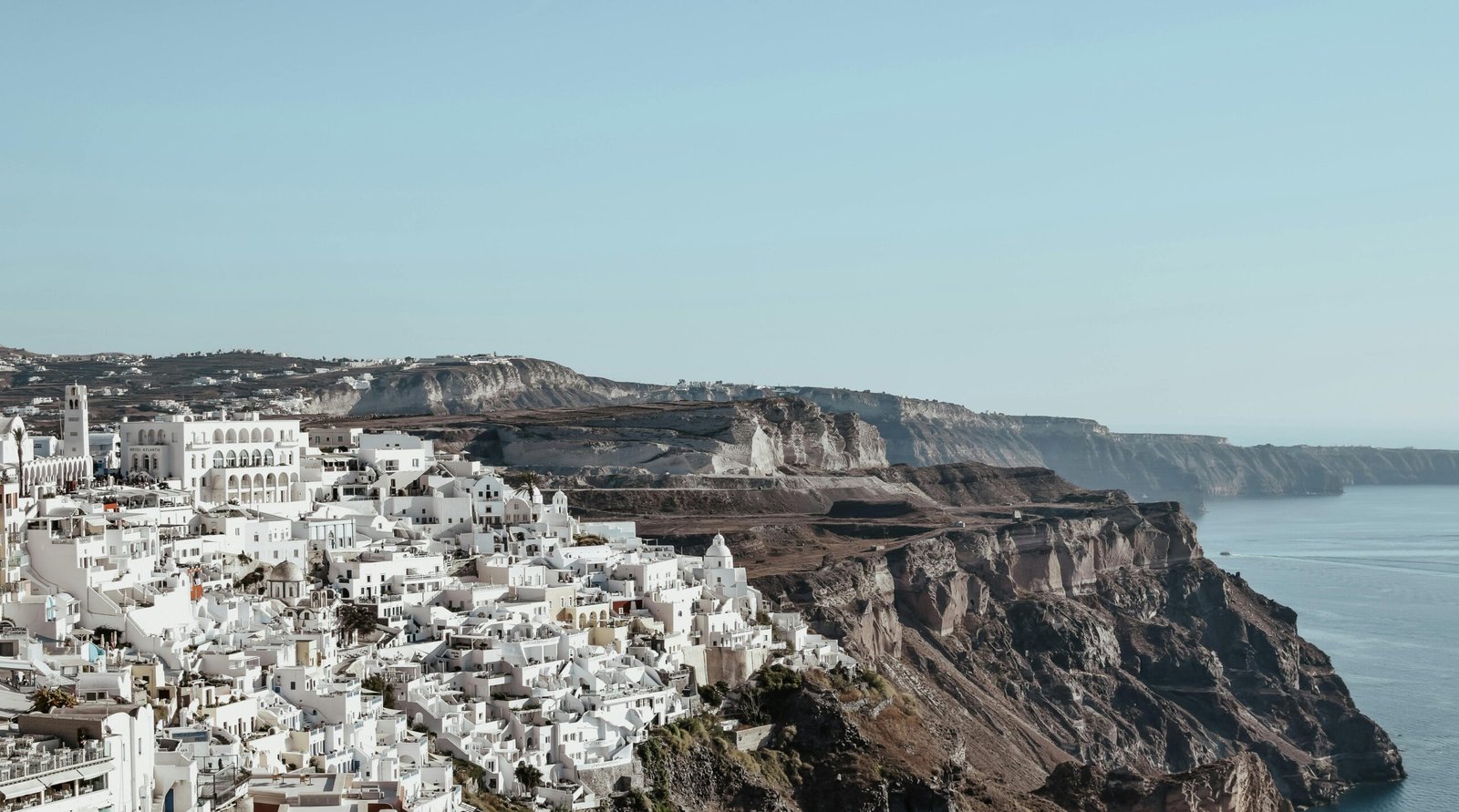
Why Most First-Timers to Santorini Leave Slightly Disappointed usually starts with a simple psychological mistake: people arrive expecting the island to perform the version they have already seen online. They are not just choosing a destination; they are choosing a feeling they think Santorini will reliably deliver.
That is where the trouble begins. Santorini is not disappointing because it is bad; it is disappointing because many first-timers bring an image that peak season cannot support, then mistake crowding, heat, and friction for a failure of the island itself.
Why Most First-Timers to Santorini Leave Slightly Disappointed
The real reason Santorini disappoints first-timers
The core mistake is projection. Travelers do not just want a trip to Santorini; they want confirmation that the expensive, heavily marketed version of Santorini is real and available to them in the exact way they imagined it. When the island is busy, loud, and operationally strained, that expectation collapses fast.
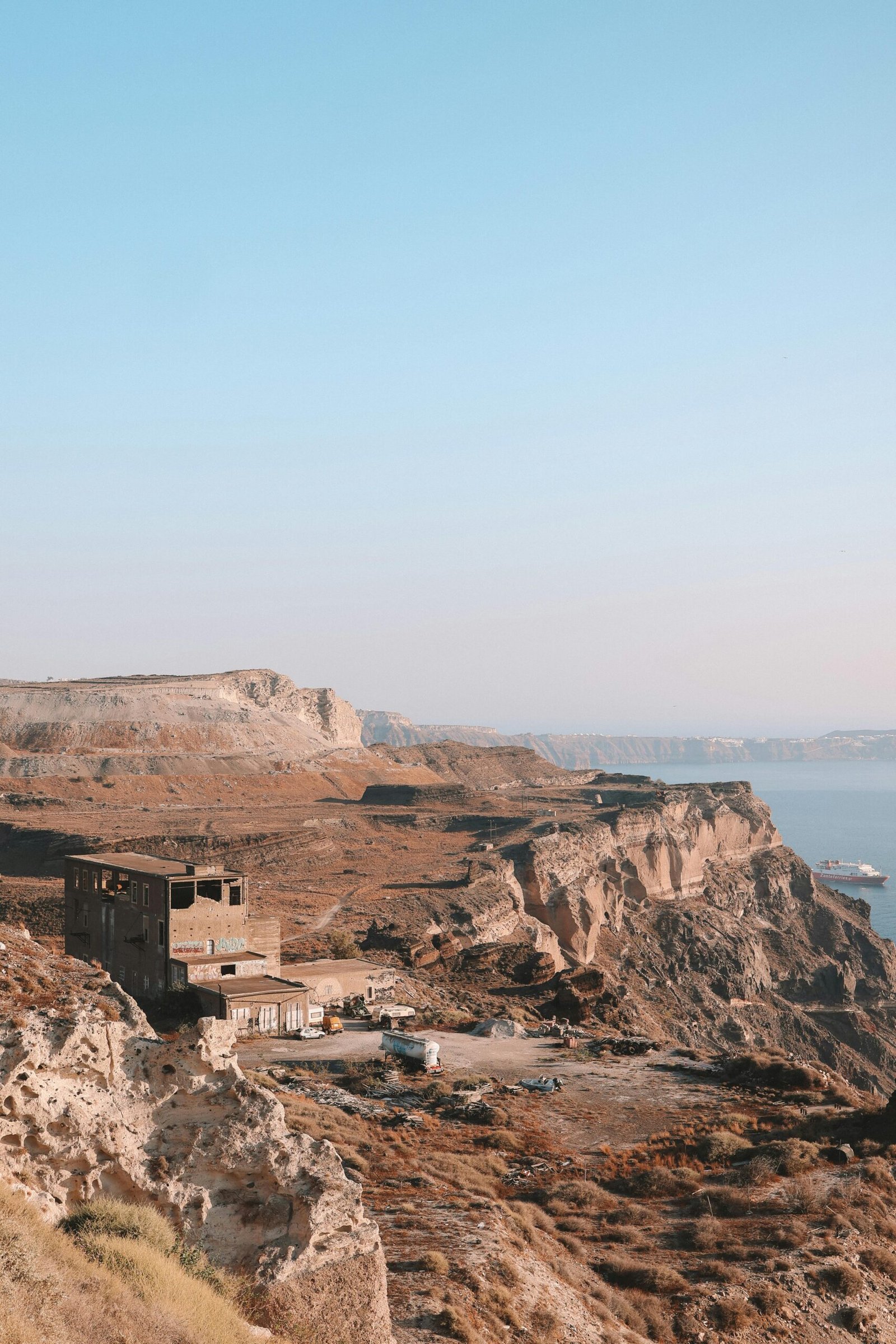
Why Most First-Timers to Santorini Leave Slightly Disappointed is not a mystery to anyone who works in Greece. The island is famous for a visual identity, and people assume that identity will dominate every hour of the day. In reality, the island has a working side, a crowded side, and a side that feels curated for consumption rather than lived experience.
That gap matters because disappointment is usually not about one bad moment. It is the accumulation of small corrections: the view is shared, the pace is slower than expected, the famous spots are busier than the photos suggest, and the atmosphere feels less intimate than the traveler had built up in their head.
Why travelers make this choice in the first place
People choose Santorini for emotional reasons before they choose it for practical ones. They want a milestone trip, a place that feels unmistakably Greek, and a destination that signals they have “done” Greece properly. That is a powerful driver, and it is also why the island attracts so many first-timers who are not actually looking for Santorini as it is.
There is also a status element that people rarely admit out loud. Santorini is one of the few Greek destinations that carries instant recognition, so travelers feel safer choosing it because they already know what it is supposed to look like. Familiarity feels like reduced risk, but in peak season it often creates the opposite: a very expensive version of crowd management.
Greece rewards travelers who arrive with a plan, but Santorini punishes people who confuse recognition with fit. If your main goal is to feel relaxed, unhurried, and locally grounded, Santorini in peak season is a poor match for that emotional brief.
The emotional gap between the image and the reality
What travelers expect is a clean, continuous experience of beauty and ease. What they actually get is a destination that requires patience, tolerance for crowds, and a willingness to accept that the island’s most famous areas are not private, quiet, or especially spontaneous in high season.
The surprising part is that many people are not disappointed by the scenery at all. They are disappointed by the feeling that they have to compete for it. Once a place becomes a shared spectacle, the emotional tone changes: you are no longer inside the scene, you are managing your place in it.
That is why Why Most First-Timers to Santorini Leave Slightly Disappointed is really a story about control. First-timers often want the island to validate the fantasy they brought with them, and Santorini is too busy, too exposed, and too heavily interpreted to do that consistently in peak months.
For travelers who want a broader sense of how Greece is presented versus how it actually works, the official tourism material at
Visit Greece is useful as a baseline, but it will never tell you where the emotional mismatch begins. That part comes from understanding how much of Santorini is a visual brand, not a private experience.
The moment disappointment usually hits
It usually hits when the traveler realizes the island is not going to become quiet just because they have arrived. That moment can come in a crowded viewpoint, at a restaurant where the setting is good but the service is stretched, or when the day feels more scheduled and managed than they expected.
Another common trigger is the first evening, when the fantasy of effortless romance meets the reality of shared space. People expect a sense of exclusivity and instead find themselves navigating queues, noise, and a lot of other travelers trying to capture the same scene at the same time.
That is the exact point where Why Most First-Timers to Santorini Leave Slightly Disappointed becomes personal. The traveler realizes the island is not failing; their assumption was too narrow. Santorini is not built to deliver uninterrupted intimacy in peak season, and pretending otherwise only sets people up for irritation.
Who is most prone to this pattern
First-time Greece visitors are the most vulnerable, especially if Santorini is their only island stop. They often have no reference point for what Greek islands actually feel like outside the marketing layer, so they treat the island as a standalone promise rather than one option among many.
Couples are another high-risk group, particularly those planning a milestone trip. They are often chasing a specific emotional outcome: romance, privacy, and a sense of being somewhere exceptional. Santorini can deliver pieces of that, but in peak season it also delivers crowds, price pressure, and a lot of shared attention.
Travelers who are highly image-driven also struggle. If the trip is being measured against social media expectations, every ordinary friction feels like a failure. That is not a Santorini problem alone, but Santorini magnifies it because the island is already overrepresented by a polished visual story.
- First-time Greece visitors who have never been to the islands before
- Couples expecting privacy and a seamless romantic atmosphere
- Travelers who choose destinations mainly from photos and short-form video
- People visiting in peak season who dislike crowds but underestimate them
What people consistently underestimate about peak season
They underestimate how much crowding changes the emotional texture of a place. A destination can still be beautiful and still feel disappointing if every movement requires negotiation. That is especially true in Santorini, where the visual payoff is obvious but the lived experience can feel compressed.
They also underestimate how much the island’s reputation inflates expectations. When a place is famous enough, travelers assume the experience will be uniformly elevated. In practice, fame creates pressure, and pressure creates friction in the very moments people hoped would feel effortless.
For a broader official context on Greek culture and heritage, the Ministry of Culture is a useful reference point. But culture is not the same as comfort, and Santorini’s cultural value does not erase the fact that peak-season visiting can feel crowded, expensive, and emotionally thinner than expected.
A better way to think about Santorini
The right frame is not “Will Santorini live up to the hype?” The better question is “What kind of experience am I actually trying to have, and is Santorini in peak season the right setting for that?” That shift sounds small, but it changes everything.
If you want spectacle, recognizability, and a destination that feels unmistakably famous, Santorini can still make sense. If you want calm, privacy, and a sense of discovery, then the island’s peak-season version is usually the wrong fit. That is the honest answer, and it saves people from blaming the destination for a mismatch they created themselves.
Why Most First-Timers to Santorini Leave Slightly Disappointed is not a warning to avoid the island. It is a warning to stop treating a heavily marketed place like a blank canvas for your own fantasy. Once you see that clearly, Santorini becomes easier to judge and much harder to misread.
Conclusion
Greece doesn’t punish inexperience. It punishes unexamined assumptions. The travelers who leave disappointed rarely lacked information — they lacked a framework for using it.
Frequently asked questions
Why do first-time visitors to Santorini often feel let down?
Because they expect the island to deliver a private, effortless version of the image they have seen online. In peak season, Santorini is more crowded, more managed, and less intimate than many first-timers assume.
Is Santorini actually overrated?
Not exactly. Santorini is famous for a reason, but fame creates inflated expectations. Travelers who want quiet, privacy, or a low-friction island experience often find the peak-season reality underwhelming.
What is the biggest mistake first-timers make in Santorini?
They confuse visual familiarity with emotional fit. Knowing what Santorini looks like is not the same as knowing whether it matches the kind of trip they actually want.
Which travelers are most likely to be disappointed?
Couples expecting romance without crowds, first-time Greece visitors, and travelers who choose destinations mainly from photos are the most vulnerable to disappointment.
Does visiting Santorini in peak season make a big difference?
Yes. Peak season changes the atmosphere materially. Crowds, heat, and pressure on services make the island feel less relaxed and less exclusive than many first-timers expect.
How should I think about Santorini differently?
Treat it as a famous, high-demand destination with real trade-offs, not as a guaranteed emotional experience. That mindset leads to better decisions and fewer letdowns.