

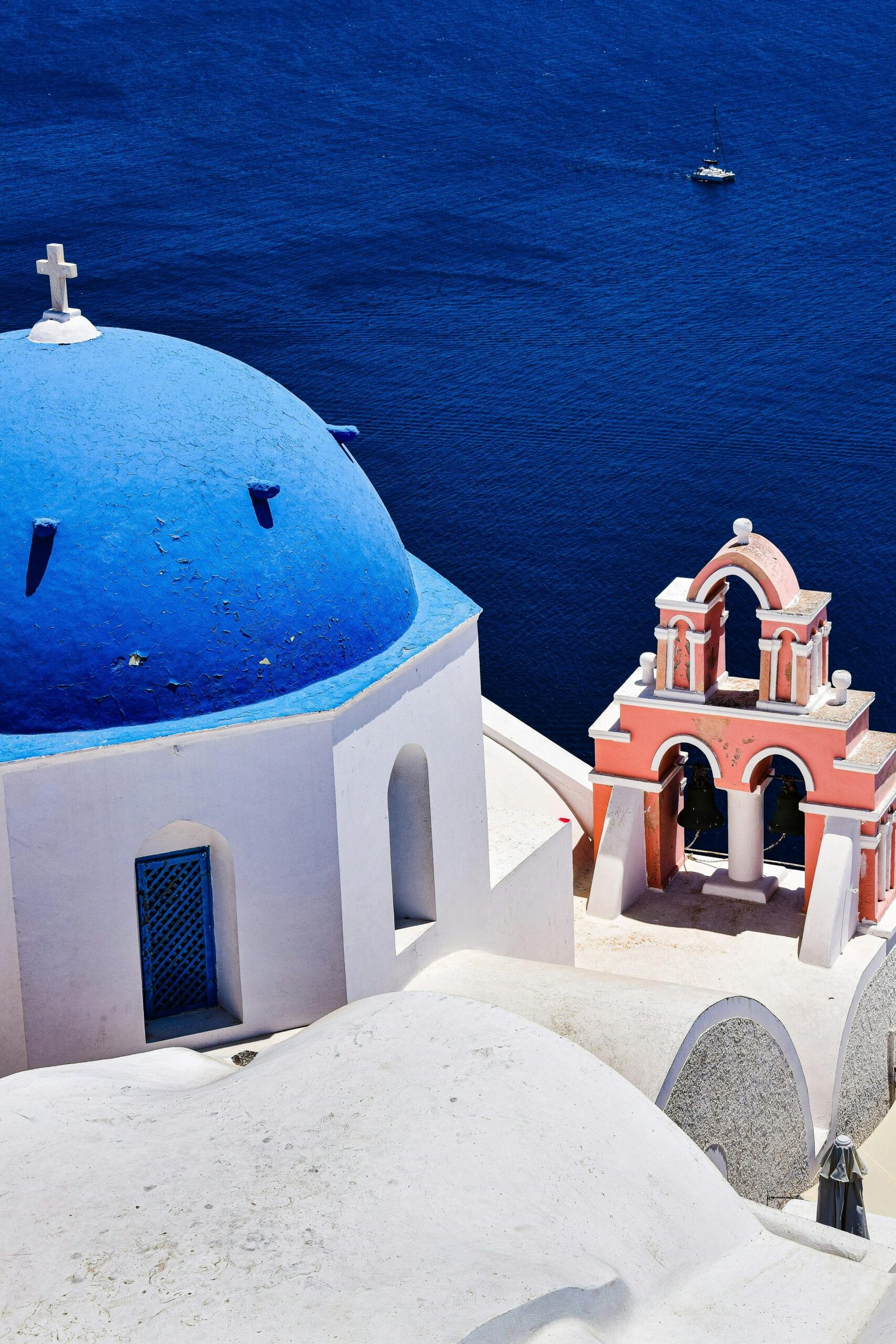
Why Most First-Timers to Santorini Leave Slightly Disappointed usually starts with one simple assumption: that the island will feel as special in person as it looks in photos. That assumption is understandable, and it is exactly why so many people arrive already carrying a script for what Santorini should feel like.
The problem is not that Santorini is overrated. The problem is that first-timers often confuse a visual destination with a comfortable one, especially in peak season. Once that gap opens, disappointment is usually less about the island itself and more about the expectations people brought with them.
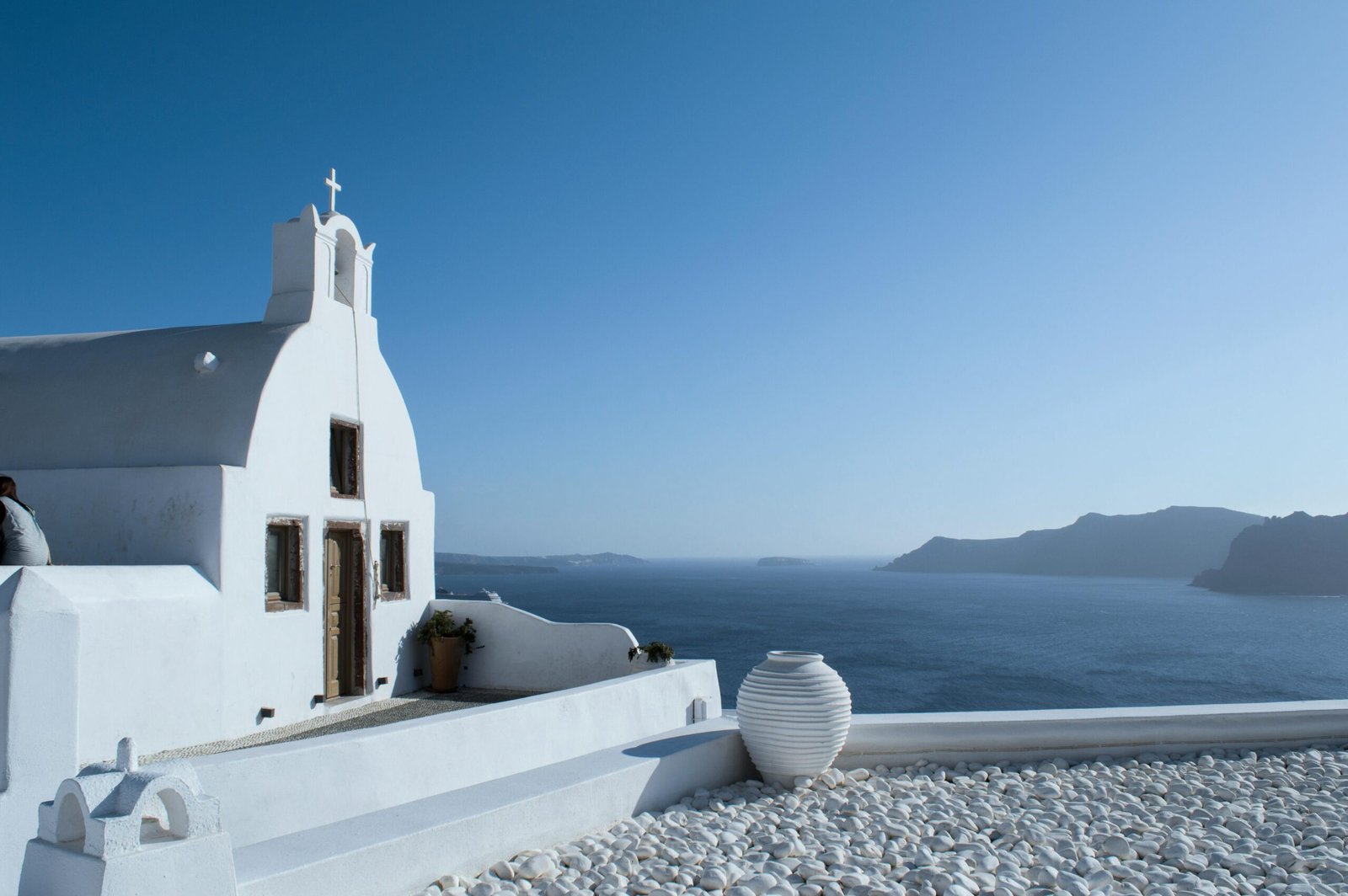
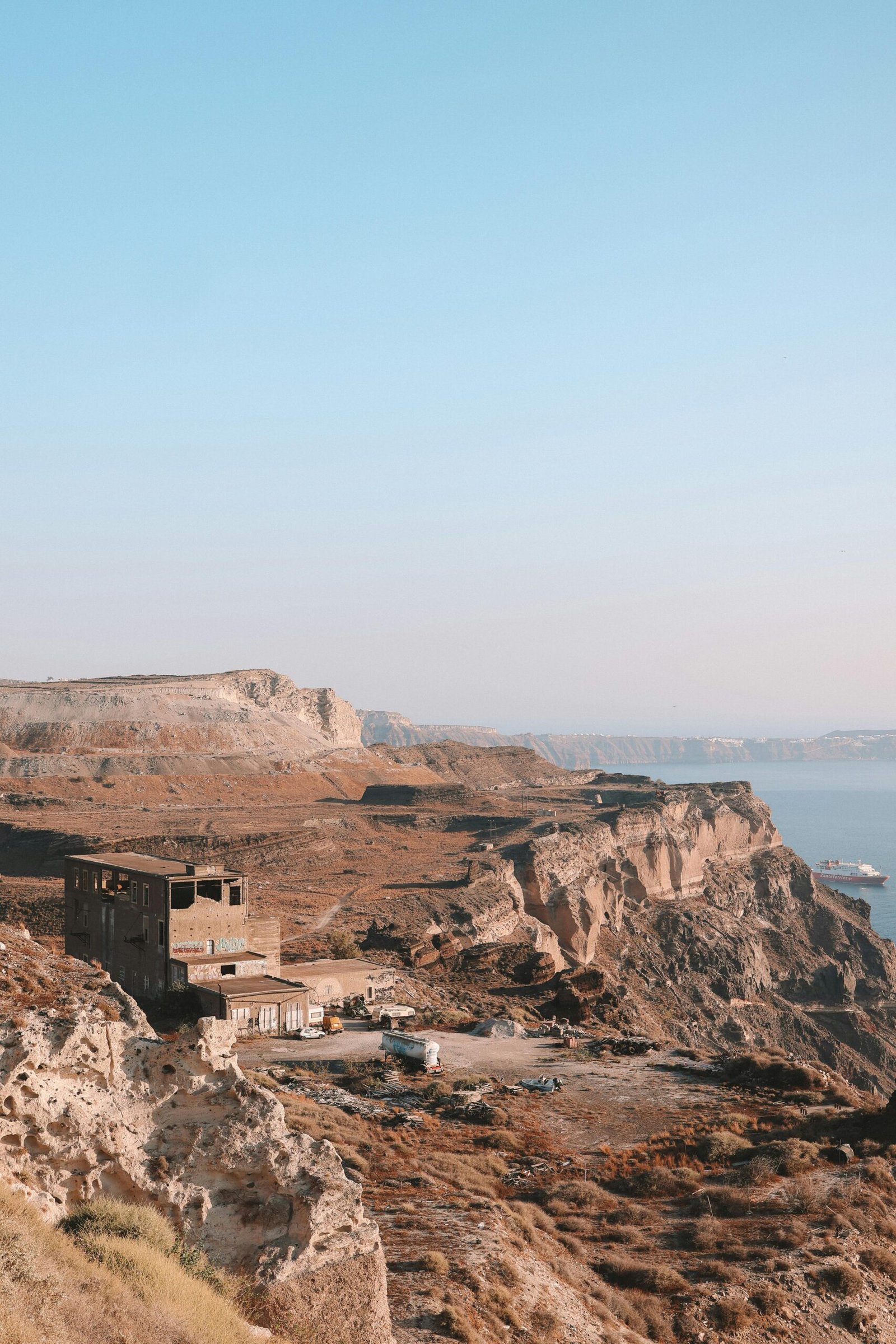
Why Most First-Timers to Santorini Leave Slightly Disappointed
The phrase Why Most First-Timers to Santorini Leave Slightly Disappointed sounds harsh until you watch it happen in real time. People are not usually upset because Santorini is bad; they are upset because it is different from the version they built in their head. That gap is emotional, not just practical.
Most first-time visitors are chasing a very specific feeling: ease, romance, and a sense that the island will deliver the exact experience they saw online. Santorini can deliver pieces of that, but it does not deliver them generously in peak season. The island is famous, expensive, crowded, and heavily managed around demand, which is not the same thing as relaxed.
The expectation problem behind Why Most First-Timers to Santorini Leave Slightly Disappointed
The core mistake is not choosing Santorini. The mistake is expecting a famous place to behave like a private one. First-timers often assume that paying more will buy calm, space, and frictionless beauty, and Santorini is one of the clearest examples of where that idea breaks down.
People also arrive with a social-media version of the island in mind: empty viewpoints, quiet terraces, and a constant sense of occasion. In reality, peak season Santorini is a high-demand destination where many of the most photographed areas feel busy, timed, and commercial. That does not ruin the trip, but it changes the emotional tone completely.
Why travelers make this choice in the first place
They choose Santorini because it feels safe. It is one of the few Greek islands that almost every traveler recognizes, which removes decision anxiety. For couples, honeymooners, and first-timers in particular, that familiarity feels reassuring when planning a trip to a country they do not know well.
There is also a status element people rarely admit out loud. Santorini signals that you picked the “right” island, the recognizable one, the one nobody questions. That matters more than many travelers want to admit, and it often overrides better-fit choices that would have made for a more satisfying trip.
One counterintuitive truth: many first-timers do not actually want Santorini the island. They want the feeling of having done Santorini correctly. That is a very different goal, and it is why so many people leave with good photos and a mild sense that something was missing.
The emotional gap between image and reality
Before the trip, Santorini is usually imagined as a place where every moment feels curated and effortless. After arrival, people discover that the island’s beauty comes with congestion, premium pricing, and a lot of waiting around for the parts they actually wanted to enjoy. That is the emotional gap: not disappointment in the scenery, but frustration with the conditions around it.
The island is also smaller and more exposed than many first-timers expect. That matters because once the novelty fades, the same compact geography that looks elegant in photos can start to feel limiting. If you are expecting a place with lots of variety, Santorini can feel repetitive faster than you expected.
For travelers comparing islands, the issue is often not quality but texture. Santorini is polished and highly processed for visitors, while other Greek destinations feel more lived-in and less managed. If you want to understand the broader context of Greek travel culture and destination realities, the official tourism resource at
Visit Greece is useful, but it will not change the fact that peak-season Santorini is built for demand, not ease.
The moment disappointment usually hits
The disappointment usually hits after the first wave of excitement, not on arrival. It often comes when the traveler realizes that the iconic view is not the whole experience, and that most of their day is spent navigating crowds, timing, and premium costs. That is when the island stops feeling like a fantasy and starts feeling like a product.
Another common trigger is the first meal or sunset window that feels more engineered than intimate. People expect a rare, personal experience and instead find themselves sharing it with a lot of other people who had the same idea. At that point, the issue is no longer the view; it is the loss of the feeling they came for.
There is a second, quieter moment too: when travelers realize they have built the trip around one image and not around how they actually like to spend time. Santorini is unforgiving to people who need variety, spontaneity, or a sense of local rhythm. It is one of the few places where a beautiful setting can still feel emotionally thin.
Who is most prone to this pattern
First, honeymooners and couples planning a once-in-a-lifetime trip. They are often the most vulnerable to disappointment because the emotional stakes are high. When the trip is supposed to feel meaningful, any friction feels bigger than it should.
Second, travelers who want “the best of Greece” but have done little homework beyond the images. They are usually not wrong to choose Santorini; they are just underestimating how much the island’s popularity shapes the experience. The result is a mismatch between a dream destination and a very busy one.
Third, people who dislike crowds but assume they can outsmart them with timing alone. That is a common fantasy, and it rarely holds in peak season. Santorini is not a place where you simply pick a quieter moment and get a different island.
- Couples expecting romance to be automatic
- First-timers choosing the most famous option for reassurance
- Travelers who want calm but book peak season anyway
- People who equate premium pricing with premium ease
What first-timers consistently underestimate
They underestimate how much the island’s reputation shapes behavior. Once a place becomes globally recognizable, it stops being visited like a normal destination and starts being consumed like an event. That changes the pace, the pricing, and the emotional temperature of the whole trip.
They also underestimate how much sequence matters in Greece. Santorini can feel underwhelming if it is the only island experience or if it comes at the wrong point in a trip, after too much anticipation and too little contrast. Greece rewards travelers who arrive with a plan, but more importantly it rewards those who understand the role each destination is supposed to play.
And yes, season matters more than most people want to hear. Peak season Santorini is not just busier; it is more performative, more expensive, and less forgiving of vague expectations. If you want a calmer, more layered Greek experience, the official cultural context at the Hellenic Ministry of Culture is useful background, but it will not soften the island’s summer pressure.
A better way to approach Santorini
The better approach is not to lower your standards. It is to choose Santorini for what it actually does well: iconic views, strong visual identity, and a polished, high-impact stay for travelers who know how to handle crowds and premium pricing. If that is what you want, the island can absolutely deliver.
If you want calm, spontaneity, and a feeling of discovery, Santorini should not be your emotional centerpiece. Put it in the right role, shorten the fantasy, and stop expecting it to behave like a private retreat. That simple shift changes the trip more than most itinerary tweaks ever will.
Why Most First-Timers to Santorini Leave Slightly Disappointed is not a warning to avoid the island. It is a warning to stop asking it to be something it is not. Once you accept the island on its own terms, you can decide whether those terms are actually right for you.
Recognizing the pattern is the first step. The second is building a trip around how you actually travel — not the traveler you imagine yourself to be. Most great Greece experiences start with that honesty.
Frequently asked questions
Why do first-time visitors to Santorini often feel disappointed?
Because they arrive expecting a relaxed, cinematic island experience and instead find a famous destination shaped by crowds, premium pricing, and strong demand. The gap between image and reality is usually the real problem.
Is Santorini still worth visiting for first-timers?
Yes, if you understand what you are choosing. Santorini is worth it for travelers who want iconic views and are comfortable with a busy, highly visited setting. It is a poor choice for people who want quiet and flexibility.
What is the biggest mistake people make when planning Santorini?
They treat it like a universal must-see instead of a specific kind of destination. That leads to overbuilding the trip around one image and underestimating how much the island’s popularity affects the experience.
Which travelers are most likely to be disappointed in Santorini?
Couples expecting effortless romance, travelers who dislike crowds, and first-timers who choose the island mainly because it is famous. People who want variety and a more local feel are also more likely to feel let down.
Does peak season make Santorini feel worse?
Yes. Peak season amplifies everything that already challenges first-timers: crowds, cost, and the sense that the island is operating at maximum capacity. The island is much less forgiving in summer.
How should I think about Santorini differently?
Think of it as a high-impact, high-demand destination rather than a calm retreat. If you choose it for the right reasons and with the right expectations, the trip is usually more satisfying.