

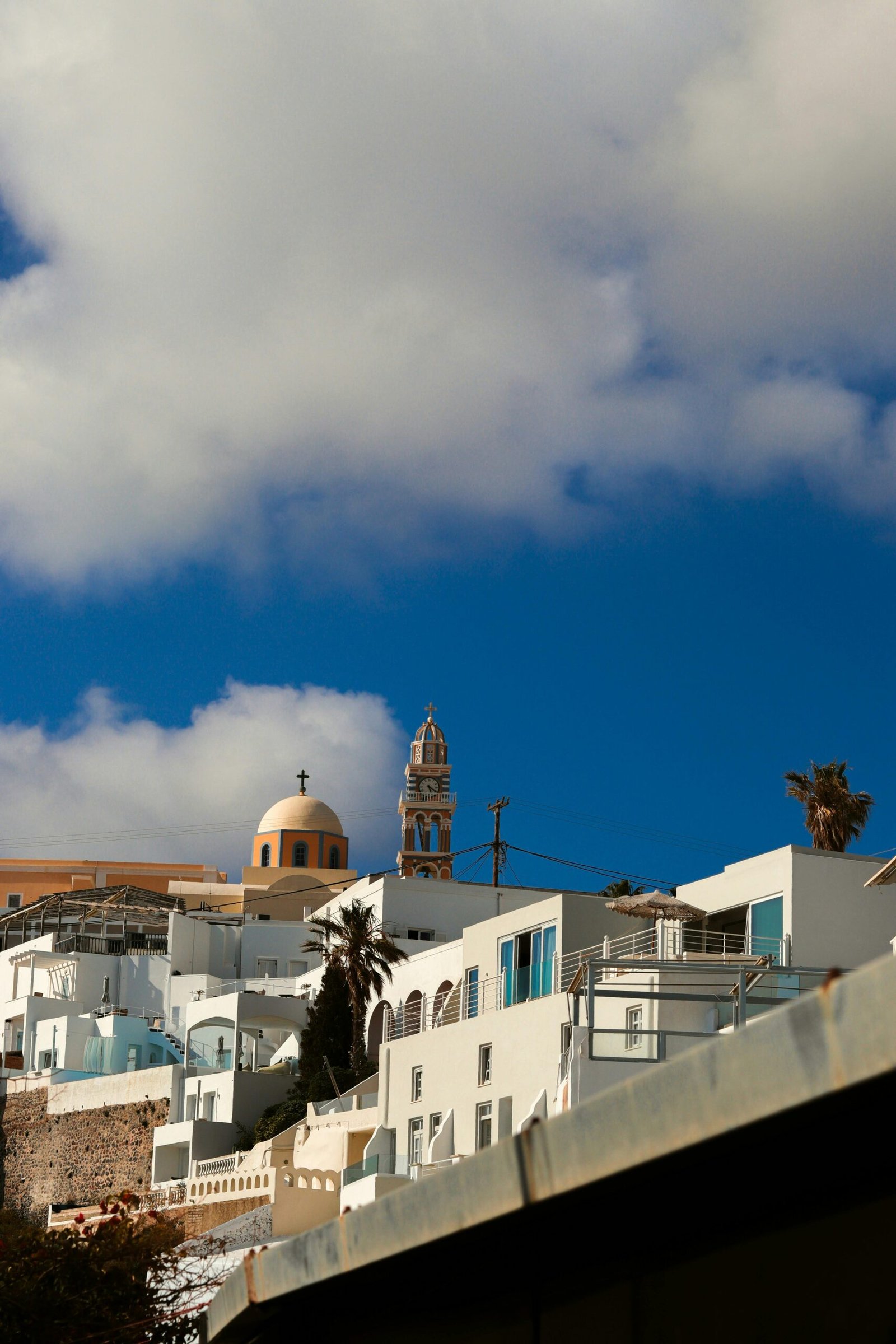
Why Santorini Is Harder to Love Than People Expect because most travelers arrive expecting a laid-back Greek island and instead meet a destination that is tightly managed, expensive, and built around short, high-intensity visits. If you want easygoing beaches, low-friction evenings, and spontaneous wandering, Santorini is usually the wrong island.
The problem is not that Santorini is bad. The problem is that most people misunderstand what kind of place it is: a premium, heavily visited island where the best experience depends on timing, location, and realistic expectations. That gap between expectation and reality is exactly why Santorini divides travelers so sharply.
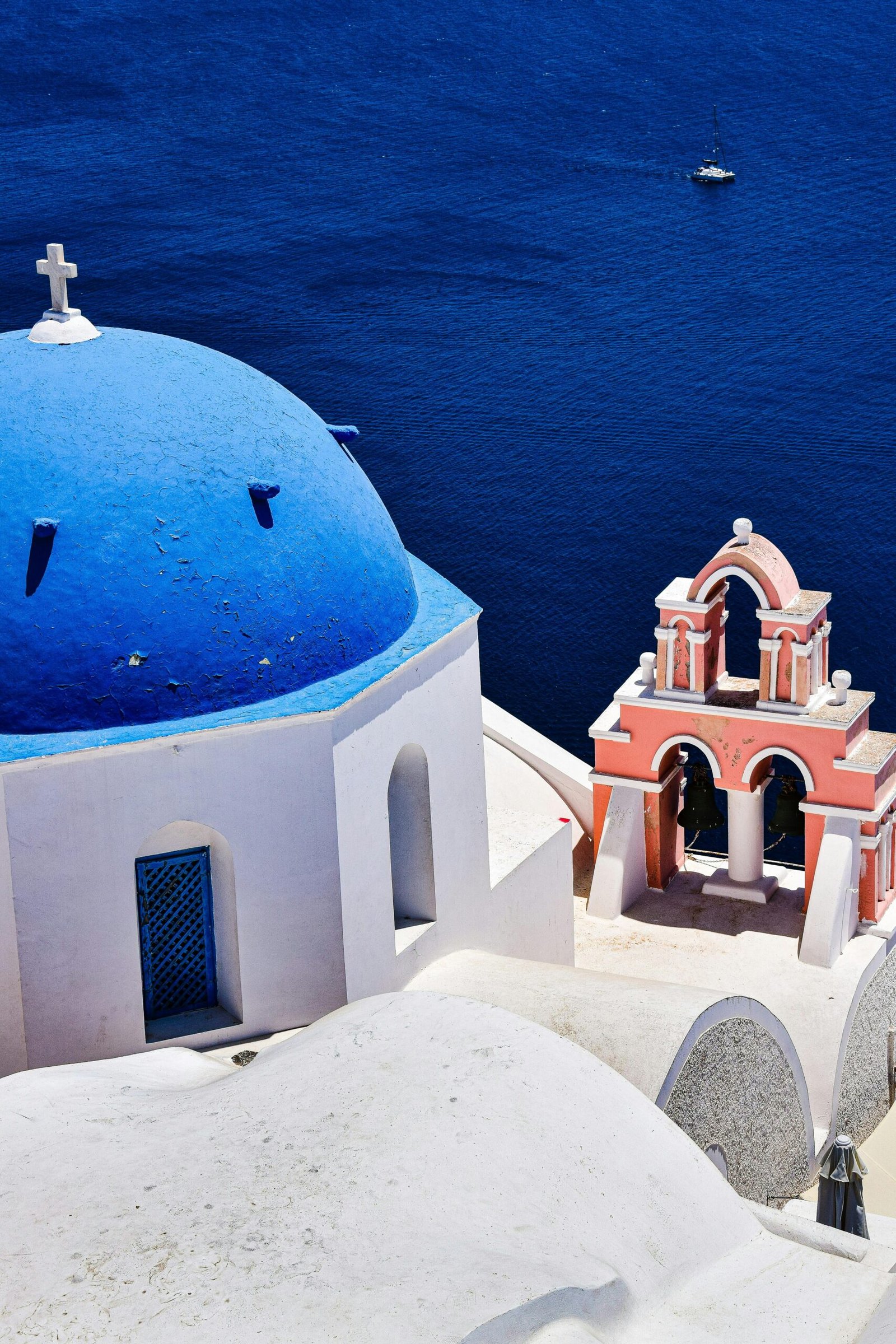
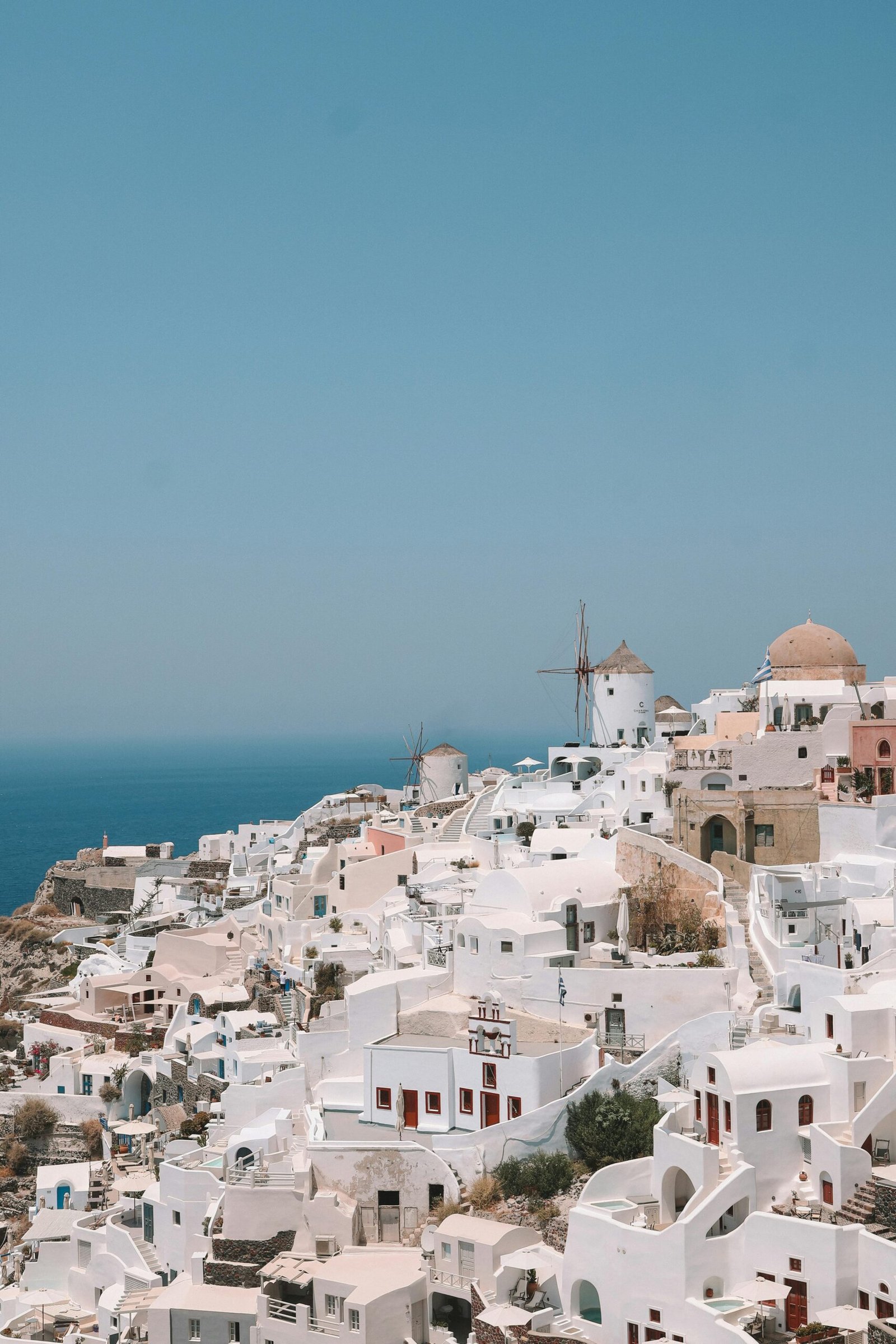
Why Santorini Is Harder to Love Than People Expect
Santorini disappoints a certain kind of traveler because it is not built for relaxation in the casual sense. It is built for controlled views, concentrated demand, and a very specific version of travel that looks effortless from a distance and feels much more managed once you are there. That is the core reason Why Santorini Is Harder to Love Than People Expect.
Most travelers assume they are choosing an island. In practice, they are choosing a high-pressure destination with limited margin for error. If you dislike queues, inflated prices, crowded viewpoints, and the feeling that every good moment has been pre-sold to someone else, Santorini will feel more exhausting than beautiful.
Why Santorini Is Harder to Love Than People Expect: the real issue
The island is not failing to deliver on its reputation. It is delivering exactly what it has become: a polished, heavily marketed place where the experience is filtered through demand. That means the emotional payoff is real for some travelers, but it is rarely casual or effortless.
Here is the counterintuitive part: the more famous Santorini becomes, the less forgiving it is for travelers who want freedom. You are not just paying for views; you are paying for access to those views under pressure. If you arrive expecting a normal Greek island rhythm, you will notice the friction immediately.
Most travelers assume the island is romantic in a spontaneous way, but actually it is romantic in a curated way. That distinction matters. Santorini works best when you accept that the experience is designed, not discovered.
When Santorini is worth it
Choose Santorini if you want a destination with a clear visual identity and you are willing to structure the trip around that. It suits travelers who care more about a polished setting than about wandering, beach-hopping, or finding local life that feels untouched by tourism. It also works for people who understand that a short stay can be enough.
It is also a strong choice for travelers who are comfortable paying more for less flexibility. That sounds harsh, but it is the truth. Santorini is often at its best for couples, first-time Greece visitors with limited time, and travelers who value a highly recognizable setting over a broad island experience.
If you want context before you go, use official resources rather than social-media assumptions. The island’s visitor profile is shaped by broader national tourism patterns, and the best baseline planning information is still found through
When Santorini is the wrong choice
Do not choose Santorini if your idea of Greece is relaxed, local, and easy to navigate without constant planning. If you want long beach days, unstructured evenings, or a sense that the island is still primarily for residents, you will probably leave irritated. That frustration is predictable, not personal.
Santorini also disappoints travelers who confuse scenery with comfort. The island can be visually impressive and still feel inconvenient, overpriced, and crowded in ways that affect the whole day. People often remember the view and forget the cost in time, energy, and patience.
This is where Why Santorini Is Harder to Love Than People Expect becomes more than a headline. The issue is not whether the island is worth seeing. The issue is whether it matches the way you like to travel.
Trade-offs by traveler type, season, and style
The same island produces very different results depending on who is going. A couple on a short celebratory trip may find Santorini efficient and memorable. A family looking for easy movement, space, and low stress may find it needlessly complicated.
- Couples: Best fit if the trip is short and the budget can absorb premium pricing.
- Families: Often a poor fit unless the family already knows what kind of island experience they want.
- Solo travelers: Good for a focused visit, less good for relaxed exploration.
- Luxury travelers: Strong fit if service, views, and exclusivity matter more than spontaneity.
- Budget travelers: Usually the hardest match; the island punishes price-sensitive plans.
Season changes the experience more than many people realize. In peak months, Santorini becomes more compressed, more expensive, and less forgiving. In quieter periods, the island is easier to handle, but the trade-off is that some visitors arrive expecting peak-season energy and feel let down by the slower pace.
Travel style matters just as much. If you like moving loosely and deciding things on the fly, Santorini will feel restrictive. If you prefer to lock in key elements and treat the island as a destination with a defined purpose, the experience improves dramatically. That is the practical answer behind Why Santorini Is Harder to Love Than People Expect.
What most travelers assume, and what actually happens
Most travelers assume Santorini is a beach island first and a sightseeing island second. Actually, it is a view-and-atmosphere destination first, with beaches playing a much smaller role than many first-time visitors expect. That mismatch creates disappointment fast.
Most travelers also assume the famous parts of the island will feel effortless once they arrive. In reality, the famous areas are exactly where the pressure is highest. The more recognizable the setting, the more you feel the strain of crowds, timing, and pricing.
If you want a broader sense of Greek cultural context before narrowing in on Santorini, the national framework is useful. The Ministry of Culture offers a useful reference point for understanding how heritage, preservation, and tourism shape places like this.
How to decide quickly
Choose Santorini if you want a short, high-impact trip and you are fine paying for convenience, views, and a highly managed environment. Avoid it if you want an island that feels relaxed, spacious, and easy to enjoy without constant calibration. Those are not minor differences; they define the whole trip.
For the most common traveler scenarios, the guidance is simple. Honeymooners and first-timers with a limited schedule usually get what they came for. Families, slow travelers, and people chasing an easy beach holiday often do not. Budget-conscious travelers are usually better served elsewhere unless Santorini is a non-negotiable priority.
That is the honest reading of Why Santorini Is Harder to Love Than People Expect: the island is not overrated so much as misread. Travelers who understand its trade-offs often leave satisfied. Travelers who expect a relaxed Greek island often leave frustrated.
Greece has a way of rewarding travelers who ask the right questions before they arrive. The travelers who leave disappointed usually asked the wrong ones — or didn’t ask at all.
FAQ
Frequently asked questions
Why is Santorini harder to love than people expect?
Because many travelers expect a relaxed island and instead find a highly curated, crowded, and expensive destination. The island can still be rewarding, but only if you accept that it is built for a specific kind of visit.
Is Santorini overrated?
Not exactly. It is better described as misunderstood. The problem is the expectation gap: people arrive wanting a carefree island and find a premium destination that requires planning and tolerance for friction.
Who enjoys Santorini the most?
Travelers who want a short, polished trip and care more about atmosphere and views than about spontaneity. Couples, luxury travelers, and first-time visitors with limited time often get the most out of it.
Who is most likely to be disappointed by Santorini?
Travelers who want easy beach days, low prices, quiet local life, or a loose, unstructured island experience. Families and budget travelers often feel the friction most sharply.
Is Santorini still worth visiting?
Yes, if you know what it is. It is worth visiting for the right traveler, but not as a default Greek island choice. The value comes from matching the destination to the trip style.
What is the biggest mistake travelers make in Santorini?
Assuming the island will feel casual once they arrive. It usually does not. The biggest mistake is treating Santorini like a normal island holiday instead of a high-demand destination with real trade-offs.