

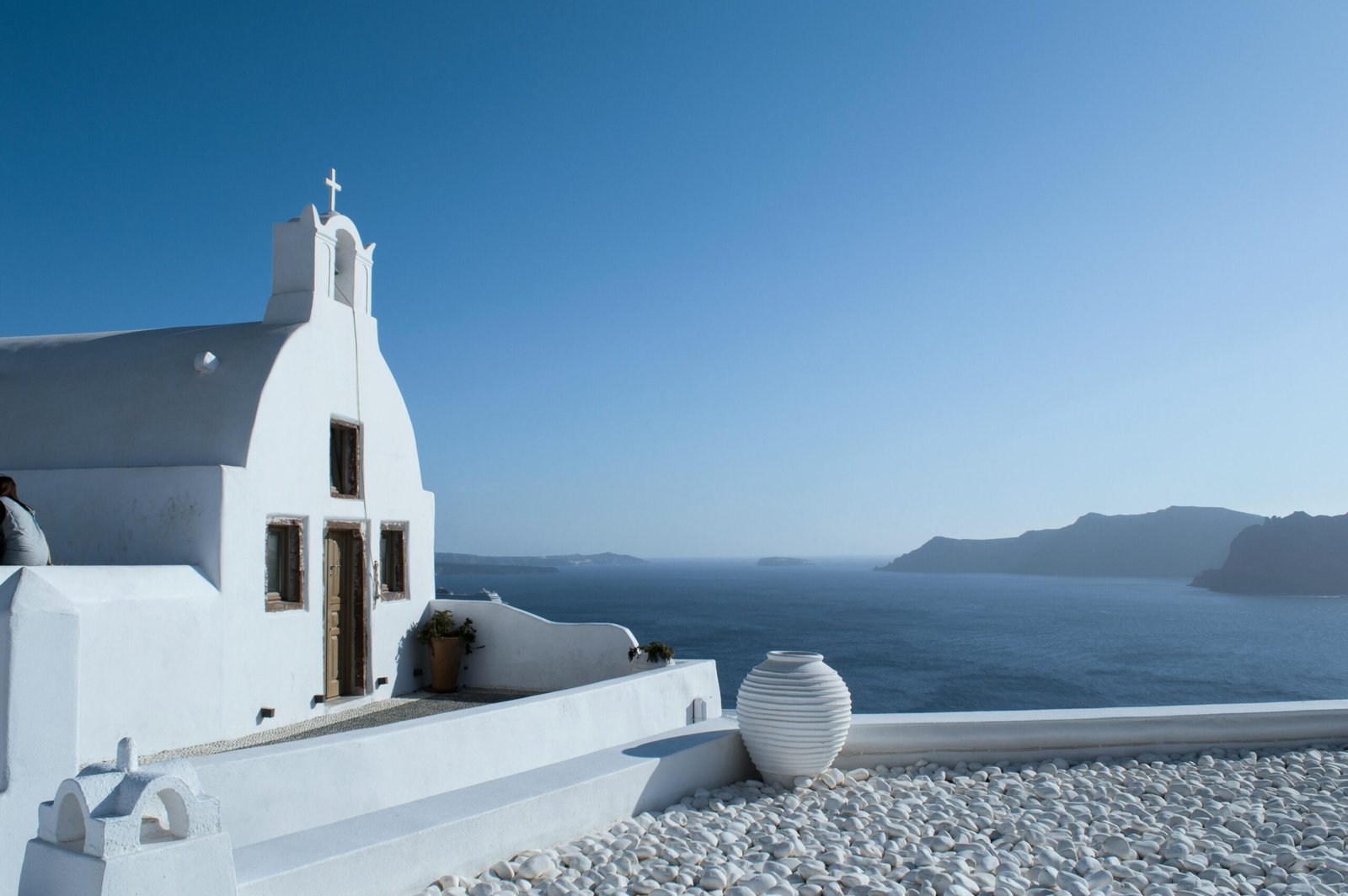
Why Most First-Timers to Santorini Leave Slightly Disappointed usually starts with a simple assumption: if a place is famous enough, it must deliver the same feeling in real life that it promises online. Santorini is one of the clearest examples of that gap, because people arrive carrying a finished image of the island before they have any real sense of how it functions in peak season.
The disappointment is rarely about Santorini being bad. It is about the mismatch between what travelers hoped to feel and what the island actually asks them to deal with: crowds, heat, price pressure, and a lot less intimacy than they expected. Once you understand that pattern, the trip becomes easier to judge honestly.
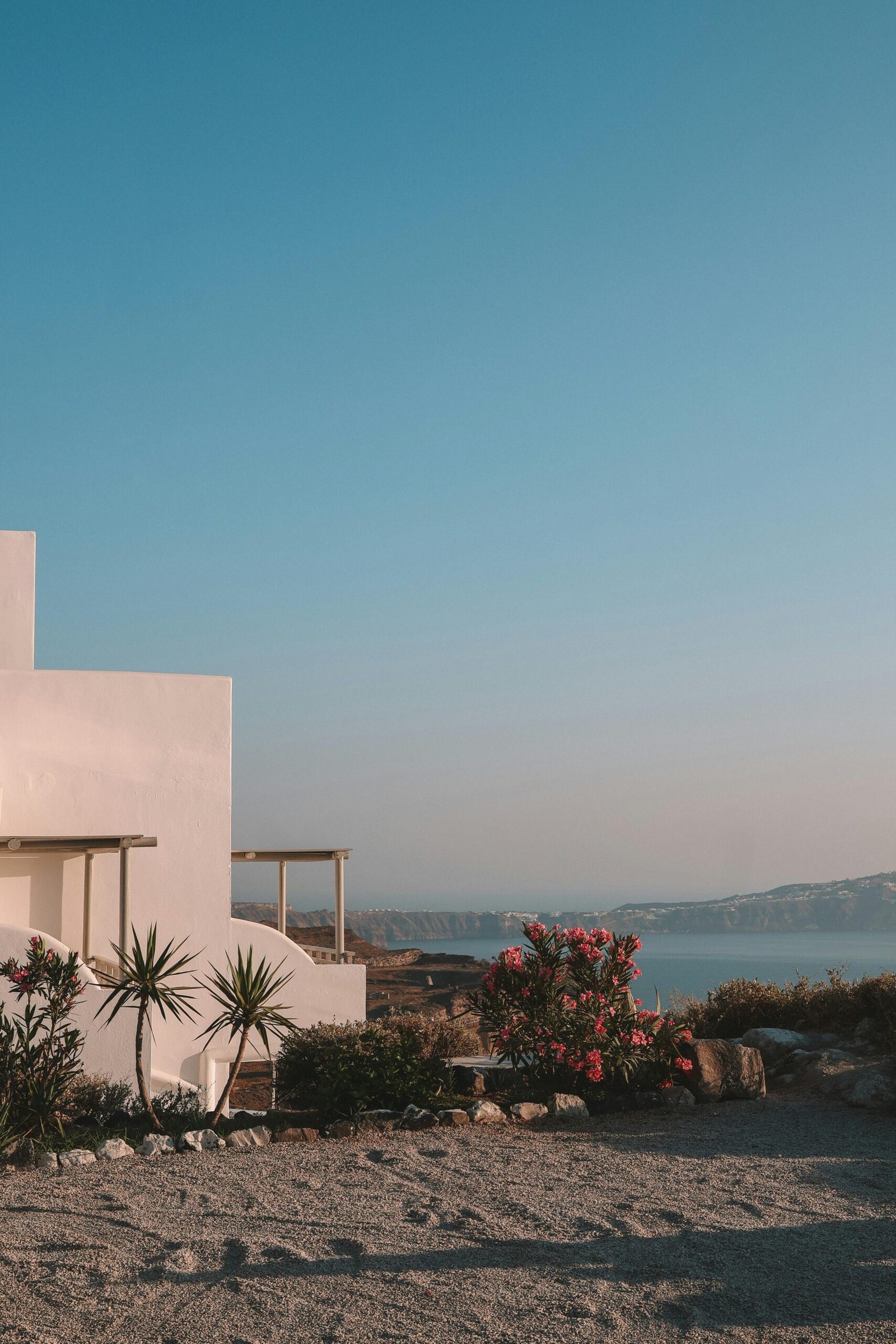
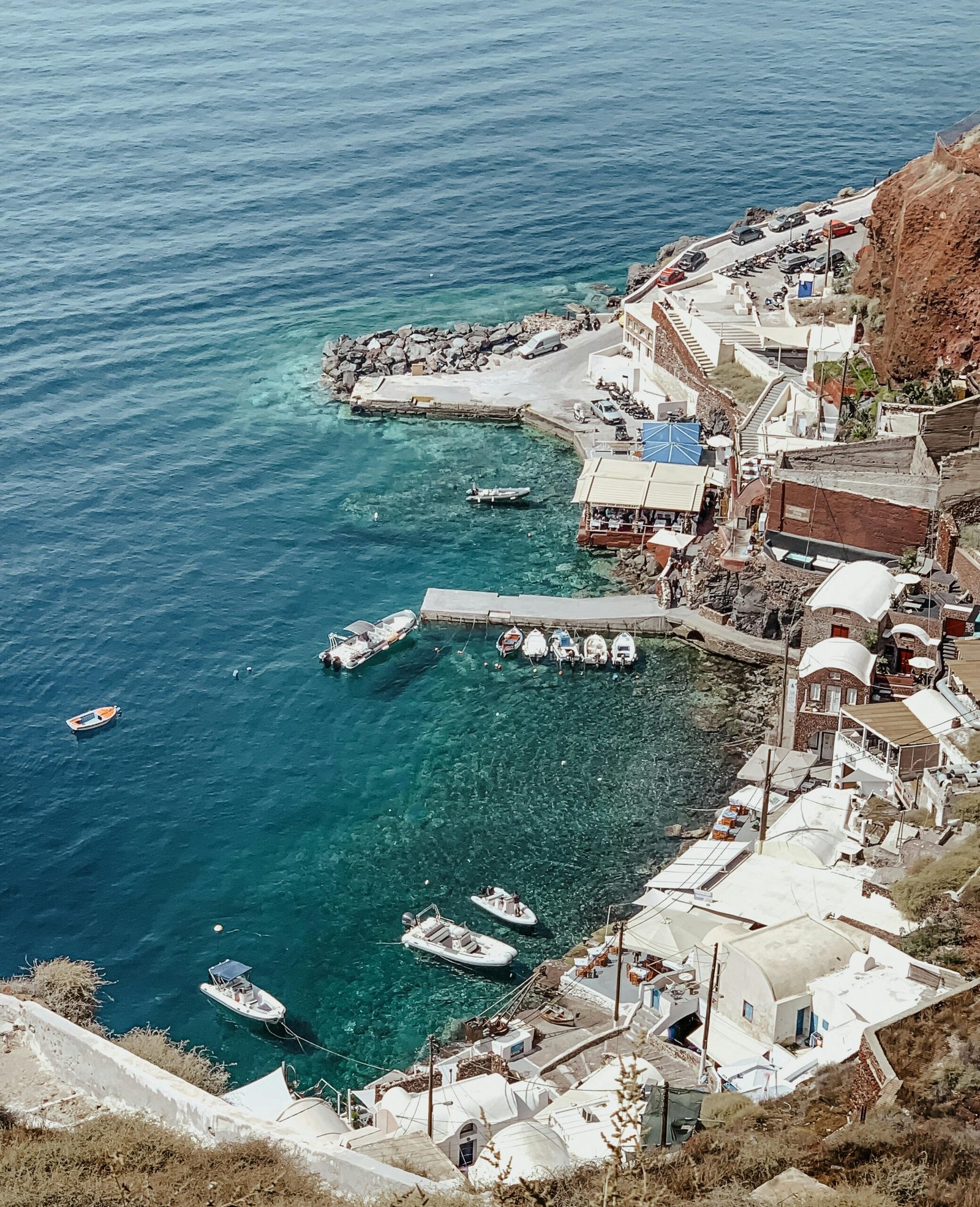
Why Most First-Timers to Santorini Leave Slightly Disappointed
The core mistake is not ignorance. It is projection. Travelers do not just book Santorini because they want a Greek island; they book it because they want confirmation that the version of Greece they have been sold is real, effortless, and personally tailored to them.
That is why Why Most First-Timers to Santorini Leave Slightly Disappointed is such a useful question. It gets to the emotional mechanism underneath the decision: people are chasing a feeling of arrival, not just a destination. Santorini is one of the few places in Greece where that emotional expectation can backfire quickly.
The fantasy is bigger than the island
Most first-time visitors are not comparing Santorini to another island. They are comparing it to a composite image built from proposal videos, cruise photos, social media clips, and travel branding. That image is tidy, quiet, and almost empty of inconvenience.
The actual island in peak season is busy, expensive, and highly managed. That is not a flaw in the island so much as a mismatch in the visitor’s mental model. Why Most First-Timers to Santorini Leave Slightly Disappointed is often because they expected a mood, and got a destination with logistics, queues, and a lot of other people trying to have the same moment.
Why people choose Santorini anyway
People choose Santorini because it feels like a safe first move. It is famous, easy to explain, and socially validated, which matters more than travelers admit. Choosing Santorini can feel like choosing certainty over risk, especially for a first trip to Greece.
There is also a status element. Many travelers want one trip that proves they picked well, and Santorini carries that burden better than most places. That is why disappointment can sting: the island is not just a destination, it has become a personal test of taste.
Greece rewards travelers who arrive with a plan, but Santorini punishes those who think fame is a substitute for fit. If the goal is romance, a milestone, or a first exposure to Greek island life, the island can still work. If the goal is calm, space, and a sense of discovery, the emotional math is usually wrong from the start.
The moment disappointment usually hits
The letdown is rarely dramatic. It usually arrives in a very ordinary moment: standing in a crowded viewpoint, waiting too long for a table, or realizing the place feels more curated than lived-in. That is when the image in your head stops matching the place in front of you.
The sharper version of this moment comes after sunset, when people expect a private emotional peak and instead find themselves sharing it with hundreds of others. That is the real answer to Why Most First-Timers to Santorini Leave Slightly Disappointed. They were not prepared for how public the experience is.
One counterintuitive truth: many travelers are not disappointed because Santorini is overrated. They are disappointed because it is exactly what it says it is, just not what they privately wanted it to be. They wanted serenity, but they booked spectacle.
What peak season changes in practical terms
Peak season does not just make Santorini busier. It changes the emotional tone of the island. The same places that look serene in photos can feel compressed, performative, and expensive once the island is operating at full capacity.
This matters because first-timers often assume the experience will somehow buffer itself. It does not. In peak season, the island’s popularity becomes part of the product, and that changes how people move, wait, spend, and feel. You are not just visiting Santorini; you are participating in a very crowded version of it.
If you want a broader sense of how Greece markets itself against what travelers actually encounter,
Visit Greece is useful as a baseline. The gap is not that the island is misrepresented. The gap is that most visitors do not read the promotional image as a promotional image. They read it as a promise.
Who is most prone to this pattern
First-time honeymooners are especially vulnerable because they are often buying an emotional milestone, not just a destination. They want the trip to feel singular, and Santorini encourages that expectation more than most places. When the island feels crowded or staged, the disappointment can feel personal.
Social-media-led travelers are another high-risk group. They tend to optimize for the most photogenic version of a place and then feel surprised when the rest of the experience does not match the frame. That is a bad trade in Santorini, where the photograph is often the strongest part of the visit.
- Travelers who want quiet over spectacle
- First-timers who equate fame with fit
- Couples treating one island as the whole Greece experience
- Visitors who dislike crowds but still want a peak-season trip
There is also a group that rarely admits this out loud: people who want to feel sophisticated for choosing Santorini, then resent the fact that everyone else made the same choice. That tension is real, and it drives a lot of low-grade disappointment.
What people should have expected instead
Santorini works best when you understand it as a high-demand destination with a strong visual identity, not as a universally relaxing island escape. That is a very different proposition. Once you accept that, the island becomes easier to place in your trip for the right reasons.
For travelers who want to understand Greece beyond one famous island, it is worth looking at context, not just imagery. The Acropolis Museum is a good reminder that Greece is not one aesthetic mood; it is a layered place where history, scale, and modern tourism all coexist. Santorini is part of that larger reality, but it is only one version of it.
Why Most First-Timers to Santorini Leave Slightly Disappointed is, at root, a lesson in expectation management. The people who have the easiest time are not the ones who expect perfection. They are the ones who know exactly what kind of experience they are buying.
Conclusion: a better way to think about Santorini
Approach Santorini as a selective, high-visibility island that is best when you want drama, design, and a very specific kind of Greek island experience. Do not ask it to be quiet, cheap, or uncrowded in peak season, because that is where the disappointment starts. The better question is not whether Santorini is worth it, but whether you are choosing it for the right emotional reason.
Greece doesn’t punish inexperience. It punishes unexamined assumptions. The travelers who leave disappointed rarely lacked information — they lacked a framework for using it.
Frequently asked questions
Why do so many first-timers feel underwhelmed by Santorini?
Because they arrive with a polished image in mind and then meet a busy, expensive, highly visited island. The gap between expectation and reality is usually the real problem.
Is Santorini actually overrated?
Not exactly. It is more accurate to say that many travelers use it for the wrong purpose. It is strong on visual impact and milestone travel, weaker for people seeking calm or discovery.
What is the biggest mistake first-time visitors make?
They assume the island’s fame guarantees the feeling they want. Fame guarantees demand, not emotional fit.
Who tends to enjoy Santorini most on a first visit?
Travelers who want a polished, recognizable, high-profile Greek island experience usually do well. Honeymooners and milestone travelers often fit that profile better than budget-minded or crowd-averse visitors.
Why does peak season make the disappointment worse?
Peak season amplifies the island’s most visible traits: crowds, price pressure, and a more managed atmosphere. That makes the difference between the online image and the lived experience much easier to feel.
Should first-timers avoid Santorini entirely?
No. They should be honest about why they are going. If they want the island for its specific strengths, it can be a very good choice. If they want a quiet Greek island, they should choose differently.