

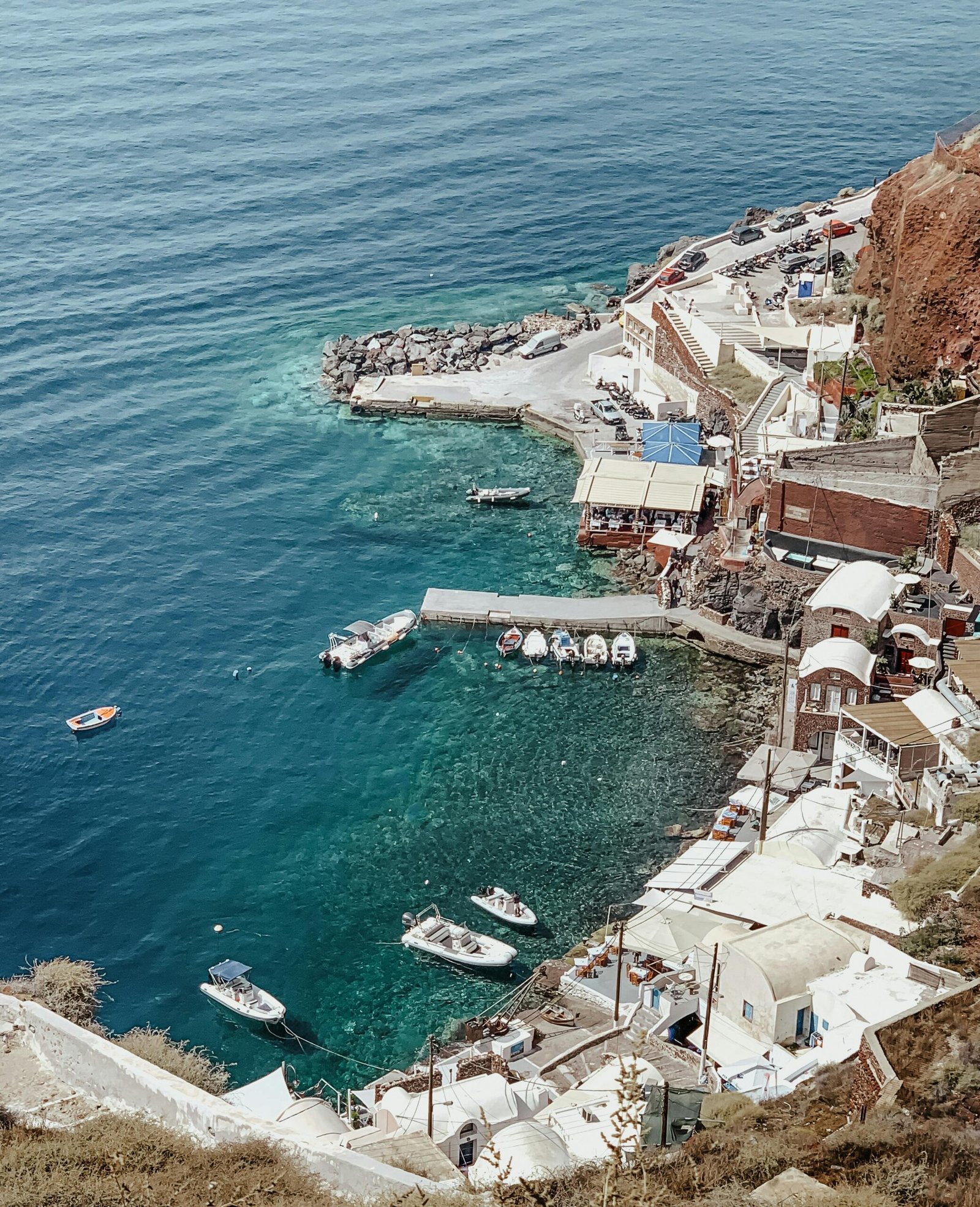
Why Most First-Timers to Santorini Leave Slightly Disappointed starts with a simple mistake: people arrive expecting the island to behave like its photos. They are not wrong to want beauty; they are wrong to assume the experience will feel private, effortless, or emotionally big in peak season.
The real issue is psychological. Santorini is often chosen as a symbol of a trip, a proposal, a milestone, or a long-delayed reward, and that creates pressure the island cannot possibly carry. When the reality is crowded, expensive, and less cinematic than expected, the letdown feels personal.
Why Most First-Timers to Santorini Leave Slightly Disappointed
The core pattern is projection. Travelers do not just want Santorini; they want the version of themselves they imagine they will become there: relaxed, romantic, unhurried, and visibly having the trip of a lifetime. That is a heavy load for any destination, and Santorini absorbs it more than most places.
Why Most First-Timers to Santorini Leave Slightly Disappointed is not a mystery to anyone who has watched peak-season arrivals. The island is famous enough that many people unconsciously expect it to deliver a private, elevated experience even when they are sharing it with thousands of other visitors who had the same idea.
The image is clean. The reality is crowded.
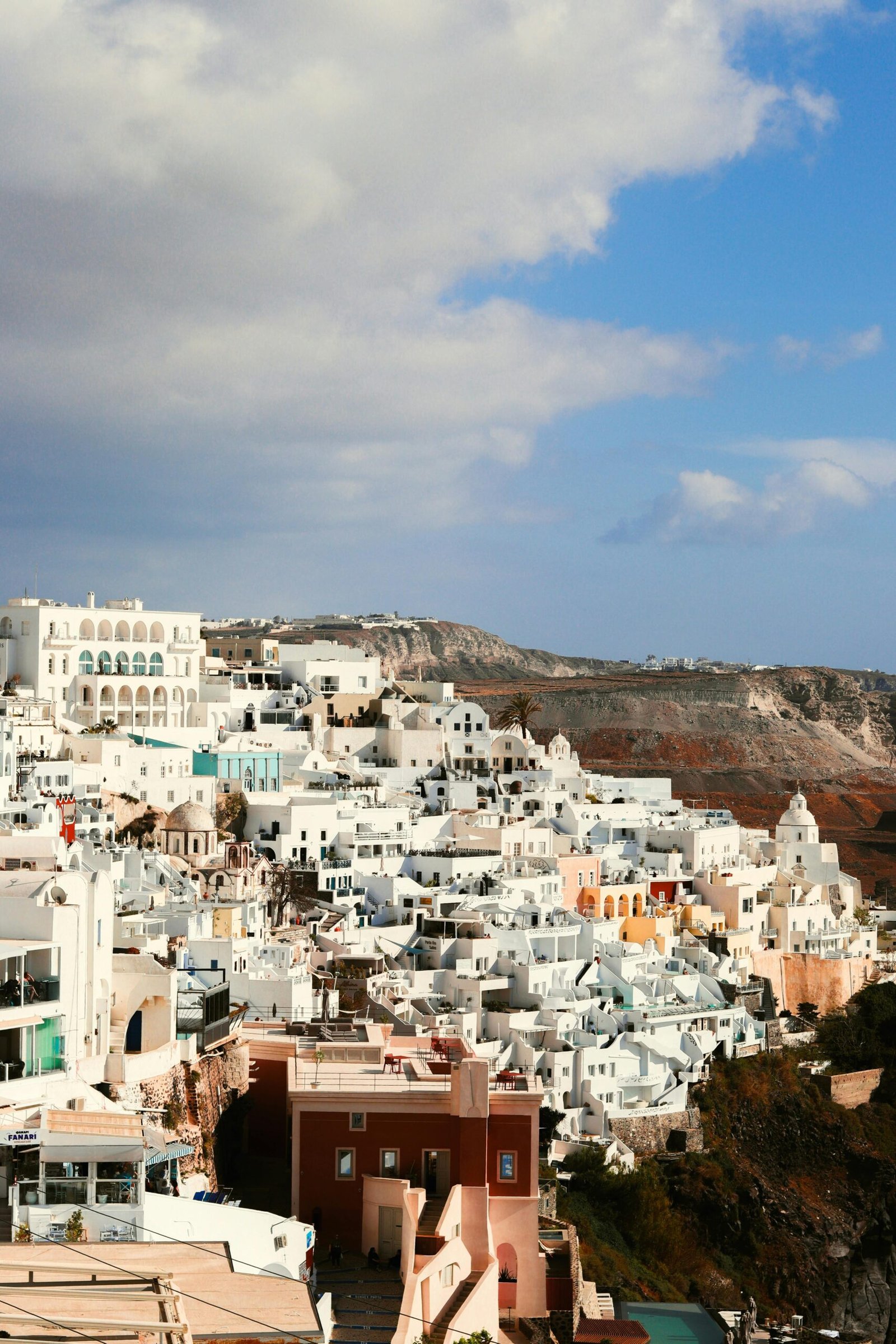
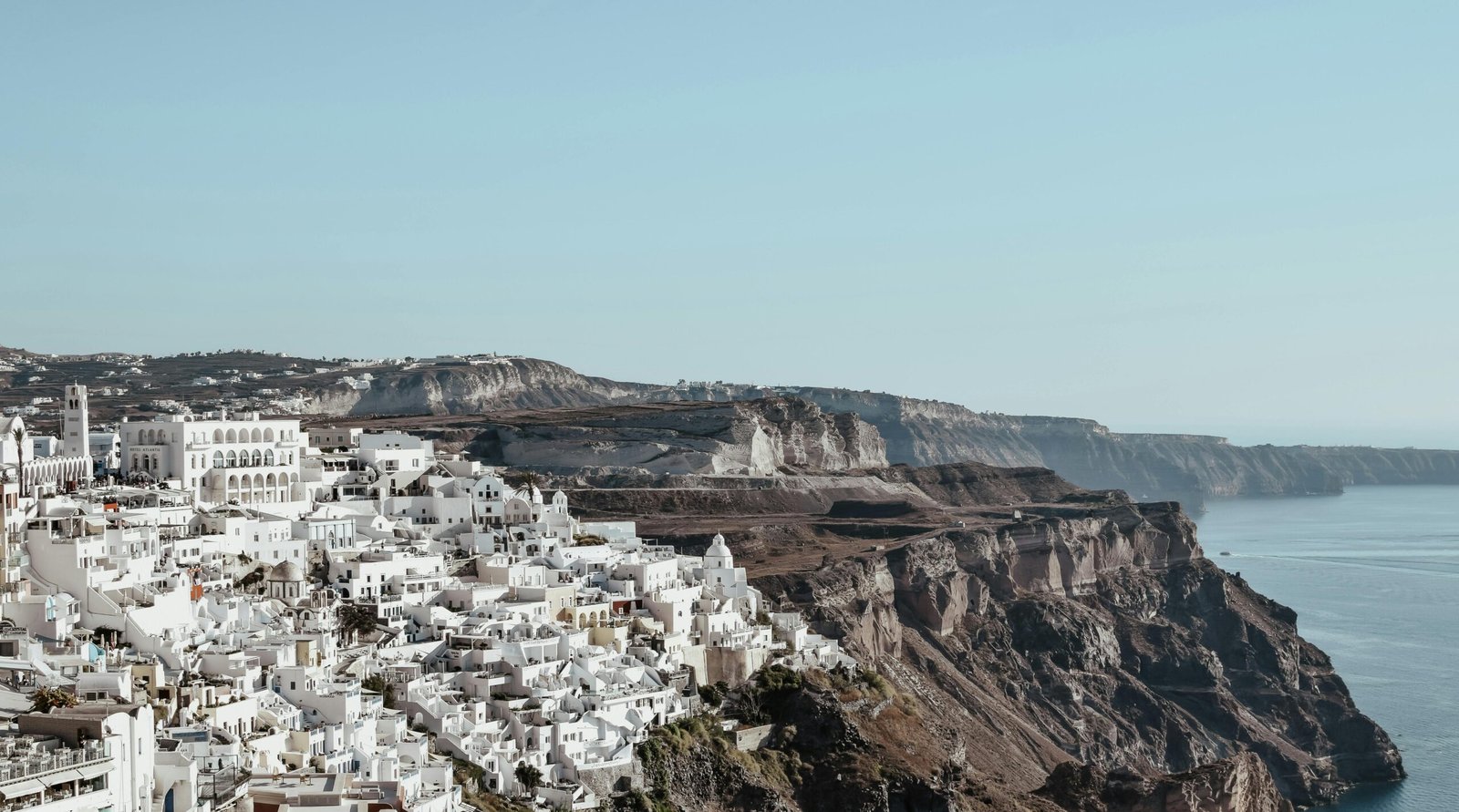
People book Santorini because they have seen the polished version: whitewashed lanes, caldera views, blue domes, and sunset dinners with space to breathe. That image is not fake, but it is incomplete. In peak season, the emotional experience is often shaped less by the view itself than by the friction around it: queues, noise, overbooked tables, and the constant sense that you are trying to access something already heavily consumed.
This is where the disappointment starts. Travelers do not usually mind crowds in principle; they mind crowds that interrupt the fantasy they paid for. Santorini is one of the few places where the gap between image and lived experience is wide enough to create a mood shift within hours.
Why Most First-Timers to Santorini Leave Slightly Disappointed in peak season
Peak season does not just make Santorini busier. It changes the emotional contract of the place. Instead of feeling like a destination, it can feel like a performance with too many people trying to stand in the right spot at the same time.
That is why Why Most First-Timers to Santorini Leave Slightly Disappointed is really a question about timing and expectation management. Many first-timers assume the island’s famous atmosphere is permanent. In reality, the atmosphere is fragile, and peak-season pressure can flatten it fast.
My clear position: if your idea of Santorini depends on calm, privacy, or value for money, peak season is the wrong time to test that idea. You may still enjoy the island, but you will not get the version that the marketing sold you. That mismatch is the source of most complaints I hear.
The emotional trap: people want a feeling, not a place
Santorini is often chosen for what it represents rather than what it is. For honeymooners, it stands for romance. For milestone travelers, it stands for reward. For social-media-driven planners, it stands for proof that the trip was worth the wait.
That is a fragile way to choose a destination. When you are chasing a feeling, any inconvenience feels bigger than it should. A crowded viewpoint, a rushed dinner, or a room that looks smaller than expected can feel like the trip is failing, when in fact the problem is that the trip was asked to carry too much emotional weight.
Why Most First-Timers to Santorini Leave Slightly Disappointed is often less about the island and more about the story they attached to it. The island becomes the stage for an expectation that was never realistic in the first place.
The moment the disappointment usually hits
It usually happens after arrival, not before. The booking looked elegant, the photos looked spacious, and the anticipation was high. Then the traveler reaches the island and realizes that the signature views are shared, the pace is slower than they expected, and the premium they paid does not automatically buy ease.
The most common emotional drop is not dramatic. It is subtle. A traveler looks around and thinks, “This is beautiful, but why does it feel more stressful than special?” That sentence is the whole problem.
At that point, the issue is not that Santorini has failed. It is that the traveler expected the island to remove friction rather than simply offer a setting with a lot of demand around it.
Who is most prone to this disappointment
Some traveler types are more vulnerable to this pattern than others. The first is the milestone traveler: honeymooners, anniversary couples, and anyone treating the trip as a once-in-a-lifetime emotional event. The second is the image-led planner, who has built the trip around photos and assumes the real experience will feel equally polished.
There is also the overconfident first-timer who thinks they can “figure it out” once they arrive. Santorini punishes vague assumptions because the island is expensive, crowded, and highly segmented in how it feels from one area to another. If you are the type who books late and improvises the rest, this is where the cracks show.
- Milestone travelers expecting a perfect emotional payoff
- Photo-first travelers expecting the island to look and feel the same everywhere
- Last-minute planners assuming premium pricing guarantees a premium experience
- Travelers who want quiet but choose the most famous season
What most people underestimate about Santorini
They underestimate how much the island’s fame changes the experience. Fame is not free. It brings volume, pricing pressure, and a constant stream of visitors who are all trying to extract the same iconic moments from the same limited spaces.
They also underestimate how quickly novelty fades when every view comes with a crowd. This is the counterintuitive part: the problem is not that Santorini is less beautiful than expected. The problem is that beauty alone is not enough when access feels crowded and expensive. In that state, even a genuinely impressive place can feel emotionally thin.
If you want a broader sense of how Greek destinations differ in rhythm and scale, start with the official national tourism context at
Visit Greece. Santorini is not representative of the whole country, and treating it as such is one of the fastest ways to misread the trip.
How to approach Santorini with a better framework
The better approach is not to lower your standards. It is to be specific about what you are actually trying to get from the island. If you want iconic views, fine dining, and a famous setting for a special occasion, Santorini can still deliver. If you want ease, privacy, and a sense of discovery, you should stop pretending this is the right island for that job.
That distinction matters because it changes the decision before the booking is made. Greece rewards travelers who arrive with a plan, but more importantly, it rewards travelers who know what kind of experience they are paying for. Santorini is strongest when you accept it as a high-demand, high-visibility destination rather than a private escape.
For travelers who want to understand the cultural and historical weight behind Greek destinations rather than just their postcard image, the official Ministry of Culture site at culture.gov.gr/en/ is a better starting point than another list of photo spots. It will not tell you how to feel, which is exactly why it is useful.
Conclusion
Why Most First-Timers to Santorini Leave Slightly Disappointed is usually not because they made a bad choice. It is because they chose the island for an image, then judged it against a fantasy that peak season could never support. If you understand that before you book, Santorini becomes much easier to enjoy for what it is rather than what it was marketed to be.
Greece doesn’t punish inexperience. It punishes unexamined assumptions. The travelers who leave disappointed rarely lacked information — they lacked a framework for using it.
Frequently asked questions
Why do first-time visitors to Santorini often feel disappointed?
Because they arrive expecting the island to feel private, effortless, and emotionally perfect. In peak season, the crowds, pricing, and pace often clash with the image they had in mind.
Is Santorini actually overrated?
Not exactly. Santorini is beautiful and still worth visiting for the right traveler, but it is often oversold as a calm, romantic escape when it is actually a highly in-demand destination with real friction in peak season.
What is the biggest mistake first-timers make in Santorini?
They confuse the island’s famous image with the actual experience of being there in high season. That leads to disappointment when the reality is busier, more expensive, and less private than expected.
Who is most likely to be disappointed by Santorini?
Milestone travelers, photo-driven planners, and people who want a quiet escape are the most vulnerable. They tend to expect an emotional payoff that the island cannot reliably deliver in peak season.
Does Santorini work better for certain types of travelers?
Yes. It works best for travelers who want iconic views, a polished setting, and are comfortable paying for a high-demand destination. It is weaker for travelers who prioritize calm, value, or a sense of discovery.
How should I think about Santorini differently before booking?
Treat it as a famous, high-demand destination rather than a private fantasy. If you define what you actually want from the trip before booking, you are far less likely to feel let down once you arrive.