

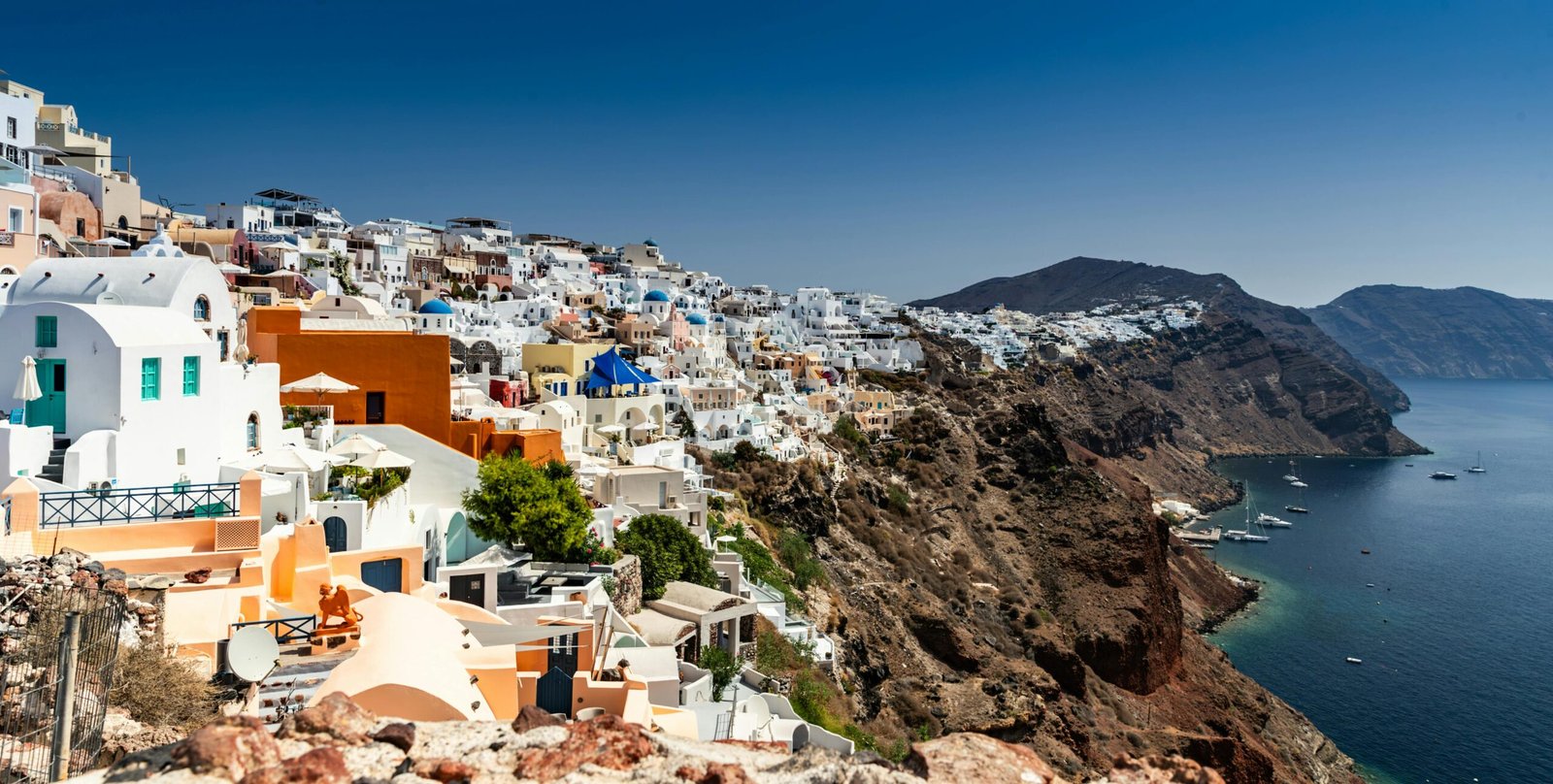
Why Most First-Timers to Santorini Leave Slightly Disappointed is usually not a problem with Santorini itself; it is a problem with expectation management. Most people arrive carrying a very specific mental image: quiet caldera views, uncluttered lanes, effortless romance, and the feeling that they have finally chosen the “right” Greek island.
That image is powerful because it is so widely repeated, and because it flatters the traveler. The disappointment starts when reality is more crowded, more commercial, and more structured around other people’s dreams than around your own comfort.
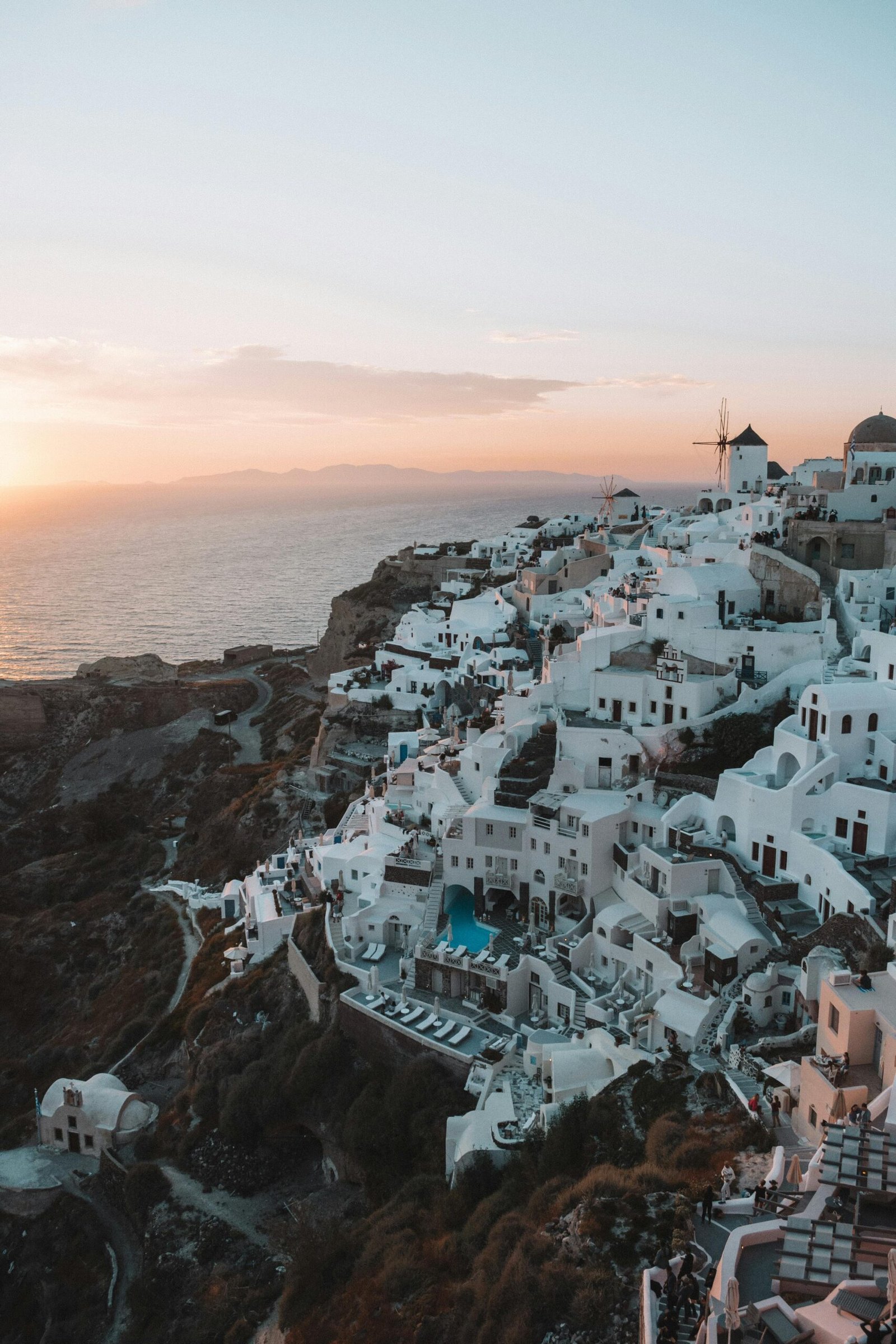
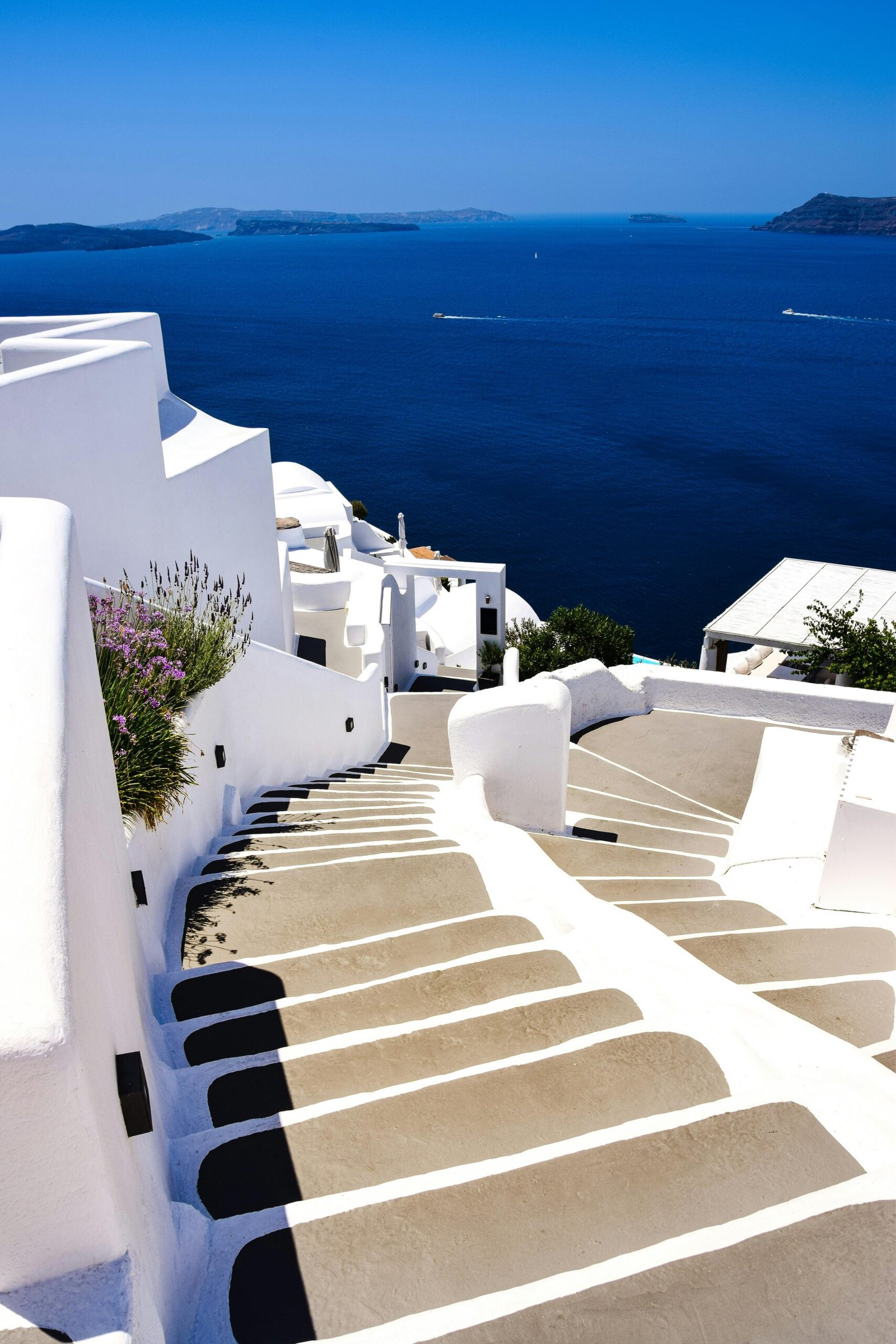
Why Most First-Timers to Santorini Leave Slightly Disappointed
The core psychological pattern is simple: travelers choose Santorini to validate an image they already have of themselves. They are not just booking an island; they are buying into a version of the trip that says they have chosen well, spent well, and arrived at the place everyone else is talking about. That is why Why Most First-Timers to Santorini Leave Slightly Disappointed is such a persistent search query. The island is doing a lot of the work before you even land.
The expectation gap is emotional before it is practical
People expect Santorini to feel private, elevated, and easy. What they often find in peak season is a place that is visually dramatic but socially dense, where the most famous areas feel managed for volume rather than intimacy. That gap matters because disappointment is rarely about one bad dinner or one crowded viewpoint. It is the slow realization that the trip does not feel as personal as the traveler hoped.
This is where Why Most First-Timers to Santorini Leave Slightly Disappointed becomes more than a headline. The issue is not that Santorini is overrated in some absolute sense. The issue is that many first-timers arrive expecting a mood and discover a destination that is heavily shaped by demand, timing, and performance.
Why travelers make this choice in the first place
Most first-timers choose Santorini because it feels like a safe decision. It is famous, easy to justify, and socially legible in a way that less obvious Greek islands are not. There is also a subtle fear behind the choice: people worry that if they skip Santorini, they will miss the “real” Greece everyone else seems to have seen.
That fear pushes travelers toward consensus decisions. They choose the island that photographs well, gets recommended constantly, and signals that they have not made a rookie mistake. In practice, that kind of decision-making often leads to the exact outcome they were trying to avoid: a trip that feels generic because it was chosen to avoid regret rather than to match the way they actually travel.
The specific moment the disappointment usually hits
The emotional drop usually happens when the traveler first sees how much of Santorini is organized around circulation, timing, and crowd control. It is often not the view itself that disappoints. It is the realization that the view is shared, queued for, and packaged in a way that changes the feeling of being there.
For many people, the real moment of friction is when they notice that the island’s famous atmosphere is not accidental. It is curated, priced, and competed for. If you came expecting ease, privacy, or spontaneity, that moment can feel like a correction you did not ask for. Why Most First-Timers to Santorini Leave Slightly Disappointed is often the story of that correction.
There is also a counterintuitive truth most blogs avoid: Santorini can feel less satisfying precisely because it is so photogenic. When a place already looks like the image in your head, you have less room for surprise, and surprise is a large part of what makes travel feel rewarding. Without it, you are left judging the experience against a fantasy you have already rehearsed.
Who is most prone to this pattern
Travelers most likely to feel let down are usually the ones who want a romantic escape but also want low friction. They want a beautiful setting, but they do not want to negotiate crowds, premium pricing, or a destination that asks them to be strategic. That combination is common, and it is exactly why Santorini can miss the mark for first-timers.
It also happens to people who prefer authenticity but still choose the most famous option. They tell themselves they want the “best” island, when what they really want is a place that feels less staged and more lived-in. Those travelers are often the most disappointed because they are the most sensitive to commercial pressure.
- Couples chasing a once-in-a-lifetime romance without wanting a heavily visited setting
- First-time Greece visitors who assume the most famous island will also be the most satisfying
- Travelers who dislike crowds but book peak season anyway because the dates are fixed
- People who want a relaxed island rhythm but are drawn to status-driven travel decisions
Peak season changes the emotional math
Peak season does not just make Santorini busier; it changes how the island feels in your body. You spend more time navigating people, schedules, and price points, which quietly reduces the sense of escape. That matters because many first-timers are not just seeking a destination. They are seeking relief.
If you arrive expecting the island to deliver calm automatically, peak season will punish that assumption. The island is still beautiful, but the experience becomes more transactional. This is where Why Most First-Timers to Santorini Leave Slightly Disappointed becomes especially accurate: the place still performs, but the traveler no longer feels like the main character.
For travelers who want a broader sense of how Greece actually works beyond the headline destinations,
Visit Greece is useful as a starting point, but it will not tell you what a busy week in Santorini feels like in real terms. That part comes from understanding the season, the crowd profile, and your own tolerance for being one of many.
What a better approach looks like
The better approach is not to lower your standards. It is to stop asking Santorini to be something it is not. If you want a polished, famous, visually striking island that comes with pressure and crowds, then Santorini makes sense. If you want ease, quiet, and a sense of discovery, you are probably choosing it for the wrong reason.
That is a clear position: Santorini is a strong choice for travelers who understand exactly what they are buying, and a weak choice for travelers who want it to behave like a more relaxed island. The mistake is not loving Santorini. The mistake is expecting it to deliver a different kind of trip than it is built to deliver.
And if your Greece trip is partly about culture, not just scenery, you should be honest about where Santorini sits in your priorities. A trip shaped around cultural depth, historical context, or a slower pace may be better served by other parts of the country, including places where the experience is less curated and more grounded in daily Greek life. For context on the country’s broader cultural landscape, the Ministry of Culture is a more useful reference point than social media ever is.
How to recognize your own pattern before you book
If you are drawn to Santorini because everyone else seems to be going, pause. If you are choosing it because you want the safest possible “dream trip,” pause again. Those are not bad instincts, but they are often the ones that lead to the most predictable disappointment.
Ask a blunt question: am I choosing Santorini for the experience itself, or for the reassurance that I made the obvious right choice? That distinction matters. Most travelers do not regret Santorini because it is a bad island. They regret it because they let the island carry emotional expectations it was never designed to meet.
Recognizing the pattern is the first step. The second is building a trip around how you actually travel — not the traveler you imagine yourself to be. Most great Greece experiences start with that honesty.
Frequently asked questions
Why do so many first-time visitors to Santorini feel let down?
Because they arrive expecting privacy, ease, and a flawless romantic mood, then find a destination shaped by crowds, pricing, and heavy demand. The island is real, but the experience is less personal than many first-timers assume.
Is Santorini only disappointing in peak season?
Peak season makes the gap much more obvious, but the underlying issue is expectation. In busy months, the crowds and premium atmosphere amplify the mismatch between the image and the reality.
What type of traveler is Santorini best for?
Travelers who understand that they are choosing a famous, high-demand island and are comfortable with that trade-off. If you want a polished, highly recognizable Greek experience, Santorini can work well.
What is the most common mistake first-timers make?
They choose Santorini because it feels like the safest and most impressive option, not because it matches how they actually like to travel. That leads to disappointment when the island feels more managed than relaxed.
Can Santorini still be worth visiting for a first trip to Greece?
Yes, but only if you are clear about what it is and what it is not. It is worth it for the right traveler, but it should not be treated as the default answer for every first-time Greece itinerary.
How do I know if I should skip Santorini?
If you care more about calm, authenticity, or lower-friction island travel than about status and iconic views, Santorini may not be the best fit. The wrong reason to go is usually wanting it to feel like an uncrowded dream.