

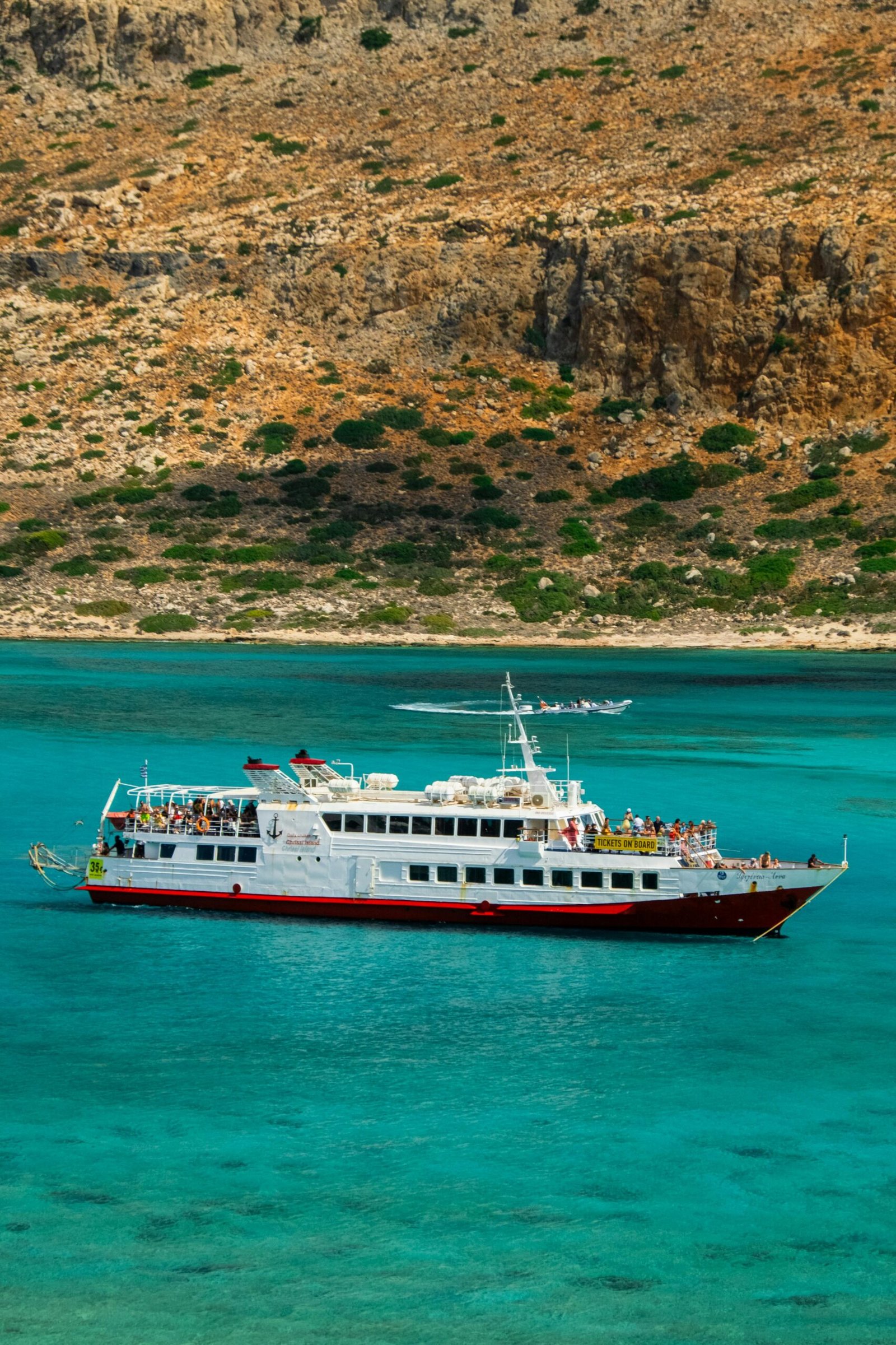
Crete Feels Like Three Different Islands — and That’s the Problem, because too many travelers book it as if it were one neat, easy destination. It isn’t. Crete is large enough to punish casual planning, and the most common mistake is assuming one base can cover a whole island that changes character completely from west to east.
If you choose Crete well, it can be one of the strongest trips in Greece. If you choose it badly, you spend too much time correcting the original mistake: wrong region, wrong pace, wrong expectations. That is not a minor issue on Crete; it defines the trip.
Crete Feels Like Three Different Islands — and That’s the Problem
Crete Feels Like Three Different Islands — and That’s the Problem, because the island does not behave like a single destination with one clear center of gravity. It has a polished, easygoing side, a rugged and deeply local side, and a resort-heavy side that can feel completely disconnected from the first two. Travelers who miss that distinction usually end up with a trip that is technically fine and practically unsatisfying.
I’ll be blunt: Crete is not the place to book casually if you care about how a trip feels in real life. The island can be excellent, but only when the base, the season, and the traveler type actually match the region. Most people get the geography wrong before they even start choosing hotels.
Crete Feels Like Three Different Islands — and That’s the Problem when you choose one base for the whole island
This is the first planning error I see constantly. Travelers pick one well-known area and assume they can “do Crete” from there, then discover they’ve locked themselves into a narrow version of the island. That usually means they see either too much resort coastline or too much road time, and not enough of the Crete they thought they were booking.
Chania Old Town, Elounda, Heraklion, Rethymno, Plakias, and Agia Galini are not interchangeable, and they do not serve the same kind of trip. Chania suits people who want atmosphere and easier access to western Crete’s better-known appeal. Elounda is for travelers who want polished hotels and are willing to pay for them. Heraklion is practical, not romantic, and best when the trip is shaped around culture rather than beach time. Rethymno sits in the middle in a useful but often underestimated way. Plakias and Agia Galini work for travelers who want a quieter, less packaged south-coast feel.
Crete Feels Like Three Different Islands — and That’s the Problem because the wrong base creates a false impression of the island itself. People blame Crete when really they booked the least suitable corner for their priorities.
What travelers consistently get wrong
The first mistake is treating Crete like a beach-only island. Yes, there is beach access, but the island’s strongest trips usually mix beaches with food, old towns, villages, and a sense of place. If you book only for shoreline and convenience, you miss what makes Crete worth the effort in the first place.
The second mistake is underestimating scale. Crete is not a quick, flexible island where you can casually switch plans every day without consequence. A poor location choice here costs time, energy, and often money because the “simple” options are not actually simple once you factor in the island’s size and spread-out attractions.
The third mistake is assuming every month works the same way. Shoulder season can be excellent, but some areas feel half-awake in a way that suits independent travelers and frustrates people who want everything operating at full pace. In high summer, certain places become crowded enough that the quality of the experience drops sharply, especially in the better-known west.
Where Crete actually works best
If you want the west, Chania is the obvious anchor, but it should be chosen with eyes open. It is the most broadly appealing base for first-timers, yet that popularity comes with a price: more competition for the best stays and a greater chance of ending up in a crowded, overhyped version of the island if you book late or vaguely.
Rethymno is a smarter choice than many travelers realize. It is less self-consciously polished than Chania, and that is part of the appeal. You get a town that still feels lived-in, with enough structure for easy planning and enough character to keep the trip from feeling generic.
Elounda is a different proposition entirely. It is not where you go for variety or for a rough-edged local feel. It is where you go if you want a high-comfort base and accept that the trip will be more curated, more expensive, and less spontaneous.
On the southern coast, Plakias and Agia Galini attract a different traveler: less interested in scene, more interested in space, quieter evenings, and a slower rhythm. These places are often overlooked by first-timers because they do not market themselves aggressively, which is exactly why they work for the right audience.
A surprising truth about Crete’s “easiest” areas
The most surprising thing about Crete is that the places people call the easiest are often the least efficient for a good trip. Chania sounds like the safe choice, and sometimes it is, but its popularity can create a planning trap: travelers think they have solved the island by choosing the most obvious base. In reality, they may just have chosen the most crowded one.
That matters because a base that is easy to sell is not always a base that fits the trip. A family wanting calm, a couple wanting good food and a walkable evening scene, and a repeat Greece traveler wanting something less obvious are not all served by the same part of Crete. Crete Feels Like Three Different Islands — and That’s the Problem because the “best” area is often the one that best matches the trip’s actual purpose, not the one with the strongest name recognition.
Who this suits
Crete suits travelers who want range and are willing to think before they book. It works well for couples, food-focused travelers, repeat visitors to Greece, and people who like a destination to feel substantial rather than neat. It also suits travelers who are comfortable choosing a region instead of trying to “cover” an island.
It does not suit travelers who want one base to solve everything, or those who dislike making trade-offs. If you want a compact island with simple movement and a single dominant mood, Crete will frustrate you. If you want a trip that feels coherent from start to finish, you need to be more deliberate here than you would be on many Greek islands.
- Best for: couples, food travelers, repeat Greece visitors, and travelers who value regional character.
- Not ideal for: first-timers who want a very simple island, or anyone trying to mix too many priorities into one short stay.
What you gain — and what you give up
The gain is obvious: Crete gives you real range. You can build a trip around culture, beaches, food, mountain villages, or a polished resort stay, and in the right hands it can feel layered rather than generic. That is why experienced travelers keep coming back.
The cost is equally clear: you give up simplicity. You cannot treat Crete like a small island where every decent idea fits neatly into one base and one relaxed schedule. Crete Feels Like Three Different Islands — and That’s the Problem, but it is also the reason the island can be excellent when planned properly.
Greece rewards travelers who arrive with a plan, and Crete punishes those who confuse familiarity with understanding. If you want the island to work for you, the planning has to be specific to the kind of trip you actually want, not the one a generic search result makes sound easy.
For travelers who want the broader context before booking, the official Greece tourism site is a useful starting point:
Visit Greece. But the real value comes from knowing which part of Crete fits your pace, your budget, and your tolerance for movement — because that decision shapes the whole trip.
If you are also building a culture-heavy itinerary around Crete, it is worth checking official national context through the Ministry of Culture. That matters more than most people realize when they want museums, archaeological sites, or a trip that goes beyond beach time.
Most Greece trips follow the same tired script. The ones that don’t — the ones travelers still talk about years later — were built around a real understanding of how this country works. That kind of understanding takes time, or it takes someone who already has it.
Recommended experiences
Some experiences mentioned here are curated and managed by Elite Greece Travels.
- Best Of Greece Athens Paros Crete 7 Day Itinerary 6 Nights — Itinerary (managed by Elite Greece Travels).
- Athens Mykonos Santorini Crete Itinerary 9 Days — Itinerary (managed by Elite Greece Travels).
- Athens Santorini Crete Itinerary 7 Days — Itinerary (managed by Elite Greece Travels).
Frequently asked questions
Why do people say Crete feels like three different islands?
Because the island’s west, center, and south can feel like separate travel experiences. The atmosphere, pace, and type of stay vary enough that one generic plan often misses the point.
What is the biggest planning mistake on Crete?
Choosing one base without matching it to the trip’s actual purpose. That usually leads to wasted time, a mismatched hotel location, or a stay that feels too resort-driven or too logistical.
Which area is best for first-time visitors to Crete?
Chania is the easiest first-time sell, but it is not automatically the best fit. It works best for travelers who want a strong town base and are comfortable with a popular area.
Is Crete good for a short trip?
Only if the trip is tightly focused. Short stays expose bad planning fast, because the island’s scale makes vague itineraries feel thin and rushed.
Which parts of Crete suit quieter travelers?
The south coast areas such as Plakias and Agia Galini tend to suit travelers who want a slower pace and less built-up surroundings. They are not for people who want constant activity.
Does Crete work for luxury travelers?
Yes, especially in places like Elounda. The trade-off is that the trip becomes more curated and less varied, so it suits travelers who value comfort over spontaneity.