


Crete Isn’t an Island Trip, It’s a Small Country, and most travelers only understand that after they’ve already made the wrong booking decisions. They picture one neat island experience and end up trying to treat a place the size and complexity of a region as if it were a weekend stop.
The result is predictable: too much moving around, the wrong base, and a trip that feels fragmented instead of coherent. Crete rewards travelers who arrive with a plan, but more than that, it rewards travelers who understand that “seeing Crete” means choosing a version of Crete and accepting the trade-offs.
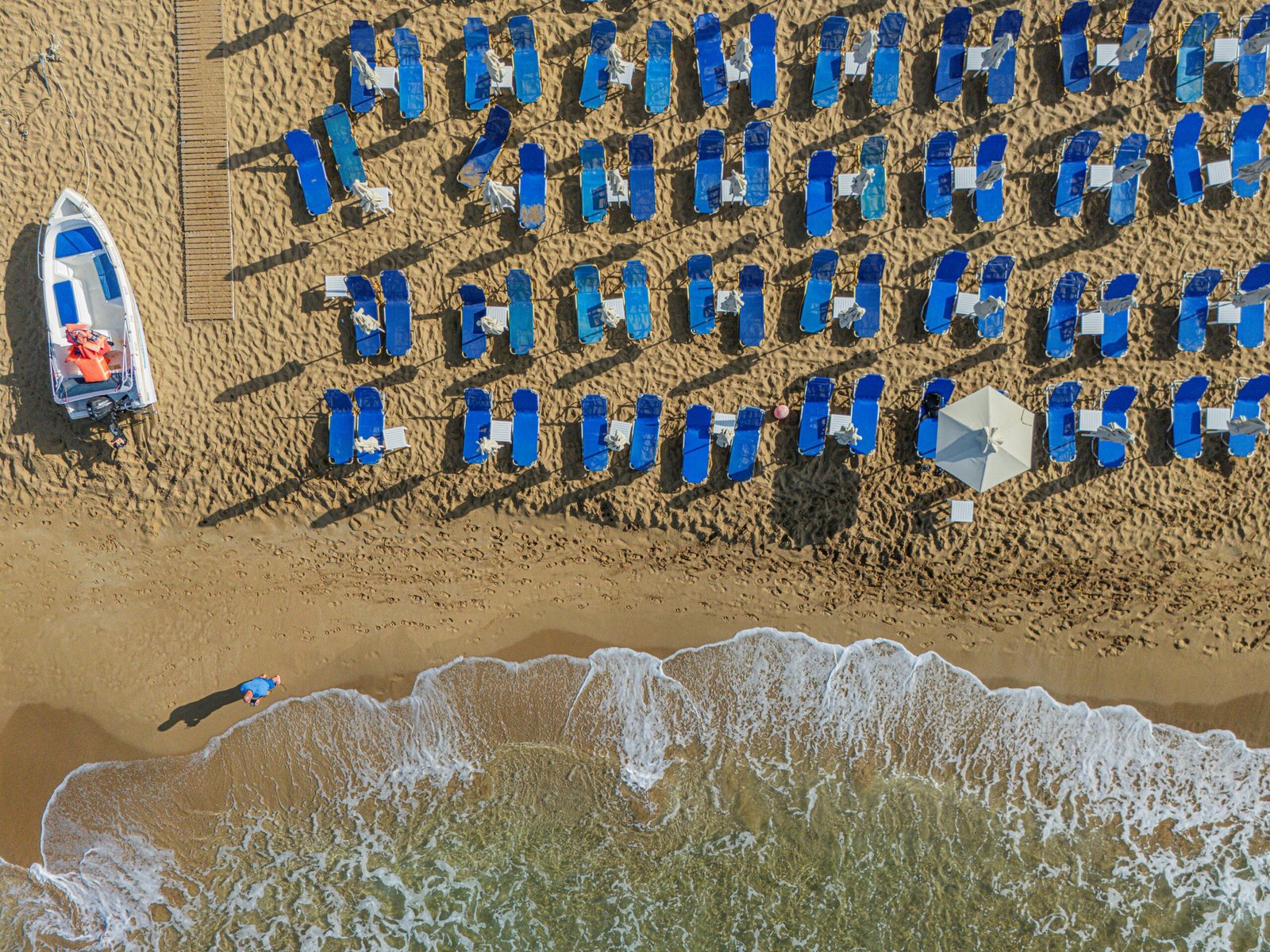
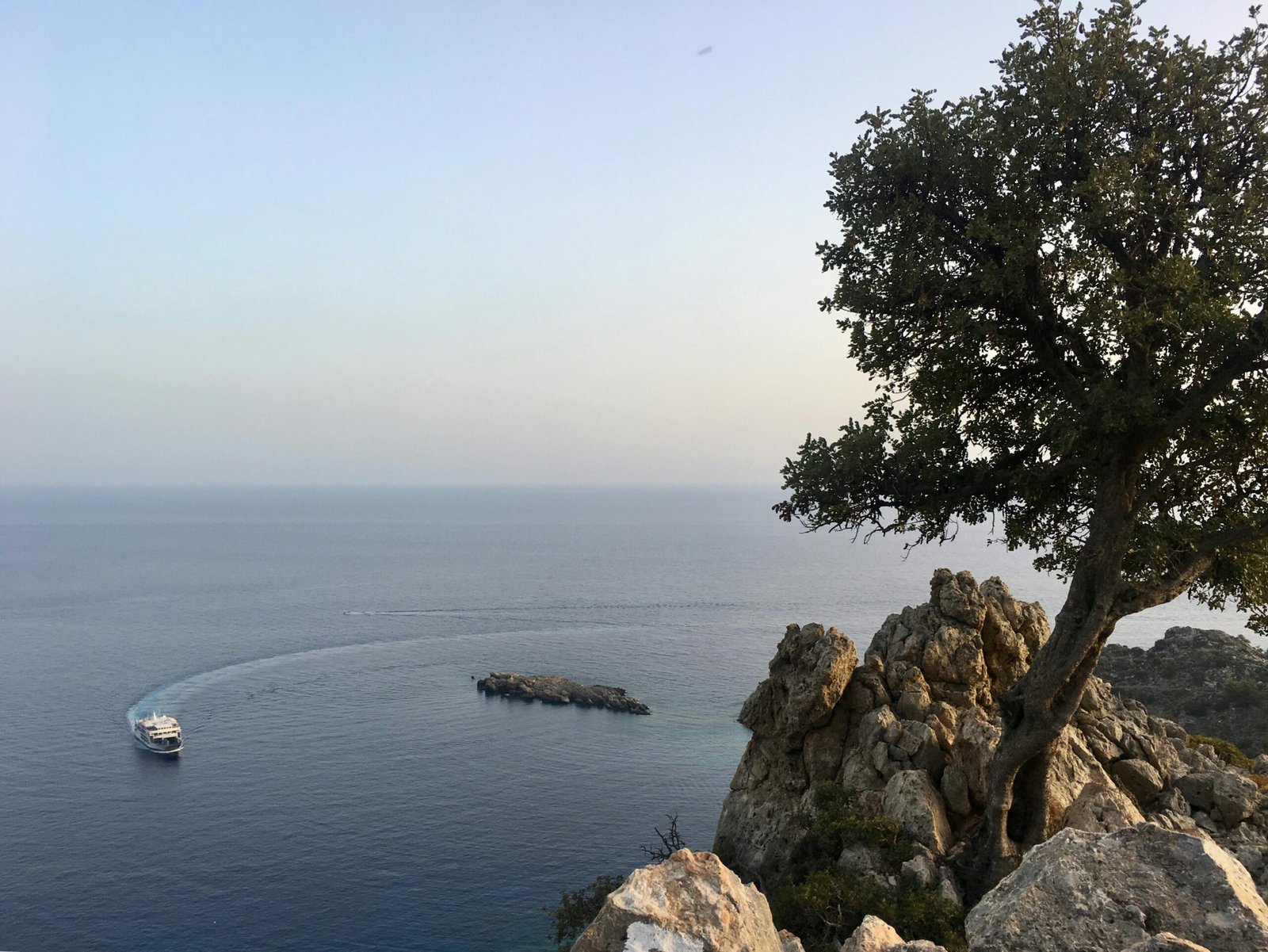
Crete Isn’t an Island Trip, It’s a Small Country
Crete Isn’t an Island Trip, It’s a Small Country, and that is the single most important fact to understand before you book anything. Crete is not a compact island where you can casually sample a few beaches, one old town, and a monastery or two without consequence. It is large, geographically varied, and full of distinct pockets that do not feel interchangeable.
My position is simple: if you treat Crete like a short island escape, you will waste time and money. You will also miss the point of the place, which is not one neat identity but several competing ones — urban, agricultural, mountain, coastal, Venetian, Minoan, and stubbornly local. That complexity is the attraction, but only if you respect it.
Why Crete Isn’t an Island Trip, It’s a Small Country, Not a Single Base
The biggest mistake travelers make is assuming one base can cover the island in a meaningful way. It cannot. A stay centered only on Chania gives you a very different trip from one centered on Heraklion, and neither tells the whole story.
Chania old town is where many first-timers start, and for good reason: it is polished, walkable, and easy to understand. Rethymno has a more balanced feel and often works better for travelers who want less of a scene and more daily rhythm. Heraklion is not pretty in the conventional sense, but it is the practical center of the island and the best place to understand Crete as a living place rather than a resort product.
Then there is Elounda, which suits a very specific luxury traveler: someone who wants polish, privacy, and a controlled environment. If that is what you want, fine. If you want character and variety, Elounda alone will feel narrow fast.
What Travelers Consistently Get Wrong
First, they underestimate scale. Crete is not a place where “a few days” automatically means a satisfying overview. If you keep changing where you sleep, the island starts to feel like a series of transfers instead of a destination.
Second, they overvalue famous names and undervalue geography. Balos, Elafonissi, Knossos, Chania, and Samaria sound like a tidy list, but that list ignores the fact that the island’s west, center, and east behave like different travel environments. Crete Isn’t an Island Trip, It’s a Small Country, and the wrong sequence creates a trip full of backtracking and fatigue.
Third, they choose accommodation by image instead of function. A beautiful place in the wrong location is still the wrong place. In Crete, location is not a minor detail — it determines whether your days feel smooth or unnecessarily complicated.
The Places That Actually Define the Trip
Chania is the obvious favorite, and yes, it deserves attention. But the old town and waterfront are not the same as the wider region, and travelers who never leave the postcard zone end up with a thin understanding of western Crete.
Rethymno is often the smartest middle ground. It is less showy than Chania and less exposed to the “I came for one thing only” mindset that ruins so many short stays. It suits travelers who want a base with substance, not just style.
Heraklion is routinely dismissed too quickly. That is a mistake. It is the place that makes Crete make sense, especially for travelers interested in history, local life, and the island’s practical center of gravity. If you want a broader cultural context, the Acropolis Museum is not in Crete, but it helps many travelers understand the Minoan world before they arrive.
Elounda is for people who want a refined, controlled stay and are willing to accept that it is not the most varied part of the island. Matala has a very specific feel and attracts a certain crowd; some love that, some find it too self-conscious. Agios Nikolaos can work well for travelers who want a calmer eastern-side base, but it is not the right choice if you expect the energy of Chania or the practical reach of Heraklion.
A Counterintuitive Truth Most People Miss
The most surprising thing about Crete is that the “best” trip is often not the one that tries to cover the most ground. Travelers think breadth equals value. In Crete, breadth often just means compression.
A tighter, more deliberate stay usually produces a better experience because the island’s differences are meaningful, not decorative. When you stop trying to collect everything, you start noticing how each region has its own pace, food culture, and relationship to the coast. That is where the trip becomes coherent.
Crete Isn’t an Island Trip, It’s a Small Country, and that means a rushed itinerary does not feel ambitious — it feels incomplete. This is the kind of place where less movement can produce more understanding.
Who This Suits
Crete suits travelers who like a destination with depth and are comfortable making choices. It works well for couples, repeat Greece visitors, food-focused travelers, and people who care about local texture more than ticking off a list of sights. It also suits travelers willing to accept that a good trip here is built around priorities, not coverage.
It does not suit travelers who want one base to “do it all” without compromise. It is also a poor match for anyone who hates the idea of planning around distance, variety, and regional differences. If you want a simple beach break with minimal decisions, Crete can feel more demanding than relaxing.
- Best fit: curious travelers, food lovers, design-conscious couples, history-minded visitors, and people who have already done the easy Greek-island formula.
- Weak fit: short-break travelers, first-timers who want a simple no-thought beach holiday, and anyone who gets frustrated when a destination requires real prioritization.
What You Gain, and What You Give Up
You gain range. In one island you can get old towns, serious archaeology, mountain villages, long beaches, and a local culture that still feels distinct from the mainland. That is a real advantage, and it is why Crete can support a richer trip than many smaller islands.
You give up simplicity. Crete asks you to accept that not every good place belongs in the same trip. If you try to force everything in, the island punishes you with long days, thin experiences, and the sense that you spent your time moving through it instead of being in it.
Crete Isn’t an Island Trip, It’s a Small Country, and that is exactly why it can be excellent or exhausting. The difference is not luck. It is how intelligently the trip is built.
Why Expert Planning Matters More Here Than Elsewhere
Crete is one of those places where local knowledge changes the quality of the trip in visible ways. The right base, the right regional focus, and the right expectations prevent the common mistakes that make travelers feel behind from day one. That is especially true in shoulder season, when some areas feel lively and others feel oddly thin.
For travelers who want a broader sense of Greece’s cultural context, the official tourism overview at
visitgreece.gr is a useful starting point, but it will not tell you how to shape Crete into a trip that actually flows. That part comes from understanding the island as a set of different travel environments, not one generic coastal destination. Get that wrong, and the consequence is simple: you spend too much time recovering from your own planning.
Conclusion
Crete is not the place to improvise and hope the island will sort itself out. It is too large, too varied, and too easy to misread. Choose the wrong base or try to do too much, and the trip becomes scattered. Choose well, and Crete gives you one of the most complete experiences in Greece.
Most Greece trips follow the same tired script. The ones that don’t — the ones travelers still talk about years later — were built around a real understanding of how this country works. That kind of understanding takes time, or it takes someone who already has it.
Recommended experiences
Some experiences mentioned here are curated and managed by Elite Greece Travels.
- Best Of Greece Athens Paros Crete 7 Day Itinerary 6 Nights — Itinerary (managed by Elite Greece Travels).
- Athens Mykonos Santorini Crete Itinerary 9 Days — Itinerary (managed by Elite Greece Travels).
- Athens Santorini Crete Itinerary 7 Days — Itinerary (managed by Elite Greece Travels).
Frequently asked questions
Is Crete too big for a first trip to Greece?
Not if you accept that it is not a quick sampler. Crete can work very well for a first trip, but only if you focus on one region instead of trying to cover the whole island.
What do most travelers underestimate about Crete?
They underestimate distance, regional differences, and how much the choice of base affects the entire trip. Crete is not one uniform destination.
Which part of Crete is best for a cohesive trip?
Chania works well for a polished western-Crete stay, Rethymno is a strong middle ground, and Heraklion makes sense for travelers who want practical access and cultural depth. The best choice depends on what kind of trip you actually want.
Is Crete better for beaches or culture?
Both, but not equally everywhere. The island has serious cultural sites and strong beach areas, yet the best experience comes from choosing a region that matches your priority rather than expecting every part to do everything.
What is the biggest planning mistake in Crete?
Trying to see too much from one base or changing bases too often. That usually creates a trip that feels rushed and disconnected.
Who should skip Crete?
Travelers who want a simple, low-decision island break with minimal movement and no need to prioritize should look elsewhere. Crete asks for more structure than that.