

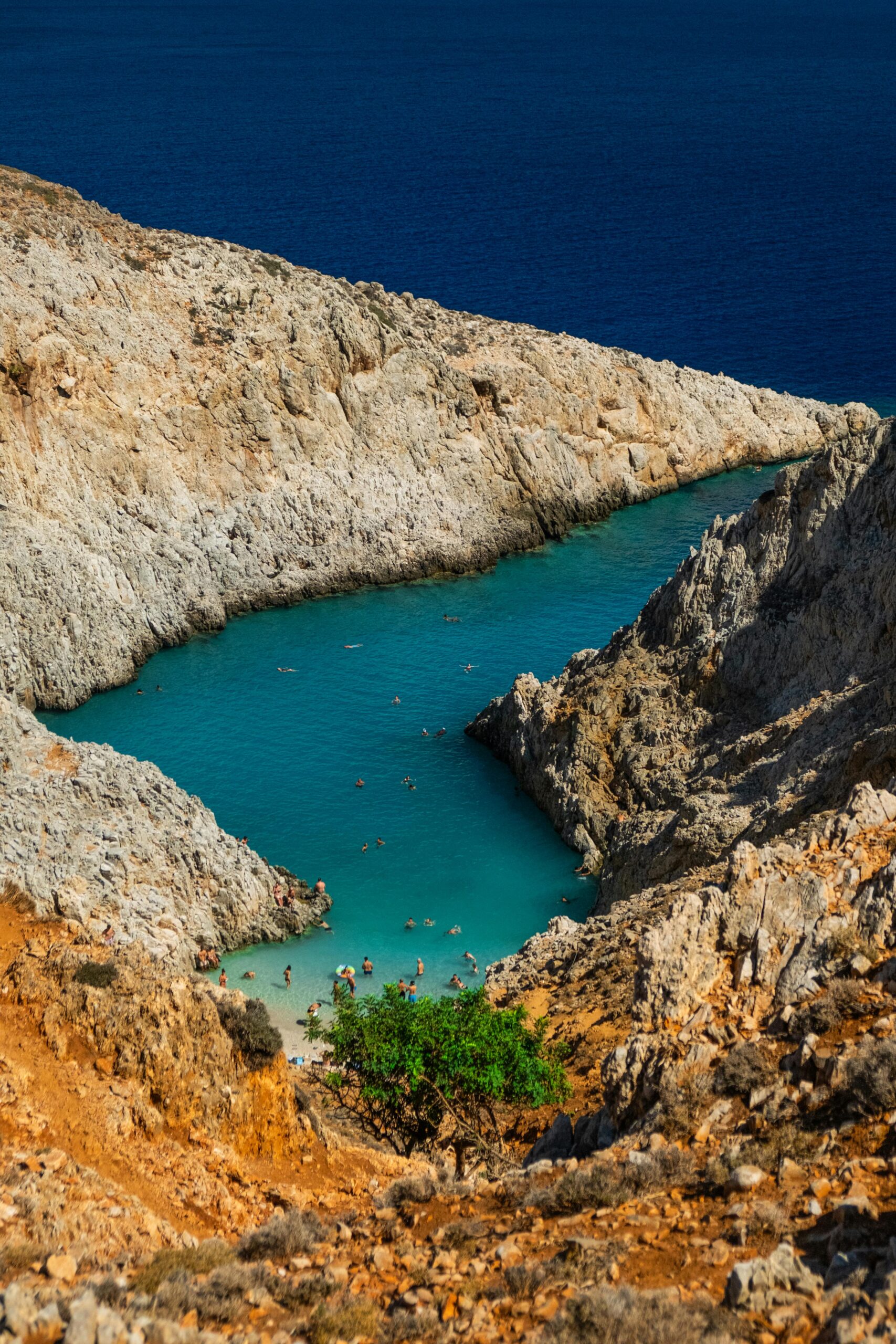
What Most Travelers Get Wrong About Exploring Crete’s Diverse Landscapes is the assumption that a short visit focused on beaches and archaeological sites captures the island’s essence. Crete is a large, topographically varied island that demands time and local knowledge to grasp its true character. Skipping this insight leads to rushed itineraries and missed opportunities.
What Most Travelers Get Wrong About Exploring Crete’s Diverse Landscapes
Understanding Crete’s Size and Geographic Complexity
Crete is Greece’s largest island, roughly 260 kilometers long and up to 60 kilometers wide in places. This scale means travel times between regions can be substantial, often underestimated by visitors. The island’s geography varies sharply—from the rugged White Mountains in the west to fertile plains and deep gorges in the center, and arid plateaus in the east. Not accounting for this diversity results in itineraries that cram too much or miss key experiences tied to specific landscapes.
Decision Logic: When to Explore Beyond Beaches and Ruins
If you want a surface-level experience focused on sunbathing and a few famous archaeological sites, Crete can deliver without much complexity. But if your goal is to understand the island’s rural traditions, diverse ecosystems, or hiking opportunities, you need multiple days and local guidance. Choosing to limit time to coastal towns means missing the inland villages and mountain ranges that define Crete’s cultural and natural identity.
Trade-offs by Traveler Type, Season, and Travel Style
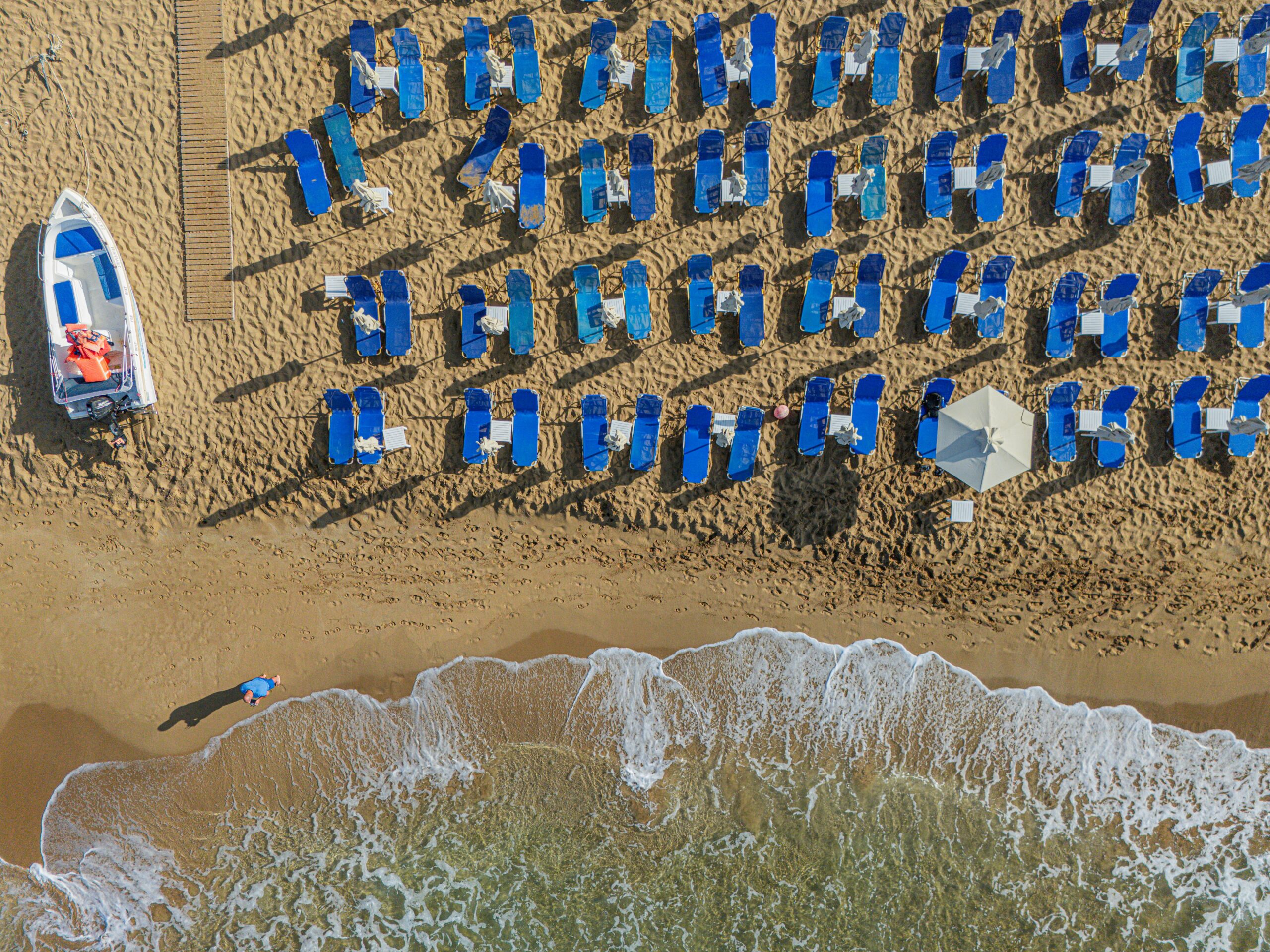
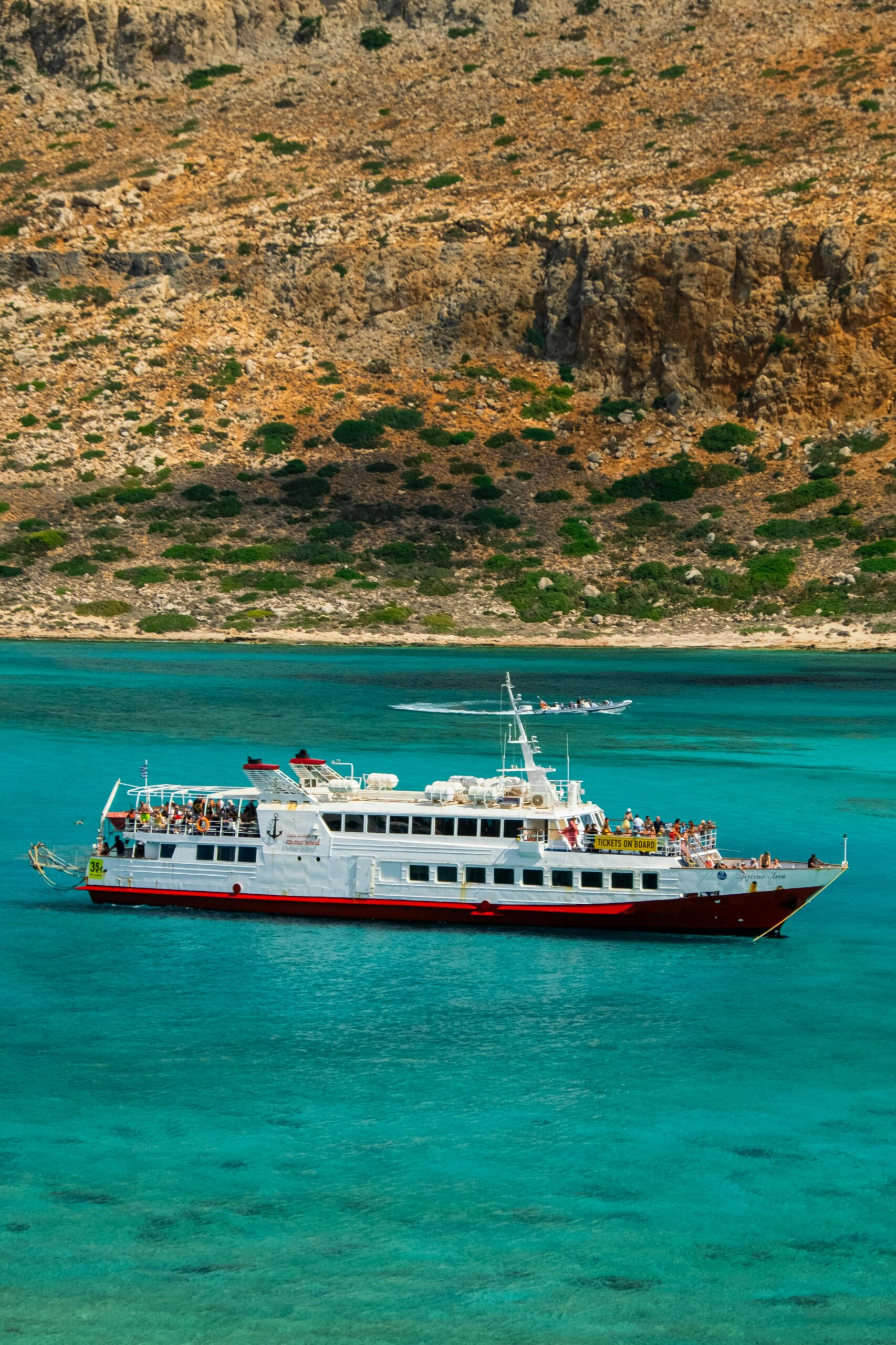
Travelers with limited time often default to the north coast’s popular resorts, sacrificing exposure to the island’s hinterland. Those traveling in summer face high temperatures and crowded spots, reducing the appeal of outdoor exploration beyond beaches. Winter visits open opportunities for mountain trekking and cultural immersion but require flexible logistics. Active travelers benefit from extended stays and local contacts, while casual visitors should temper expectations to avoid frustration.
Most Travelers Assume Crete Is Just Beaches and Ruins, but Actually It’s a Mosaic of Microclimates and Traditions
Many visitors arrive expecting a Mediterranean beach holiday with a side of ancient ruins. This assumption misses the fact that Crete contains alpine environments, semi-desert plateaus, and verdant valleys, each with distinct flora, fauna, and agricultural practices. For example, the Lasithi Plateau’s windmills and small-scale farming contrast sharply with the tourist infrastructure of Elafonissi Beach. Without this perspective, travelers mistake the island’s surface for its entirety.
Local Insight Is Non-Negotiable for Meaningful Exploration
Crete’s road signage outside main towns can be minimal and confusing, and public transport between rural areas is limited. Hiring a knowledgeable local guide or driver is often essential to navigate the island’s complex terrain efficiently. Their expertise not only saves time but opens access to authentic villages and lesser-known natural sites. Skipping this step typically results in wasted hours and a diluted experience.
What Most Travelers Get Wrong About Exploring Crete’s Diverse Landscapes: Common Planning Mistakes
Underestimating distances leads to daily overextension, causing exhaustion and missed opportunities. Booking accommodation only on the north coast prevents spontaneous exploration inland. Overloading itineraries with too many sites without accounting for terrain or weather conditions is a frequent error. These mistakes turn what could be an immersive trip into a checklist exercise.
Practical Resources to Deepen Understanding Before Traveling
Researching through official cultural sites like the
Greek Ministry of Culture can provide context beyond tourist brochures. For broader travel information and updates about seasonal conditions, VisitGreece.gr offers reliable insights. Using these sources helps set realistic expectations and avoid common pitfalls.
Conclusion
The right answer depends on how you actually travel — your pace, your priorities, and what you’re willing to trade off. If you’re not sure which option fits, that uncertainty is itself useful information.
Frequently asked questions
Is Crete easy to explore in a short visit?
No, Crete’s size and varied landscapes make short visits limiting. You’ll either miss key areas or spend excessive time traveling between them.
Are public transportation options reliable for exploring inland Crete?
Public transport is limited outside main towns, especially to remote villages and mountain areas. Renting a car or hiring a local driver is often necessary.
What are common misconceptions about Crete’s landscapes?
Many assume Crete is mostly beaches and ruins, but it includes alpine mountains, fertile plateaus, and arid zones with distinct cultures and ecosystems.
When is the best season to explore Crete’s diverse landscapes?
Spring and autumn offer milder weather for inland hiking and cultural visits. Summer is hot and crowded on coasts, while winter is good for mountain trekking but less for beach activities.
Do I need a guide to appreciate Crete fully?
A local guide or knowledgeable driver can significantly enhance your experience by navigating difficult routes and introducing authentic cultural perspectives.
Can I rely on signage and maps for self-guided exploration?
Signage can be sparse and confusing outside urban areas. Maps help but don’t replace local knowledge for efficient and safe exploration.
What travel styles are best suited for Crete’s diverse landscapes?
Active travelers with time to explore multiple regions benefit most, while those seeking a relaxed beach holiday should focus on coastal areas and not expect comprehensive landscape variety.